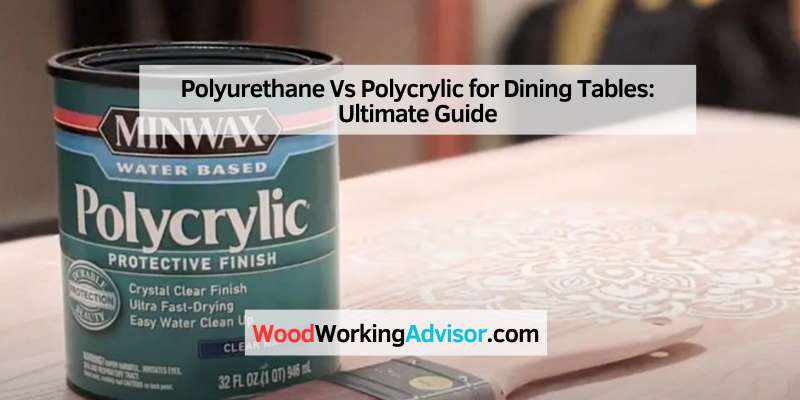
Polyurethane Vs Polycrylic for Dining Tables: Ultimate Guide
Polyurethane is the recommended choice for a dining table as it offers high durability and scratch resistance, providing excellent protection against scratches, water damage, and wear. On the other hand, Polycrylic is generally considered food safe when applied correctly and complies with FDA regulations for indirect food contact.
While both options can be applied using a brush, roller, or spray, Polycrylic tends to dry faster, making it harder to achieve a smooth finish and increasing the risk of leaving brush marks behind if not worked quickly enough.
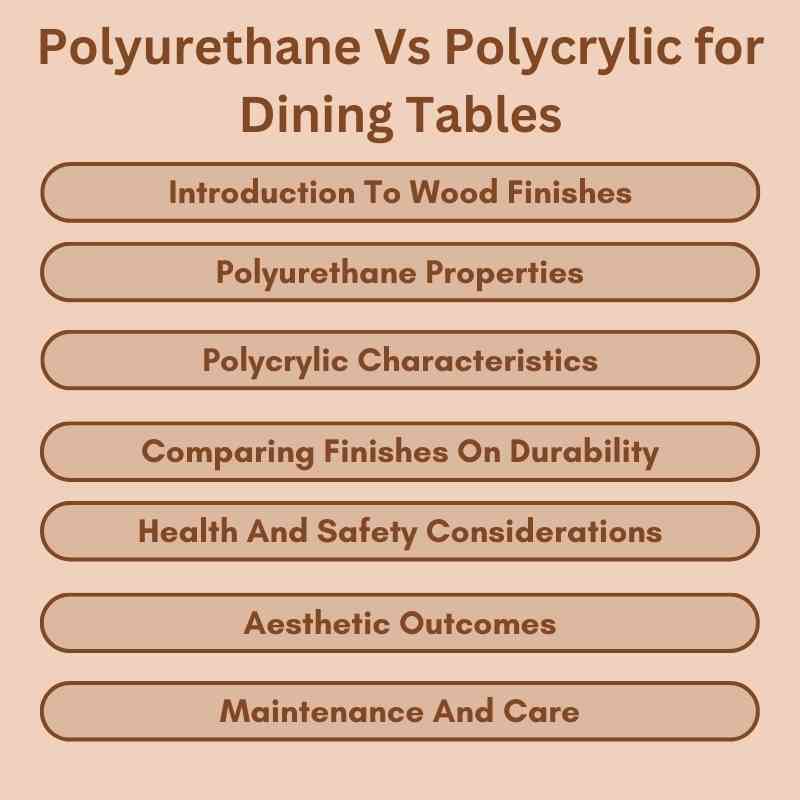
Introduction To Wood Finishes
When choosing between polyurethane and polycrylic for a dining table, consider the level of durability needed. Polyurethane offers excellent protection against scratches, water damage, and wear, making it the best choice for surfaces that require high durability. On the other hand, polycrylic dries faster but may be more challenging to achieve a smooth finish.
When it comes to finishing a dining table, choosing the right wood finish is crucial. Not only does it enhance the aesthetic appeal of the table, but it also protects the wood from scratches, water damage, and wear. In this article, we will explore the differences between two popular wood finishes: polyurethane and polycrylic.
Importance Of Choosing The Right Finish
Choosing the right finish for your dining table is essential for several reasons:
- Protection: A good finish will provide a protective layer that shields the wood from stains, spills, and scratches, increasing the lifespan of the table.
- Aesthetics: The right finish can enhance the natural beauty of the wood, bringing out its grain and color.
- Functionality: Different finishes offer varying levels of durability and resistance to wear, making them suitable for different usage scenarios.
Now let’s delve into the basics of polyurethane and polycrylic to understand their differences and determine which one is best for your dining table.
Polyurethane And Polycrylic Basics
Polyurethane and polycrylic are two popular wood finishes, each with its own unique characteristics:
| Polyurethane | Polycrylic |
|---|---|
| Polyurethane is a synthetic finish that comes in both oil-based and water-based forms. It offers excellent durability and scratch resistance, making it ideal for high-traffic areas. | Polycrylic, on the other hand, is a water-based finish that is known for its quick drying time. It provides a clear protective layer and is often used for interior wood surfaces. |
Both polyurethane and polycrylic can be applied using a brush, roller, or spray, depending on personal preference and the desired finish. However, it’s important to note that polycrylic tends to dry faster, which can make achieving a smooth finish more challenging.
Now that we have a basic understanding of polyurethane and polycrylic, let’s explore the advantages and disadvantages of each in the context of a dining table finish.
Polyurethane Properties
Polyurethane and polycrylic are both popular choices for protecting dining tables, but they have different properties. Polyurethane offers high durability and scratch resistance, making it ideal for surfaces that need to withstand heavy use. On the other hand, polycrylic is considered food safe and complies with FDA regulations for indirect food contact.
When choosing between the two, consider the specific needs of your dining table.
Oil-based Vs. Water-based Polyurethane
Polyurethane is available in both oil-based and water-based formulations. Oil-based polyurethane provides a warm, amber hue to the wood, while water-based polyurethane dries clear, preserving the natural color of the wood. Water-based polyurethane also has lower VOC levels, making it environmentally friendly.
Durability And Protection
Polyurethane wins for high durability and scratch resistance, especially in its oil-based form. It offers excellent protection against scratches, water damage, and wear, thus extending the lifespan of wood surfaces.
Application Techniques
Both oil-based and water-based polyurethane can be applied using a brush, roller, or spray. However, oil-based polyurethane tends to require a longer drying time between coats, while water-based polyurethane dries faster. The choice of application method can impact the final finish, and it’s important to follow the manufacturer’s instructions for best results.
Polycrylic Characteristics
When it comes to choosing between polyurethane and polycrylic for a dining table, polyurethane is the better option due to its high durability and scratch resistance. It offers excellent protection against scratches, water damage, and wear, extending the lifespan of the wood surface.
Polycrylic is generally considered food safe when applied correctly and complies with FDA regulations for indirect food contact. However, polycrylic tends to dry faster, making it harder to achieve a smooth finish compared to polyurethane.
Acrylic-based Formula
Polycrylic is a water-based protective finish that offers a crystal-clear topcoat for interior wood surfaces. This acrylic-based formula ensures that the natural beauty of the wood is preserved while providing durable protection against scratches, moisture, and stains. Its low odor and easy cleanup make it a popular choice for DIY enthusiasts and professionals alike. The acrylic-based nature of Polycrylic makes it an ideal option for maintaining the natural appearance of wood without altering its color or clarity.
Suitability For Interior Surfaces
Polycrylic is specifically designed for use on interior wood surfaces such as furniture, cabinets, doors, and trim. Its versatility and ability to adhere to a wide range of wooden substrates make it an excellent choice for various indoor projects. Whether it’s a dining table, coffee table, or wooden chairs, Polycrylic provides a protective finish that withstands daily use and enhances the aesthetic appeal of the wood.
Ease Of Application
Applying Polycrylic is relatively straightforward, making it suitable for DIY projects. Whether you prefer brushing, rolling, or spraying, Polycrylic can be applied using various methods, allowing for a smooth and even finish. Its water-based formula dries quickly, enabling multiple coats to be applied in a short period. This ease of application makes Polycrylic an attractive option for individuals looking to protect and enhance the appearance of their wooden furniture and surfaces.
Comparing Finishes On Durability
When comparing finishes on durability for your dining table, it’s important to consider factors such as scratch and water resistance, hardness and flexibility, and the lifespan of the finish. Let’s delve into the differences between polyurethane and polycrylic in these aspects to help you make an informed decision for your table’s finish.
Scratch And Water Resistance
Polyurethane offers excellent protection against scratches, water damage, and wear, making it the ideal choice for surfaces that need to withstand heavy use. On the other hand, polycrylic is also known for its water resistance, but it may not be as durable against scratches compared to polyurethane.
Hardness And Flexibility
When it comes to hardness and flexibility, polyurethane tends to be harder and more rigid once cured, providing a robust shield against daily wear and tear. In contrast, polycrylic is known for its quick drying time, but it may not offer the same level of hardness and rigidity as polyurethane.
Lifespan Of The Finish
The lifespan of the finish is crucial in determining the longevity of your dining table’s protective coating. Polyurethane, especially the oil-based versions, is renowned for extending the lifespan of wood surfaces due to its exceptional durability. While polycrylic is also durable, it may not match the longevity provided by polyurethane.
Health And Safety Considerations
When it comes to choosing between polyurethane and polycrylic for a dining table, polyurethane is the better choice for high durability and scratch resistance. However, polycrylic is generally considered food safe and complies with FDA regulations for indirect food contact.
It dries faster, but can be harder to get a smooth finish compared to polyurethane.
Volatile Organic Compounds (vocs) Content
When it comes to selecting a finish for your dining table, health and safety considerations are crucial. Both polyurethane and polycrylic contain volatile organic compounds (VOCs). VOCs are chemicals that vaporize at room temperature and can be harmful to your health. Polyurethane typically contains a higher amount of VOCs compared to polycrylic. Therefore, if you are sensitive to strong odors or have respiratory issues, you may want to opt for polycrylic over polyurethane.
Toxicity And Flammability
Another important health and safety consideration is toxicity and flammability. Polyurethane is highly toxic and flammable, and it can release toxic fumes during application. On the other hand, polycrylic is less toxic and has low flammability. Polycrylic is also water-based, which makes it easier to clean up and less likely to ignite. If you have pets or children in your home, polycrylic may be a safer option for you.
Food Safety Compliance
If you plan to use your dining table for eating or food preparation, it is essential to consider food safety compliance. Polycrylic is generally considered food safe when applied correctly and used in accordance with the manufacturer’s instructions. It is specifically formulated to be non-toxic and complies with FDA regulations for indirect food contact. On the other hand, polyurethane may not be food safe and can leach harmful chemicals into your food. Therefore, if you plan to use your dining table for eating or food preparation, it is recommended to use polycrylic.
In conclusion, when it comes to health and safety considerations, polycrylic is the safer option compared to polyurethane. Polycrylic has lower VOCs, is less toxic and flammable, and is food safe when used correctly. However, if you prioritize durability and scratch resistance, especially for oil-based versions, then polyurethane may be a better choice. Ultimately, the choice between polyurethane and polycrylic depends on your specific needs and preferences.
Aesthetic Outcomes
When it comes to choosing between polyurethane and polycrylic for your dining table, polyurethane is the better option for high durability and scratch resistance. It offers excellent protection against scratches, water damage, and wear, extending the lifespan of wood surfaces.
On the other hand, polycrylic is generally considered food safe when applied correctly and used according to the manufacturer’s instructions. It is non-toxic and complies with FDA regulations for indirect food contact.
Finish Sheen And Clarity
When it comes to the final look of your dining table, the finish sheen and clarity are essential considerations. Polyurethane produces a glossy and clear finish, while Polycrylic has a crystal clear finish with a low sheen. Polyurethane can darken the wood’s color slightly, while Polycrylic is water-based, thus maintaining the wood’s natural color.
Color Preservation
If you’re looking to preserve the natural color of your dining table, Polycrylic is the way to go. Due to its water-based nature, it dries clear, and it won’t yellow over time. On the other hand, polyurethane can yellow over time, which can change the wood’s natural color.
Brush Marks And Smoothness
Both finishes require a well-prepared surface, and they can show brush marks if not applied correctly. However, Polycrylic is less forgiving than polyurethane and dries quickly, making it harder to achieve a smooth finish without visible brush marks. Polyurethane takes a little longer to dry, which gives you more time to work with the finish and achieve a smooth surface.
In conclusion, both polyurethane and Polycrylic have their advantages and disadvantages. Polyurethane is more durable and scratch-resistant, making it ideal for surfaces that experience a lot of wear and tear. On the other hand, Polycrylic is water-based and dries clear, preserving the wood’s natural color. When it comes to aesthetics, the choice between the two finishes will depend on your preference for finish sheen, color preservation, and ease of application.
Maintenance And Care
Polyurethane and Polycrylic are popular choices for protecting dining tables, but proper maintenance and care are crucial for preserving the beauty and longevity of your furniture.
Cleaning Procedures
When cleaning a dining table coated with polyurethane or polycrylic, use a soft, damp cloth to wipe away dust and spills. Avoid harsh chemicals and abrasive scrubbers, as they can damage the protective finish. For stubborn stains, gently clean with a mixture of mild soap and water, followed by a dry cloth to prevent water damage.
Reapplication And Long-term Care
Regular reapplication of polyurethane or polycrylic is essential for maintaining the protective layer. Inspect the table periodically for signs of wear and tear, and when necessary, lightly sand the surface before applying a fresh coat of the chosen finish. This proactive approach will extend the lifespan of your dining table and keep it looking its best for years to come.
Disposal Of Materials
- When disposing of used materials such as cloths or brushes that came into contact with polyurethane or polycrylic, it’s important to handle them carefully due to their flammability.
- Follow local regulations for hazardous waste disposal, as these products require special handling to prevent environmental harm.
Making The Right Choice For Your Dining Table
Choosing between polyurethane and polycrylic for your dining table can be a critical decision. Both options offer unique advantages and considerations, so it’s essential to assess your specific needs and budget before making a choice.
Assessing Table Usage And Requirements
Before deciding on a finish for your dining table, it’s crucial to consider the way the table will be used. If your dining table is subject to heavy use, such as frequent meals and potential scratches from utensils, polyurethane may be the better choice due to its high durability and scratch resistance. On the other hand, if your table is used less frequently and you prioritize a fast-drying finish, polycrylic could be a suitable option.
Cost Considerations
When it comes to cost, polycrylic generally tends to be more budget-friendly compared to polyurethane. If you’re working within a tight budget, polycrylic could be the more economical choice. However, it’s important to note that polyurethane offers exceptional protection against scratches, water damage, and wear, which could potentially save you money in the long run by extending the lifespan of your dining table.
Final Recommendations
Ultimately, the choice between polyurethane and polycrylic for your dining table depends on your specific usage requirements and budget constraints. If durability and long-term protection are your top priorities, polyurethane is the recommended option. On the other hand, if you’re looking for a more cost-effective and faster-drying finish, polycrylic could be the better choice for your dining table.
Frequently Asked Questions
Should I Use Polycrylic Or Polyurethane For A Table Top?
Polyurethane is the better choice for a table top because it offers high durability and scratch resistance. It provides excellent protection against scratches, water damage, and wear, prolonging the lifespan of the wood surface. Polycrylic, on the other hand, is not as durable and is typically used for interior surfaces like cabinets and furniture.
Is Polycrylic Safe For Dining Table?
Yes, polycrylic is generally safe for use on a dining table. When applied correctly and used according to the manufacturer’s instructions, polycrylic is specifically formulated to be non-toxic and complies with FDA regulations for indirect food contact. However, it is always best to ensure proper ventilation during application and allow sufficient drying time before using the table.
What Dries Harder, Polyurethane Or Polycrylic?
Polyurethane dries harder than polycrylic. It offers excellent protection against scratches, water damage, and wear, making it more durable. Polycrylic tends to dry faster but may leave brush marks if not applied quickly. Polyurethane is the better choice for high durability and scratch resistance.
What Is The Downside Of Water-based Polyurethane?
The downside of water-based polyurethane is that it can be expensive and requires more coats compared to other types. It also scratches easier due to its hardness.
Conclusion
When it comes to choosing between Polyurethane and Polycrylic for your dining table, it ultimately depends on your specific needs. If you’re looking for high durability and scratch resistance, especially for oil-based versions, then Polyurethane is your best bet. However, if you want a faster drying time and an easier application process, then Polycrylic may be the way to go.
Regardless of your choice, always follow the manufacturer’s instructions and safety precautions for the best results.