How to Remove Rust Stains from Wood Furniture (Oxalic Acid Method)
Rust stains on wood furniture aren’t surface dirt — they form when iron reacts with the tannins in oak, walnut, and other tannin-rich woods, which is why simply wiping them off never works. Scrubbing too hard just abrades the finish, and the wrong acid strength can bleach the wood lighter than the wood around it. This guide covers the oxalic acid method professionals use (with exact mixing ratios), three gentler alternatives for fresh stains, and how to stop rust from coming back.
If the rust stain is on a wood floor, deck, countertop, or another non-furniture surface, our broader guide to removing rust stains from wood covers surface-specific methods for those cases.
Quick Answer
Mix 2 oz of oxalic acid crystals per quart of warm water, apply with a sponge, and let it sit 15–20 minutes on embedded rust stains. Neutralize with a baking soda solution (1 tbsp per 2 cups water) before rinsing, then let the wood dry 24 hours before refinishing. For light, fresh stains, white vinegar or lemon juice and salt often work without acid.
Why Rust Stains Actually Form on Wood
Best Oxalic Acid Wood Bleach Pick
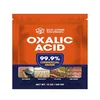
ECO Living Solutions Oxalic Acid Wood Bleach 99.9% ($9.99)
99.9% pure oxalic acid crystals sold specifically as a rust and wood stain remover — mixes to the standard 2 oz per quart ratio used in this guide.
- Best for: embedded rust and iron-tannate stains on oak, walnut, and other tannin-rich furniture
- Why we picked it: labeled specifically for rust stain removal, not a generic multi-surface cleaner
- Main drawback: corrosive powder — requires gloves, goggles, and a baking soda neutralizing rinse
Compare more wood bleach options
 Option 1 Ecoxall Oxalic Acid Fine Powder 99% Pure ($23.99)
|
 Option 2 xixisusu Oxalic Acid Wood Bleach ($16.59)
|
 Option 3 Zinsser 2-Step Wood Bleach Kit ($17.55)
|
As an Amazon Associate we earn from qualifying purchases.
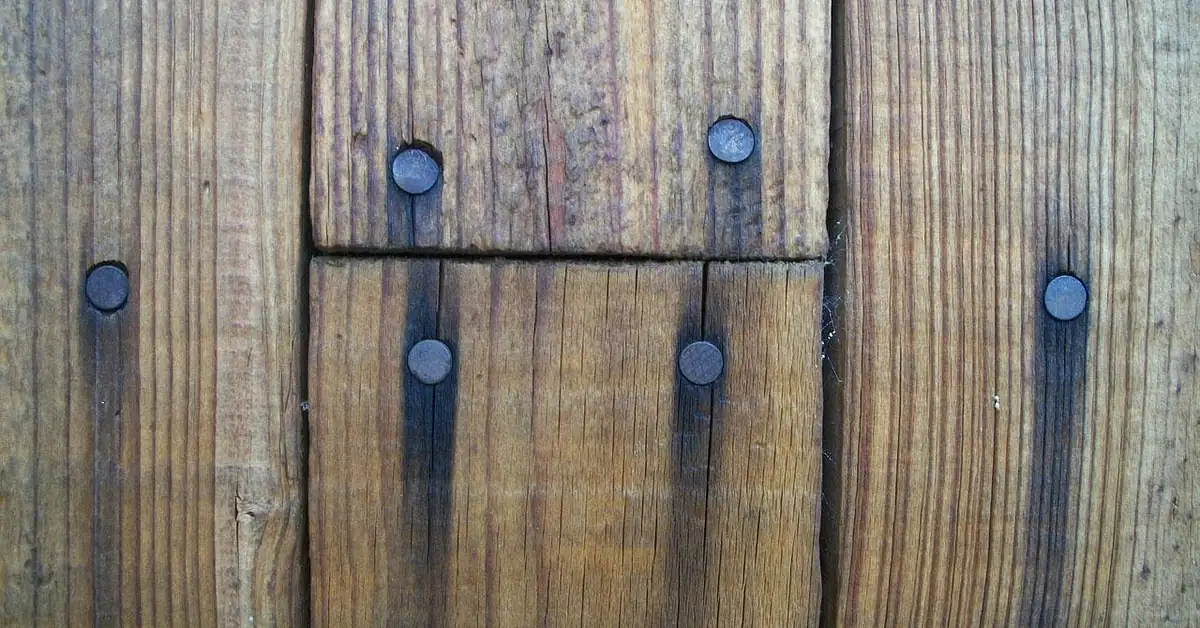
An iron-tannate stain is a dark blue-black or brownish mark that forms when iron ions from a rusting nail, screw, staple, or metal furniture leg react chemically with the tannins naturally present in the wood. Woods high in tannin — oak, walnut, cherry, and chestnut — are hit the hardest, because their tannin content is exactly what feeds the reaction. This is the same chemistry woodworkers use on purpose to “ebonize” oak with a steel wool and vinegar solution; a rust stain is that same reaction happening by accident. It’s one of several discoloration issues covered in our full wood finishing guide.
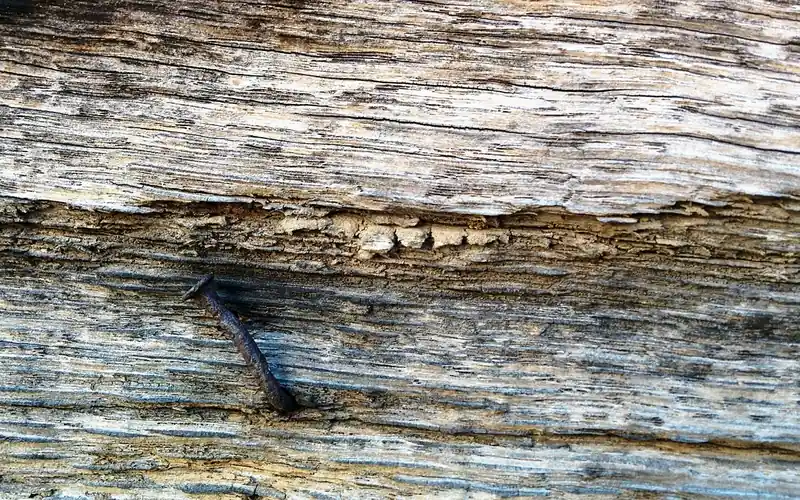
📊 Oxalic acid reacts with iron to form ferrous oxalate, a water-soluble compound — which is why it lifts embedded rust that surface cleaners like vinegar or dish soap can only fade. Source: Wood Work Science, oxalic acid wood bleaching chemistry research.
Softer, low-tannin woods like pine, poplar, and maple usually show plain surface rust instead — an orange-brown mark sitting on top of the wood fibers rather than bonded into them. That distinction matters because it decides which method actually works.
Which Method You Need: Surface Rust vs. Embedded Stains
Before reaching for any acid, look closely at the stain. A fresh, orange-colored mark that sits on top of the grain is surface rust and responds to mild household acids. A dark, blue-black or gray stain that seems to sit inside the wood grain — especially on oak or walnut — is iron-tannate, and only oxalic acid wood bleach reliably removes it. If your mark is closer to black or gray than rust-orange, compare it against our dark stain removal guide before treating — the two are often confused.
| Stain Type | Best Method | Best For |
|---|---|---|
| Fresh surface rust (hours to days old) | White vinegar or lemon juice + salt | Light discoloration on pine, maple, poplar |
| Set-in surface rust (weeks old) | Baking soda paste or 3% hydrogen peroxide | Moderate marks that haven’t penetrated the grain |
| Embedded iron-tannate (black-blue rings) | Oxalic acid wood bleach, 2 oz/quart | Oak, walnut, cherry — tannin-rich woods |
The Oxalic Acid Method for Embedded Rust Stains
Oxalic acid wood bleach is the method professional refinishers reach for because it targets the chemistry directly: the acid bonds more strongly to iron than the wood’s own tannins do, pulling the iron out as a new water-soluble compound called ferrous oxalate. Mix and apply it carefully — it’s an effective bleach, not a gentle cleaner.
- Test in a hidden spot: Dab the oxalic acid solution on an inconspicuous area first — it can lighten wood beyond the stain itself.
- Mix the solution: Dissolve 2 oz of oxalic acid crystals per quart of warm water in a plastic (never metal) container.
- Apply to the stain: Use a sponge or brush to saturate just the stained area, avoiding excess runoff onto clean wood.
- Let it work: Leave the solution on for 15–20 minutes, keeping the surface wet. Reapply if the stain hasn’t visibly lightened.
- Neutralize the acid: Wipe the area with a baking soda solution (1 tablespoon per 2 cups of water) to stop the chemical reaction.
- Rinse and dry: Rinse with clean water and let the wood air-dry fully for 24 hours before sanding or refinishing.
“Most rust marks people fight for hours with vinegar are actually iron-tannate stains, not surface rust — the wood itself is reacting with the metal. On oak and walnut, no amount of scrubbing lifts that; only oxalic acid pulls the iron back out of the grain.”
Gentler Alternatives for Fresh, Surface-Level Stains
If the stain is fresh and hasn’t penetrated the grain, skip the oxalic acid and try one of these milder options first.
- Baking soda paste: Mix baking soda with water to a thick paste, apply to the stain, let sit 10–15 minutes, then wipe with a damp cloth.
- White vinegar: Soak a cloth in equal parts vinegar and water, rub the stain gently, and wipe clean — the mild acid dissolves light rust without bleaching the wood.
- Lemon juice and salt: Sprinkle salt on the stain, squeeze lemon juice over it, and let it sit a few hours; the salt acts as a mild abrasive while the citric acid loosens the rust.
None of these methods will touch a true iron-tannate stain on oak or walnut — if the mark doesn’t visibly fade after one attempt, that’s your sign to move to the oxalic acid method above rather than scrubbing harder. For general white or hazy discoloration instead of rust, see our guide on removing white stains from wood.
Common Mistakes That Make Rust Stains Worse
- Skipping the neutralizing step: Leftover oxalic acid keeps working after the stain fades, which can over-lighten or damage the wood if it isn’t rinsed with a baking soda solution.
- Scrubbing instead of soaking: Iron-tannate stains sit inside the wood fibers, not on top — abrasive scrubbing wears down the finish without reaching the actual stain.
- Using metal containers or tools: Oxalic acid reacts with metal, which can introduce new iron into the solution and undo the treatment. Use plastic buckets, brushes, and sponges only.
- Refinishing before the wood is fully dry: Sealing over damp, acid-treated wood traps moisture and can cause the stain to reappear or the new finish to fail.
Sanding, Staining, and Sealing After Rust Removal
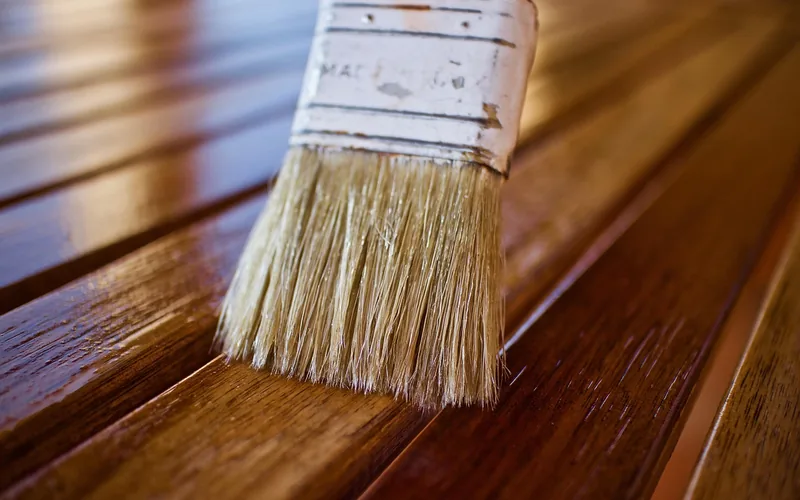
Once the wood is completely dry, lightly sand the treated area with fine-grit sandpaper, always moving with the grain, to smooth any roughness left by the acid. Because oxalic acid bleaches slightly, the treated spot may look a shade lighter than the surrounding wood until you apply a matching wood stain. Finish with a sealant — polyurethane, varnish, or an oil-wax blend — to keep future moisture (and future rust) out of the grain.
How to Stop Rust Stains From Coming Back
The fastest permanent fix is removing the actual source of iron. Swap rusting screws, nails, or hardware for stainless steel or hot-dip galvanized replacements — standard zinc-plated fasteners will rust again within a year or two in humid conditions. For metal furniture legs or feet that can’t be replaced, add a felt or rubber pad between the metal and the wood, and keep the piece dry to avoid the kind of general water staining that often shows up alongside rust marks. If the surrounding finish is also scratched, hazy, or ringed from water, our guide on repairing furniture finish covers those fixes too. A quality sealant reapplied every year or two is the last line of defense against both.
Frequently Asked Questions
Does vinegar actually remove old rust stains from wood?
Vinegar works well on fresh, surface-level rust but rarely fully removes old or embedded stains. Once rust has reacted with the tannins in oak, walnut, or cherry to form iron-tannate, vinegar’s mild acidity can fade the mark but won’t fully lift it — that requires oxalic acid wood bleach.
Can I use CLR or a bathroom rust remover on wood furniture?
No. Products like CLR are formulated for tile, porcelain, and metal, and their stronger acids can damage wood finish, raise the grain, or leave a chemical residue. Stick to oxalic acid wood bleach, which is specifically formulated and tested for wood surfaces.
Will oxalic acid change the color of my wood?
Yes, slightly — oxalic acid is a mild bleach, so treated areas often come out a shade lighter than the surrounding wood. This is usually corrected during refinishing, since a fresh coat of stain evens out the color once the wood is fully dry.
How long does oxalic acid take to remove a rust stain from wood?
Most rust stains lighten within 15–20 minutes of contact time. Deep, old iron-tannate stains may need two or three applications, letting the wood dry between coats, before the mark fully disappears.
Why do rust stains keep coming back on the same spot?
Recurring stains almost always mean the metal source is still in contact with the wood — a rusting screw, staple, or furniture leg. Replace the fastener with a stainless or galvanized one and seal the wood; otherwise the same iron-tannate reaction will just happen again.
Conclusion
Most rust stains on wood furniture aren’t a cleaning problem — they’re a chemistry problem, and treating them that way is what actually gets rid of them. Light, fresh marks respond to vinegar or baking soda, but embedded iron-tannate stains on oak, walnut, and cherry need oxalic acid wood bleach at the right ratio, followed by a neutralizing rinse. Replace the rusting hardware that caused the stain in the first place, and it won’t come back.
Sponsored / affiliate links. As an Amazon Associate I earn from qualifying purchases. I may earn additional commission from eligible campaigns.