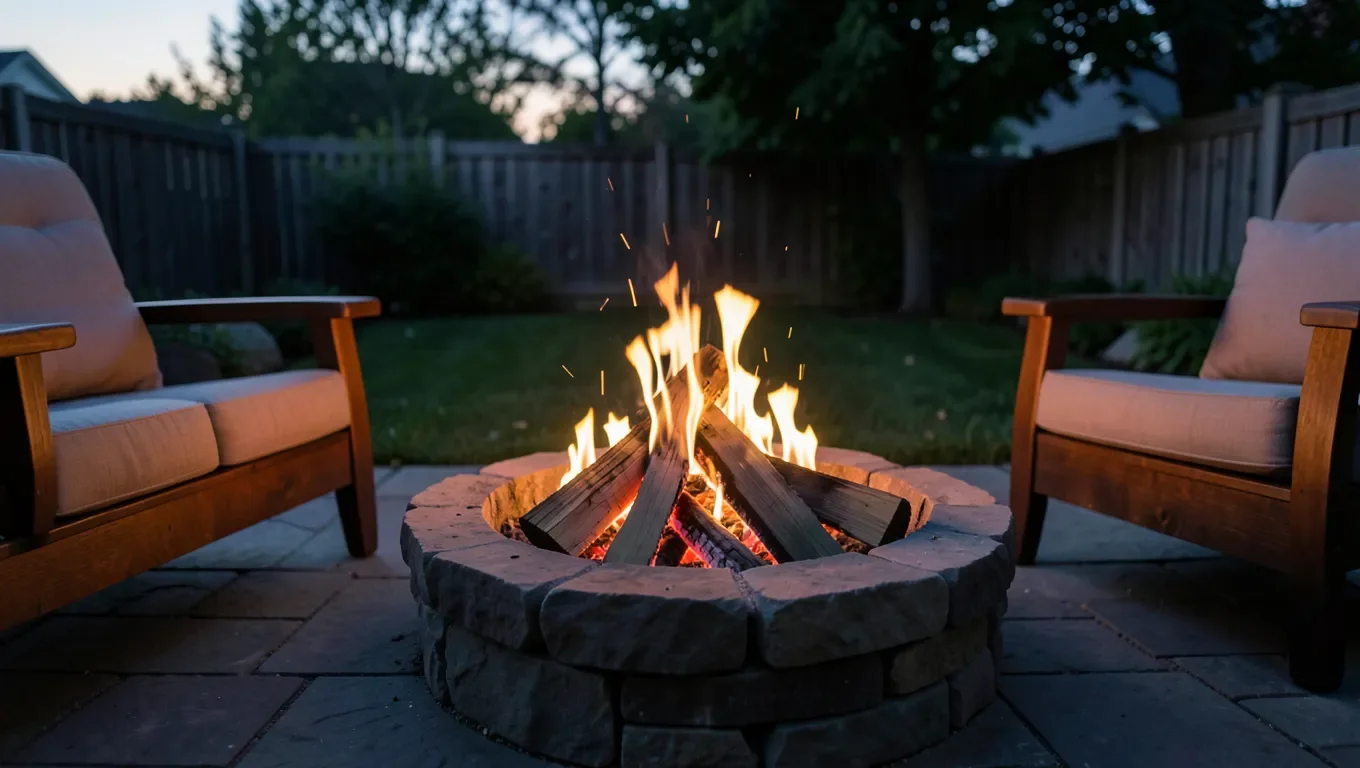
Can You Burn Treated Lumber in a Fire Pit? No, Here’s Why It’s Dangerous
No, you should not burn treated lumber in a fire pit. Pressure-treated wood is chemically preserved with either chromated copper arsenate (CCA, in older lumber) or a modern copper-based preservative like ACQ or copper azole, and none of those chemicals burn away in a fire. They concentrate in the smoke and ash instead, and that’s a real, EPA- and CDC-documented health risk, not just a woodworking myth.
This isn’t a “be careful” situation the way an overcooked marshmallow is. It’s a genuine poisoning and inhalation risk, especially for kids and pets who end up breathing the smoke or getting into the leftover ash. Below is what’s actually in treated lumber, why it’s dangerous to burn, whether it’s legal where you live, and what to do with old deck boards and scrap lumber instead.
Quick Answer: Don’t Burn Treated Lumber, Even Scraps
Whether it’s a leftover deck board, an old fence picket, or a stack of scrap 2x4s from a build, if it’s pressure-treated, it doesn’t belong in your fire pit, wood stove, fireplace, or burn pile. That includes wood that’s green or brown-tinted from CCA treatment and newer, less obviously colored ACQ or copper-azole lumber. If you need real firewood for tonight, reach for something you know is untreated:
Safe Fire Pit Wood Pick
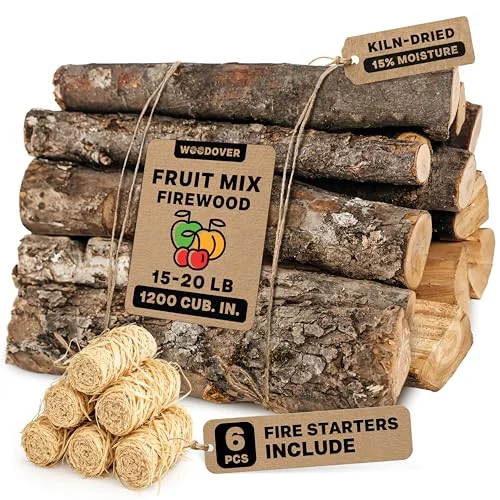 |
Woodover Kiln-Dried Fruit Mix Firewood – $34.84 Untreated apple and cherry logs, kiln-dried to about 15% moisture, so you get a clean burn with none of the chemical risk of scrap lumber.
|
What’s Actually in Treated Lumber
“Pressure-treated” means the wood was forced, under pressure, to absorb a liquid preservative deep into its fibers so it resists rot and insects for decades outdoors. The preservative is the problem when it burns.
- CCA (chromated copper arsenate): the standard preservative for residential lumber until the EPA and manufacturers phased it out of most residential uses by the end of 2003. If your deck, fence, or playground set was built before then, there’s a good chance it’s CCA-treated. CCA wood contains arsenic and chromium, both of which stay chemically active when burned.
- ACQ (alkaline copper quaternary) and copper azole: the preservatives that replaced CCA for most residential lumber sold today. They swap out the arsenic for a much higher concentration of copper, plus a fungicide or quaternary ammonium compound. Copper-based smoke is still toxic to breathe, so “newer” treated wood is not a safe substitute for burning.
Neither generation of treated lumber is destroyed by fire. Combustion breaks down the wood fibers around the chemicals, but the metals themselves (arsenic, chromium, or copper) don’t disappear. They end up airborne in the smoke or concentrated in what’s left in the fire pit.
Why Burning Treated Wood Is Actually Dangerous
The mechanism is straightforward once you know it: burning treated wood doesn’t neutralize the preservative chemicals, it redistributes them. Research cited by California’s Department of Toxic Substances Control found that in heavily CCA-treated samples, the combined metals (arsenic, chromium, and copper) can make up as much as 36% of the leftover ash by weight. That’s an extremely concentrated dose sitting in what looks like ordinary fire pit ash.
There are two exposure routes that matter for a backyard fire pit specifically:
- Inhalation. Standing near the fire, or being downwind of it, means breathing smoke that carries vaporized arsenic, chromium, or copper compounds. This is the same reasoning the EPA uses in its official guidance: it recommends against burning CCA or other preservative-treated wood in a residential setting specifically to avoid inhaling the chemicals in the smoke.
- Ash contact. Kids and pets don’t know the difference between regular wood ash and contaminated ash. If it’s tracked into the yard, blown onto nearby soil, or handled without gloves, that’s a direct-contact and ingestion risk, not just an inhalation one.
The U.S. National Pesticide Information Center puts it plainly: treated wood, including CCA-treated wood, should never be burned in stoves, fireplaces, burn piles, or in any other way, because the smoke and ash can be toxic. That guidance doesn’t carve out an exception for “just a little” in a backyard fire pit.
Is It Illegal to Burn Treated Lumber?
Often, yes, though the exact rule depends on where you live. Several state environmental agencies, New York’s DEC among them, explicitly prohibit burning CCA-treated wood in fireplaces, stoves, outdoor wood-fired boilers, or open fires. On top of that, most states and counties have general open-burning ordinances that restrict what can legally go into a backyard fire, and treated or chemically coated wood is a common exclusion alongside painted wood and trash.
Because the specifics vary by state and even by county fire marshal, don’t assume it’s fine just because no one is watching your fire pit. Check with your local fire department, waste management authority, or state environmental agency before burning anything you’re not sure about.
How to Tell If a Board Is Treated Lumber
If you’re working through scrap wood, old deck boards, or reclaimed lumber of unknown origin, here’s what to check before it goes anywhere near a fire:
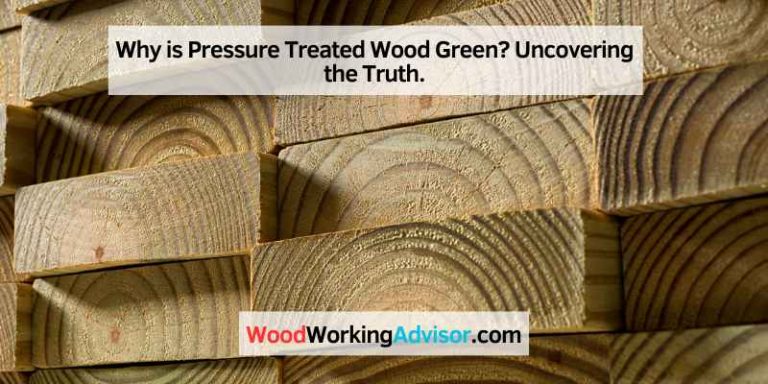
- Color. Freshly treated lumber often has a greenish (CCA) or slightly brownish (ACQ/copper azole) tint from the preservative. Weathering fades this over years, so an old gray deck board can still be treated even without visible color.
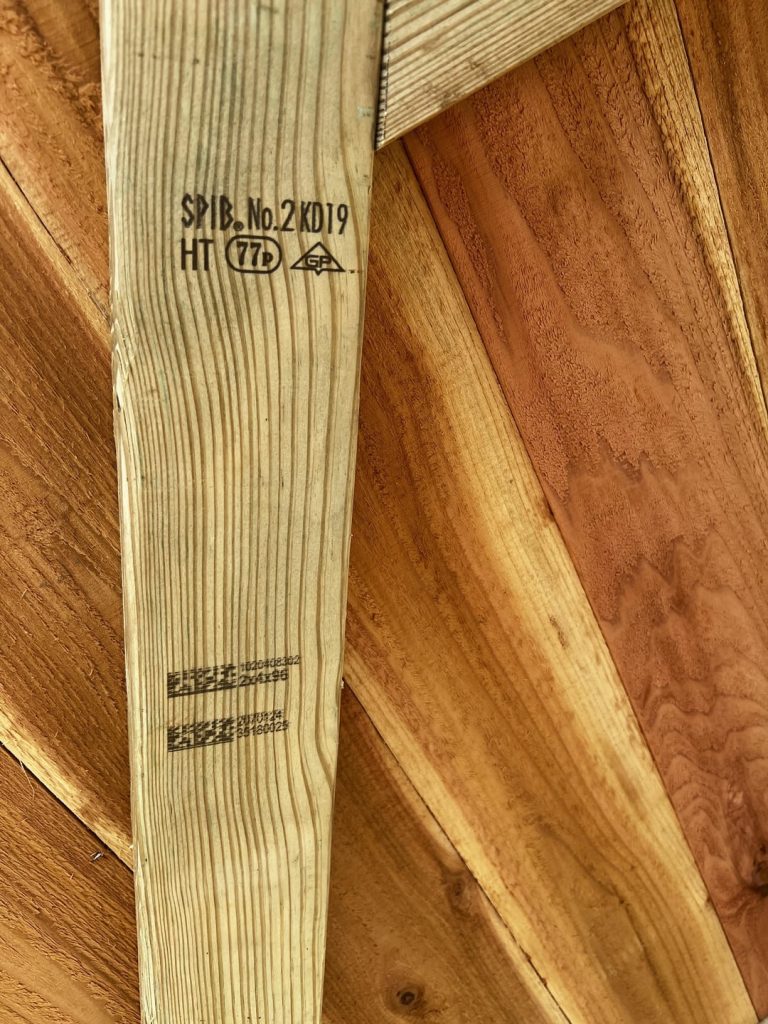
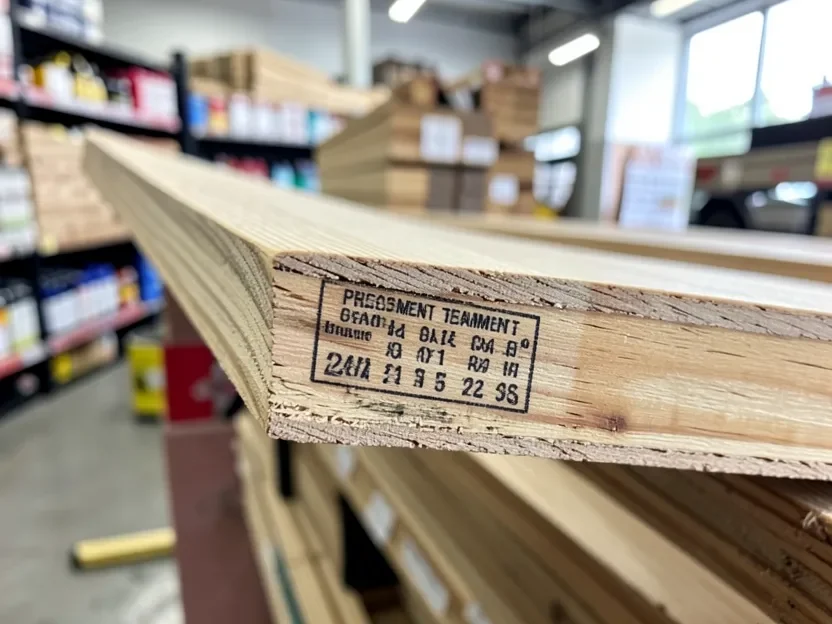
- End tag or stamp. Pressure-treated lumber is required to carry an ink-stamped or embossed tag, usually near one end, listing the treatment chemical, retention level, and an AWPA use category (like “Ground Contact” or “Above Ground”). If you can find and read that stamp, it settles the question.
- Source. Decking, fence posts, playground structures, and anything rated for ground contact is almost always treated. Interior framing lumber and most furniture-grade boards usually aren’t.
When you genuinely can’t tell, the safest call is to treat unidentified scrap wood as treated and keep it out of the fire pit.
How to Dispose of Treated Lumber the Right Way
Treated lumber isn’t firewood, and it isn’t mulch or compost material either, the preservative chemicals are exactly why it shouldn’t go back into your yard or garden in any chipped or burned form. The correct disposal path is a landfill or waste facility that accepts construction and demolition (C&D) debris.
- Contact your local waste management program or transfer station and ask specifically whether they accept treated wood, some require it to go through a dedicated C&D facility rather than curbside trash.
- Never chip it into mulch or use it in landscaping, this just moves the exposure risk from your fire pit to your garden beds.
- If you’re clearing out an old deck, our guide on how to dispose of old deck wood responsibly walks through the C&D drop-off process step by step.
What to Burn in Your Fire Pit Instead
The good news is that safe fire pit wood isn’t hard to find or expensive. Seasoned or kiln-dried untreated hardwood, oak, birch, cherry, apple, and similar species, burns cleaner, hotter, and with far less smoke than scrap lumber anyway, treated or not. Kiln-dried bundles sold specifically for fire pits (like the pick above) take the guesswork out of it entirely, since you know exactly what’s in your fire.
If you’re trying to figure out whether a specific piece of lumber you already have is treated before deciding what to do with it, our green vs. brown pressure-treated wood guide breaks down what the different tints actually mean. And if you want the deeper dive into exactly why the chemicals in treated wood are harmful when burned, see Can Burning Treated Wood Be Dangerous? For burning treated wood in other contexts, like wood stoves and burn piles rather than a backyard fire pit specifically, see Can Pressure Treated Wood Be Burned Safely.
Frequently Asked Questions
Can you burn treated lumber in a fire pit?
No. Treated lumber contains preservative chemicals, either chromated copper arsenate (CCA) in older wood or copper-based preservatives like ACQ and copper azole in modern lumber, that do not burn away. Burning it releases those chemicals into the smoke and concentrates them in the ash, which is a real inhalation and contact hazard.
Is it illegal to burn pressure-treated wood?
In many states and counties it’s banned outright under open-burning or air-quality ordinances, and some state agencies explicitly prohibit burning CCA-treated wood in any fireplace, stove, or open fire. Rules vary by location, so check with your local fire department or environmental agency, but the safe assumption is that it’s not allowed.
What should you do if treated wood accidentally ends up in your fire?
Move away from the smoke, don’t breathe over the fire, and let it burn out rather than trying to remove it while hot. Afterward, treat the ash as hazardous: scoop it into a sealed bag with gloves on and put it in the trash, not the garden or compost, and don’t make a habit of it.
How do you dispose of treated lumber the right way?
Take it to a landfill or waste facility that accepts construction and demolition (C&D) debris. Don’t burn it, chip it into mulch, compost it, or leave it as scrap firewood. Some regions require treated wood to go through a specific C&D facility rather than regular household trash, so check with your local waste management program first.
What wood is safe to burn in a fire pit instead of treated lumber?
Any seasoned or kiln-dried untreated hardwood: oak, birch, cherry, or apple all burn clean and hot. Kiln-dried bundles sold for fire pits are a reliable option because you know exactly what you’re burning, unlike scrap or reclaimed lumber of unknown origin.
Bottom Line
Treated lumber and fire pits don’t mix, not with old CCA-era decking, and not with modern ACQ or copper-azole boards either. The chemicals that make treated wood last outdoors for decades are the same ones that turn toxic in smoke and ash. Stick to seasoned or kiln-dried untreated wood for your fire pit, and take treated scrap to a C&D-accepting landfill instead of burning it.
Sponsored / affiliate links. As an Amazon Associate I earn from qualifying purchases. I may earn additional commission from eligible campaigns.