Prevent Cedar from Turning Gray: Ultimate Care Tips
Apply a UV-blocking stain or sealer annually to protect cedar from turning gray. Clean the wood regularly to remove dirt and mildew.
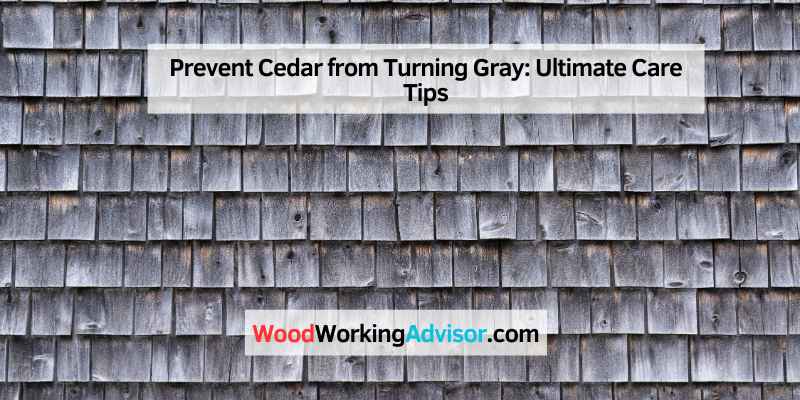
Cedar wood is renowned for its durability and beautiful appearance, but it can turn gray over time due to exposure to sunlight and moisture. Preventing this graying process is crucial to maintaining its natural beauty and extending its lifespan. Using a UV-blocking stain or sealer helps shield the wood from harmful ultraviolet rays and environmental elements.
Regular cleaning removes dirt, mildew, and other debris that can accelerate the graying process. By combining these practices, you can keep your cedar looking fresh and vibrant for years. Proper care not only enhances aesthetic appeal but also ensures long-term durability.
Cedar’s Natural Aging Process
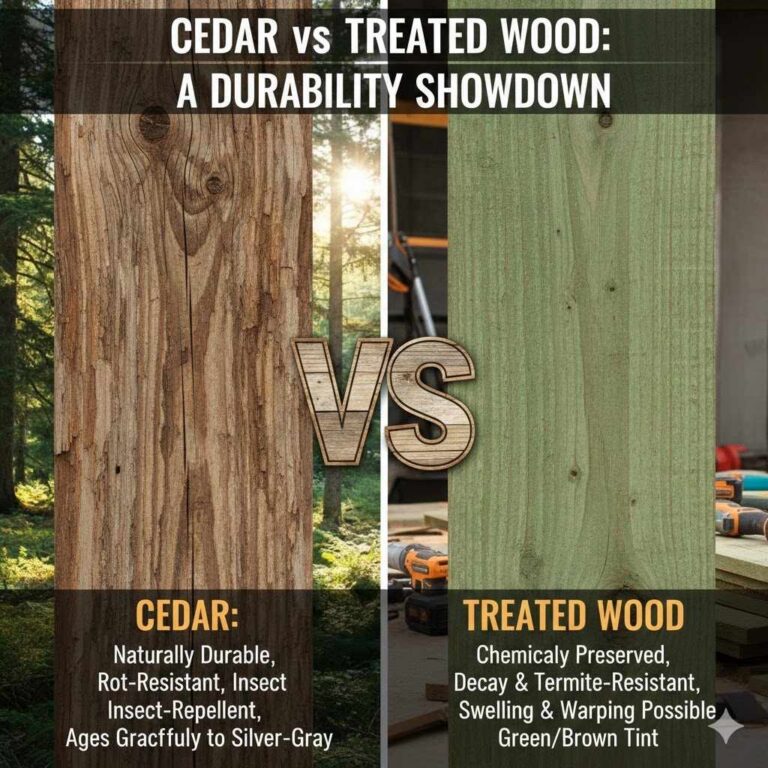
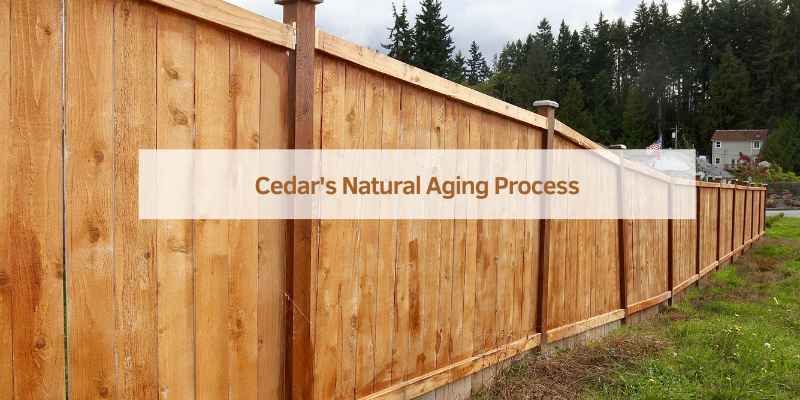
Cedar changes color due to sunlight. UV rays cause the wood to turn gray. Rain and moisture also play a big role. Water can make cedar lose its color. Pollution in the air can also cause discoloration. Dust and dirt can settle on cedar and make it look dull. The quality of cedar used matters too. Poor quality cedar discolors faster. Proper care can slow down this process.
Cedar contains natural oils and chemicals. These protect the wood from bugs and rot. Over time, these oils break down. This causes the wood to lose its color. The sun’s UV rays are the main reason. They break down the oils and lignin in the wood. Lignin is what gives cedar its color. Without it, the wood turns gray.
Initial Treatment Options
Picking the right sealant helps cedar stay beautiful. A good sealant protects the wood from water and sun. Look for a sealant with UV protection. This stops the sun from turning cedar gray. Oil-based sealants are best for cedar. They go deep into the wood and protect it longer. Water-based sealants are also available. They are easier to clean but don’t last as long. Test the sealant on a small area first. Make sure you like how it looks before you do the whole project.
Apply the sealant on a dry day. Rain can wash it away. Brush or spray the sealant onto the cedar. Make sure to cover all parts evenly. Two coats of sealant work better than one. Let the first coat dry before adding the second. Check your cedar every year. Reapply the sealant if the wood starts to look dry.
Regular Maintenance Schedule
Regularly maintaining cedar with sealants and stains prevents it from turning gray. Ensure the wood remains vibrant and protected from harsh weather conditions.
Cleaning Frequency
Cleaning cedar keeps it looking fresh. Dirt and dust can make cedar turn gray. Clean your cedar once a year. Use a mild soap and water. Scrub gently with a soft brush. Rinse with clean water. Dry the cedar completely. Regular cleaning helps maintain cedar’s color.
Reapplication Of Protective Coatings
Protective coatings shield cedar from the sun. Apply a coating every 2-3 years. Choose a coating made for cedar wood. Apply it on a dry and clean surface. Follow the instructions on the product. Reapply the coating to keep cedar from graying. Regular reapplication ensures cedar stays beautiful.

UV Protection For Cedar
UV-blocking products can help keep cedar wood looking fresh. They protect the wood from harmful sun rays. This stops the wood from turning gray. These products can extend the life of the cedar. They also maintain its natural beauty.
Using UV-blocking products can save money in the long run. The wood will need less maintenance. It will stay strong and beautiful for years.
| Product Type | Pros | Cons |
|---|---|---|
| UV-Blocking Stains | Easy to apply, Long-lasting | May alter wood color |
| UV-Blocking Sealants | Clear finish, Strong protection | Needs reapplication |
| UV-Blocking Oils | Enhances wood grain, Natural look | Frequent reapplication needed |
Staining Vs. Sealing
Staining cedar keeps the wood’s natural color. It also adds a layer of protection. Stains come in many colors. This allows you to choose your favorite look. Stains can help protect cedar from UV rays. This slows down the graying process.
Stains need regular reapplication. This can be a bit of work. They may also hide the wood’s natural beauty. Some stains can peel over time. This can make the cedar look bad.
Sealing cedar keeps moisture out. This helps the wood last longer. Sealers are usually clear. This allows the wood’s natural beauty to show. Sealers are easy to apply. They do not change the wood’s color.
Sealers do not protect against UV rays. The cedar may still turn gray over time. They also need regular reapplication. Sealers do not offer color choices. This means you cannot change the wood’s look.
Moisture Control Strategies
Cedar can turn gray if it absorbs too much water. Sealing cedar wood helps to protect it from water. A good sealer will make water bead up on the surface. Choose a water-repellent sealer to keep your cedar looking fresh. It is also important to check for leaks in your roof or walls. Fixing leaks quickly prevents water from reaching your cedar.
Humidity affects cedar wood a lot. High humidity makes cedar absorb more water. This can cause the wood to turn gray. Keeping the air dry is important. Use a dehumidifier in areas with cedar. Make sure air can flow freely around cedar wood. This helps to keep it dry. Proper ventilation is key to maintaining cedar’s color.
DIY Care Techniques
Mix water and vinegar to create a solution. Use one part vinegar to two parts water. This helps clean the cedar wood. Apply the mixture with a soft brush. Be sure to scrub gently. Rinse with clean water after scrubbing. Let the wood dry completely.
Make a baking soda paste by mixing water and baking soda. Spread the paste on the cedar wood. Let it sit for 10 minutes. Scrub the wood with a soft brush. Rinse and allow the wood to dry.
Wear gloves and goggles to protect your skin and eyes. Work in a well-ventilated area. Avoid inhaling fumes from the cleaning solutions. Keep children and pets away during application. Store chemicals safely after use.
Professional Cedar Preservation Services
Professional Cedar Preservation Services offer expert solutions to prevent cedar from turning gray. Preserve your cedar’s natural beauty and extend its lifespan with our specialized treatments.
When To Call The Experts
Cedar wood can lose its beauty over time. It can turn gray and dull. Experts can help you keep it looking new. Call them if you see any signs of damage. These signs include cracks or fading. They have the right tools and knowledge. They know how to treat cedar properly. This helps in keeping the wood strong and beautiful. Experts can apply treatments that protect the wood. They can also fix any issues before they become big problems.
Evaluating Service Providers
Choosing the right service provider is important. Look for companies with good reviews. Check their experience with cedar wood. Ask about their methods and products. Make sure they use safe and effective treatments. Compare prices and services offered. A good provider will explain their process clearly. They should also offer a guarantee for their work. This ensures you get the best care for your cedar wood.
Common Mistakes To Avoid
Avoid using harsh chemicals on cedar to prevent it from turning gray. Regularly apply a UV-protective finish to maintain its natural color.
Over-maintenance Pitfalls
Over-maintenance can harm your cedar wood. Too much washing or sanding can wear out the wood. Using harsh chemicals can also damage the cedar. Frequent sealing or staining isn’t always good. It can build up and trap moisture. This can cause the wood to rot. So, it’s important to find a balance in care. Follow expert advice for the best results.
Choosing The Wrong Products
Choosing the wrong products can lead to gray cedar. Some products contain harmful chemicals. They can damage the wood fibers. Always pick products made for cedar wood. Read labels carefully before buying. Use UV-protective sealants to keep the cedar’s color. Proper care helps maintain the wood’s beauty and longevity.
The Impact Of Climate
Cedar can turn gray due to the climate. Sunlight and rain cause the wood to age. Heat and humidity can make cedar change color faster. Cold weather can also affect cedar. Protecting cedar from the weather is important. Use a sealer to keep the wood safe. Reapply the sealer every year.
Cedar needs different care in different places. Dry areas need more water for the wood. Wet areas need good drainage to protect cedar. Hot areas need shade to keep cedar cool. Cold areas need covers to keep cedar warm.
Seasonal Cedar Care Tips
- Spring: Clean the cedar with a mild soap.
- Summer: Apply a UV-blocking sealer.
- Fall: Check for any damage and repair it.
- Winter: Cover the cedar to protect it.

Frequently Asked Questions
How Do You Stop Cedar From Going Grey?
Apply a high-quality UV-blocking stain or sealant annually. Clean cedar regularly to remove dirt and mildew.
What Can I Put On My Cedar To Keep The Color?
Apply a UV-blocking sealer or stain to your cedar. Reapply annually to maintain color. Clean the surface before application.
Can Grey Cedar Be Restored?
Yes, grey cedar can be restored. Clean the wood with a deck cleaner, then apply a wood brightener. Finish by sealing or staining.
What Causes Cedar To Turn Gray?
Sunlight and moisture cause cedar to turn gray. UV rays break down the wood fibers, leading to discoloration.
Conclusion
Maintaining the natural beauty of cedar requires regular care. Apply sealants, stains, or oils to prevent graying. Keep the wood clean and dry. Consistent maintenance ensures cedar retains its rich color and longevity. By following these steps, your cedar will remain vibrant and appealing for years.