Understanding the Price for Laying Hardwood Flooring: A Comprehensive Guide
Hey there! If you’re thinking about installing hardwood flooring in your home, you’re probably wondering about the price for laying hardwood flooring. I get it—it’s a big decision, and you want to know what you’re signing up for before diving in. I’ve spent years exploring this topic, talking to contractors, and helping friends and family plan their flooring projects. Hardwood floors can transform your home, adding warmth, elegance, and value. But the costs can vary widely, and it’s easy to feel overwhelmed.
Don’t worry—I’m here to break it all down for you in a way that’s clear, practical, and friendly. Let’s walk through everything you need to know about the price for laying hardwood flooring, from materials to labor and those sneaky hidden costs. By the end, you’ll feel confident planning your project.
What Goes Into the Price for Laying Hardwood Flooring?
When I first started researching hardwood flooring costs, I was surprised by how many factors play a role. It’s not just about picking out some beautiful oak planks and calling it a day. The price for laying hardwood flooring depends on materials, labor, preparation, and even where you live. Each piece adds up, and understanding them helps you budget better. Let’s dive into the main components that shape the cost.
The Cost of Hardwood Materials
The type of wood you choose is a huge driver of the price. I learned this when I helped a friend pick out flooring for her living room. We spent hours comparing options, and the price range was wild! Hardwood comes in two main types: solid and engineered. Solid hardwood is a single piece of wood, like oak or maple, and it’s durable but pricier. Engineered hardwood has a thin layer of real wood on top of plywood, which makes it more affordable and moisture-resistant.
Common woods like oak or maple usually cost $4 to $8 per square foot. These are popular because they’re sturdy and versatile. If you want something exotic, like Brazilian cherry or teak, you’re looking at $8 to $12 per square foot. The quality matters too—higher-grade wood with fewer knots or imperfections costs more. For a 500-square-foot room, materials alone could run you $2,000 to $6,000, depending on your choice.
Labor Costs for Installation
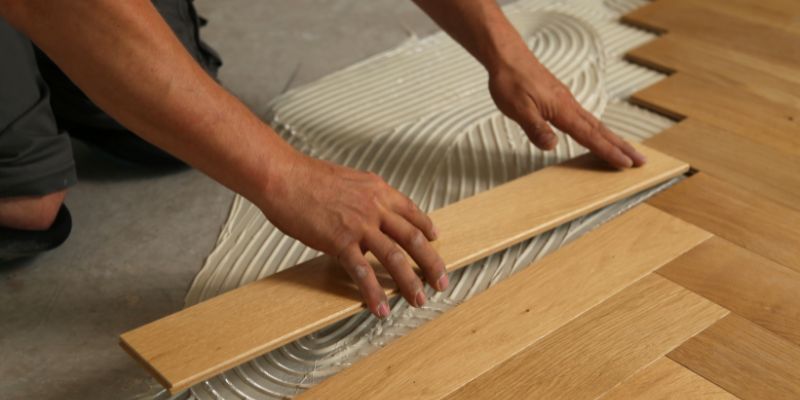
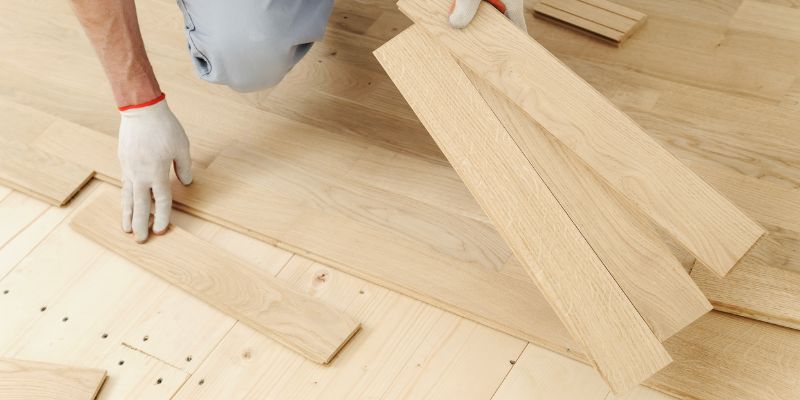
Labor is another big chunk of the price. When I watched a contractor install hardwood in my cousin’s house, I was amazed at the skill involved. It’s not just slapping down planks—it requires precision. Professional installers typically charge $4 to $8 per square foot. This covers laying the wood, cutting planks to fit, and sometimes finishing touches like sanding or sealing.
The complexity of your project affects labor costs. A simple, open room is cheaper to install than one with lots of corners or stairs. For example, a herringbone pattern looks stunning but takes more time and skill, so it might cost $10 to $20 per square foot for labor. In my experience, hiring a pro is worth it for a flawless finish, but it does add up.
Subfloor Preparation and Additional Work
Here’s something I didn’t expect when I first looked into hardwood flooring: the subfloor matters a lot. If your existing floor isn’t level or has damage, you’ll need to fix it before laying hardwood. I helped a neighbor with this, and we had to level her subfloor to avoid creaky floors later. Subfloor prep can cost $1 to $2 per square foot, depending on the work needed.
Other prep work might include removing old flooring, like carpet or tile, which adds $0.50 to $2 per square foot. If you’re dealing with asbestos or other hazardous materials, you’ll need special removal, which can get pricey. Adding a moisture barrier or underlayment for noise reduction might cost $0.25 to $1 per square foot. These extras can sneak up on you, so it’s smart to plan for them.
Finishing and Customization
Finishing is where your floors get their final look. I remember visiting a showroom and seeing how staining and sealing transformed plain wood into something gorgeous. If you choose unfinished hardwood, you’ll need sanding, staining, and sealing after installation, which can cost $3 to $10 per square foot. Staining adds $1 to $2 per square foot if you want a custom color. Prefinished wood skips this step but costs more upfront, around $7 to $20 per square foot.
Custom patterns, like parquet or chevron, also bump up the price. These designs require extra time and skill, so labor costs can double. When I saw a herringbone floor at a friend’s house, I understood why it cost more—it was a showstopper!
Geographic Location and Market Rates
Where you live makes a difference. I noticed this when comparing quotes for a project in rural Ohio versus one in Chicago. Urban areas with higher living costs tend to have pricier labor rates—sometimes $6 to $10 per square foot compared to $4 to $6 in smaller towns. Material costs can also vary based on availability. For example, exotic woods might be harder to find in some regions, driving up the price.
Breaking Down the Total Cost
To give you a clearer picture, let’s look at what a typical project might cost. I’ve put together a table based on my research and conversations with contractors. This assumes a 500-square-foot room, which is a good average for a living room or bedroom.
| Component | Cost Range (per sq ft) | Total for 500 sq ft |
|---|---|---|
| Hardwood Materials | $4 – $12 | $2,000 – $6,000 |
| Labor (Installation) | $4 – $8 | $2,000 – $4,000 |
| Subfloor Preparation | $1 – $2 | $500 – $1,000 |
| Finishing (Sanding, Staining) | $3 – $10 | $1,500 – $5,000 |
| Removal of Old Flooring | $0.50 – $2 | $250 – $1,000 |
| Underlayment/Moisture Barrier | $0.25 – $1 | $125 – $500 |
| Total Estimated Cost | $12.75 – $35 | $6,375 – $17,500 |
This range—$6,375 to $17,500—shows how much prices can vary. A basic oak floor with minimal prep work might lean toward the lower end, while a custom walnut herringbone floor with extensive finishing could hit the higher end.
Solid vs. Engineered Hardwood: Which Affects the Price More?
One question I hear a lot is whether solid or engineered hardwood is cheaper. I wrestled with this when helping my sister choose flooring for her kitchen. Solid hardwood is classic and can be refinished multiple times, lasting 100 years or more. But it’s pricier, with installation costs ranging from $11 to $25 per square foot, including materials and labor.
Engineered hardwood is often more budget-friendly, costing $8 to $20 per square foot installed. It’s also better for humid areas like basements because it resists warping. However, it can only be refinished a few times due to its thinner top layer. I usually recommend engineered wood for folks on a tighter budget or those in moist climates, but solid wood is great if you want a long-term investment.
Hidden Costs to Watch Out For
I’ve learned the hard way that there are always hidden costs. When I helped a friend renovate his condo, we got hit with unexpected expenses. Here are some to keep in mind:
- Furniture Moving: Moving furniture yourself saves money, but hiring pros can cost $100 to $500, depending on the job.
- Trimming Doors or Baseboards: If your new floor raises the height, you might need to adjust doors or baseboards, adding $100 to $300.
- Waste and Overage: Contractors often order 10% extra material to cover mistakes or cuts. For a 500-square-foot room, that’s an extra $200 to $600.
- Permits or Inspections: Some areas require permits for flooring projects, especially in condos or historic homes. These can cost $50 to $200.
How to Save Money on Hardwood Flooring
I’m always looking for ways to stretch a budget, and I’ve picked up some tricks over the years. Here are my favorite ways to save on hardwood flooring without sacrificing quality:
- Shop Around: I once saved a friend $500 by comparing quotes from three contractors. Get at least three estimates to find the best deal.
- Choose Domestic Woods: Oak and maple are cheaper than exotic woods and still look great. I’ve seen stunning oak floors that rival pricier options.
- DIY Prep Work: Removing old carpet or furniture yourself can cut costs. Just make sure you don’t damage the subfloor.
- Buy in Bulk: If you’re flooring multiple rooms, buying materials in bulk can lower the per-square-foot price.
- Consider Prefinished Wood: It’s more expensive upfront but saves on finishing costs. I helped a neighbor choose prefinished maple, and it streamlined the whole process.
Why Hardwood Flooring Is Worth the Investment
I’ve seen firsthand how hardwood floors can transform a home. They’re not just beautiful—they’re a smart investment. A friend of mine sold her house last year, and the realtor said the hardwood floors helped her recoup 118% of the installation cost. That’s huge! Hardwood is durable, easy to clean, and appeals to buyers if you ever sell. It’s one of those upgrades that feels good now and pays off later.
Tips for Choosing the Right Contractor
Finding a good contractor is key to keeping costs in check and getting a great result. I’ve dealt with my share of flaky contractors, so here’s what I look for:
- Experience: Choose someone with a proven track record in hardwood installation. Ask for photos of past projects.
- References: Talk to previous clients to make sure they were happy with the work.
- Detailed Quotes: A good contractor breaks down costs clearly—materials, labor, everything. Vague quotes are a red flag.
- Licenses and Insurance: Make sure they’re licensed and insured to avoid liability if something goes wrong.
When I helped my brother hire a contractor, we found one who offered a warranty on the work. That gave us peace of mind knowing any issues would be fixed at no extra cost.
Maintenance Costs After Installation
Once your floors are in, you’ll want to keep them looking great. I learned this after installing hardwood in my own home. Regular cleaning with a wood-safe cleaner costs about $10 to $20 per month. Every 5 to 10 years, you might need to refinish the floors, which runs $3 to $8 per square foot. It’s not cheap, but it’s way less than replacing the floor.
My Personal Take on Hardwood Flooring Costs
After all my research and hands-on experience, I believe hardwood flooring is one of the best upgrades you can make. Yes, the price for laying hardwood flooring can feel steep—anywhere from $6 to $35 per square foot, depending on your choices. But the beauty, durability, and value it adds to your home make it worth it. I’ve seen tired, dated rooms come to life with gleaming wood floors. It’s like giving your home a warm hug.
If you’re on a tight budget, start small. Maybe do one room now and save up for more later. Or go for engineered wood to get the look for less. Whatever you choose, plan carefully, get multiple quotes, and don’t skip the prep work. It’ll save you headaches down the road.
Conclusion
I hope this guide has made the price for laying hardwood flooring feel less daunting. It’s a big project, but it’s also an exciting one. You’re not just installing floors—you’re creating a space you’ll love for years. From picking the right wood to finding a skilled contractor, every step matters. Take your time, budget wisely, and don’t be afraid to ask questions. If you’re ready to transform your home, hardwood flooring is a fantastic way to do it. Let me know if you have any questions—I’m happy to help you get started on this journey!
Frequently Asked Questions
How Much Does It Cost to Lay Hardwood Flooring?
The cost to lay hardwood flooring typically ranges from $6 to $35 per square foot, including materials and labor. For a 500-square-foot room, that’s about $3,000 to $17,500. The price depends on the wood type, labor rates, and prep work needed.
Is Solid Hardwood More Expensive Than Engineered Hardwood?
Yes, solid hardwood is usually pricier, costing $11 to $25 per square foot installed, compared to $8 to $20 for engineered hardwood. Solid wood lasts longer and can be refinished more times, but engineered wood is more budget-friendly and moisture-resistant.
Can I Save Money by Installing Hardwood Floors Myself?
You can save on labor costs by doing it yourself, but it’s tricky. Professional installation costs $4 to $8 per square foot, while DIY only costs you materials and tools. However, mistakes can be costly, so unless you’re experienced, I recommend hiring a pro.
How Long Does It Take to Install Hardwood Flooring?
Installation usually takes 1 to 3 days for a 500-square-foot room, depending on the complexity. Prep work, like removing old flooring or leveling the subfloor, can add a day or two. Custom patterns like herringbone take longer.
Do Hardwood Floors Increase Home Value?
Absolutely! Hardwood floors can boost your home’s value. Studies show you might recoup 118% of the installation cost when selling your home. They’re durable, attractive, and a big draw for buyers.
How Often Do Hardwood Floors Need Maintenance?
Regular cleaning with a wood-safe cleaner is enough for daily upkeep. Every 5 to 10 years, you may need to refinish the floors, which costs $3 to $8 per square foot. This keeps them looking fresh and extends their life.