Remove Pee Stain from Wood Floor: Quick & Easy Fixes
To remove a pee stain from a wood floor, first blot the area with paper towels to absorb moisture. Then, clean the spot using a mixture of vinegar and water.
Wood floors can be beautiful but require special care, especially when dealing with pet accidents. Urine stains can penetrate the wood, causing discoloration and odor if not treated promptly. A quick response is essential to protect your investment and maintain the floor’s appearance.
Using household items like vinegar, baking soda, and warm water can effectively eliminate these stains. Proper cleaning techniques not only remove stains but also prevent long-term damage. With the right approach, you can restore your wood floor to its original glory, ensuring a clean and inviting home environment.
Introduction To Pee Stains On Wood Floors
Pee stains on wood floors can be tough to remove. Wood is porous, which means it can absorb liquids easily. This can lead to lingering odors and discoloration. Immediate action is crucial for the best results.
Start by blotting the stain with a clean cloth. Avoid rubbing, as this can spread the stain. Use a mixture of water and mild soap to clean the area gently. Rinse with clean water and dry thoroughly.
For stubborn stains, consider using a vinegar solution. Mix equal parts of white vinegar and water. Apply it to the stain and let it sit for a few minutes. Then, wipe it away with a dry cloth.

Identifying The Type Of Wood And Finish
Identifying the type of wood is important for effective cleaning. Different woods require different strategies. For example, oak and pine can react differently to cleaning products.
The finish of the wood also affects cleaning methods. Varnished wood is easier to clean than unvarnished wood. Varnished surfaces resist stains better and can handle stronger cleaners.
Unvarnished wood absorbs stains more deeply. Use gentle cleaners and test them first on a hidden area. Always follow the grain of the wood when cleaning.
Initial Cleaning: Removing Surface Liquid
Start by using a clean, dry cloth to blot the area. Press down firmly to absorb as much liquid as possible. Avoid rubbing, as it can push the stain deeper into the wood.
Change the cloth frequently to ensure you are removing the stain effectively. Use a light touch to avoid damaging the wood’s finish.
Common mistakes include using too much water or cleaning solution. This can cause further damage to your wood floor. Always test any cleaning product in a small area first.
Natural Solutions For Stain Removal
To remove pee stains from wood floors, try a vinegar and water mix. Combine equal parts of white vinegar and water in a spray bottle. Spray the solution directly onto the stain. Let it sit for a few minutes. Wipe the area with a clean cloth.
Another effective method is using baking soda. Sprinkle a generous amount of baking soda over the stain. Dampen the area slightly with water. Gently scrub with a soft cloth. Rinse the cloth and wipe the spot again.
Both methods are safe for your wood floors. They help eliminate odors and stains naturally. Always test on a small area first to avoid damage.
Commercial Cleaners: What Works Best
Choosing the right product is key for removing pee stains from wood floors. Look for enzymatic cleaners that break down odors and stains. These cleaners are often safe for wood surfaces.
Read the label carefully. Ensure the product is suitable for your floor type. Test the cleaner in a small, hidden area before use. This will prevent any damage to the finish.
Application tips include:
- Blot the stain with a paper towel first.
- Apply the cleaner directly to the stain.
- Use a soft cloth to gently scrub.
- Let it sit for the recommended time.
- Rinse with water and dry thoroughly.
Deeper Stains: Sanding And Refinishing
Deeper stains on wood floors often require sanding. This method removes the stain and damaged wood. Sanding can restore the floor’s original look. It is best to sand when the stain is dark or large.
Refinishing essentials include tools and materials. A sander is crucial for effective sanding. Use a fine-grit sandpaper for best results. After sanding, clean the area thoroughly to remove dust.
Apply a wood finish to protect the floor. Choose a finish that matches your floor’s color. Allow the finish to dry completely before walking on it.
Preventing Future Stains
To prevent future stains, set up some protective measures for your wood floor. Use waterproof mats in areas where your pets frequent. This helps catch any spills or accidents.
Training pets is essential. Teach them to go outside for bathroom breaks. Reward them with treats when they do it right. Consistent training builds good habits.
Keep a close eye on your pets indoors. If they seem restless, take them outside. This will help avoid accidents on your precious floors.
Professional Help: When To Call In The Experts
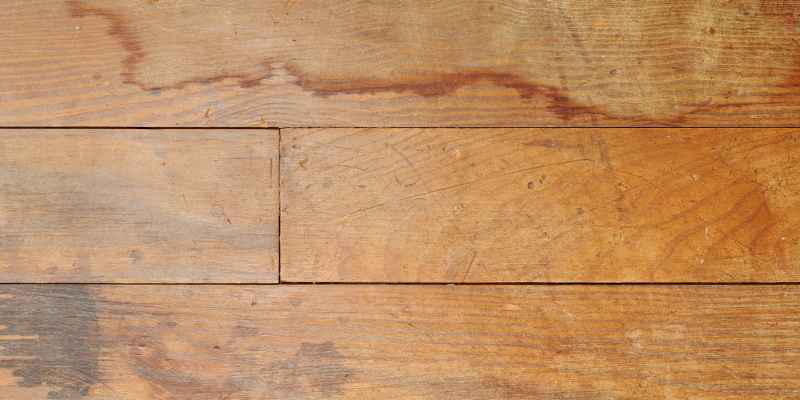
Assessing the damage is the first step. Check the wood floor for any signs of staining or warping. Look for changes in color or texture. If the stain is deep, it may need professional help.
Finding a reputable service is crucial. Ask friends or family for recommendations. Check online reviews to find trusted professionals. Always request quotes from multiple services. This ensures you get the best price and quality. Confirm their experience with wood floors.
Conclusion: Maintaining Pristine Wood Floors
Regular upkeep keeps your wood floors looking great. A simple cleaning routine is essential. Wipe spills immediately to prevent stains. Pee stains can damage the finish of your floor. Always use a gentle cleaner for best results.
Immediate attention to accidents can save your floors. Blot the area with a soft cloth. Avoid scrubbing, as it may cause scratches. Consider using a mixture of vinegar and water for cleaning. This helps to neutralize odors and remove stains.
Check your floors regularly for any signs of damage. Repairing small issues early can prevent bigger problems later. Keeping your wood floors in top shape requires minimal effort.
Frequently Asked Questions
How To Clean Pee Stains From Wood Floors?
To clean pee stains from wood floors, start by blotting the area with paper towels. Use a mixture of water and vinegar to gently clean the stain. Rinse with clean water and dry thoroughly. For tough stains, consider using a wood floor cleaner specifically designed for pet stains.
What Removes Pet Urine Odor From Wood?
To remove pet urine odor, sprinkle baking soda on the affected area after cleaning. Allow it to sit for several hours or overnight. Vacuum the area to remove the baking soda. You can also use an enzyme-based cleaner to neutralize odors effectively.
Can You Use Bleach On Wood Floors?
No, you should not use bleach on wood floors. Bleach can damage the finish and discolor the wood. Instead, opt for a mild soap and water solution for cleaning. Always test any cleaner in an inconspicuous area before applying it to the stain.
Will Vinegar Harm My Wood Floors?
Vinegar can harm wood floors if used in excess. It may strip the finish and cause dullness. However, when diluted properly, it can help clean and deodorize. Always rinse the area afterward and dry it to prevent any damage.
Conclusion
Removing pee stains from wood floors doesn’t have to be a daunting task. With the right techniques and products, you can restore your floor’s beauty. Regular maintenance and quick action can prevent lasting damage. Keep your wood floors clean and fresh, ensuring a welcoming environment for everyone in your home.