Beige Wood Flooring: Which Wood Species and Stains Actually Read Beige
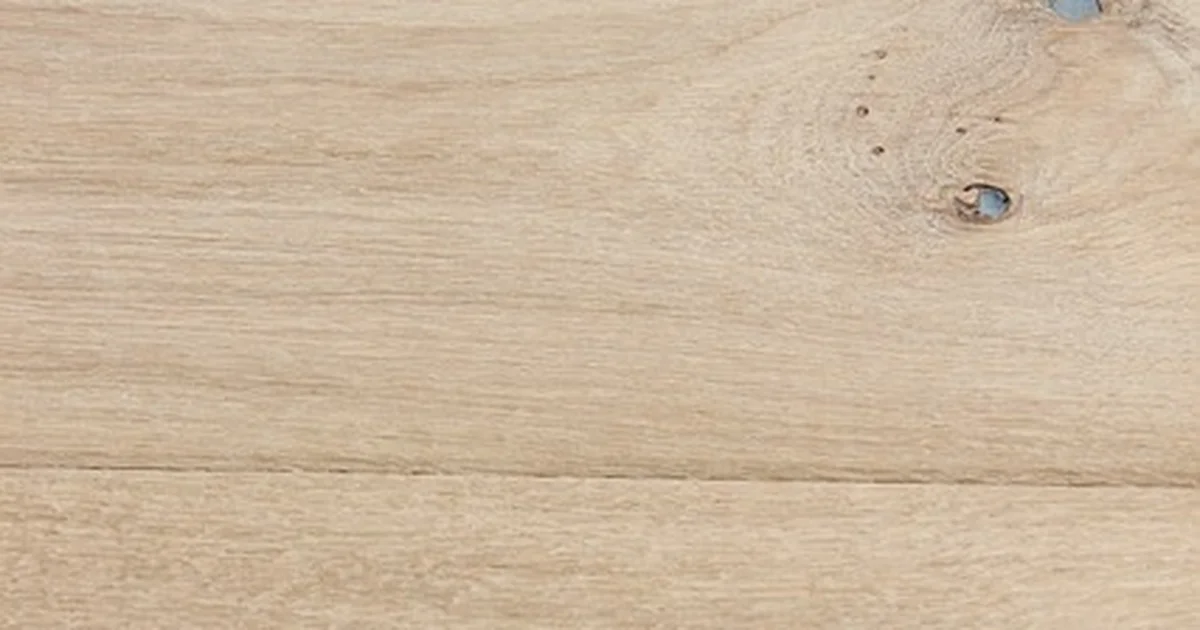
Beige wood flooring comes from either a naturally light, low-red wood species like white oak or ash, or from a stain formulated specifically for a beige or gray-beige tone. Species with a warmer undertone, like red oak or hickory, need the right stain to avoid drifting orange instead of beige.
The tricky part of “beige” flooring is that the word means different things depending on the wood underneath it. A stain that reads as a clean, neutral beige on white oak can look distinctly orange or pink on red oak, because you’re not just choosing a color — you’re choosing a color on top of whatever undertone the wood already has. Getting an actually-beige result means accounting for both.
Getting an Actual Beige Tone (Not Orange or Gray)
Best Pick For A True Beige Floor Tone
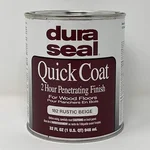 |
DuraSeal Quick Coat Rustic Beige Stain, Quart – $33.99 A professional floor-refinishing stain named and formulated specifically for a true beige tone — no guessing whether a generic “natural” or “honey” stain will read warm-orange instead.
|
White oak and ash are the easiest starting points for a true beige floor because their natural undertone is already gray-beige rather than warm orange. Maple works too, though it’s a harder, more closed-grain wood that takes stain less evenly, so a lighter, more even hand with the applicator matters more. If you’re working with red oak or hickory, budget for a stain specifically formulated to counteract their natural warmth — a generic “natural” or “honey” stain will often drift orange on those species rather than reading beige.
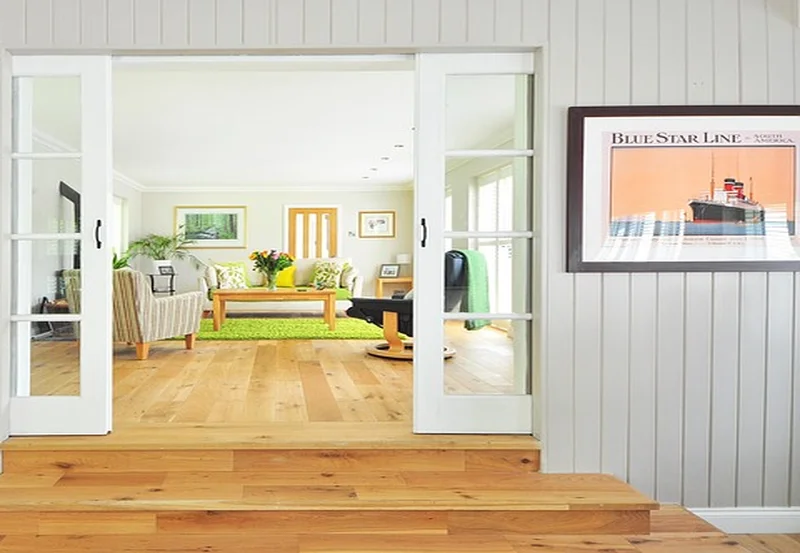
New Flooring vs. Refinishing to Beige
If you’re buying new flooring, engineered hardwood and solid hardwood in white oak or ash are both readily available pre-finished in beige and gray-beige tones from national retailers like The Home Depot, Lowe’s, and Floor & Decor — ask to see the plank in person under your own lighting before ordering, since beige tones shift noticeably between warm and cool lightbulbs. If you already have light hardwood floors and just want a different tone, sanding down to bare wood and refinishing with a beige-formulated stain is usually far cheaper than replacing the floor, as long as the existing wood is a low-red species to start with.
Test Before You Commit
Whether you’re choosing a pre-finished plank or a stain for refinishing, test it on an actual scrap of the same wood species in the room where it’ll live, not just on a paint chip or a sample photo online. Beige shifts warmer under incandescent and warm-LED lighting and cooler under daylight-temperature bulbs, so a stain that looks perfectly neutral in a showroom can read slightly yellow or slightly gray once it’s under your own lights.
Why Choose Beige Over Darker Tones
- Reflects more light: a beige floor bounces more ambient light around a room than a dark stain, which helps smaller rooms feel larger.
- Hides everyday dust: light floors show less contrast against dust and light scuffing between cleanings than very dark floors do.
- Pairs with more furniture colors: a neutral beige works with both warm wood tones and cooler gray or white furniture, unlike a strongly orange or strongly gray floor that can clash with one or the other.
Frequently Asked Questions
What Wood Species Gives The Most Beige Flooring Tone?
White oak and ash naturally lean beige-gray rather than orange, which makes them the easiest species to keep genuinely beige even with just a clear or lightly tinted finish. Red oak and hickory tend to pull warmer and pinker, so they need a stain formulated to counteract that undertone if you want a true beige result.
Will A Stain Labeled ‘Natural’ Or ‘Honey’ Look Beige?
Not always. Those names vary by manufacturer, and on a warm-toned wood like red oak, a ‘natural’ or ‘honey’ stain can still read amber or orange rather than beige. A stain specifically formulated and named for a beige or gray-beige result, tested on a scrap piece of your actual flooring first, is the more reliable way to know what you’ll get.
Should Flooring Be Lighter Or Darker Than The Furniture?
There’s no fixed rule, but a few shades of contrast in either direction reads better than a near-exact match, which can make a room look flat. Beige flooring specifically tends to work well slightly lighter than the furniture, since it reflects more light and helps a room feel larger.
Do Beige Wood Floors Show Dust More Than Dark Floors?
Less, generally. Light and beige-toned floors are known for hiding everyday dust and light scuffs better than very dark stains, which show every footprint and speck of dust against the contrast. Beige floors still need regular cleaning, but they’re more forgiving between cleanings.
Can You Get A Beige Tone By Refinishing Existing Hardwood?
Yes, if the existing floor is white oak, ash, or another light species with minimal red undertone. Sanding down to bare wood and applying a beige-formulated stain like the one above is usually cheaper than replacing the floor, though very dark or heavily red-toned existing floors may need extra prep to neutralize the undertone first.
Conclusion
A genuinely beige floor comes down to matching the stain to the wood’s own undertone, not just picking a color that looks beige in a photo. Start with a low-red species like white oak or ash if you have the choice, use a stain formulated specifically for a beige result on warmer woods, and always test on an actual scrap under your own room’s lighting before committing to a full floor.
Sponsored / affiliate links. As an Amazon Associate I earn from qualifying purchases. I may earn additional commission from eligible campaigns.
 East West Furniture SP-7HH02 Sango Premier Engineered Hardwood Flooring - European Oak - 1/2 in x 7 in x Random Length Handscraped, 26.24 sqft/box, Special Walnut
 East West Furniture SP-5HH05 Sango Premier Engineered Hardwood Flooring - European Oak - 1/2 in x 7 in x Random Length Handscraped, 26.24 sqft/box, Shadow Grey