Remove Scratches Hardwood Floor: Easy DIY Fixes That Work Fast
Are scratches on your hardwood floor catching your eye every time you walk into the room? You don’t have to live with those marks that dull the beauty of your floors.
Imagine restoring your hardwood to its original shine without spending a fortune or hiring a pro. You’ll discover simple, effective ways to remove scratches from your hardwood floor. Keep reading, and you’ll learn easy steps that anyone can follow to bring back that smooth, flawless look you want for your home.
Identify Scratch Types
Understanding the type of scratch on your hardwood floor is important for proper repair. Different scratches need different treatments. Identifying the scratch type helps you choose the right method and products. It also saves time and effort. Let’s explore common types of scratches you may find on hardwood floors.
Surface Scratches
Surface scratches are light marks on the finish layer. They usually do not reach the wood itself. These scratches often look like faint lines or scuffs. They happen from small objects or dirt rubbing on the floor. Surface scratches can often be fixed with simple cleaning or polishing.
Deep Gouges
Deep gouges cut into the wood beneath the finish. They are caused by heavy or sharp items hitting the floor. These scratches are wide and noticeable. Deep gouges may expose raw wood and need filling or sanding. Repairing them requires more care than surface scratches.
Pet Damage
Pets can leave scratches from their claws. These marks vary in depth and length. Pet damage often appears as several small scratches grouped together. Regular nail trimming and protective mats can help prevent this damage. Repair may need special products suited for pet scratches.
Gather Essential Tools
Gathering the right tools is the first step to remove scratches from hardwood floors. Having everything ready makes the process smoother and faster. You need different items for cleaning, repairing, and finishing the floor. Each tool plays a key role to bring back your floor’s shine and smoothness.
Cleaning Supplies
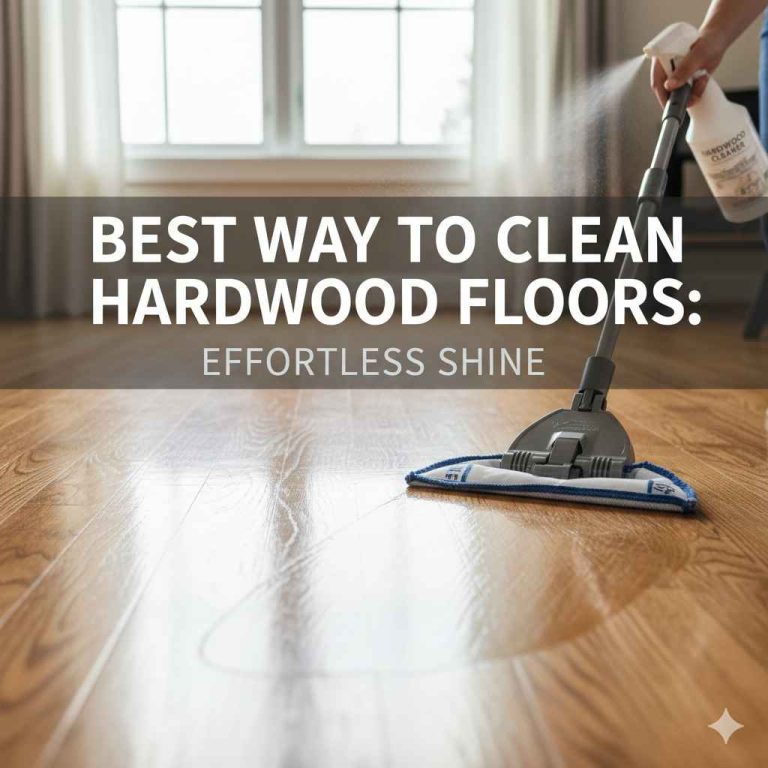
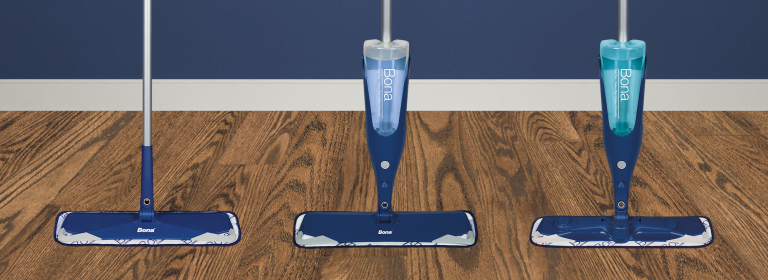
Start with cleaning supplies to prepare the floor surface. A soft broom or vacuum removes dust and dirt. Use a damp mop with mild wood cleaner for a clean base. Avoid soaking the floor with water. Clean floors help spot scratches better and improve repair results.
Repair Kits
Repair kits contain materials to fill and hide scratches. These kits usually include wood filler, putty knives, and touch-up markers. Pick a filler that matches your floor color. Use the putty knife to apply filler smoothly. Markers help blend repairs with the wood grain. Kits make scratches less visible and restore floor beauty.
Finishing Products
Finishing products protect and shine the repaired floor. Choose products like wood polish, wax, or polyurethane. These add a layer to seal repairs and prevent new damage. Apply polish or wax with a soft cloth. For deep repairs, use polyurethane for a strong finish. Finishing touches improve the floor’s look and durability.
Clean The Damaged Area
Cleaning the damaged area is the first step to fix scratches on hardwood floors. Dirt and dust can hide the scratch and stop repair products from working well. A clean surface helps the repair blend smoothly and last longer.
Spend time on this step. It makes a big difference in the final look of your floor. Follow simple actions to get the area ready for repair.
Remove Dirt And Debris
Use a soft broom or vacuum to clear loose dirt and dust. Avoid using a vacuum with a beater bar to prevent more scratches. Next, wipe the spot with a damp cloth. Choose a cloth that won’t leave lint behind. Let the area dry completely before moving on.
Prepare For Repair
Check the scratch carefully. Remove any loose wood fibers with fine sandpaper or a soft brush. Clean away sanding dust with a dry cloth. Make sure the surface is smooth and dry. This helps repair materials stick better. Avoid using harsh chemicals that can damage the wood further.
Fix Surface Scratches
Surface scratches on hardwood floors are common and easy to fix. These marks only affect the top layer and do not damage the wood deeply. Fixing them helps keep your floor looking new and shiny. Simple tools and products can hide or remove these scratches fast. Here are three effective ways to fix surface scratches on hardwood floors.
Use Wood Markers
Wood markers match the color of your floor. They fill in scratches and make them less visible. Choose a marker close to your floor’s shade. Apply it directly on the scratch. Let it dry for a few minutes. Wipe off any extra with a soft cloth. This method works best for small and shallow scratches.
Apply Wax Sticks
Wax sticks come in different wood tones. Rub the stick over the scratch gently. The wax fills the scratch and blends with the floor. Use a plastic scraper to smooth the wax. Remove any excess with a cloth. Wax sticks also add a layer of protection to your floor’s surface.
Buffing Techniques
Buffing helps blend scratches with the rest of the floor. Use a soft cloth or a buffing pad. Rub the scratched area in a circular motion. Apply light pressure to avoid more damage. Buffing smooths the surface and reduces the scratch’s visibility. Finish by wiping the floor clean with a dry cloth.
Repair Deep Scratches
Deep scratches on hardwood floors can be very noticeable. They damage the wood and ruin the floor’s smooth look. Repairing these scratches helps bring back the floor’s beauty and protects it from further damage. Follow these simple steps to fix deep scratches yourself.
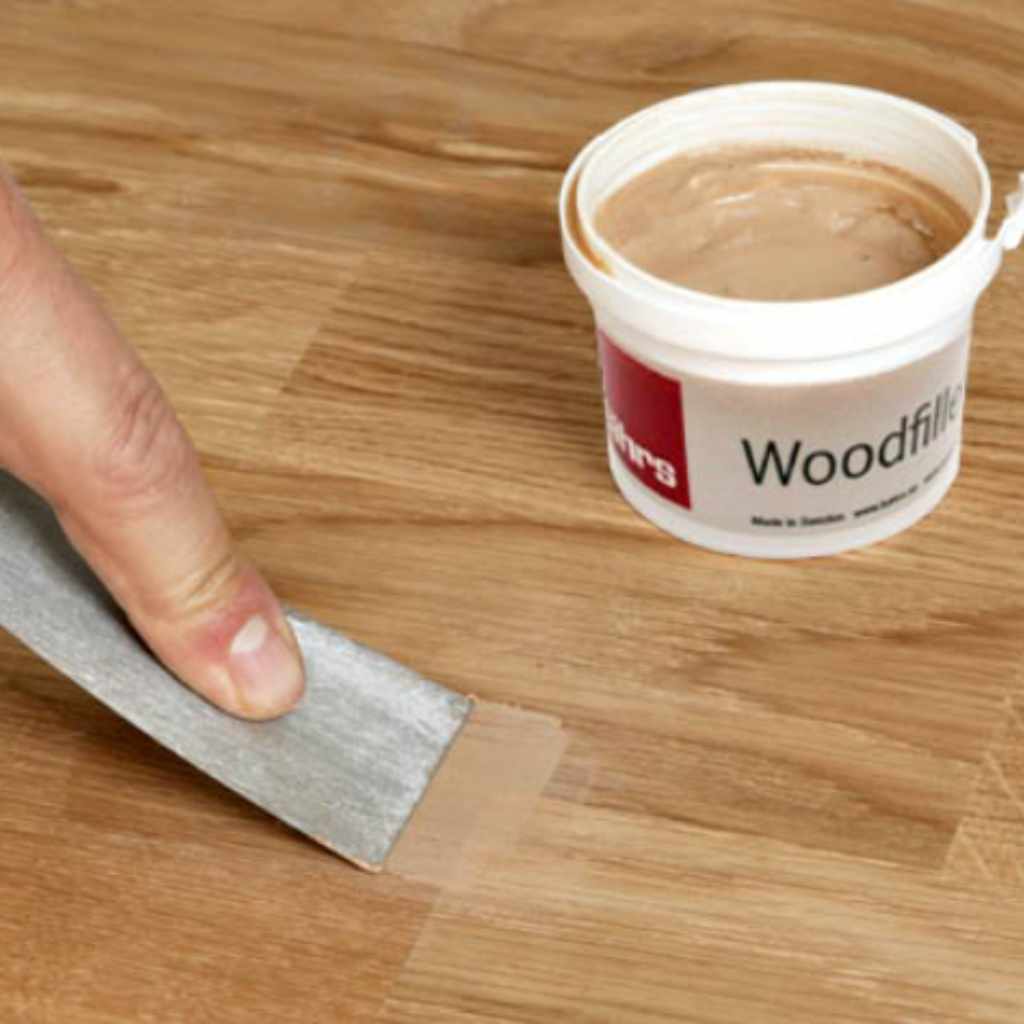
Fill With Wood Filler
Choose a wood filler that matches your floor color. Apply it directly into the scratch using a putty knife. Press the filler firmly to fill the entire scratch. Remove any extra filler around the area. Let the filler dry completely before moving to the next step.
Sand And Smooth
Use fine-grit sandpaper to smooth the filled area. Sand gently until the surface is level with the floor. This step removes rough edges and excess filler. Wipe away dust with a clean cloth. Smoothness helps the repair blend in with the rest of the floor.
Stain Matching Tips
Pick a stain that matches your floor’s original color. Test the stain on a small hidden spot first. Apply the stain in thin layers using a soft cloth or brush. Let each layer dry before adding another. This builds color gradually and avoids dark spots. Blend the stained area to match surrounding wood.
Handle Pet Scratches
Pets bring joy but can leave scratches on hardwood floors. Handling these scratches fast keeps floors looking good. Treat small marks differently from deep gouges. Understanding the damage helps choose the right fix. Use the right products to protect and restore your floor’s beauty. Simple care can make a big difference.
Assess Damage
Check the scratches closely. Are they light or deep? Light scratches only affect the finish. Deep scratches cut into the wood. Clean the area before examining it. Dirt can hide the true damage. Use a soft cloth and gentle cleaner. This step helps see the problem clearly. Knowing the depth guides your repair method.
Use Specialized Products
Choose products made for hardwood floors. Scratch removers and wood fillers work well. For light scratches, use a scratch repair pen. It blends color and hides marks. For deeper scratches, wood putty fills gaps. Apply with a small spatula and let dry. Finish by sanding lightly and applying finish. Avoid harsh chemicals that can damage wood. Follow product instructions carefully for best results.
Apply Protective Finish
Applying a protective finish is a key step in removing scratches from hardwood floors. It seals the wood and stops future damage. A good finish also brings out the natural beauty of the floor. This step helps your floor last longer and look great.
Choose The Right Finish
Select a finish that suits your floor type and lifestyle. Polyurethane is tough and good for high-traffic areas. Water-based finishes dry fast and have low odor. Oil-based finishes give a rich color but take longer to dry. Pick a finish that matches your needs and the look you want.
Application Methods
Apply the finish with a brush, roller, or cloth. Use smooth, even strokes to avoid bubbles and streaks. Work in small sections to keep the finish fresh and wet. Let each coat dry completely before adding another. Follow the instructions on the product label for best results.
Prevent Future Scratches
Preventing scratches on hardwood floors keeps them looking new longer. Taking simple steps stops damage before it starts. Protect your investment with easy daily habits.
Use Rugs And Pads
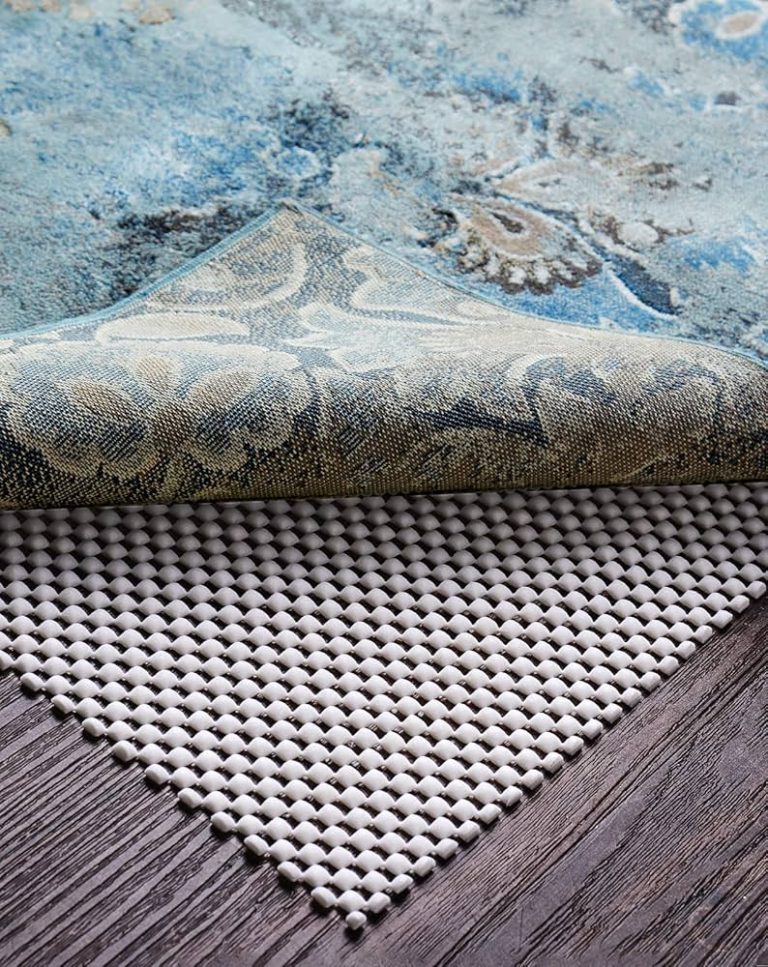
Place rugs in high-traffic areas to reduce wear. Use soft pads under furniture legs to prevent scratches. Choose non-slip rugs to keep them in place. Rugs act as a barrier between shoes and floors.
Maintain Flooring Regularly
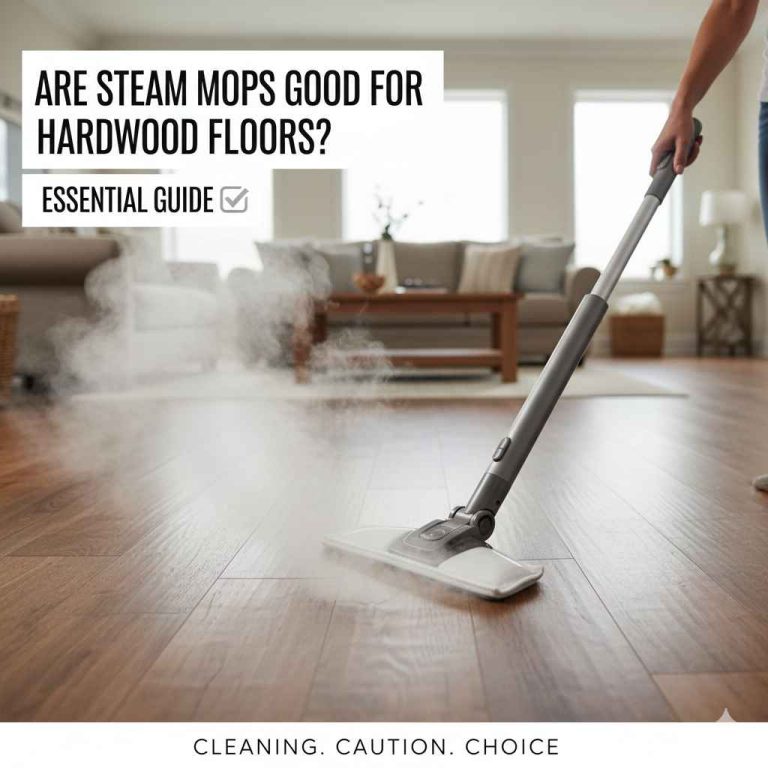
Clean floors often to remove dirt and grit that cause scratches. Use a soft broom or vacuum with a floor attachment. Avoid harsh cleaners that can damage the finish. Wipe up spills quickly to prevent stains and damage.
Furniture Protection Tips
Lift furniture when moving it instead of dragging. Use felt pads or rubber caps on chair and table legs. Check pads regularly and replace when worn out. This simple step saves floors from deep scratches.
Frequently Asked Questions
How Do I Remove Light Scratches From Hardwood Floors?
Light scratches can be removed using a wood stain marker or a mixture of vinegar and olive oil. Apply gently with a soft cloth and buff to blend the scratch with surrounding wood.
What Is The Best Product For Deep Hardwood Floor Scratches?
For deep scratches, use a wood filler or putty matching your floor color. After drying, sand lightly and apply a matching finish to restore the floor’s appearance.
Can Diy Methods Fix Hardwood Floor Scratches Effectively?
Yes, DIY methods like using toothpaste, baking soda, or walnut oil can help with minor scratches. However, severe damage may require professional repair for best results.
How Often Should Hardwood Floors Be Polished To Prevent Scratches?
Polish hardwood floors every 2-3 months to maintain shine and protect against scratches. Regular polishing fills minor imperfections and adds a protective layer.
Conclusion
Removing scratches from hardwood floors can bring back their natural shine. Small scratches often fix with simple tools at home. Deep scratches might need special products or professional help. Regular care keeps floors looking fresh and smooth. Avoid harsh chemicals that can damage wood.
Clean spills quickly to prevent stains or warping. Taking time to fix scratches saves money later. Your floor will look beautiful and last longer. Easy steps make a big difference in floor care. Keep your hardwood floor a lovely part of your home.