Why Choose a Hardwood Floor for Your Laundry Room?
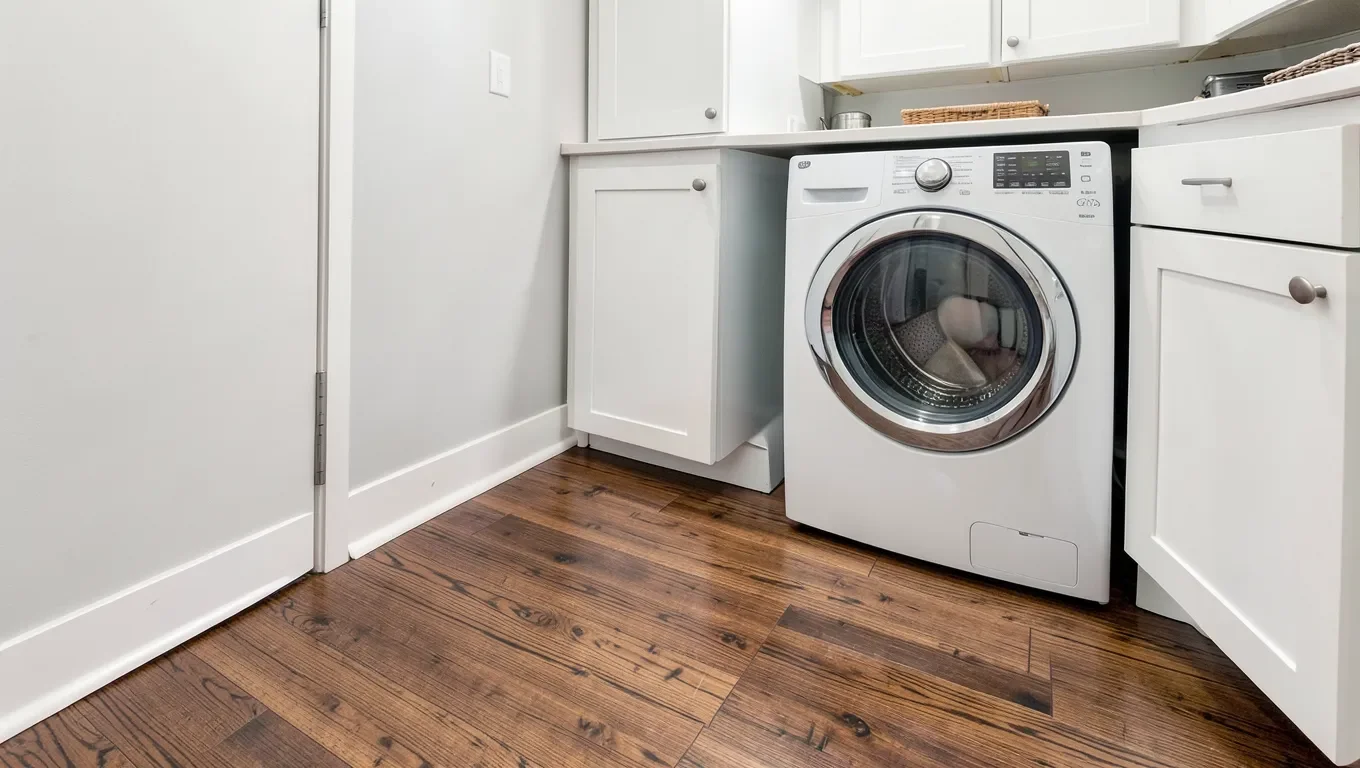
Hardwood can work in a laundry room, but most flooring professionals recommend engineered hardwood over solid hardwood there specifically, and a water leak detector under the washer is a genuinely important precaution most guides skip. A laundry room carries a distinct risk that a living room or bedroom doesn’t: a supply-line or hose failure behind the washer can leak slowly and invisibly for days before anyone notices, unlike an occasional visible spill.
Solid Vs. Engineered Hardwood For A Laundry Room
Best Water Leak Detector
 |
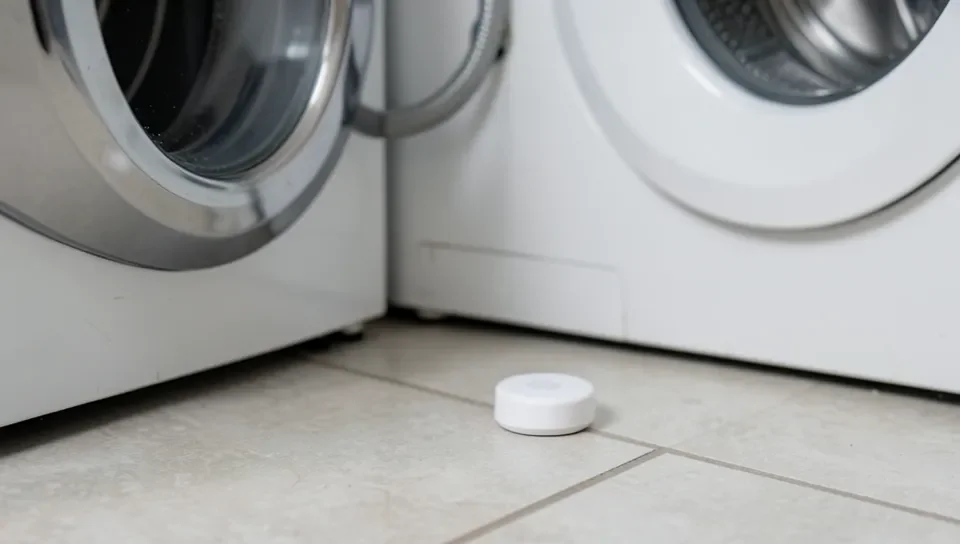
Zircon Leak Alert Water Leak Detector (2-Pack) – from $29.99 Catches the slow, hidden supply-line leak that’s the real threat to hardwood in a laundry room.
|
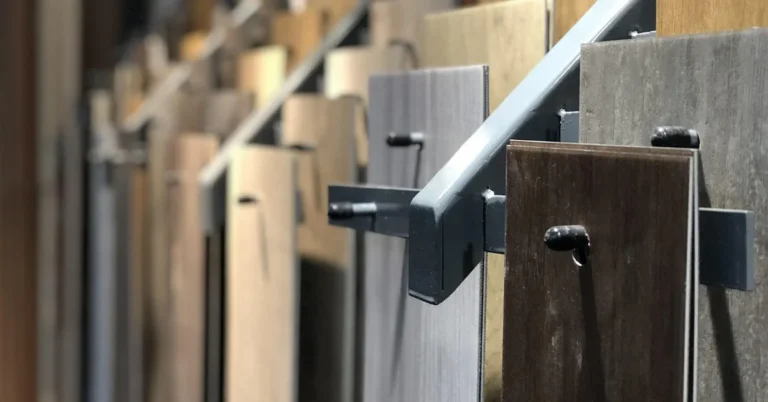
- Solid hardwood: A single piece of wood, refinishable multiple times, but its solid-wood structure absorbs and swells with sustained moisture more readily than engineered hardwood – most flooring professionals advise against it in laundry rooms specifically.
- Engineered hardwood: A real hardwood veneer over a plywood or high-density fiberboard core, cross-layered for stability. It handles humidity swings better than solid wood and is the option most pros actually recommend if you want a wood look in a laundry room.
- The honest alternative: If leak risk is a real concern for your situation (an upstairs laundry room, an older supply line, a finished space below), waterproof luxury vinyl plank gives a convincing wood look with genuine water tolerance that no hardwood – solid or engineered – can match.
The Real Risk: Slow, Invisible Leaks – Not Occasional Splashes
A washing machine supply hose or drain line failure is a genuinely different risk profile than a splashed detergent cup. A worn rubber supply hose can develop a pinhole leak that drips steadily behind the machine, hidden from view, for days or weeks – by the time it’s visible on the floor surface, water has often already reached the subfloor. This is the single biggest reason laundry rooms are treated more cautiously than other rooms for solid hardwood specifically.
- Inspect supply hoses annually and replace rubber hoses with braided stainless steel ones, which resist bursting far better.
- Install a leak detector directly behind or under the washer – a genuinely low-cost, high-value precaution given what a hidden slow leak can do to a wood floor and subfloor.
- Consider a drain pan under the washer, especially for an upstairs or over-a-finished-space laundry room.
Subfloor Preparation
- Check subfloor moisture with a moisture meter before installation – above roughly 12% moisture content is a red flag requiring investigation before any hardwood goes down.
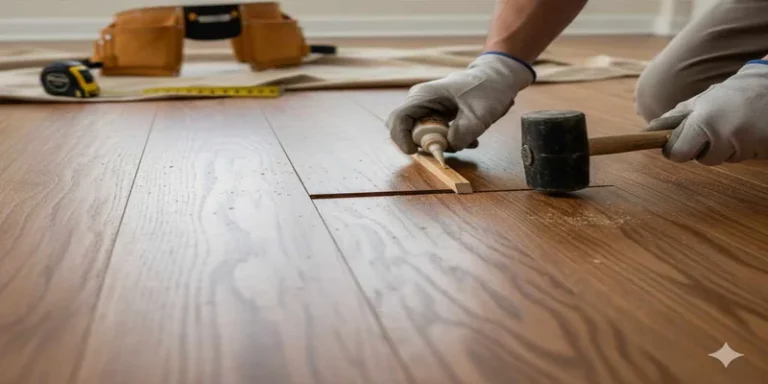
- Level the subfloor – uneven spots cause gaps and creaking under a hardwood floor over time.
- Acclimate the wood to the room’s temperature and humidity for the manufacturer’s recommended period (commonly several days to a week) before installation, to reduce post-install movement.
Protecting The Floor Day To Day
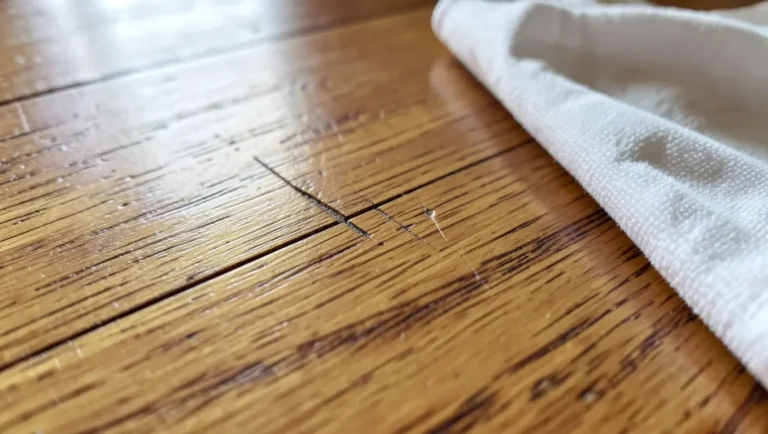
- Seal properly: A quality water-based polyurethane finish, applied per the manufacturer’s recommended coat count, is the floor’s first line of defense against everyday moisture.
- Wipe up spills immediately – standing water is genuinely the top cause of hardwood floor damage, and this matters more in a laundry room than almost anywhere else in the house.
- Use felt pads under laundry baskets and any furniture, and a washable mat under and in front of the machines to catch minor drips.
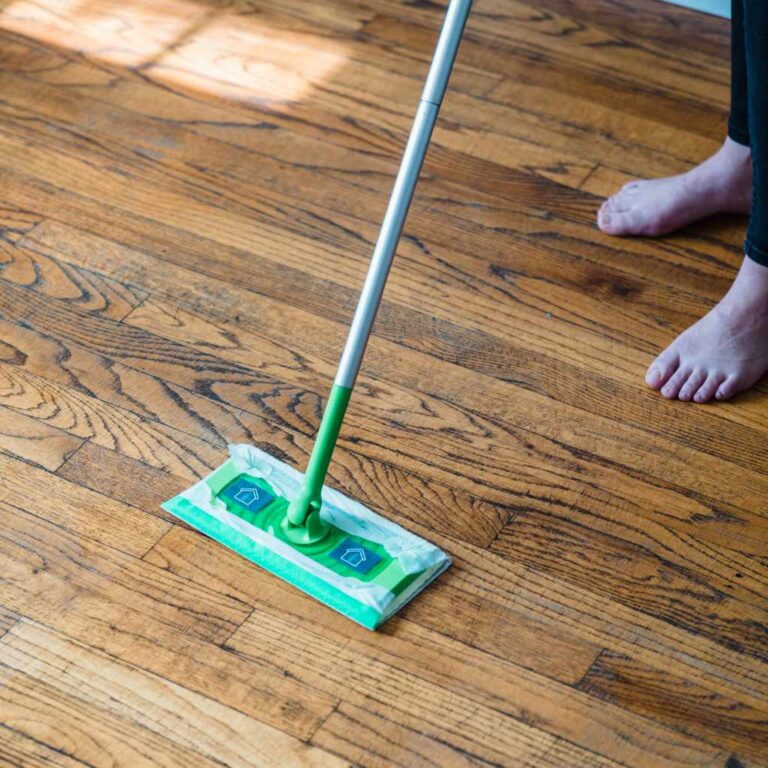
- Clean with a barely-damp mop, never a soaking one, and a hardwood-safe cleaner rather than an all-purpose one.
Cost Considerations
- Solid hardwood: Roughly $5-$12 per square foot for material, plus $3-$5 per square foot for professional installation.
- Engineered hardwood: Roughly $3-$9 per square foot for material, typically easier and cheaper to install than solid wood.
- Extras: Budget for underlayment, adhesive or fasteners, and finish/sealant on top of the base material cost.
Frequently Asked Questions
Can A Hardwood Floor Handle Laundry Room Moisture?
Engineered hardwood handles typical laundry room humidity reasonably well when properly sealed and spills are wiped up promptly. Solid hardwood is more vulnerable to sustained moisture, which is why most flooring professionals lean toward engineered hardwood or waterproof vinyl plank for this specific room.
Is Engineered Hardwood Better Than Solid Hardwood For Laundry Rooms?
Yes, for most laundry room situations. Engineered hardwood’s cross-layered core resists humidity-driven swelling and warping better than solid wood, which is the main reason it’s the more commonly recommended choice for this room specifically.
How Do I Protect A Hardwood Floor From A Washing Machine Leak?
Install a water leak detector near the supply line and drain hose, replace old rubber supply hoses with braided stainless steel ones, and consider a drain pan under the machine. These catch the slow, hidden leaks that cause the most damage before they’re visible on the floor surface.
How Do I Clean A Hardwood Floor In A Laundry Room?
Sweep or vacuum regularly to remove grit that can scratch the finish, and mop weekly with a barely-damp mop and a hardwood-safe cleaner. Never use a soaking-wet mop, and dry any spills immediately rather than letting them sit.
Conclusion
Hardwood can work in a laundry room, but the real professional consensus favors engineered hardwood over solid wood there, precisely because of the slow, hidden leak risk a washing machine’s supply line creates – a risk that’s genuinely different from an occasional spill elsewhere in the house. A leak detector and a stainless-steel supply hose are inexpensive precautions that address that specific risk directly, and are worth doing regardless of which flooring you choose.
Sponsored / affiliate links. As an Amazon Associate I earn from qualifying purchases. I may earn additional commission from eligible campaigns.