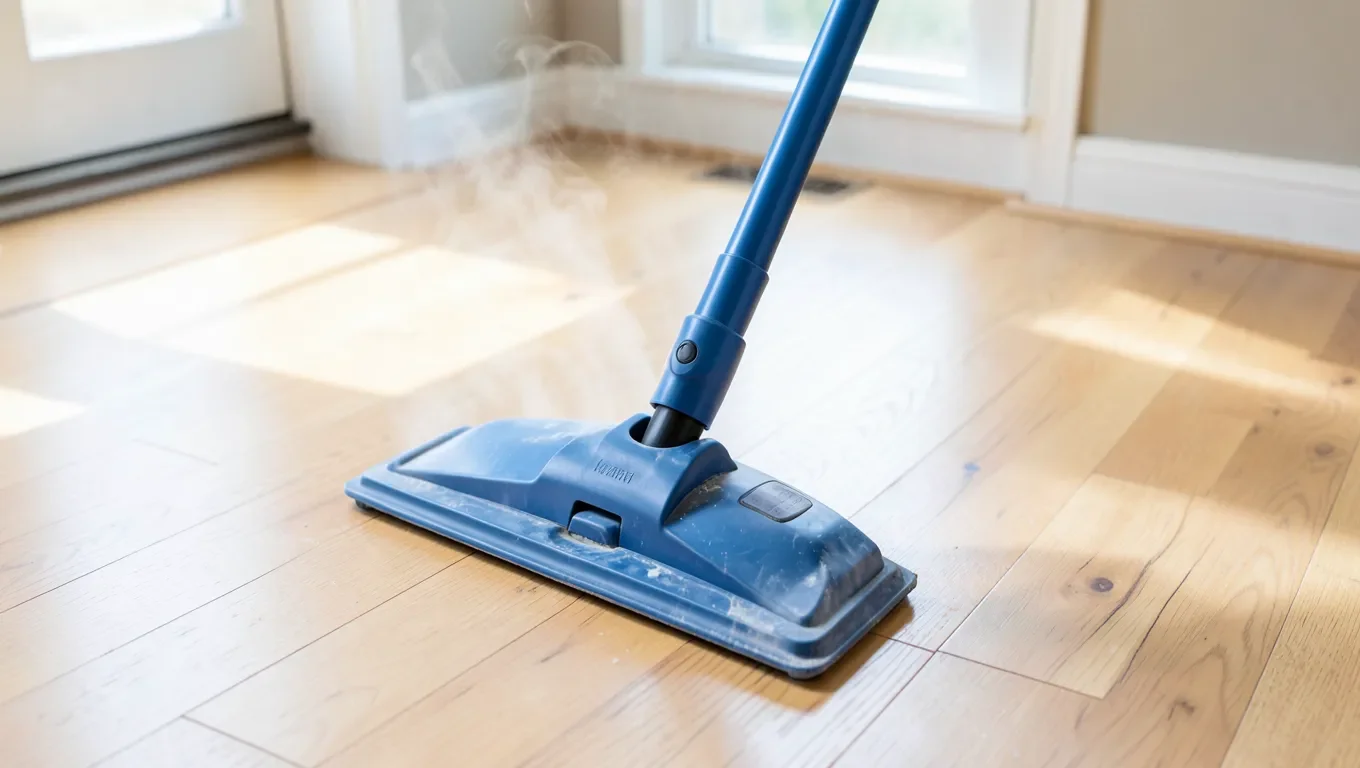
How to Use a Bissell Steam Mop on Hardwood Floors: A Simple Guide
Yes, a Bissell steam mop is safe on hardwood floors – as long as the floor is sealed. Steam lifts sticky messes like juice or pet paw prints without soap or chemicals, but unsealed wood can warp or dull from the moisture. This guide covers what a Bissell steam mop is, how to use one on hardwood correctly, and how to tell if your floor is a good candidate in the first place.
What Is a Bissell Steam Mop?
Popular Model For Hardwood
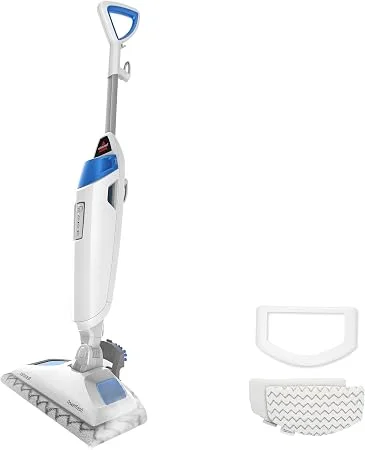 |
Bissell PowerFresh Steam Mop, 1940A 3 steam settings and an easy scrubber for stuck-on spots – the low setting is what makes this safe to use on sealed hardwood.
|
A Bissell steam mop is a tool that cleans floors with hot steam. It heats water to make steam, which lifts dirt without chemicals. It’s designed for sealed hardwood, tile, and other hard surfaces. Bissell’s PowerFresh line is the most common model used on hardwood, with variable steam settings and a scrubber attachment for stuck-on spots. Steam mops are easy to use and make cleaning fast.
Why Use It on Hardwood Floors?
Hardwood floors look pretty but get dirty fast. A Bissell steam mop on hardwood floors cleans sticky messes, like juice or pet paw prints, without soap. Steam kills germs, too, which is useful in homes with kids or pets. But you must check if your floors are sealed first – unsealed wood can get damaged by the moisture, so always test a small, hidden spot before mopping the whole floor.
Is It Safe to Use a Bissell Steam Mop on Hardwood?
Yes, it’s safe if your hardwood floors are sealed. Sealed floors have a protective finish layer (polyurethane, wax, or a similar topcoat) that stops water from reaching the actual wood. If you’re unsure whether yours is sealed, check with your flooring installer or manufacturer, or use the water-drop test below. Steam can harm unsealed wood, causing warping or dullness.
How to Check If Your Floors Are Sealed
Drop a tiny bit of water on your floor. If it beads up, your floor is sealed. If it soaks in within a few seconds, it’s unsealed, and a steam mop should be avoided – the same soaking-in that shows on the water test happens with steam, just faster and hotter. This simple test takes ten seconds and prevents real damage.
Step-by-Step Guide to Using a Bissell Steam Mop on Hardwood Floors
Cleaning with a Bissell steam mop is super easy. I use my PowerFresh Deluxe to clean my living room floors. Here’s how I do it in simple steps. You can follow along with any Bissell model.
Step 1: Prep Your Floor
Sweep or vacuum your hardwood floor first. Dust and hair can get smudged by steam. I use a quick broom sweep to clear crumbs. This makes the steam mop work better.
Step 2: Fill the Water Tank
Remove the water tank from your Bissell steam mop. Fill it with clean water. I use tap water, but some models, like my PowerFresh, suggest distilled water to avoid buildup. Screw the cap back on tightly.
Step 3: Attach a Mop Pad
Bissell steam mops come with microfiber pads. Attach one to the mop head. I keep two pads handy—one for cleaning, one in the wash. The pads are soft and won’t scratch your floors.
Step 4: Plug It In and Wait
Plug in your steam mop. Wait about 30 seconds for the steam to heat up. My PowerFresh has a light that shows when it’s ready. It’s fast, so I can start cleaning quickly.
Step 5: Start Mopping
Push the mop slowly over your hardwood floor. Use the low steam setting for sealed hardwood. I glide my mop in straight lines, like drawing on paper. For sticky spots, I use the high steam setting or the scrubber tool.
Step 6: Clean the Pad
After mopping, the pad gets dirty. I toss mine in the washing machine. It’s easy and keeps the mop ready for next time. Always let the pad cool before removing it.
Tools and Materials You Need
You don’t need much to use a Bissell steam mop. Here’s what I use:
- Bissell steam mop (like the PowerFresh or Deluxe).
- Clean water (tap or distilled, depending on your model).
- Microfiber pads (usually included with the mop).
- A broom or vacuum for pre-cleaning.
The Bissell PowerFresh runs about $90-$100 new. Extra microfiber pads cost around $15 for a pack. It’s a reasonable upfront cost against the ongoing cost of buying cleaning sprays for a comparable period.
Table 1: Bissell Steam Mop Models for Hardwood Floors
| Model | Price (Approx.) | Water Tank Size | Features |
|---|---|---|---|
| PowerFresh 1940 | $90 | 16 oz | 3 steam settings, easy scrubber |
| PowerFresh Deluxe 1806 | $100 | 19 oz | Scent discs, large tank |
| PowerFresh Slim 2075A | $150 | 12 oz | Handheld steamer, attachments |
Caption: Comparing popular Bissell steam mop models for hardwood cleaning.
Benefits of Using a Bissell Steam Mop on Hardwood Floors
Using a Bissell steam mop has lots of perks. Here are my favorites:
- No chemicals needed. Steam cleans with just water, so it’s safe for kids and pets.
- Kills germs. Steam removes 99.9% of bacteria, perfect for my dog’s muddy paw prints.
- Fast cleaning. It takes me 10 minutes to clean my living room floor.
- Shiny floors. My hardwood looks polished without streaks.
Drawbacks to Watch Out For
Steam mops aren’t perfect. Here’s what I’ve noticed:
- Not for unsealed floors. Steam can damage unsealed hardwood, so always check.
- Cord can be annoying. My PowerFresh has a 25-foot cord, but it sometimes gets in the way.
- Pads need washing. Dirty pads must be cleaned after each use.
Alternatives to Bissell Steam Mops
If a steam mop isn’t right for you, try these.:
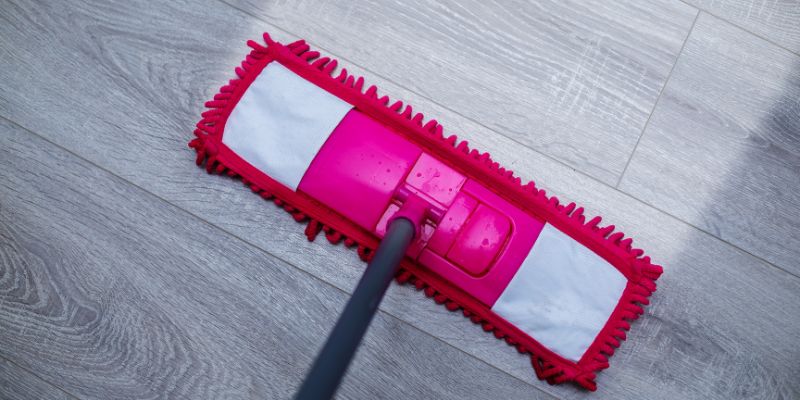
- Microfiber mop: Great for light cleaning, but you’ll need cleaning spray.
- Swiffer WetJet: Easy but uses disposable pads, which I find wasteful.
- Traditional mop and bucket: Cheap but takes more effort.
I tried a Swiffer before my Bissell, but it left streaks. The steam mop gives a deeper clean.
Table 2: Steam Mop vs. Other Cleaning Methods
| Method | Cost | Pros | Cons |
|---|---|---|---|
| Bissell Steam Mop | $90-$150 | Chemical-free, kills germs | Not for unsealed floors, corded |
| Microfiber Mop | $20-$40 | Cheap, reusable pads | Needs cleaning solution |
| Swiffer WetJet | $50 | Easy to use, disposable pads | Wasteful, streaky on hardwood |
Caption: Comparing Bissell steam mops to other floor cleaning options.
My Top Tips for Using a Bissell Steam Mop
I’ve used my Bissell steam mop for years. Here are my best tips:
- Test first. Always try a small, hidden spot to check for damage.
- Use low steam. High steam can be too much for hardwood floors.
- Clean pads often. Wash pads after every use to avoid smearing dirt.
- Move slowly. Slow passes let the steam lift tough stains.
Common Mistakes to Avoid
I made some errors when I started. Don’t do these:
- Skipping the sweep. Vacuum first, or you’ll push dirt around.
- Using too much steam. High settings can wet your floors too much.
- Ignoring the manual. Read it to know your model’s settings.
Why This Beats A Traditional Mop On Sealed Hardwood
A steam mop handles a sticky spill in one pass without soap or spray residue, and the scrubber attachment on most Bissell models lifts stuck-on messes a plain microfiber pad can’t. It’s also lightweight enough for quick daily touch-ups rather than a full mop-and-bucket production every time. The main tradeoff is the cord and the strict sealed-floor requirement – a cordless vacuum-mop combo is more convenient for floors that don’t qualify for steam.
Conclusion
Using a Bissell steam mop on hardwood floors is a game-changer. It’s easy, fast, and keeps your floors sparkling without chemicals. I shared how to use it, tips to avoid mistakes, and why Try it on your sealed hardwood floors for a deep clean. Grab your Bissell, mop your floors, and share your shiny results with friends! Have questions? Check the FAQs below or ask me in the comments.
Frequently Asked Questions
Can I Use a Bissell Steam Mop on Hardwood Floors?
Yes, if your floors are sealed. Steam mops like the Bissell PowerFresh are safe for sealed hardwood. Test a small spot first to be sure. Unsealed floors can warp or dull from steam. Always use the low steam setting to protect your floors.
Which Bissell Steam Mop Is Best for Hardwood?
The Bissell PowerFresh 1940 is great for hardwood. It has three steam settings and a scrubber for tough stains. The Deluxe 1806 has a bigger tank for longer cleaning. Both are lightweight and easy to use.
How Often Should I Steam Mop My Hardwood Floors?
Use your Bissell steam mop once a week for regular cleaning. For sticky messes, like pet paw prints, use it as needed. Don’t overdo it—too much steam can harm even sealed floors.
Do Bissell Steam Mops Leave Streaks on Hardwood?
No, if used correctly. Use the low steam setting and a clean microfiber pad. Wash pads after each use to keep them clean.
Can I Add Cleaners to the Water Tank?
Don’t add cleaners to your Bissell steam mop. Steam alone cleans well and kills germs. Adding soap can clog the mop or leave residue. Check your manual for safe add-ons.
How Do I Maintain My Bissell Steam Mop?
Wash the microfiber pads after each use. Use distilled water to prevent mineral buildup in the tank. Store the mop in a dry place. Clean the tank monthly to keep it working well, and check the manual for model-specific maintenance tips.
Are Bissell Steam Mops Worth the Cost?
Yes, they’re worth it for chemical-free cleaning. Prices range from $90-$150, and they save money on sprays. It’s durable and easy to use, too.
Sponsored / affiliate links. As an Amazon Associate I earn from qualifying purchases. I may earn additional commission from eligible campaigns.