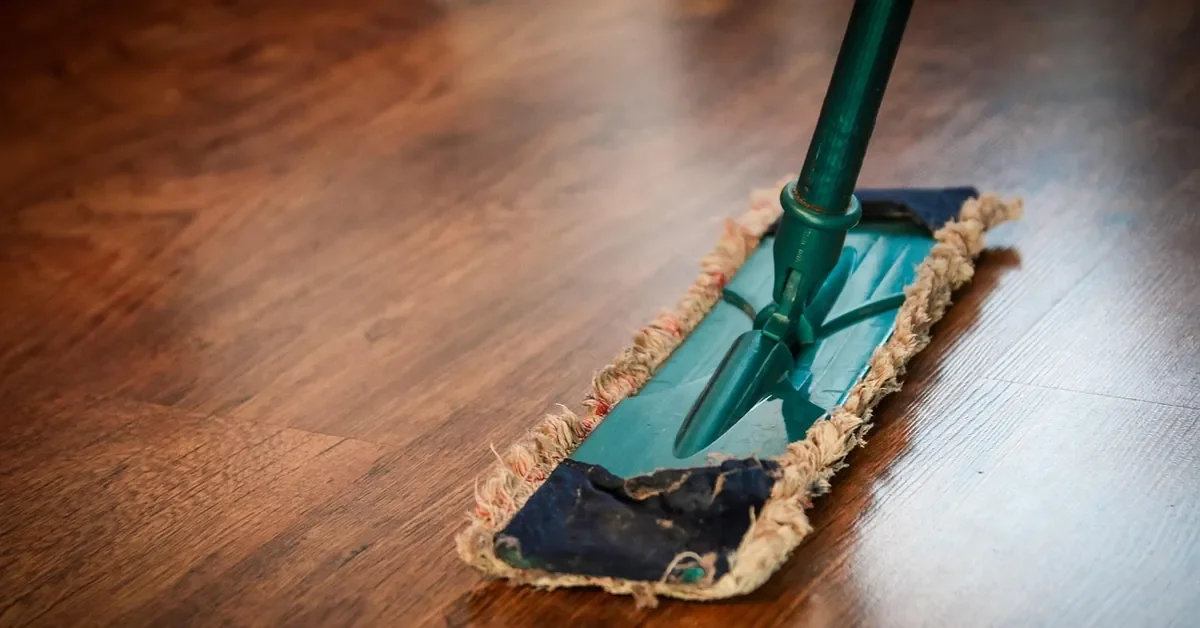
How to Clean Hardwood Floors: Best Way (No Vinegar or Steam)
The best way to clean hardwood floors is a low-moisture routine: dry-mop or sweep daily to remove grit, then damp-mop weekly with a pH-neutral, wood-specific cleaner – never a soaking wet mop, a steam mop, or a vinegar solution. Those last two show up constantly in generic cleaning advice, and they’re the two habits most likely to quietly dull or damage a polyurethane finish over time.
Hardwood isn’t like tile or vinyl – it’s a natural material that expands, contracts, and reacts to both water and chemistry. A cleaning method that’s perfectly safe on a laminate or stone floor can leave real, sometimes permanent marks on solid or engineered wood. Below is the actual step-by-step routine, plus the specific mistakes worth avoiding and why they cause the damage they do.
Why Generic Floor-Cleaning Advice Doesn’t Work on Hardwood
A lot of “clean any floor” advice treats hardwood like it’s just another hard surface. It isn’t. The finish on most modern floors – polyurethane, urethane, or polyacrylic – is a thin protective film sitting on top of the wood. That film can be etched by acids, softened by prolonged moisture, and worn down by abrasive powders. Once it’s compromised, the wood underneath is exposed to staining, swelling, and discoloration.
That’s the theme running through this guide: the goal isn’t just “get the floor clean,” it’s getting it clean without breaking down the one layer standing between your floor and real damage.
Best pH-Neutral Cleaner For This Routine
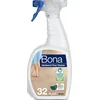 |
Bona Hardwood Floor Cleaner Spray, 32 fl oz – $8.97 A ready-to-use, pH-neutral spray built for the exact step-by-step routine in this guide – no dilution, no residue.
|
The pick above works well for this routine, but if you want a full comparison of pH-neutral cleaners, refill-spray systems versus concentrates, and which other brands are actually worth buying, see our guide to the best cleaner for wood floors.
Know Your Floor’s Finish First
Before picking up a mop, figure out which type of finish you’re dealing with – it changes what’s actually safe to use.
Surface Finishes (Polyurethane, Urethane, Polyacrylic)
This is what’s on the vast majority of floors installed or refinished in the last few decades. The finish sits on top of the wood as a protective film, usually with a visible sheen from satin to high-gloss. It handles everyday moisture reasonably well, but it can still be scratched by grit, etched by acids, and dulled by the wrong cleaning products.
Penetrating Finishes (Oil or Wax)
Older floors, and some higher-end refinished ones, use an oil or wax finish that soaks into the wood instead of sitting on top. These have a more natural, matte look, but they offer less protection against water and stains, and they need periodic buffing or re-oiling rather than a standard mop-and-cleaner routine. If you’re not sure which you have, check with whoever installed or last refinished the floor – using a surface-finish cleaner on a waxed floor (or vice versa) is a common way to end up with a hazy, uneven film.
The Water-Drop Test: Check Whether Your Finish Can Take Damp-Mopping
Most guides tell you to damp-mop without asking whether the finish is still intact. Worn-through finish is the real reason some floors can’t tolerate even a damp mop. Put a small drop of water on an out-of-the-way spot, such as inside a closet or under a rug edge. If it beads up on the surface, the finish is sealing the wood and the routine below is safe. If the wood darkens or the drop soaks in quickly, the finish is worn or missing in that area: stick to dry-mopping and vacuuming until the floor has been recoated.
The rest of this guide focuses on surface-finished floors, since that covers most homes. If you have a wax or oil-finished floor, the National Wood Flooring Association (NWFA) and your finish manufacturer are the best sources for a compatible cleaning schedule.
What You Need for This Routine
- Microfiber dust mop or soft-bristle broom – for daily dry cleaning without scratching.
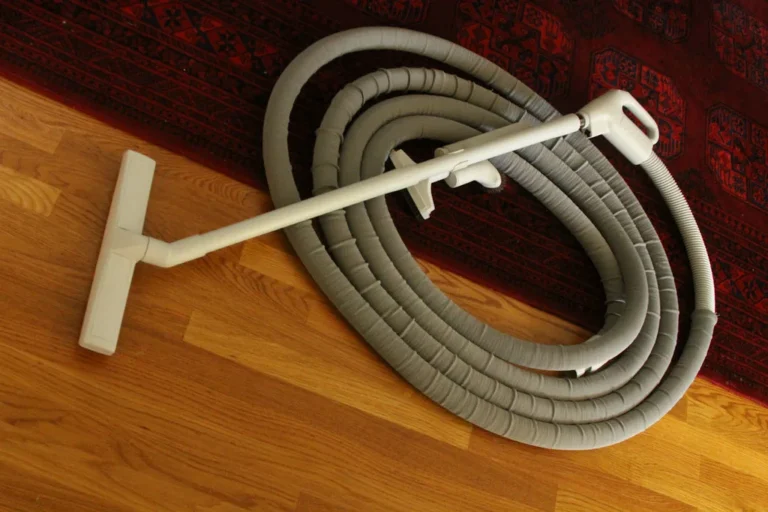
- Vacuum with the beater bar/brush roll switched off – a spinning brush roll on bare wood is a scratch risk; use the hard-floor setting.
- A pH-neutral, wood-specific cleaner – not an all-purpose spray, not vinegar, not ammonia.
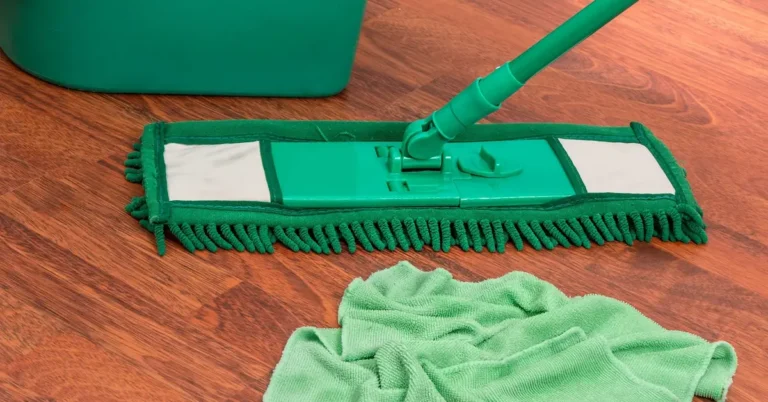
- Microfiber mop with a washable pad – it holds far less water than a traditional string or sponge mop, which matters more than almost anything else on this list.
- Two buckets (optional but useful) – one for cleaning solution, one for rinsing the pad, so you’re not spreading dirty water back onto the floor.
The Best Way to Clean Hardwood Floors, Step by Step
Step 1: Dry-Mop or Sweep Daily (or Every Other Day)
This is the step that actually protects the finish long-term. Dust, sand, and grit act like fine sandpaper every time they get walked on or pushed around with a wet mop. Removing them dry, before any liquid touches the floor, prevents the fine surface scratching that eventually dulls a finish – no cleaner fixes that once it’s happened. Work in the direction of the grain, and pay extra attention to entryways, where most grit actually enters the house.
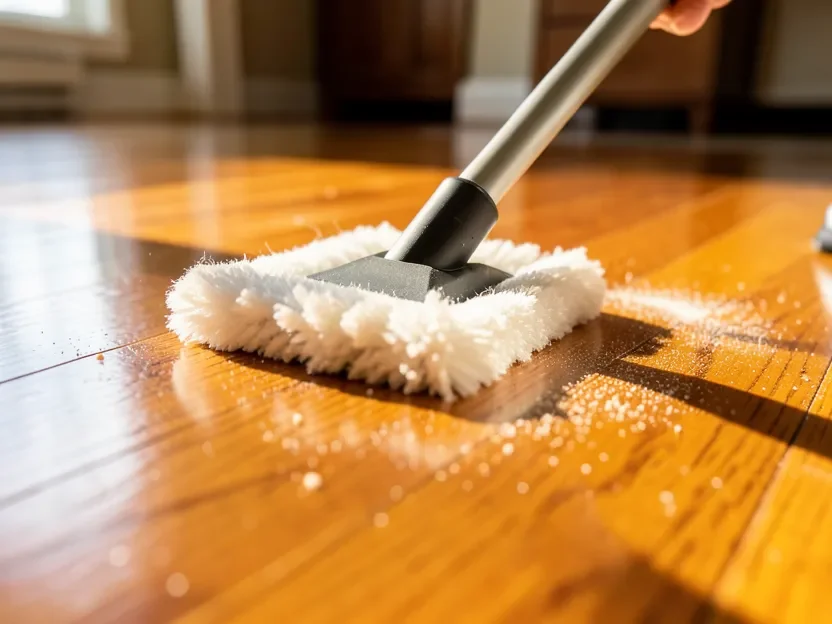
Step 2: Damp-Mop Weekly With a Wood-Specific Cleaner
For most households, a damp-mop pass once a week is enough; heavy-traffic zones like entryways and kitchens often need it closer to twice a month on top of that. Spray or lightly apply a pH-neutral hardwood cleaner, then go over the floor with a microfiber mop pad wrung out until it’s barely damp – if you can see standing water or streaks, it’s too wet. Rinse the pad in a second bucket of clean water periodically so you aren’t dragging dirty water across the next section.
Step 3: Dry or Buff Immediately
A properly damp-mopped floor should air-dry within a few minutes since so little moisture was used. If you notice faint streaking or want extra shine, go over the still-damp section with a dry microfiber cloth. The key point: water should never be left sitting on the surface. If it is, wipe it up immediately rather than letting it air-dry on its own.
Three “Safe-Sounding” Habits That Actually Damage Hardwood
These three show up constantly in generic cleaning tips and even some well-meaning DIY blogs – but each one causes real, documented damage to hardwood specifically.
1. Excess Water (Not Just Mopping – Spills Too)
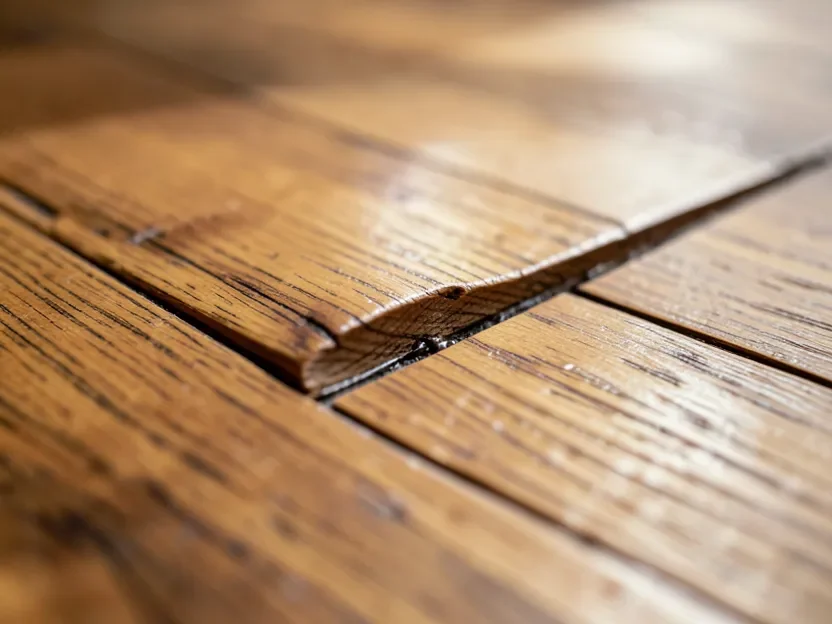
Wood is porous, and it absorbs moisture fastest through the seams between boards and any exposed end grain – not through the finished top surface. When water sits in those seams, the wood fibers swell unevenly. The most common result is cupping, where the edges of each board rise higher than the center, giving the floor a rippled feel underfoot. Leave a puddle long enough and you can get more serious warping that doesn’t fully reverse once the wood dries out.
2. Vinegar-Based “Natural” Cleaners
Vinegar is one of the most repeated hardwood-cleaning tips online, and it’s one of the least suited to a finished floor. Vinegar is acetic acid, and with repeated use it slowly breaks down and etches the protective polyurethane layer rather than the wood itself. The damage doesn’t show up after one mopping – it builds gradually as a dull, hazy film that many homeowners mistake for “needing a stronger cleaner,” when the actual cause was the acid in the first cleaner. A pH-neutral, wood-specific cleaner does the same dirt-lifting job without that slow breakdown.
3. Steam Mops
Steam mops force water vapor at roughly 200-250°F into the microscopic gaps in a finish, driving moisture into the wood far faster than a damp mop ever would – and most major flooring manufacturers (including Bona, Bruce, and Shaw) explicitly warn against steam mopping finished hardwood in their care documentation, in some cases as a condition of the finish warranty. We cover this one in much more depth, including which specific situations void a warranty, in our full guide to steam cleaning hardwood floors. The short version for this routine: skip it, and stick with the damp-mop method above.
Handling Spills Before They Stain
- Blot, don’t wipe. Wiping a fresh spill spreads it across more surface area; blotting with a clean, absorbent cloth contains it.
- Sticky residue: lightly dampen a cloth with your pH-neutral cleaner, wipe the spot, then dry it immediately with a separate cloth.
- Stubborn stains: test a wood-safe stain remover in an inconspicuous spot first, then follow the product’s instructions and dry the area thoroughly afterward.
Keeping the Shine Between Cleanings
- Entry mats both outside and inside exterior doors catch grit before it ever reaches the floor.
- Felt pads on furniture legs, checked periodically for trapped grit, prevent the deep gouges that moving furniture causes.
- A “shoes off” habit, especially for high heels and cleats, avoids the point-load dents those create.
- Trimmed pet nails reduce the fine scratching that shows up most on darker-stained floors.
For the longer-term side of upkeep, including humidity control and when to recoat, see our guide on how to care for hardwood floors so they last decades.
Choosing (and Avoiding) a Hardwood Floor Cleaner
Look for a cleaner labeled specifically for hardwood floors with a pH-neutral formula and a no-rinse finish – brands like Bona and Bruce are widely used for exactly this reason. Avoid all-purpose cleaners, vinegar, ammonia, soap-based cleaners (they leave a dulling residue), and any abrasive powder. If you’re doing a more intensive clean rather than routine maintenance, our deep-cleaning guide covers that separate process in more detail.
Hardwood Cleaning Methods Compared
| Method | Water on the floor | Effect on a polyurethane finish | Verdict |
|---|---|---|---|
| Dust mop or vacuum (brush roll off) | None | Removes the grit that scratches the finish | Daily |
| Barely damp microfiber mop + pH-neutral cleaner | A thin film that dries in minutes | No etching or residue when used as directed | Weekly |
| Vinegar-and-water mop | Moderate | Acid slowly dulls and etches the finish; the NWFA advises against it | Avoid |
| Steam mop | Hot vapor forced into seams | Can drive moisture into the wood; NWFA guidance says not to use steam on wood floors | Avoid |
| Soaking string or sponge mop | Heavy | Water pools in board seams and can cause cupping | Avoid |
When Cleaning Alone Isn’t Enough
If your floor still looks dull after a proper low-moisture cleaning routine, the problem usually isn’t dirt anymore – it’s the finish itself needing restoration rather than cleaning. That’s a different process from what’s covered here, particularly for engineered hardwood, where the wear layer’s thickness limits what you can safely do. Our guide on polishing engineered hardwood floors walks through that occasional, deeper restoration step.
Frequently Asked Questions
How often should I clean my hardwood floors?
Dry-mop or sweep daily or every other day to remove grit. Damp-mop with a wood-specific cleaner about once a week for most rooms, and closer to twice a month for heavy-traffic areas like entryways and kitchens.
Can I use vinegar to clean hardwood floors?
It’s not recommended for finished floors. Vinegar’s acetic acid slowly etches and dulls a polyurethane finish with repeated use, even though it won’t cause visible damage the first time you try it. A pH-neutral, wood-specific cleaner cleans just as effectively without that long-term risk.
Is it safe to use a steam mop on hardwood floors?
Most major flooring manufacturers advise against it. The heat and water vapor can force moisture into the wood through the finish, leading to cupping or warping, and steam mopping can void some finish warranties outright. See our full breakdown on steam cleaning hardwood floors for warranty specifics.
My floor looks dull even after I clean it – why?
Dullness after cleaning usually points to residue from the wrong cleaner (soap-based or vinegar cleaners are common culprits), built-up grit from skipping dry-mopping, or a worn finish that cleaning alone can’t fix. If switching to a pH-neutral cleaner doesn’t help within a few cleanings, the finish itself may need restoration.
How do I remove scuff marks from hardwood floors?
Most scuffs come off with a dry microfiber cloth and a bit of pressure. For stubborn ones, a slightly damp cloth with your pH-neutral cleaner usually works – test in an inconspicuous spot first, and dry the area immediately afterward.
Sponsored / affiliate links. As an Amazon Associate I earn from qualifying purchases. I may earn additional commission from eligible campaigns.