Removing Scuffs from Hardwood Floors: Quick Tips
To remove scuffs from hardwood floors, create a paste with baking soda and water, then gently rub it onto the scuff in the direction of the wood grain. Another effective method is to mix equal parts apple cider vinegar and olive oil, apply it to the scratches, leave it for a day, and then buff it out with a soft cloth.
These natural solutions can help restore the floor’s original shine without the need for sanding or harsh chemicals. Hardwood floors can add warmth and elegance to any home, but they are prone to scuff marks and scratches over time. Luckily, there are several effective methods for removing scuffs and restoring the floor’s natural beauty without causing further damage.
By using simple household ingredients like baking soda, water, apple cider vinegar, and olive oil, you can easily eliminate scuff marks and keep your hardwood floors looking pristine. Let’s explore some proven techniques for removing scuffs from hardwood floors and restoring their luster.
Introduction To Hardwood Floor Care
When it comes to maintaining the beauty of hardwood floors, proper care is essential to ensure longevity and a pristine appearance. Understanding the common causes of scuffs and implementing preventative measures are crucial aspects of hardwood floor care.
Common Causes Of Scuffs
Scuffs on hardwood floors can be caused by various factors, such as dragging furniture, high-heeled shoes, pet claws, and the presence of abrasive debris like sand and dirt. These scuffs not only detract from the floor’s aesthetic appeal but also compromise its integrity over time.
Preventative Measures
Implementing preventative measures is vital in protecting hardwood floors from scuffs. Utilize protective pads under furniture legs, encourage a “no shoes” policy indoors, and regularly sweep or vacuum to remove abrasive particles. Additionally, consider using area rugs in high-traffic areas to minimize wear and tear on the hardwood surface.
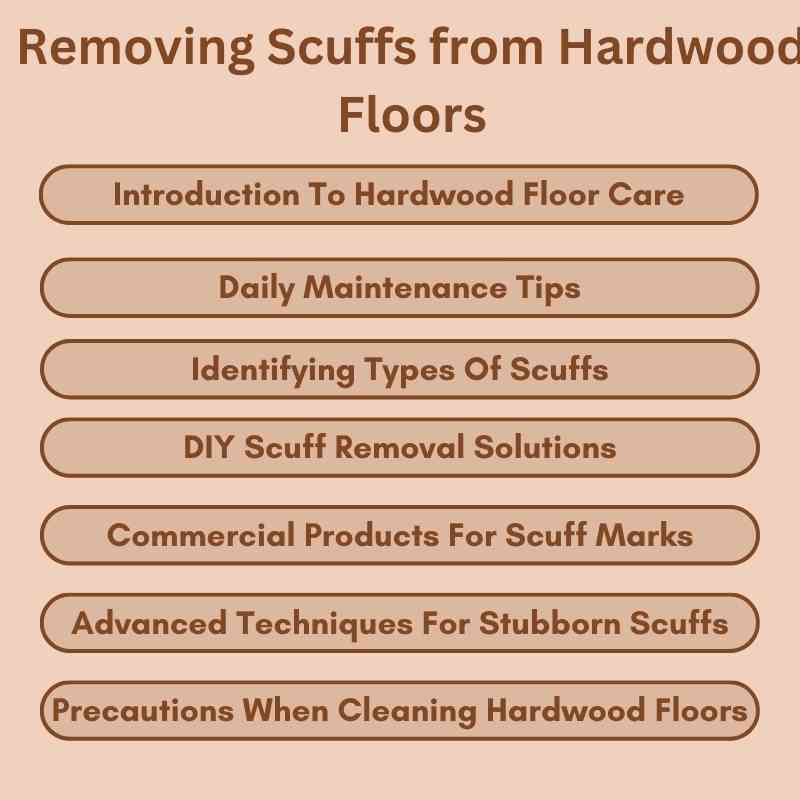
Daily Maintenance Tips
Proper daily maintenance is crucial for keeping your hardwood floors looking pristine and scuff-free. By following these simple tips, you can maintain the natural beauty of your hardwood floors for years to come.
Regular Cleaning Techniques
To prevent scuffs and maintain the shine of your hardwood floors, regular cleaning is essential. Here are some techniques you can incorporate into your daily routine:
- Sweep or vacuum: Remove dirt, dust, and debris from your floors using a soft-bristle broom or a vacuum cleaner with a hardwood floor attachment. This will prevent particles from scratching the surface.
- Mop with care: Use a damp mop or microfiber cloth to clean your hardwood floors. Avoid excessive moisture, as it can damage the wood. Always wring out the mop or cloth thoroughly before use.
- Choose the right cleaning solution: Use a pH-neutral hardwood floor cleaner recommended by the manufacturer. Avoid harsh chemicals or abrasive cleaners that can strip the finish or cause discoloration.
- Wipe up spills immediately: Accidents happen, but it’s important to clean up spills promptly to prevent moisture from seeping into the wood and causing damage. Use a soft, absorbent cloth to blot the spill.
Protective Measures
Prevention is key when it comes to avoiding scuffs on your hardwood floors. Take these protective measures to maintain their pristine condition:
- Use doormats: Place doormats at entryways to trap dirt and prevent it from being tracked onto your floors.
- Apply furniture pads: Attach felt or rubber pads to the bottom of furniture legs to prevent scratches and scuffs when moving or rearranging furniture.
- Trim pet nails: Keep your pets’ nails trimmed to minimize the risk of them scratching the surface of your hardwood floors.
- Avoid high heels: Discourage wearing high heels or shoes with hard soles on your hardwood floors, as they can leave scuff marks.
By incorporating these daily maintenance tips into your routine, you can protect your hardwood floors from scuffs and keep them looking beautiful for years to come.
Identifying Types Of Scuffs
When it comes to maintaining the beauty of your hardwood floors, identifying and addressing scuffs is crucial. Understanding the types of scuffs and the appropriate methods for removing them can help you keep your floors looking pristine for years to come.
Surface Marks
Surface marks are the most common type of scuff that occur on hardwood floors. These marks typically only affect the surface finish of the wood and do not penetrate the actual wood. They can be caused by shoes, furniture, or other objects being dragged across the floor. Surface marks are usually lighter in appearance and can often be removed with gentle cleaning and buffing.
Deeper Scratches
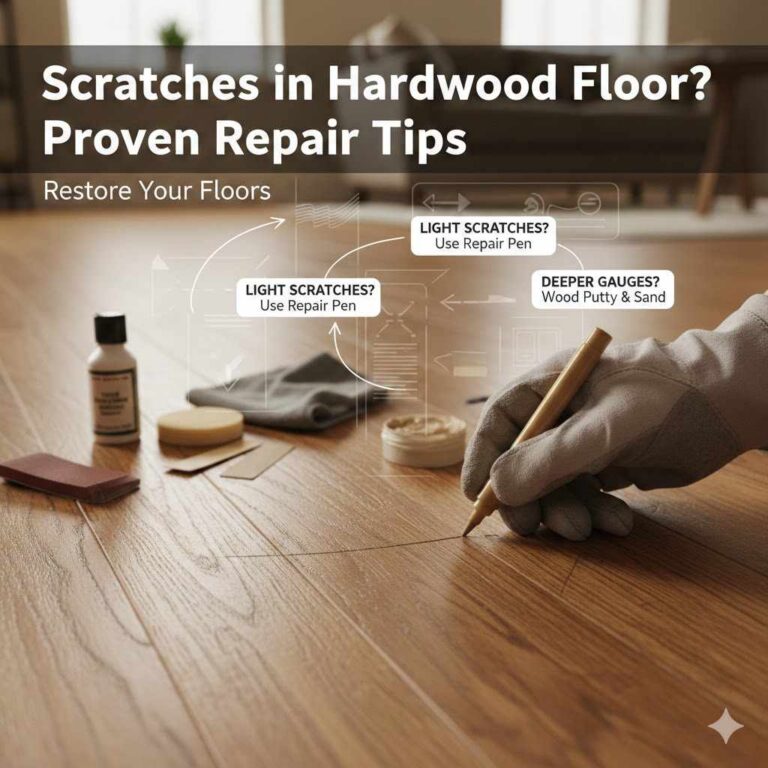
Deeper scratches, on the other hand, penetrate the surface finish and may even reach the wood itself. These scratches are often more noticeable and can detract from the overall appearance of the floor. Deeper scratches may require more extensive treatment, such as filling with wood filler and refinishing the affected area.
DIY Scuff Removal Solutions
Looking to remove scuffs from your hardwood floors? Try using baking soda and water to create a paste, then gently rub it onto the scuff in the same direction as the wood grain. Another option is to mix equal parts apple cider vinegar and olive oil, apply the solution to the scratches, and leave it for a day before buffing it out with a soft cloth.
Hardwood floors can be a beautiful addition to any home, but they can also be easily damaged by scuffs and scratches. Luckily, there are several DIY solutions that you can try to remove scuffs from your hardwood floors without having to call in a professional. Here are a few effective methods you can use to remove scuffs from your hardwood floors:
Baking soda paste recipe:
Baking soda is a versatile household item that can be used for a variety of cleaning tasks, including removing scuffs from hardwood floors. To create a baking soda paste, mix baking soda and water together until you get a thick, paste-like consistency. Then, apply the paste to the scuff mark and gently rub it in with a soft cloth. Be sure to work in the same direction as the wood grain to avoid causing any further damage to the floor. Once you’ve rubbed the paste into the scuff mark, wipe it away with a clean, damp cloth.
Vinegar and olive oil method:
If the scuff mark is deeper or more pronounced, you may need to use a more heavy-duty solution. One effective method is to mix equal parts apple cider vinegar and olive oil in a small cup and carefully dab the solution into the scuffs. Leave the solution in the scuffs for a day and then rub it out with a clean, soft cloth. This will help restore your floor to its original shine.
Other tips:
When removing scuffs from hardwood floors, it’s important to use gentle, non-abrasive methods to avoid causing any further damage. Avoid using harsh chemicals or abrasive sponges, as these can scratch or damage the surface of the wood. Instead, stick to gentle cleaning solutions like the baking soda paste or vinegar and olive oil method. Additionally, always work in the same direction as the wood grain to avoid causing any further damage. With a little bit of effort and the right tools, you can easily remove scuffs from your hardwood floors and restore them to their original beauty.
Commercial Products For Scuff Marks
To remove scuffs from hardwood floors, consider using commercial products specially designed for this purpose. These products are effective in eliminating scuff marks and restoring the floor’s original shine without causing any damage. Additionally, they provide a convenient solution for maintaining the appearance of hardwood floors.
Selecting The Right Product
When it comes to commercial products for removing scuffs from hardwood floors, there are a variety of options available on the market. However, selecting the right product for your specific needs is crucial to ensure that you not only remove the scuffs, but also protect the integrity of your hardwood flooring. Some popular commercial products include Bona Hardwood Floor Cleaner, Rejuvenate All Floors Restorer, and Orange Glo Hardwood Floor Everyday Cleaner.
Application Tips
Once you have selected the right product for your scuff removal needs, it is important to follow the application instructions carefully. This will help you achieve the best possible results and avoid any damage to your hardwood floors. Here are some application tips to keep in mind:
- Read and follow the product instructions carefully.
- Test the product on a small, inconspicuous area of your hardwood floors before applying it to the entire surface.
- Apply the product with a soft cloth or mop, following the direction of the wood grain.
- Avoid using too much product, as this can lead to streaks or damage to the floors.
- Rinse the floors thoroughly with clean water after applying the product.
- Dry the floors completely with a clean, dry cloth or mop.
By following these application tips, you can effectively remove scuffs from your hardwood floors while keeping them in top condition for years to come.
Natural Remedies For Scuff Marks
Discover the magic solution for removing scuff marks from hardwood floors with a simple paste of baking soda and water. Gently rub the paste onto the scuff in the same direction as the wood grain to effectively remove the marks.
Hardwood floors are beautiful and add a touch of class to any home. However, scuff marks can be a real eyesore. Luckily, there are natural remedies that can help remove scuff marks without damaging the floor’s finish. Here are two effective methods that use common household items.
White vinegar mixture
White vinegar is a natural cleaning agent that is effective at removing scuff marks from hardwood floors. To make a vinegar mixture, mix equal parts of white vinegar and water in a spray bottle. Spray the mixture onto the scuff marks and let it sit for a few minutes. Then, use a soft cloth to gently rub the scuff marks until they disappear. Be sure to work in the same direction as the wood grain to avoid damaging the finish.
Essential oils for buffing
Essential oils not only smell great, but they can also help buff out scuff marks on hardwood floors. To create an essential oil mixture, mix 10-15 drops of your favorite essential oil with one cup of warm water. Dip a soft cloth in the mixture and wring it out until it is barely damp. Use the cloth to gently buff out the scuff marks, working in the same direction as the wood grain. The essential oil mixture will help remove the scuffs and leave your floors smelling fresh.
In conclusion, natural remedies like white vinegar and essential oils can be highly effective in removing scuff marks from hardwood floors. By using these simple methods, you can keep your floors looking great without causing any damage.
Advanced Techniques For Stubborn Scuffs
Discover advanced techniques for stubborn scuffs on hardwood floors. Say goodbye to unsightly marks by creating a paste with baking soda and water, gently rubbing it onto the scuff in the same direction as the wood grain. Alternatively, try a mixture of apple cider vinegar and olive oil, leaving it on the scratches for a day before buffing it out with a soft cloth to restore the floor’s original shine.
Spot Sanding
Spot sanding is a technique used to remove scuffs from hardwood floors by sanding only the affected area. This technique is ideal for stubborn scuffs that cannot be removed by other methods. To spot sand, you will need a sanding pad or sandpaper with a fine grit. Begin by sanding the scuffed area in the same direction as the grain of the wood. Be careful not to sand too deeply, as this can damage the floor. Once the scuff is removed, clean the area thoroughly and apply a protective coating to restore the shine of the floor.
Refinishing Options
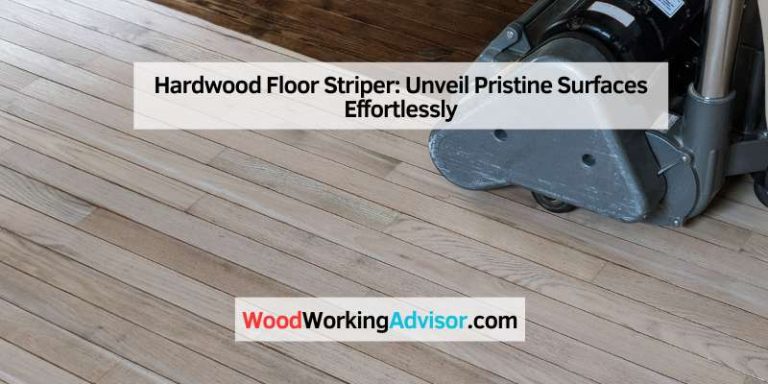
If the scuffs on your hardwood floors are too stubborn to be removed by spot sanding, you may need to consider refinishing the entire floor. Refinishing is a more advanced technique that involves sanding the entire floor to remove the existing finish and then applying a new finish. This technique requires specialized equipment and should be done by a professional. However, if you are determined to do it yourself, you can rent the necessary equipment from a home improvement store. Refinishing your hardwood floors will not only remove stubborn scuffs but will also give your floors a fresh, new look.
Removing scuffs from hardwood floors can be a challenging task, especially if the scuffs are stubborn. However, with the advanced techniques discussed above, you can remove even the most stubborn scuffs and restore the beauty of your hardwood floors. Spot sanding and refinishing are both effective methods for removing scuffs, but be sure to choose the one that is most appropriate for your specific situation. With the right tools and techniques, your hardwood floors can look as good as new in no time.
Precautions When Cleaning Hardwood Floors
When cleaning hardwood floors, it’s essential to take the necessary precautions to avoid causing damage. By following the right techniques and knowing when to seek professional help, you can maintain the beauty and longevity of your hardwood floors.
Avoiding Common Mistakes
When cleaning hardwood floors, it’s crucial to avoid common mistakes that could lead to damage. Some of these mistakes include:
- Using harsh chemical cleaners that can strip away the floor’s finish.
- Allowing water or other liquids to sit on the floor for an extended period, as this can cause warping or discoloration.
- Using rough or abrasive materials that can scratch the surface of the wood.
When To Call A Professional
If you encounter deep scratches, severe scuff marks, or other significant damage to your hardwood floors, it’s advisable to call a professional for assistance. Professional floor cleaners have the expertise and specialized tools to address these issues effectively while minimizing further damage to the wood.
Frequently Asked Questions
How To Get Scuff Marks Off Hardwood Floors?
To remove scuff marks from hardwood floors, make a paste with baking soda and water. Gently rub it onto the scuff in the same direction as the wood grain. For scratches, mix equal parts apple cider vinegar and olive oil, dab the solution into the scratches, and rub it out the next day with a soft cloth.
How Do You Get Scratches Out Of Hardwood Floors Without Sanding?
To remove scratches from hardwood floors without sanding, make a paste of equal parts apple cider vinegar and olive oil. Dab it into the scratches, leave it for a day, then buff it out with a soft cloth.
How To Fix Scuffed Wood Floors?
To fix scuffed wood floors, try these methods: – Mix equal parts apple cider vinegar and olive oil, apply it to the scratches, and leave it for a day before buffing it out with a soft cloth. – Make a paste with baking soda and water, rub it gently onto the scuff in the same direction as the wood grain.
– Avoid using a Magic Eraser on hardwood floors as it could scratch the finish. These methods should help remove scuffs and restore the shine of your wood floors.
Is It Safe To Use Magic Eraser On Hardwood Floors?
No, it is not safe to use a magic eraser on hardwood floors. The magic eraser can scratch the finish of the floor, especially on high gloss finishes. It is best to avoid using it and instead opt for safer methods like using a mixture of apple cider vinegar and olive oil to remove scuffs and scratches.
Conclusion
Removing scuffs from hardwood floors can be a simple task with the right techniques. One effective method is to create a paste using baking soda and water, gently rubbing it onto the scuff marks in the same direction as the wood grain.
Another option is to mix equal parts apple cider vinegar and olive oil, applying it to small scratches and allowing it to sit before buffing it out with a soft cloth. Additionally, using a wood floor cleaner and polish can help fill in small scuffs.
Remember to always test any method in a small, inconspicuous area before applying it to the entire floor. With these tips, you can keep your hardwood floors looking clean and scuff-free.