Chair Coasters for Hardwood Floors: Felt, Rubber, and Slider Options Compared
Chair coasters are small cups, cups, or discs that a chair leg sits in or on – they’re a separate accessory, not something permanently attached to the leg. That’s the real difference from chair glides, which are caps or nails fixed to the bottom of the leg itself, and from our furniture coasters guide, which covers sizing pads for stationary pieces like sofas and dressers. Chairs get pulled out and pushed in dozens of times a day, so what works well is different from what works under a bookshelf that never moves.
Felt, Rubber, and Caster-Style Options Compared
Best Felt Coaster Pack for Dining Chairs
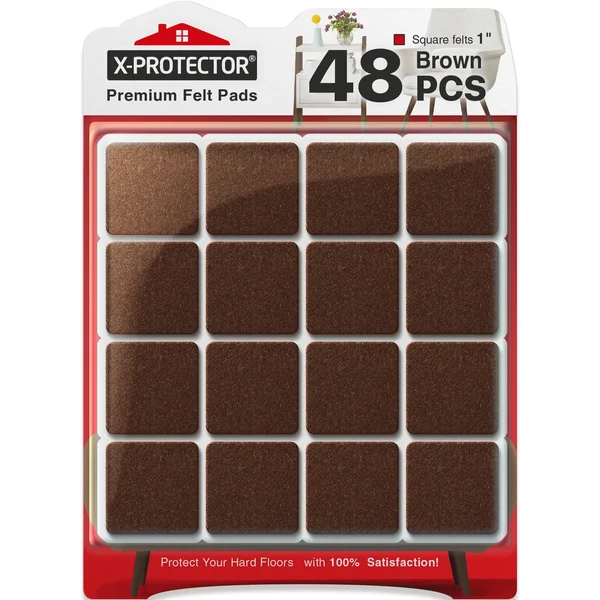 |
X-Protector Felt Furniture Pads (48-Pack, 1″ Square) – $9.91 Enough pads to cover a full dining set (6-8 chairs, 4 legs each) plus spares for when the originals wear thin from daily use.
|
Four types cover almost every chair on the market:
| Type | Best For | Pros | Cons |
|---|---|---|---|
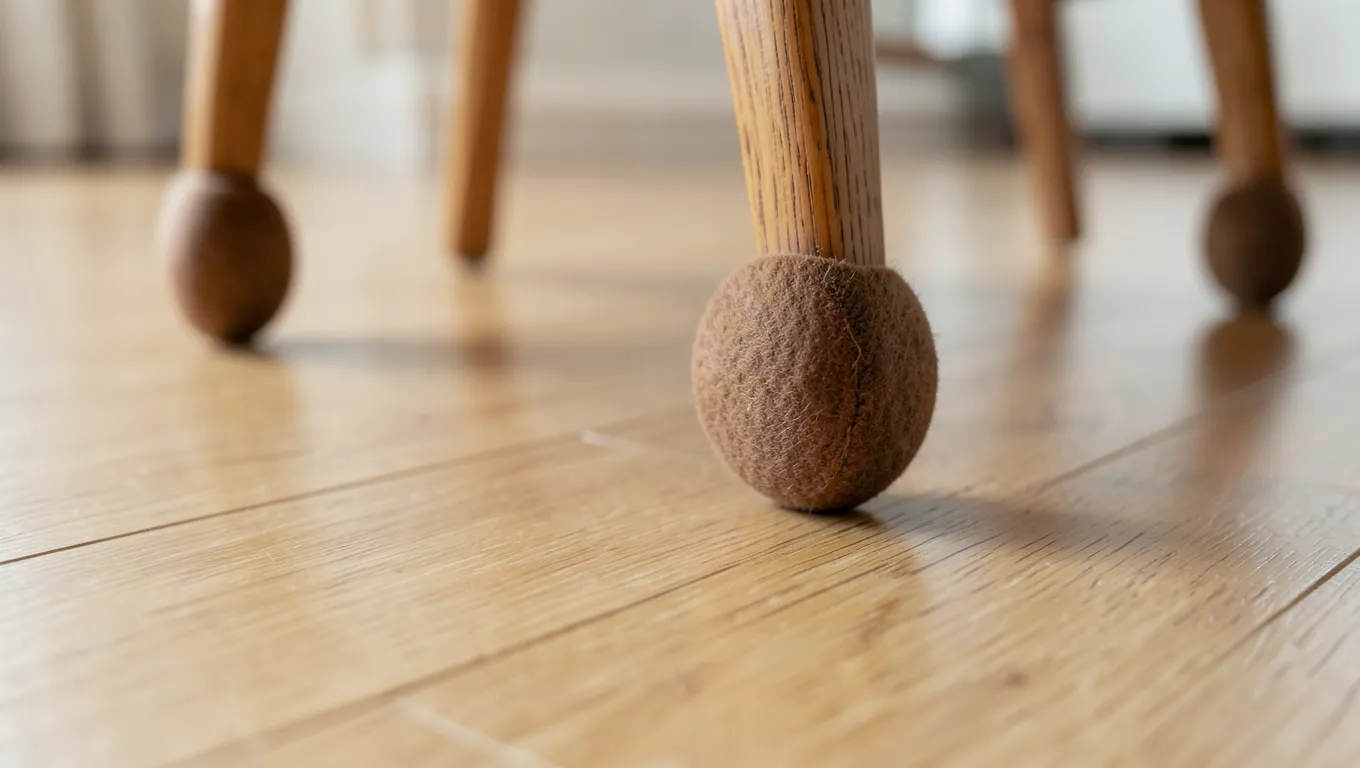
| Felt pads | Dining chairs, lightweight to medium furniture | Cheap, quiet, easy to install | Wears thin with heavy daily use |
| Plastic or rubber cups | Heavier chairs, non-rolling office chairs | Durable, strong grip, non-marking versions available | Bulkier, more visible than felt |
| Caster cups/coasters | Rolling office and task chairs | Stops wheel tracks and rolling, tidy look | Must match wheel diameter closely |
| PTFE/Teflon sliders | Furniture repositioned often | Glides with almost no effort | Least secure for a chair used dozens of times a day |
For dining chairs specifically – the most common use case – felt is the default recommendation because it’s quiet and cheap, but it’s also the type that needs the most frequent checking, since daily scooting in and out wears felt down faster than the occasional furniture rearrangement wears down a sofa’s pads.
Sizing and Installing Chair Coasters
Measure the chair leg’s actual bottom surface before buying anything – a coaster that’s too small concentrates the chair’s weight back onto one point, causing the exact scratching a coaster is supposed to prevent, while one that’s too large slips off the moment the chair moves. For round legs, measure the diameter; for square or tapered legs, measure the width at the bottom where the leg meets the floor.
- Clean the leg bottom. Wipe away dust and old adhesive residue so a new pad actually bonds.
- Match the coaster type to the leg. Flat adhesive felt for flat leg bottoms, cup-style coasters for legs with wheels or an uneven base.
- Apply and press firmly. Adhesive pads need firm, even pressure for 10-15 seconds to bond properly; nail-on versions need a light tap, not a hard hit that can split the leg.
- Let adhesive set before heavy use. Give peel-and-stick pads a few hours before subjecting them to a full dinner’s worth of chair scooting.
- Test for wobble. Set the chair down and rock it gently. A wobble usually means mismatched coaster thickness across the four legs, not a bad coaster.
Matching Coasters to Your Floor’s Finish
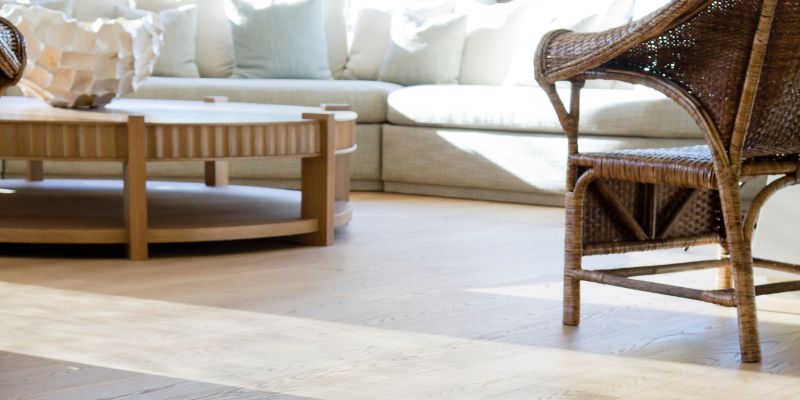
The floor finish matters as much as the chair’s weight. Glossy polyurethane-finished floors tolerate felt or rubber coasters fine. Waxed or oiled floors are more sensitive – some plastic and rubber compounds can react with wax finishes and leave faint discoloration over time, so non-marking PTFE sliders or plain felt are the safer default on a waxed or oiled floor.
Maintenance and When to Replace
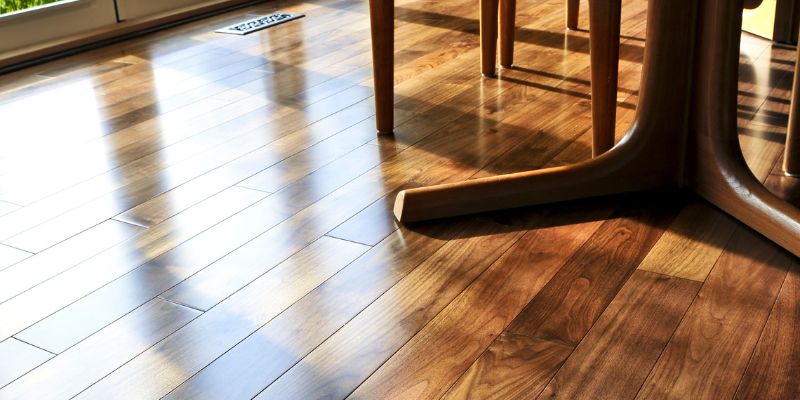
Felt pads under daily-use dining chairs typically need replacing every 6-12 months; check sooner if a chair starts feeling less smooth to move or you notice grit or hair packed into the felt, since embedded grit turns a soft pad into fine sandpaper against the floor. Rubber and plastic cups last longer, generally 1-2 years, but should be pulled off and checked for cracking or hardening, since a stiffened cup no longer cushions the way it did new. A quick monthly wipe-down keeps grit from embedding into felt in the first place.
Mistakes That Undo the Protection
Two mistakes account for most of the scratches people blame on “bad coasters”: using hard plastic or unpadded metal glides on hardwood (they scratch just like a bare leg, only with a smaller, harder contact point), and skipping the leg measurement, which leads to a coaster that’s undersized for the leg and defeats the entire purpose of spreading out the weight. Weight limits matter too – a felt pad rated for a dining chair will flatten out fast under a heavy recliner or sofa, which is a job for the sizing guide in our furniture coasters for wood floors guide instead.
Frequently Asked Questions
Can chair coasters damage my hardwood floors?
Properly chosen coasters protect rather than damage hardwood. The risk comes from picking the wrong material: hard plastic or bare metal coasters can scratch just like an unprotected leg. Stick to felt, rubber, or PTFE, and test a new coaster on an inconspicuous spot first if your floor has a wax or oil finish.
How often should I replace chair coasters?
Felt pads under daily-use dining chairs typically last 6-12 months before they need swapping. Rubber cups and casters generally last 1-2 years. Check them every few months and replace anything visibly thin, cracked, or hardened.
Are chair coasters easy to install?
Yes. Adhesive felt pads peel and stick in seconds, cup-style coasters simply slide over the leg, and nail-on versions need only a light tap with a hammer. A full set of dining chairs typically takes well under 15 minutes.
Can I use chair coasters on other floors?
Felt and rubber coasters work fine on tile, laminate, and vinyl in addition to hardwood. PTFE sliders are best kept off carpet, since they’re designed to reduce friction on hard, smooth surfaces and won’t glide the same way on a soft pile.
Do chair coasters make chairs wobbly?
Only if they’re mismatched. A wobble almost always traces back to coasters of different thicknesses on different legs, or one coaster sized wrong for its leg. Measuring each leg and using matching coasters on all four resolves it.
Conclusion
Chair coasters are a different product from chair glides and from furniture coasters made for stationary pieces – the daily pull-and-push a dining chair goes through wears through felt faster than a sofa pad ever will. Measure the leg, match the material to your floor’s finish, and check for wear every few months, and a handful of felt pads will do more for your floors than any amount of careful furniture placement.
Sponsored / affiliate links. As an Amazon Associate I earn from qualifying purchases. I may earn additional commission from eligible campaigns.