Restaining Hardwood Floors Cost: A Comprehensive Guide for Homeowners
Hey there! If you’re reading this, chances are your hardwood floors are looking a bit tired, and you’re wondering how much it’ll cost to bring them back to life with a fresh stain. I’ve been there, staring at my scratched-up oak floors, dreaming of that rich, glossy finish I saw in a magazine. Restaining hardwood floors is a fantastic way to refresh your home without the hefty price tag of a full replacement. But let’s be real—figuring out the cost can feel like solving a puzzle. Don’t worry, I’ve done the legwork and explored this topic thoroughly. In this guide, I’ll walk you through everything you need to know about restaining hardwood floors cost, from the factors that drive the price to tips for saving money. Grab a coffee, and let’s dive in!
What Does Restaining Hardwood Floors Involve?
Restaining hardwood floors is like giving your home a facelift. It’s a process that breathes new life into worn-out wood by sanding down the old finish, applying a new stain for color, and sealing it with a protective topcoat. I remember the first time I watched a contractor sand my living room floor—it was like peeling back years of wear to reveal the beautiful grain underneath. The process usually involves:
- Sanding: This strips away the old finish, scratches, and imperfections. It’s dusty and time-consuming but crucial for a smooth result.
- Cleaning: After sanding, the floor needs to be spotless to ensure the stain adheres properly.
- Staining: This is where the magic happens. You choose a color—maybe a warm walnut or a sleek ebony—and the stain soaks into the wood, enhancing its natural beauty.
- Sealing: A topcoat, like polyurethane, protects the stain and gives your floor that glossy or matte finish you’re after.
- Curing: The floor needs time to dry—usually a few days—before you can walk on it or move furniture back.
Each step requires skill and patience, which is why costs can vary. Knowing what’s involved helps you understand why restaining isn’t just a quick paint job—it’s a craft.
Factors That Affect Restaining Hardwood Floors Cost
When I started budgeting for my floor restaining project, I quickly learned that no two jobs cost the same. Several factors influence the price, and understanding them can help you plan better. Here’s what I found:
Square Footage of the Area
The size of your floor is the biggest driver of cost. Larger spaces mean more materials and labor. For example, restaining a 200-square-foot bedroom will cost less than a 1,000-square-foot open-plan living area. On average, professionals charge $3 to $8 per square foot for restaining. So, a 500-square-foot room might run you $1,500 to $4,000. Interestingly, larger projects sometimes come with a slight discount per square foot because contractors can work more efficiently.
Condition of the Floors
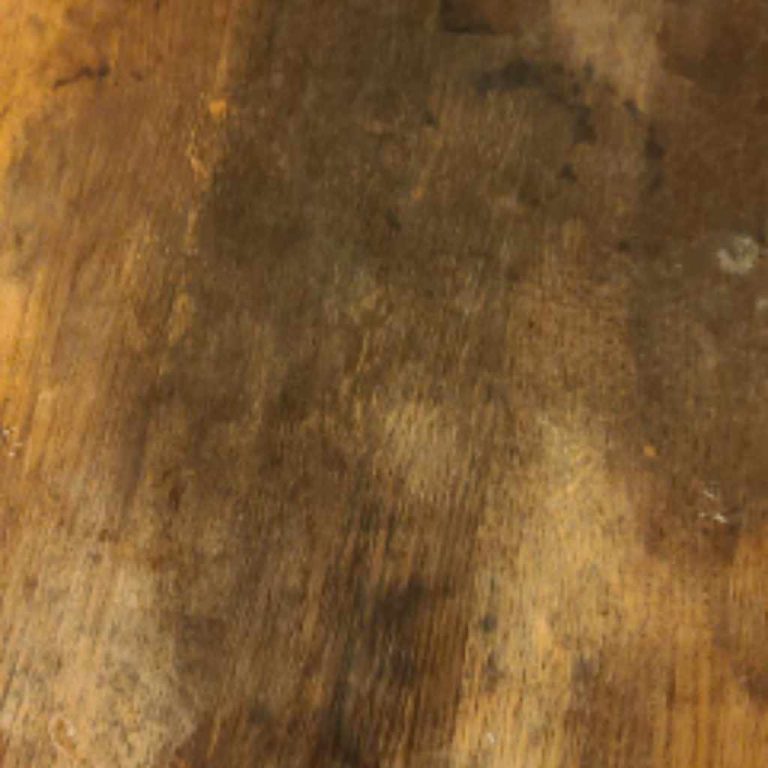
I learned this the hard way: the worse your floors look, the more you’ll pay. If your hardwood has deep scratches, water damage, or pet stains, the contractor may need to sand more aggressively or make repairs. For instance, replacing a few damaged boards or fixing squeaky spots can add $200 to $1,000 to the bill, depending on the extent of the damage. Floors in good shape, with just light wear, are cheaper to restain because they require less prep work.
Type of Wood
Not all wood is created equal. I have oak floors, which are common and relatively easy to restain, so my costs were on the lower end. But if you have exotic woods like Brazilian cherry or mahogany, expect to pay more—sometimes $5 to $10 per square foot. These woods are denser or more delicate, requiring extra care during sanding and staining. Softer woods like pine can also be tricky because they absorb stain unevenly, which might mean additional sanding passes or special treatments.
Type of Stain and Finish
Choosing the right stain and finish is like picking the perfect outfit for your floors. Basic stains, like classic oak or maple tones, are affordable, costing $1 to $4 per square foot for materials. Custom or premium stains, like a trendy gray or weathered look, can push costs higher. The finish matters too. Oil-based polyurethane is durable and gives a warm glow but takes longer to dry. Water-based polyurethane dries faster and is less smelly but might cost more for premium brands. I went with water-based for my kitchen because I couldn’t stand the fumes, and it added about $100 to my project.
Labor Costs and Location
Labor is the biggest chunk of the bill—often 80% of the total cost. Where you live plays a huge role. In big cities like New York or San Francisco, labor rates are higher due to demand and cost of living. I live in a smaller town, so my contractor charged around $2.50 to $5 per square foot for labor. In contrast, metropolitan areas might see rates as high as $7 per square foot. Always get multiple quotes to find a fair price in your area.
Additional Services
I didn’t realize how much extra stuff can add to the cost until I got my first quote. Moving furniture, removing old carpet, or repairing baseboards can tack on hundreds of dollars. For example, professional furniture movers might charge $50 to $150 per room. If your hardwood is hidden under carpet, expect to pay $150 to $250 for removal. Dustless sanding, which uses a vacuum to minimize mess, is pricier—around $5 to $8 per square foot—but worth it if you have allergies or pets.
Here’s a quick table to summarize the main cost factors:
| Factor | Cost Range | Notes |
|---|---|---|
| Square Footage | $3–$8 per sq. ft. | Larger areas cost more but may have lower per-square-foot rates. |
| Floor Condition | $200–$1,000+ for repairs | Deep scratches or water damage increase prep work and costs. |
| Wood Type | $2–$10 per sq. ft. | Exotic or dense woods like mahogany cost more to restain. |
| Stain and Finish Type | $1–$4 per sq. ft. for materials | Custom stains or premium finishes add to the cost. |
| Labor | $2.50–$7 per sq. ft. | Varies by location; urban areas are pricier. |
| Additional Services | $50–$1,000+ | Furniture moving, carpet removal, or dustless sanding add to the total. |

Average Costs of Restaining Hardwood Floors
After talking to contractors and comparing quotes for my own project, I found that the national average cost to restain hardwood floors is around $1,800 to $2,000 for a typical 500-square-foot area. However, costs can range from as low as $600 for a small room to over $6,000 for a whole house. Here’s a breakdown based on project size:
- Small Room (200 sq. ft.): $600–$1,600
- Medium Room (500 sq. ft.): $1,500–$4,000
- Large Area (1,000 sq. ft.): $3,000–$8,000
- Whole House (2,000 sq. ft.): $6,000–$16,000
These numbers assume standard oak floors with moderate wear, using a mid-range stain and finish. If you’re restaining stairs, costs are higher—about $40 to $75 per stair tread—because of the detailed work involved. My staircase alone cost $800 to restain, but it was worth it for that polished look.
DIY vs. Professional Restaining: What I Learned
I’ll be honest—I considered doing the restaining myself to save money. I watched a few YouTube tutorials and thought, “How hard can it be?” But after renting a sander and trying it on a small patch, I realized it’s not as easy as it looks. DIY restaining can save you $1 to $3 per square foot, but it comes with risks. Here’s what I weighed:
DIY Restaining
- Pros: You save on labor costs, which can be 50%–80% of the total bill. Renting a drum sander costs about $50–$100 per day, and materials like stain and polyurethane run $100–$300 for a medium-sized room.
- Cons: Sanding is tricky. I accidentally left swirl marks on my test patch, which looked awful. You also need to deal with dust, dispose of old finishes safely, and nail the staining process to avoid blotches. Plus, it’s time-consuming—expect 2–3 days for a small room.
Professional Restaining
- Pros: Pros have the experience to get it right the first time. They use better equipment, like dustless sanders, and can handle tricky woods or repairs. My contractor finished my 600-square-foot living area in three days, and it looked flawless.
- Cons: It’s pricier. Labor costs can make up most of your budget, especially in high-cost areas.
After my DIY experiment, I hired a pro. The $2,200 I spent was worth it for the peace of mind and perfect finish. If you’re new to this, I recommend leaving it to the experts unless you’re confident with power tools and have time to spare.
How to Save Money on Restaining Hardwood Floors
Restaining isn’t cheap, but I found a few ways to keep costs down without sacrificing quality. Here are my top tips:
- Get Multiple Quotes: I got three quotes from local contractors, and prices varied by nearly $1,000 for the same job. Compare at least three to find a fair deal.
- Do Prep Work Yourself: I moved my furniture and removed old carpet myself, saving about $300. Just make sure the room is empty and clean before the pros arrive.
- Choose Affordable Materials: Stick to common woods like oak or cherry and standard stains. I picked a classic walnut stain that looked amazing and didn’t break the bank.
- Bundle Projects: If you’re restaining multiple rooms, do them at once. Contractors often offer discounts for larger jobs. I saved 10% by doing my living room and dining area together.
- Schedule During Off-Peak Seasons: I booked my project in late fall, when contractors were less busy, and got a slight discount. Spring and summer are peak times, so prices may be higher.
- Maintain Your Floors: Regular cleaning and touch-ups can delay the need for a full restain. I now use a hardwood-safe cleaner and avoid dragging furniture to keep my floors looking fresh.
Hidden Costs to Watch Out For
One thing that caught me off guard was the extra costs that popped up. Here’s what to look out for:
- Furniture Moving and Storage: If you can’t move heavy pieces yourself, budget $50–$150 per room. For longer projects, you might need storage, which can cost $50–$200 per month.
- Repairs: Damaged boards or squeaky floors can add $200–$1,000. My contractor found a few loose boards that needed fixing, which cost an extra $150.
- Cleanup: Sanding creates a lot of dust. Some contractors include cleanup in their quote, but others charge $100–$300 extra. I opted for dustless sanding to avoid the hassle.
- Permit Fees: In some areas, you might need a permit for major refinishing work, especially in historic homes. Check with your local government—fees can range from $50 to $200.
The Value of Restaining Hardwood Floors
Restaining my floors was one of the best home improvements I’ve made. Not only do they look stunning, but they also boosted my home’s value. According to real estate experts, refinishing hardwood floors can recover 100%–147% of the cost when you sell your home. For example, if you spend $3,000, you could add $4,000 or more to your home’s resale value. Plus, it’s a fraction of the cost of replacing floors, which can run $6–$25 per square foot.
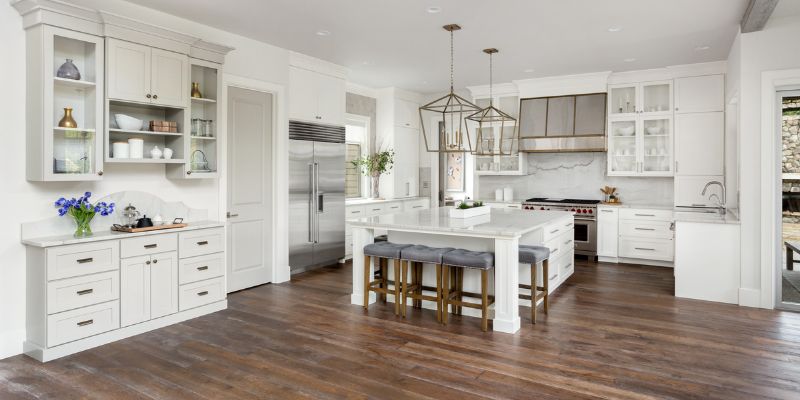
Beyond the financials, there’s something special about walking into a room with freshly stained floors. The rich color and smooth finish make my home feel warm and inviting. Every time guests compliment the floors, I feel a little proud knowing I made a smart investment.
How Long Does Restaining Take?
When I planned my project, I was worried about how long I’d be displaced from my home. A typical restaining job takes 3–6 days, depending on the size and condition of the floors. Here’s a rough timeline based on my experience:
- Day 1–2: Sanding and prep work. This is the messiest part, so you’ll want to stay out of the house if possible.
- Day 3: Staining. The color goes on, and you’ll start to see your floors transform.
- Day 4–5: Applying the finish. Multiple coats of polyurethane are applied, with drying time between each coat (4–24 hours, depending on the type).
- Day 6: Curing. You can walk on the floors lightly after 24 hours, but wait 3–4 days before moving furniture back.
Oil-based finishes take longer to dry—up to 24 hours per coat—while water-based ones dry in 4–6 hours. My contractor used water-based polyurethane, so I was back in my living room in four days.
Choosing the Right Contractor
Finding a good contractor made all the difference for me. Here’s how I picked mine:
- Check Reviews: I read online reviews and asked friends for recommendations. Look for contractors with a track record of quality work.
- Ask for References: My contractor showed me photos of past projects and let me call a previous client. It gave me confidence in their skills.
- Get Detailed Quotes: Make sure the quote includes everything—sanding, staining, finishing, and cleanup. Vague quotes can lead to surprise costs.
- Verify Licensing and Insurance: A licensed contractor is less likely to cut corners, and insurance protects you if something goes wrong.
I also asked about their process, like whether they use dustless sanding or eco-friendly finishes. A good contractor will answer your questions patiently and explain their approach.
Conclusion
Restaining my hardwood floors was a game-changer for my home, and I hope this guide helps you navigate the process with confidence. From understanding the costs—$3 to $8 per square foot, depending on your floors and location—to weighing DIY versus professional work, you now have a roadmap to plan your project. By budgeting for hidden costs, choosing the right materials, and picking a reliable contractor, you can transform your floors without breaking the bank. The result? A beautiful, durable surface that makes your home feel brand new and boosts its value. So, go ahead and take the plunge—your floors deserve it, and you’ll love the difference it makes!
FAQs
How Often Should I Restain My Hardwood Floors?
It depends on wear and tear. In my home, with moderate foot traffic, I expect to restain every 7–10 years. High-traffic areas or homes with pets might need it every 5–7 years. Regular cleaning and maintenance can stretch this timeline.
Can I Restain My Floors a Different Color?
Yes, you can! I changed my oak floors from a light honey to a darker walnut, and it completely transformed the room. Just know that going from dark to light is trickier and may require extra sanding, which can increase costs by $1–$2 per square foot.
Is Restaining Hardwood Floors Worth the Cost?
Absolutely. For me, spending $2,200 on my living room and staircase was worth every penny. It’s cheaper than replacing floors and can boost your home’s value by up to 147%. Plus, it makes your space look and feel amazing.
Can I Stay in My Home During Restaining?
It’s possible but not ideal. The sanding is dusty and noisy, and the fumes from stains and finishes can be strong. I stayed at a friend’s place for three days during the messiest parts. If you stay, seal off the work area and ventilate well.
How Do I Maintain My Newly Stained Floors?
I sweep my floors weekly with a soft broom and use a hardwood-safe cleaner monthly. Avoid harsh chemicals or wet mops, as they can damage the finish. Felt pads on furniture legs and area rugs in high-traffic spots help prevent scratches.