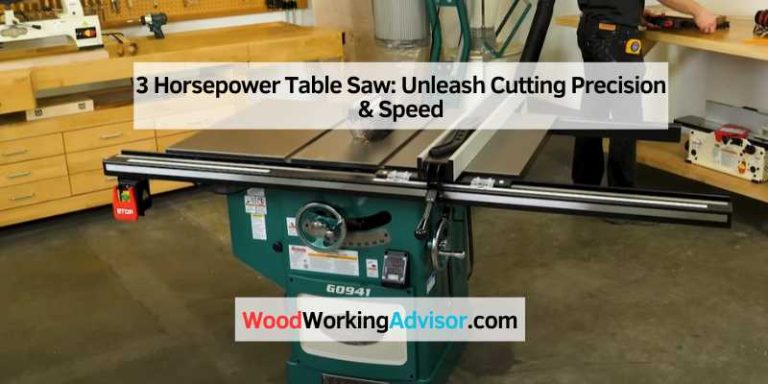
My Dusty Workshop Wake-Up Call
I love my Ryobi table saw. It’s great for cutting wood, but boy, does it make a mess! One day, sawdust covered my garage floor, my clothes, and even my dog. I knew I needed better Ryobi table saw dust collection. This article shares easy ways to keep your workshop clean. I’ll explain what dust collection is, show simple setups, and give tips to save money. Whether you’re new to woodworking or a pro, you’ll find clear ideas here. Let’s make your Ryobi saw less dusty!
What Is Ryobi Table Saw Dust Collection?
Dust collection catches sawdust when you cut wood. It keeps your workspace clean and safe. Ryobi table saws, like the RTS23 or BT3000, often have a dust port. This is a small hole where dust goes out. You can attach a shop vac or bag to it. A good system stops dust from flying everywhere. It also helps you breathe better and work safely.
Why Dust Collection Matters
Sawdust isn’t just messy. It can hurt your lungs if you breathe it. It also makes your tools dirty and hard to use. A clean shop looks nice and feels safe. For example, I built a birdhouse with my Ryobi saw. Without dust collection, sawdust got in my eyes! Good dust collection saves time cleaning and keeps you healthy. Fine Woodworking says dust control is key for safe woodworking Fine Woodworking.
Common Dust Collection Problems
Some Ryobi saws, like the RTS21G, don’t have dust ports. Dust falls out the bottom. Others, like the RTS23, have ports that aren’t airtight. This lets dust escape. I’ve seen sawdust blow right at my face! Many beginners struggle with finding cheap, easy solutions. Don’t worry—I’ll show you simple fixes.
Easy Dust Collection Solutions for Your Ryobi Table Saw
You don’t need fancy tools to control dust. Here are three easy ways to improve Ryobi table saw dust collection. I’ve tried these in my garage, and they work great.
Option 1: Use a Shop Vac
A shop vac is a powerful vacuum for dust. Most Ryobi saws, like the RTS23, have a 2.5-inch dust port. You can connect a shop vac hose to it. I use a Ridgid shop vac from Home Depot Home Depot. It’s strong and catches most dust. Make sure the hose fits tightly to avoid leaks.
Steps to Connect a Shop Vac
- Check your saw’s dust port size (usually 2.5 inches).
- Get a shop vac with a matching hose.
- Attach the hose to the dust port.
- Turn on the vac before cutting.
- Empty the vac when it’s full.
Table 1: Shop Vac Options for Ryobi Table Saws
| Brand | Model | Cost | Dust Port Size | Notes |
|---|---|---|---|---|
| Ridgid | WD1450 | $99 | 2.5 inches | Strong suction, durable |
| Shop-Vac | 5989300 | $79 | 2.5 inches | Affordable, easy to find |
| Craftsman | CMXEVBE17590 | $89 | 2.5 inches | Good for small shops |
| Caption: Compare shop vacs for easy Ryobi dust collection. |
Option 2: Dust Collection Bag
A dust bag catches sawdust without a vacuum. You can buy one for about $20 on Amazon Amazon. It fits saws with a 2.5-inch port. I tried a bag on my Ryobi BT3000. It caught 95% of the dust, but it needs emptying often.
Pros and Cons of Dust Bags
- Pros: Cheap, easy to install, no power needed.
- Cons: Fills up fast, not as strong as a shop vac.
Option 3: DIY Dust Collection Box
You can make a dust box from cardboard or wood. I built one for my RTS21G, which has no dust port. It sits under the saw and catches dust. It’s super cheap and works well.
How to Make a DIY Dust Box
- Measure your saw’s base (mine was 14 inches square).
- Cut cardboard or wood to fit under the saw.
- Tape or glue sides to make a box.
- Add a hole for a shop vac hose (optional).
- Place it under your saw to catch dust.
Visual Idea: A diagram showing a cardboard box under a Ryobi saw with a hose attached.

Tools and Materials You Need
You don’t need much to start. Here’s a simple list:
- Shop vac (2.5-inch hose, $50-$100).
- Dust bag ($15-$25).
- Cardboard or wood for a DIY box (free or $10).
- Tape or glue for sealing ($5).
- Measuring tape to check sizes ($10).
Table 2: Cost Comparison for Dust Collection
| Solution | Cost | Setup Time | Effectiveness |
|---|---|---|---|
| Shop Vac | $50-$100 | 5 minutes | High |
| Dust Bag | $15-$25 | 2 minutes | Medium |
| DIY Dust Box | $0-$10 | 20 minutes | Medium |
| Caption: Choose the best dust collection based on budget and effort. |
Benefits of Good Dust Collection
A clean shop makes woodworking fun. Dust collection stops sawdust from spreading. It keeps your lungs safe and tools working well. I noticed my Ryobi saw cuts better when it’s clean. You’ll also spend less time sweeping. A shop vac or bag can catch 90% of dust, says Wood Magazine Wood Magazine.
Drawbacks to Watch For
Some solutions aren’t perfect. Dust bags fill up fast. Shop vacs can be loud. DIY boxes might not catch everything. I once forgot to empty my dust bag, and it spilled everywhere! Check your setup before each cut.
My Top Tips for Ryobi Dust Collection
Here are my favorite tricks:
- Seal gaps: Use tape to close leaks around the dust port.
- Check hose fit: A loose hose lets dust escape.
- Empty often: Full bags or vacs don’t work well.
- Wear a mask: Even with collection, some dust flies.
Visual Idea: A photo of a shop vac connected to a Ryobi saw’s dust port.
Common Mistakes to Avoid
Beginners make simple errors. Don’t skip the dust port connection. A loose hose makes a mess. Don’t use a weak vacuum—it won’t catch dust. I once used a small vac, and dust flew everywhere. Also, clean your saw regularly. Dust buildup can jam the blade.
Alternative Dust Collection Ideas
If a shop vac or bag isn’t for you, try these:
- Big funnel: Place a funnel under the saw to guide dust into a bucket.
- Plastic bag: Clip a garbage bag under the saw (90% effective).
- Dust collector: A 2 HP dust collector works for big shops but costs more.
Table 3: Alternative Dust Collection Methods
| Method | Cost | Effectiveness | Best For |
|---|---|---|---|
| Funnel | $5-$10 | Medium | Small projects |
| Plastic Bag | $2-$5 | High | Occasional use |
| Dust Collector | $200+ | Very High | Large workshops |
| Caption: Explore other ways to catch Ryobi saw dust. |
My Dust Collection Story
When I started woodworking, dust was my enemy. My Ryobi RTS21G had no dust port, so sawdust covered everything. I made a cardboard box to catch it. It cost nothing and worked great! Later, I got a shop vac for my RTS23. Now, my shop stays clean, and I enjoy cutting wood more. You can do this too!
Visual Idea: A sketch of a Ryobi saw with a cardboard box and shop vac setup.
Frequently Asked Questions
What Is a Dust Port on a Ryobi Table Saw?
A dust port is a hole on your saw. It lets dust go into a bag or vacuum. Most Ryobi saws, like the RTS23, have a 2.5-inch port. Connect a shop vac to it. This keeps your shop clean and safe.
Can I Use a Shop Vac for Dust Collection?
Yes, a shop vac works great. It sucks dust through the dust port. I use a Ridgid vac with a 2.5-inch hose. It catches most dust. Just make sure it fits tightly.
How Do I Collect Dust Without a Dust Port?
If your saw has no port, use a DIY box. Place cardboard or wood under the saw. I did this for my RTS21G. It catches dust falling from the blade. A garbage bag works too.
Are Dust Bags Better Than Shop Vacs?
Dust bags are cheaper and easier to set up. They cost about $20 and catch 90% of dust. Shop vacs are stronger but louder. I prefer a vac for big projects.
How Do I Keep Dust From Blowing in My Face?
Dust can blow if the port leaks. Seal it with tape. Use a shop vac to pull dust away. I had dust in my face once—sealing the port fixed it!
Is Dust Collection Safe for My Ryobi Saw?
Yes, it’s safe. Dust collection doesn’t block airflow to the motor. Just don’t remove the blade guard. I’ve used a shop vac for years with no issues.
Where Can I Buy Dust Collection Accessories?
You can find dust bags and vacs at Home Depot or Amazon. I got my dust bag online for $15. Check your saw’s port size first (usually 2.5 inches).
Conclusion
Ryobi table saw dust collection is easy and important. A shop vac, dust bag, or DIY box can keep your shop clean. Try one of these ideas for your next project. A clean workspace makes woodworking fun and safe. Share your dust collection tips in the comments! Let’s keep our shops dust-free together!