Sam Maloof Woodworking Process: Master Craft Secrets
Sam Maloof’s woodworking process emphasizes craftsmanship, blending traditional techniques with a modern aesthetic. He meticulously shapes wood, creating functional art that showcases natural beauty.
Sam Maloof is a renowned figure in woodworking, celebrated for his unique approach and exquisite craftsmanship. His furniture pieces are not just functional items; they are works of art that reflect a deep appreciation for natural materials. Maloof’s process involves selecting high-quality woods, often featuring rich grains and colors.
He skillfully combines hand tools and innovative techniques to achieve a seamless finish. Each piece tells a story, highlighting the beauty of the wood while ensuring durability. By focusing on form and function, Maloof’s creations continue to inspire both woodworkers and art enthusiasts alike, making his work timeless and influential in the woodworking community.
The Legacy Of Sam Maloof
Sam Maloof began his journey in woodworking as a young boy. He learned from his father, who made furniture. Using simple tools, he created beautiful pieces. His passion for wood grew over time.
In the 1940s, Maloof gained attention for his unique style. His designs featured smooth curves and organic shapes. This set him apart from other craftsmen. Many people admired his work, leading to his fame.
Sam’s furniture became popular among collectors and museums. His pieces are now considered art. Today, his legacy lives on through new woodworkers inspired by him.

Maloof’s Signature Style
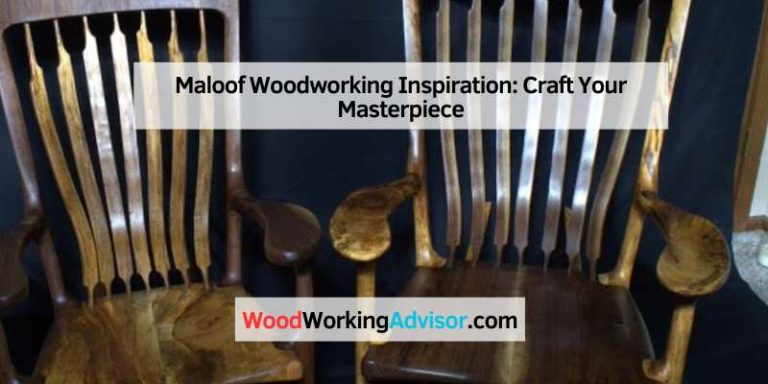
Sam Maloof created unique designs that stand out in woodworking. His style blends functionality with beauty. Maloof’s furniture often features smooth curves and natural shapes. Each piece tells a story through its form.
His innovative techniques set him apart from other woodworkers. Maloof used a method called lamination to create strong structures. This process involved gluing thin layers of wood together. It allowed for flexibility and strength in his designs.
Another technique was his hand-carving skills. Maloof carved intricate details by hand, giving his furniture a personal touch. His use of natural finishes enhanced the wood’s beauty while protecting it.
Materials And Tools
Choosing the right wood is essential for Sam Maloof’s woodworking process. Hardwoods like oak, walnut, and cherry work best. Each wood type has a unique color and grain. Think about the final look you want. Softwoods can be used, but they are less durable.
Essential tools for Maloof’s techniques include a bandsaw, lathe, and hand chisels. A bandsaw helps shape the wood accurately. The lathe is great for creating rounded pieces. Hand chisels allow for fine details and smooth finishes. Investing in quality tools makes a big difference.
The Woodworking Process
The woodworking process starts with selecting raw wood. Each piece is unique and requires careful inspection. After choosing the wood, it’s cut into rough shapes. This step helps to outline the final design.
Next, tools like chisels and saws shape the wood further. Sculpting fine details is an art in itself. Craftsmen focus on curves and smooth surfaces. Patience is key during this phase. Every small detail adds to the piece’s beauty.
Finishing touches often include sanding and polishing. This makes the wood feel smooth and look shiny. The entire process showcases skill and creativity.
Joinery Techniques
Sam Maloof is famous for his unique woodworking style. His joinery techniques are unmatched.
One of Maloof’s signature joints is the tenon and mortise. This joint offers strong support. It holds pieces together securely.
Another key feature is the bridle joint. This technique provides both strength and beauty. It creates a seamless look in furniture.
Maloof also used half-blind dovetails. This joint hides the end grain. It adds a clean finish to his pieces.
These joinery methods showcase Maloof’s dedication to craftsmanship. They ensure durability and elegance in every piece.
Finishing Touches
Sanding is a crucial part of the finishing process. Use different grits to achieve a smooth surface. Start with a coarser grit and gradually move to finer ones. Always sand in the direction of the grain. This helps avoid scratches and gives a better finish.
After sanding, clean the surface thoroughly. Dust can ruin the final look. Use a vacuum and a damp cloth to remove all particles.
Applying the finish should be done with care. Use a high-quality brush for best results. Apply thin coats to avoid drips and unevenness. Allow each coat to dry completely before adding the next one.
Consider using a protective topcoat. This adds durability and enhances the wood’s natural beauty. Always follow the manufacturer’s instructions for the best outcome.
Preserving Maloof’s Legacy
Sam Maloof’s woodworking process is a treasure. It brings beauty and craftsmanship together. Preserving his legacy is important for future generations.
Educational programs help people learn about Maloof’s techniques. Workshops and classes teach students his unique methods. They encourage creativity and inspire new woodworkers.
Museums and exhibitions showcase his amazing work. Visitors can see his furniture up close. These displays highlight the artistry and skill behind each piece. They celebrate Maloof’s influence on woodworking.
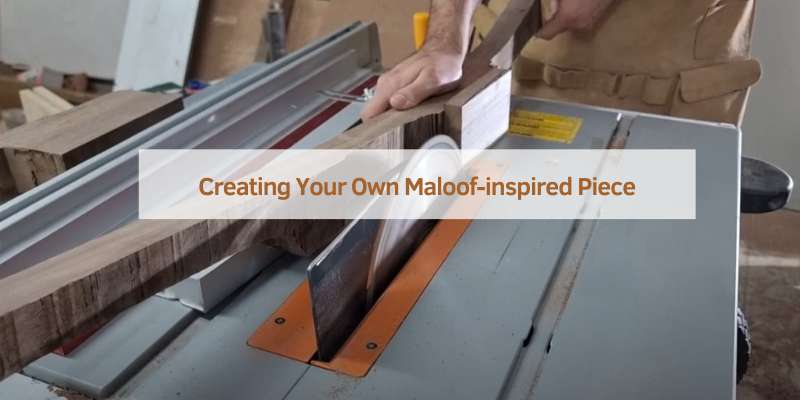
Creating Your Own Maloof-inspired Piece
Start by finding inspiration from Sam Maloof’s unique style. Look at his curves and designs. Sketch your ideas on paper. Think about how you want your piece to look.
Next, gather your materials. Choose high-quality wood that suits your design. Popular options include oak, cherry, and walnut. Make sure your tools are ready for use.
Plan your steps carefully. Cut the wood pieces according to your sketches. Use sandpaper to smooth out rough edges. Assemble your piece using strong joinery techniques.
Finally, apply a finish. Use oil, lacquer, or varnish to protect the wood. This step enhances the beauty of your Maloof-inspired creation.
Frequently Asked Questions
What Is The Sam Maloof Woodworking Style?
Sam Maloof’s woodworking style is characterized by organic shapes and smooth lines. He often used native hardwoods, creating pieces that are both functional and artistic. His designs emphasize craftsmanship and simplicity, making each piece a unique work of art. Maloof’s style has influenced many contemporary woodworkers.
How Did Sam Maloof Start Woodworking?
Sam Maloof began woodworking as a hobby while working as a painter. He quickly developed a passion for crafting furniture, experimenting with various techniques. Over time, he gained recognition for his innovative designs and exceptional craftsmanship. His unique approach transformed woodworking into an art form.
What Types Of Wood Did Sam Maloof Use?
Maloof primarily used native hardwoods like walnut, cherry, and oak. These woods provided durability and beauty, showcasing the natural grain. He often selected wood that aged gracefully, enhancing the overall appearance of his furniture. Maloof believed in using materials that connected to his Southern California roots.
What Techniques Did Sam Maloof Employ?
Sam Maloof employed various techniques, including hand-carving and steam-bending wood. He focused on creating ergonomic designs that were comfortable and visually appealing. Maloof’s attention to detail and finishing techniques set his work apart. His methods have become a benchmark in the woodworking community.
Conclusion
Sam Maloof’s woodworking process showcases a blend of artistry and craftsmanship. His attention to detail and use of quality materials set a standard in furniture design. Embracing his techniques can inspire both novice and seasoned woodworkers. Exploring Maloof’s methods enriches our appreciation for fine woodworking and its enduring legacy.