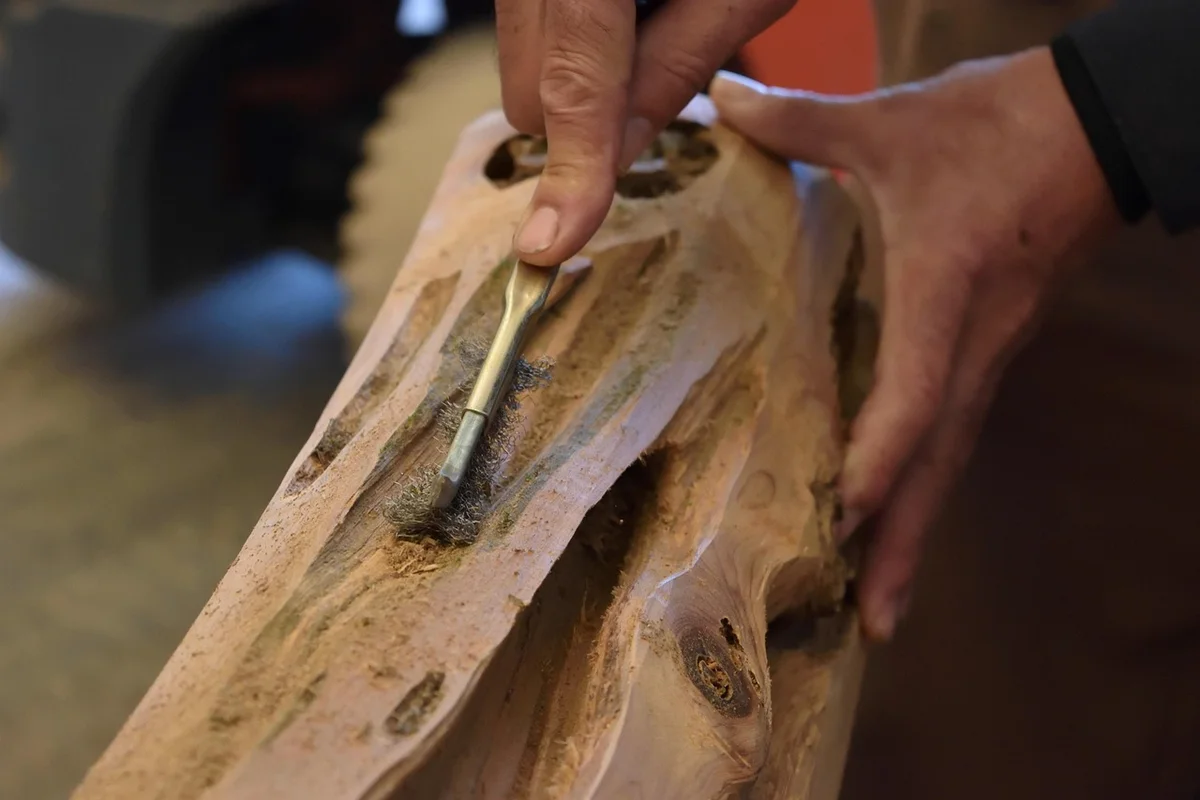
Maloof Woodworking Inspiration: How Makers Carry His Style Forward Today
If you want Sam Maloof’s own design philosophy, we cover that in depth in our chair design guide. This page is about something different: how that philosophy actually shows up in what other woodworkers are building today, and a realistic starting point if his work is what made you want to pick up a carving tool in the first place.
Where His Influence Actually Shows Up Today
Best Beginner Carving Set Pick
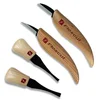
Flexcut Beginner Palm & Knife Carving Set – $75.96
The hand-shaping skill behind every Maloof curve starts small — this beginner set is built for learning control before you ever touch a chair blank.
- Best for: Learning controlled hand-shaping before attempting furniture
- Why we picked it: High-carbon steel blades designed specifically for beginners to learn safe technique
- Main drawback: Costs more than a basic whittling knife for someone still deciding if carving is for them
Compare more beginner carving/shaping options
 Option 1 BeaverCraft Wood Spoon Carving Kit for Beginners – $36.99
|
 Option 2 Basswood Hardwood Bowl Blank, 5″ x 5″ x 2″ – $16.36
|
 Option 3 HURRICANE 12-Piece Wood Carving Tool Set – $46.79
|
Maloof’s influence isn’t abstract — it’s traceable in specific, ongoing communities and institutions:
- The Sam and Alfreda Maloof Foundation runs active craft education programming out of his preserved home and workshop in Rancho Cucamonga, California — not a static museum, but a place still teaching the techniques.
- Fine Woodworking magazine and forums regularly feature reader-built “Maloof-inspired” rockers and chairs, with builders documenting their own joint-shaping attempts and comparing notes.
- Plan sellers like Hal Taylor have built entire businesses around teaching Maloof-style rocker construction to hobbyists, decades after Maloof’s own chairs first appeared.
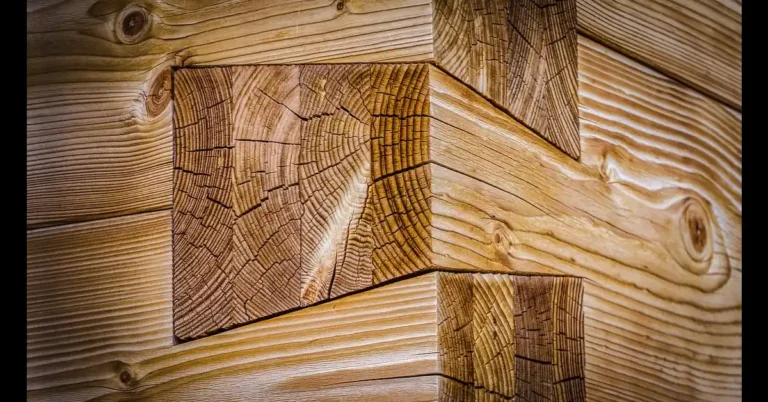
- Contemporary studio furniture makers cite Maloof’s “structure as ornament” approach — joinery visible and celebrated rather than hidden — as a direct influence on their own work, distinct from painted or upholstered furniture traditions.

A Realistic Starting Point, Not A Rocker On Day One
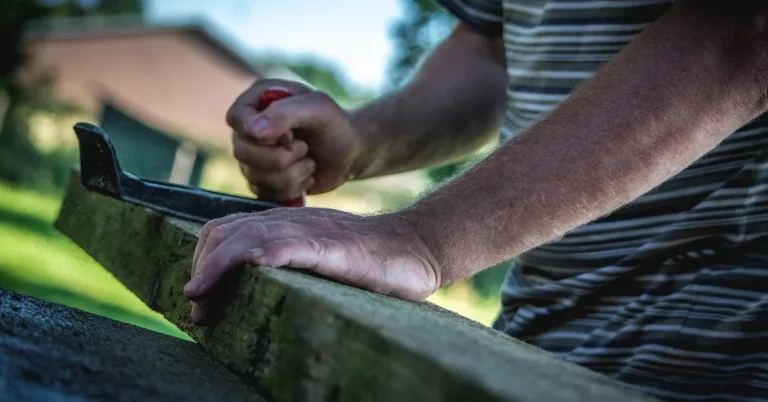
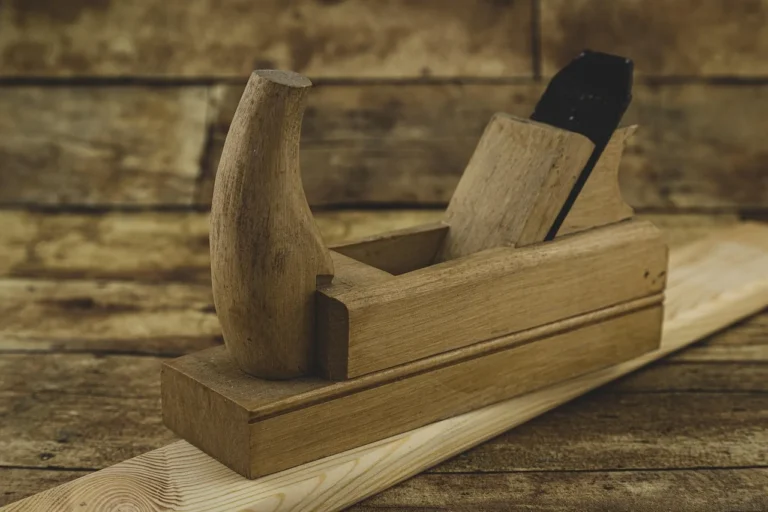
A full Maloof-style rocker realistically takes over 200 hours for an experienced builder — not a reasonable first project if what you actually have is enthusiasm and a photo of a chair you like. A more honest starting point: practice the actual skill the design depends on — shaping a compound curve by hand with a knife or spokeshave on a small, forgiving project — before committing hardwood and weeks to a full chair. A carved spoon or small bowl uses the identical hand-shaping skill on a much smaller, cheaper piece of wood, and mistakes cost you an hour, not a $50 walnut board.
From Small Carving To An Actual Chair Attempt
Once the hand-shaping feels controlled rather than accidental, the next honest step is a real plan, not guesswork — see our guide to legitimate Maloof rocker plan sources, and read through the actual joint construction sequence before cutting anything, since the oversized-then-carved-down approach is the part beginners most often skip past.
Frequently Asked Questions
How Does Sam Maloof Still Influence Woodworkers Today?
Through active channels, not just admiration of old photos: the Maloof Foundation’s ongoing education programs, Fine Woodworking’s reader-built Maloof-inspired projects, plan sellers like Hal Taylor still teaching his joinery approach, and contemporary furniture makers who cite his visible-joinery philosophy directly.
Is A Maloof-Style Chair A Good First Woodworking Project?
No. A full rocker realistically takes over 200 hours even for experienced builders. Practice the hand-shaping skill first on a small carved project like a spoon or bowl, where mistakes are cheap, before attempting a full chair.
Where Can I Learn Maloof-Style Techniques In Person?
The Sam and Alfreda Maloof Foundation in Rancho Cucamonga, California runs craft education programming at Maloof’s preserved home and workshop. Independent plan sellers and instructors, including Hal Taylor, also teach this joinery style directly to hobbyists.
Bottom Line
Maloof’s influence today is active, not just historical — real programs, real plan sellers, and a real community still building on his approach. If his work is what pulled you toward woodworking, start with the hand-shaping skill on something small, then move to a real plan rather than guesswork. See our guide to Sam Maloof’s legacy for the fuller career story behind the influence.
Sponsored / affiliate links. As an Amazon Associate I earn from qualifying purchases. I may earn additional commission from eligible campaigns.