Should You Prime MDF Before Caulking? Expert Tips
Yes, prime MDF before caulking – not after. The reason is specific to MDF: its cut edges and surface are extremely absorbent, and wet caulk applied directly to raw MDF loses moisture into the board unevenly, which can make the caulk skin over and crack before it fully cures. Priming first seals that absorbency so the caulk cures normally, and it also prevents a visible “halo” effect where paint looks different over raw MDF than it does over the caulked seam right next to it.
Why MDF Specifically Needs This Order
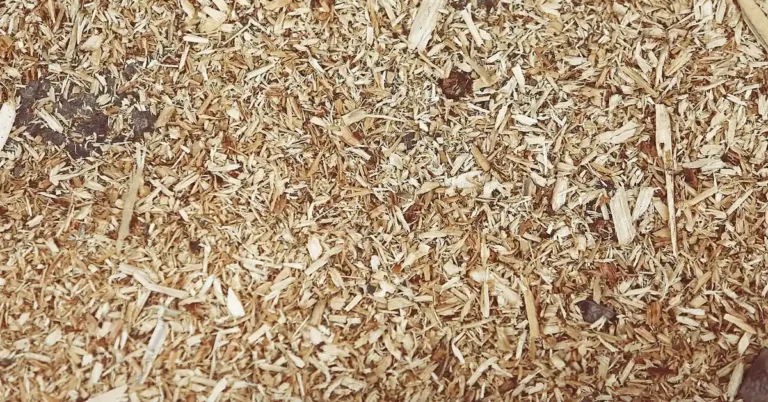
MDF (medium-density fiberboard) is made of compressed wood fibers and resin, and unlike solid wood, it has no grain structure to slow moisture movement – raw MDF pulls in moisture fast and, more importantly, doesn’t fully spring back once it’s swollen. Wet caulk sitting against unprimed MDF can telegraph this: the board draws water out of the caulk bead unevenly, which shows up later as a caulk line that cracks or separates from the seam months after painting, even though it looked fine on installation day.
Best For The Actual Caulking Step
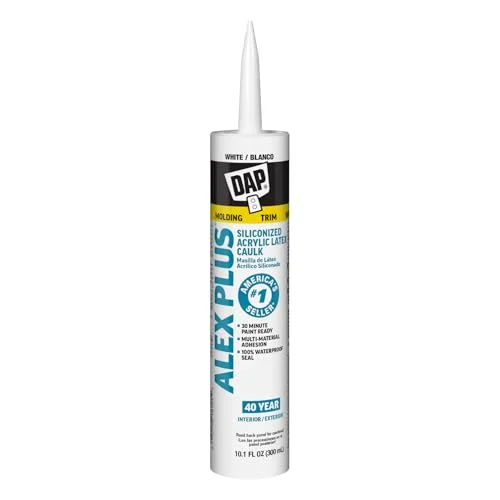 |
DAP Alex Plus Acrylic Latex Caulk with Silicone – $2.97 Once your MDF trim is primed, this is the caulk to run along the seam – paintable in 30 minutes, which matters if you’re priming, caulking, and painting in the same session.
|
The Correct Order, Step by Step
- Install the MDF trim and let it acclimate to the room before finishing.
- Sand and clean the surface – remove dust with a damp (not wet) cloth, and let it dry fully.
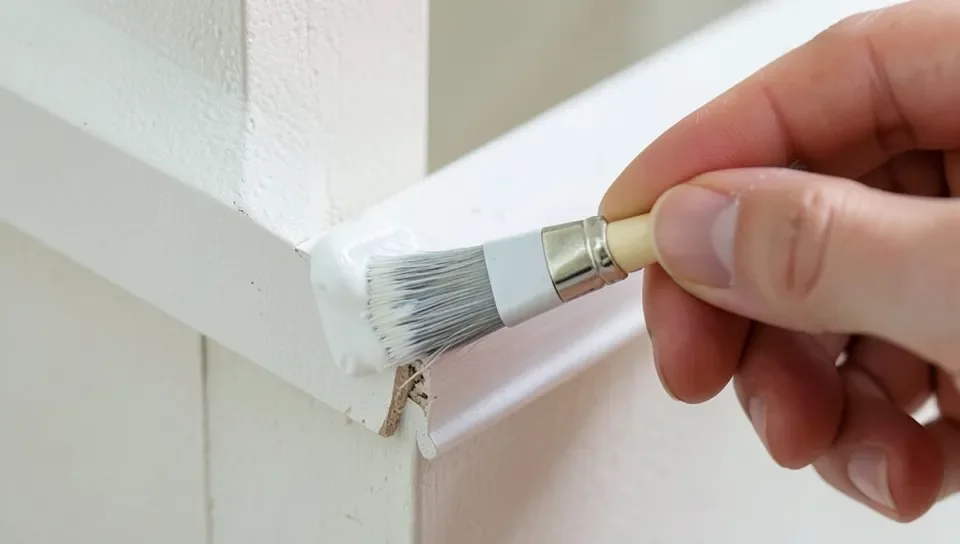
- Prime everything, including cut ends and any exposed edges, which absorb moisture fastest. A shellac-based or stain-blocking primer seals MDF’s raw fibers more effectively than a thin all-purpose primer.
- Let the primer dry fully per the label – caulking over tacky primer defeats the purpose of priming first.
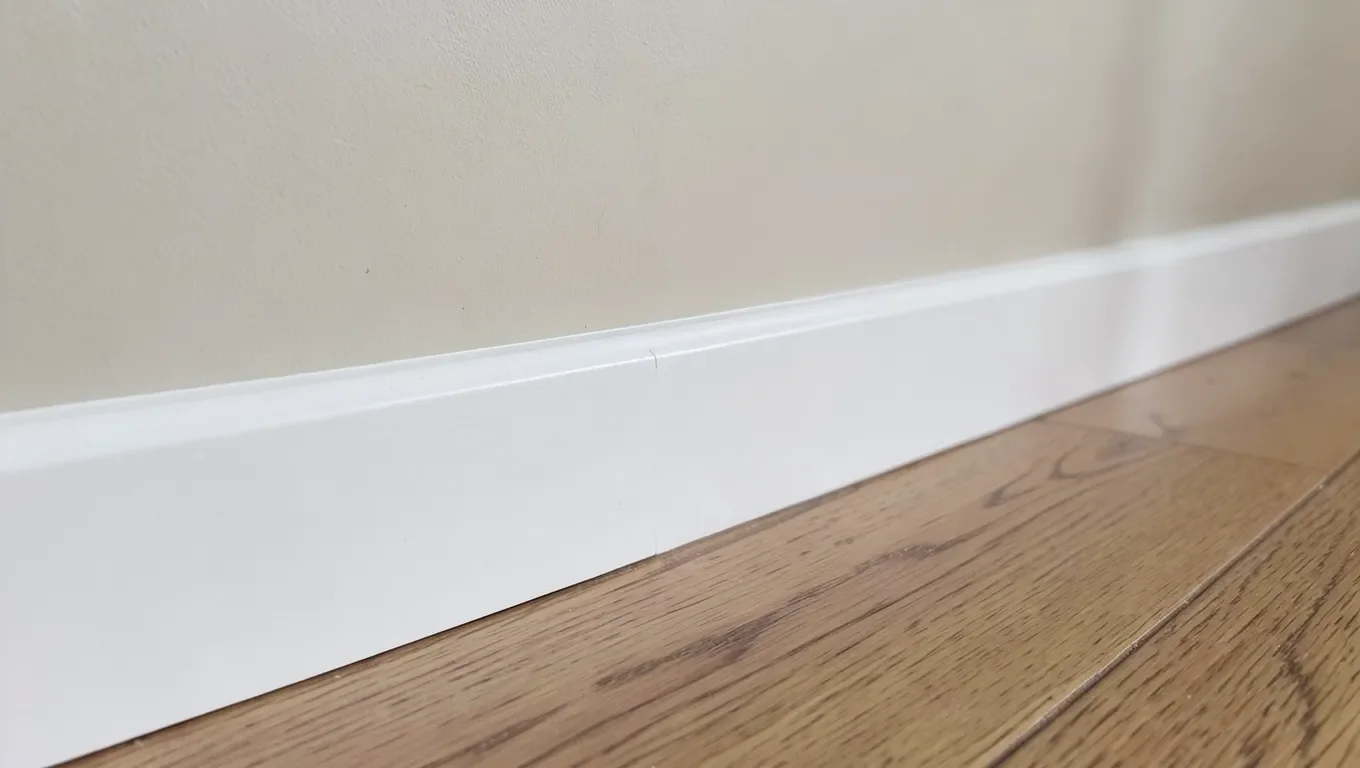
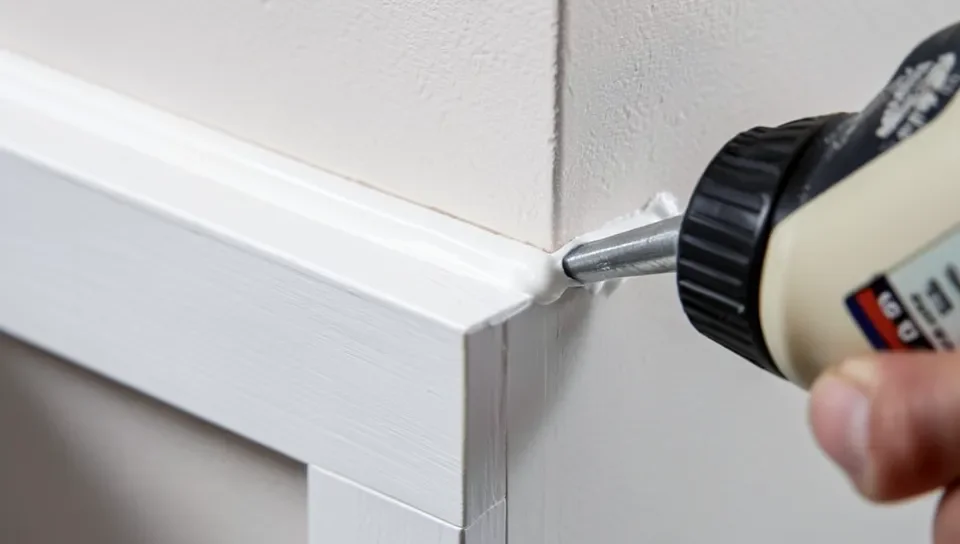
- Caulk the seams – where trim meets the wall, ceiling, or other trim pieces, and fill nail holes.
- Let the caulk skin over (check the product’s paint-ready time) before applying the finish coat of paint over both the primed MDF and the caulked seams together.
Choosing a Primer for MDF
A shellac-based or dedicated stain-blocking primer seals MDF’s raw fibers more thoroughly than a standard latex primer, which matters more here than on solid wood since MDF has no natural moisture resistance to fall back on. Water-based primers are lower odor and easier cleanup for interior trim; oil-based or shellac-based primers give a harder seal, which is worth the extra smell and cleanup time on cut edges and high-moisture areas like bathroom trim.
Common Mistakes
- Skipping cut ends. Face surfaces get primed but the sawn ends – the most absorbent part of the board – get missed.
- Caulking before the primer is dry. Wet-on-wet application prevents either layer from curing properly.
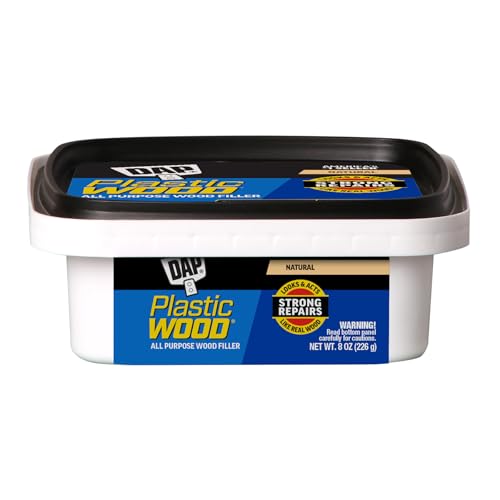
- Overfilling gaps with caulk. Caulk is for seams and hairline gaps, not a substitute for a proper wood filler on larger voids.
Conclusion
Prime MDF before caulking, not after – the sequence matters specifically because MDF’s raw fibers are more absorbent than solid wood and will pull moisture from wet caulk unevenly if left unprimed. Prime everything including cut ends, let it dry fully, then caulk the seams, then paint over both together for a seam that holds up rather than cracking months later.
Frequently Asked Questions
Do you prime MDF before caulking?
Yes. Priming first seals MDF’s absorbent raw fibers so the caulk cures evenly and prevents a visible paint-color mismatch between the primed board and the caulked seam.
Should you prime wood before caulking?
Yes, though solid wood is less urgent than MDF since it has natural moisture resistance MDF lacks. Priming first still improves paint adhesion and gives a more even finish across the seam.
Do you caulk trim before or after primer?
Prime first, then caulk – the reverse order is a common mistake. Priming first seals the surface so the caulk cures against a sealed, stable substrate instead of raw, moisture-absorbing MDF.
Will caulking stick to bare wood?
Yes, caulk will physically stick to bare wood or MDF – adhesion isn’t the main issue. The real reason to prime first is moisture control and a consistent painted finish, not whether the caulk bonds.
Sponsored / affiliate links. As an Amazon Associate I earn from qualifying purchases. I may earn additional commission from eligible campaigns.