Should You Prime MDF Before Painting? (2 Rare Exceptions)
Yes, you should prime MDF before painting — its exposed fibers and cut edges soak up paint unevenly and leave blotchy, dull patches. Skipping primer on raw or cut MDF edges can waste an entire coat of paint and still show through the topcoat within weeks. This guide covers the two real exceptions when priming isn’t required, which primer type actually works on MDF, and how shellac and oil-based dry times compare.
Disclosure: This post may contain affiliate links. As an Amazon Associate we earn from qualifying purchases.
When You Can Skip Priming MDF (2 Real Exceptions)
Best MDF Primer Pick
Zinsser B-I-N Shellac Primer-Sealer
Dries to the touch in 15 minutes and is ready to recoat in about 45 — the fastest way to get two coats on raw MDF edges in a single afternoon.
- Best for: cut MDF edges and multi-coat priming jobs
- Why we picked it: fastest dry-to-recoat time of any primer type on this list, seals stains and odors in one coat
- Main drawback: strong solvent smell, needs ventilation
Compare more MDF priming options
 Option 1 Zinsser Cover-Stain Oil Primer Spray
|
 Option 2 3M Sanding Sponge, 220 Grit
|
 Option 3 Gorilla Wood Filler Kit
|
As an Amazon Associate we earn from qualifying purchases.
Priming is the default rule for MDF, but it is not absolute. Two situations genuinely let you skip it:
- Factory-sealed MDF with no cut edges. Some pre-finished or melamine-faced MDF panels are sealed under high heat and pressure at the factory, so the faces already resist paint absorption. If every edge of the panel stays factory-sealed (no ripping, no routing, no drilled-and-exposed core), you can skip priming those sealed faces — but any edge you cut still needs primer.
- MDF that’s already painted and sealed. If a piece was properly primed and painted in the past and the finish is intact, you can usually go straight to a fresh topcoat without re-priming, as long as you scuff-sand first for adhesion.
Outside of those two cases, prime it. If you’re unsure whether your specific board qualifies, our breakdown of when priming MDF is truly mandatory walks through more edge cases.
Why MDF Absorbs Paint Unevenly
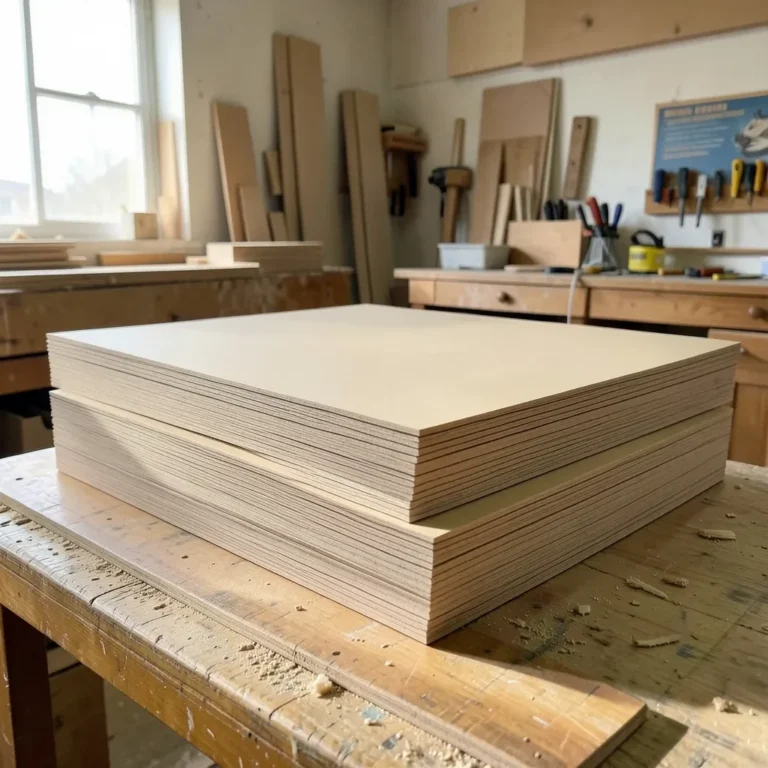
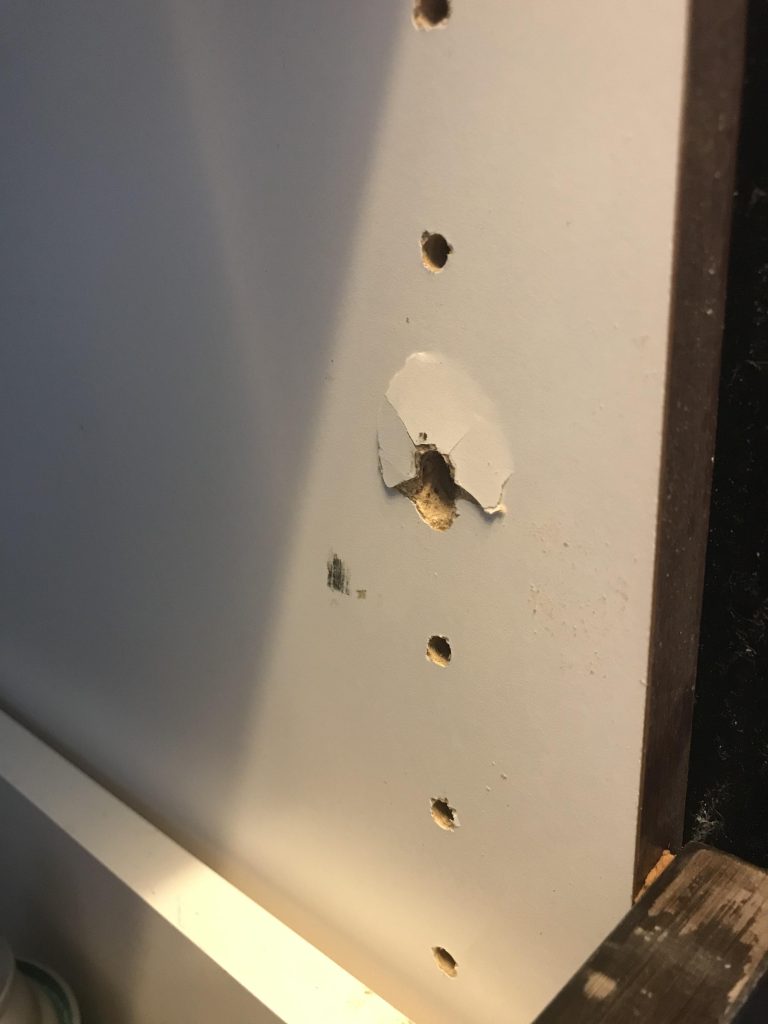
MDF is compressed wood fibers bonded with resin, not solid wood grain. The face is smooth and fairly dense, but any cut edge exposes loose, porous fiber that drinks paint like a sponge. Unprimed, that edge absorbs noticeably more paint than the face — which is why MDF edges are almost always the first place blotching, dark rings, and dull patches show up, even when the flat faces look fine. A rough or chipped cut edge makes this worse, since a chipped surface has even more exposed fiber to soak up paint unevenly — see our guide on preventing MDF from chipping when you cut it, before you get to priming.
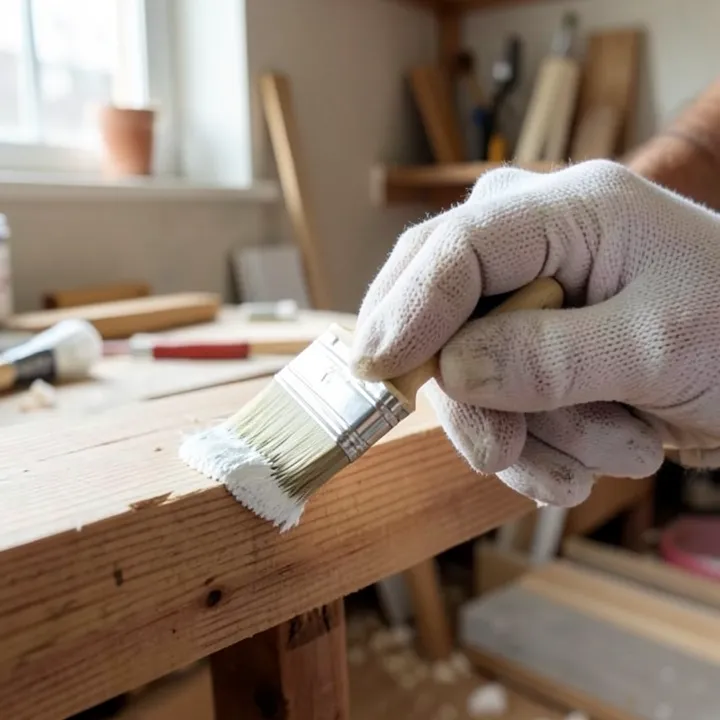
Primer is a sealing coat that fills that porous surface before color paint goes on, creating a uniform base so the topcoat absorbs evenly and adheres instead of soaking in. Without it, you’ll typically need two or three extra topcoats just to even out the blotching — primer is the cheaper fix.
📊 MDF edges absorb roughly 2-3x more primer than factory-sealed faces, which is why manufacturers specifically call out edge-priming as a separate step — Source: Rust-Oleum/Zinsser B-I-N Technical Data Sheet
Which Primer Actually Works on MDF (Never Latex)
Solvent-based primer is a primer formulated with an oil or shellac carrier instead of water, and it’s the only category that belongs on raw MDF. Never use a plain latex or water-based wall primer on unsealed MDF — the water in it soaks into the exposed fibers and makes them swell, leaving a permanently rough, fuzzy edge no amount of sanding fully fixes.
- Shellac-based primer (e.g., Zinsser B-I-N) — fastest dry time, best stain and odor blocking, ideal for edges and multi-coat jobs.
- Oil-based primer (e.g., Zinsser Cover-Stain) — strong sealing and stain-blocking, slower to fully cure, works well for large flat panels where speed matters less.
- Latex/water-based primer — skip it on raw MDF. Fine only on MDF that’s already sealed and previously painted.
| Primer Type | Dry to Recoat | Full Cure Before Paint | Best For |
|---|---|---|---|
| Shellac-based (Zinsser B-I-N) | ~45 minutes | About 1 hour | Edges, multi-coat jobs, fast turnaround |
| Oil-based (Zinsser Cover-Stain) | 1–3 hours to touch | Full 24 hours | Large flat panels, one-day-at-a-time projects |
| Latex/water-based | N/A on raw MDF | N/A on raw MDF | Only over already-sealed, previously painted MDF |
For a full product-by-product breakdown of specific primer brands and when to reach for each one, see our complete guide to choosing a primer for MDF.
How to Prime MDF Step by Step
- Sand the surface: Sand faces and edges with 120-grit sandpaper, then a light pass with 220-grit to knock down fuzz on cut edges.
- Fill imperfections: Fill dents, screw holes, and chipped corners with wood filler, let it fully dry, then sand flush.
- Wipe down the surface: Remove all dust with a tack cloth or a barely damp rag before priming — trapped dust shows through as texture under paint.
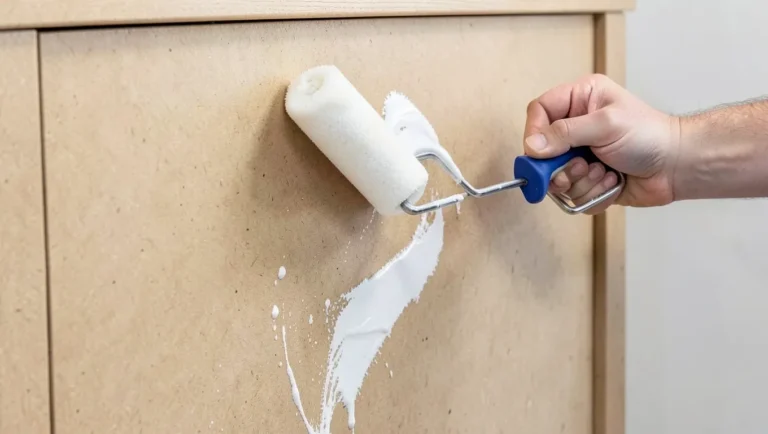
- Apply the first primer coat: Brush or spray a shellac or oil-based primer, working cut edges first since they absorb the most.
- Let it dry, then sand and recoat: Let the primer dry per the product’s recoat time, sand lightly with 220-grit, and apply a second coat if the edge still looks dull or absorbent.
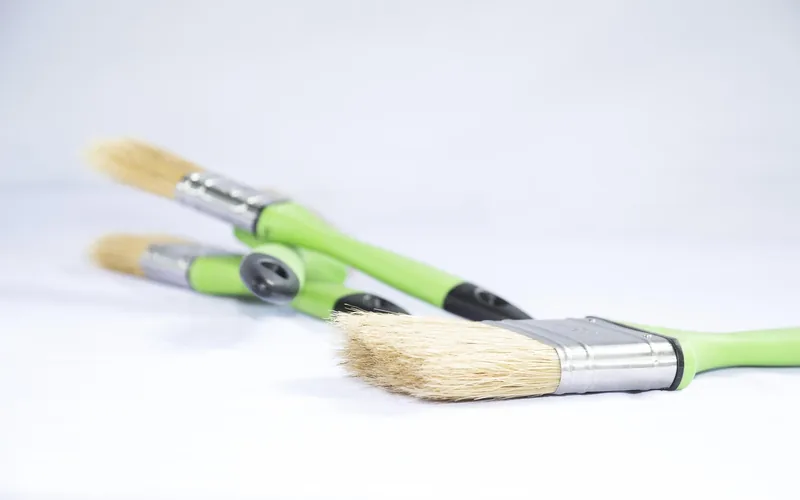
What Happens If You Skip Priming
Paint on unprimed MDF typically looks blotchy within the first coat, with cut edges soaking up noticeably more color than the faces and drying a visibly darker shade. Over the following weeks, that unsealed edge keeps absorbing ambient moisture, which can cause it to swell slightly, telegraph as a raised ridge under the paint film, and eventually crack or chip along the seam. Repainting over that damage rarely fixes it — the fix is stripping back to bare MDF, priming properly, and starting over, which costs more time and material than priming would have the first time.
In our shop, skipping primer on MDF shelf edges is the single most common mistake we see beginners make — the cut edge drinks paint like a sponge and leaves a visible dark ring around every screw hole and corner within the first month, even when the flat faces look perfectly fine.
Common Mistakes to Avoid
Skipping the Cut Edges
The face of an MDF panel is usually smoother and less absorbent than a freshly cut edge. Priming only the visible face and skipping the edges is the most common shortcut that causes blotching later.
Using a Latex Primer
Water-based primer swells raw MDF fiber on contact. Stick to shellac- or oil-based primer for any unsealed surface.
Rushing the Recoat Time
Painting over primer before it’s fully cured — especially oil-based primer, which needs a full 24 hours — traps solvent underneath and can cause the topcoat to wrinkle or stay tacky.
Frequently Asked Questions
What happens if you don’t prime MDF before painting?
The paint absorbs unevenly, especially at cut edges, leaving blotchy or dull patches. Over time, unprimed edges can swell from moisture and cause the topcoat to crack or chip along the seam.
How do you prep MDF for painting?
Sand with 120-grit then 220-grit sandpaper, fill any dents or holes with wood filler, wipe down with a tack cloth, then apply a shellac or oil-based primer before any topcoat.
What kind of primer should you use on MDF?
Use a shellac-based primer like Zinsser B-I-N for the fastest dry time and best edge sealing, or an oil-based primer like Zinsser Cover-Stain for large flat panels. Never use a plain latex primer on raw MDF.
Does MDF always need to be primed?
No. Factory-sealed MDF with no cut edges, and MDF that’s already primed and painted with an intact finish, can usually skip a fresh coat of primer. Every other case — especially any exposed cut edge — needs it.
How many coats of primer does MDF need?
Most MDF projects need two coats, with extra attention on cut edges. If the edge still looks dull or absorbent after the second coat, sand lightly and add a third.
Can you use regular wood primer on MDF?
Only if it’s solvent-based (oil or shellac). A generic wood primer labeled water-based or latex will still swell raw MDF fiber the same way a wall primer would.
Priming MDF before painting isn’t optional for most projects — skip it only on factory-sealed, uncut panels or MDF that’s already painted and intact. For every cut edge and raw face, a shellac or oil-based primer is the difference between a smooth, even finish and a blotchy one that needs redoing. See our guides on prepping MDF and painting MDF board for the full project walkthrough, or browse the complete MDF guide hub for more.
Sponsored / affiliate links. As an Amazon Associate I earn from qualifying purchases. I may earn additional commission from eligible campaigns.