Should You Sand MDF: Tips for a Smooth Finish
Have you ever found yourself staring at a piece of MDF, wondering if sanding it is really necessary? You’re not alone.
Medium Density Fiberboard, or MDF, is a popular choice for many DIY enthusiasts and professional carpenters alike. Its smooth finish and affordability make it an attractive option for various projects. But before you dive into your next masterpiece, it’s crucial to consider whether sanding is a step you should take.
This decision can impact not only the final appearance but also the durability of your project. We’ll explore the reasons why you might want to sand MDF and how it can transform your work from ordinary to extraordinary. Ready to unlock the secrets to achieving that perfect finish? Let’s get started.
Why Sanding MDF Matters
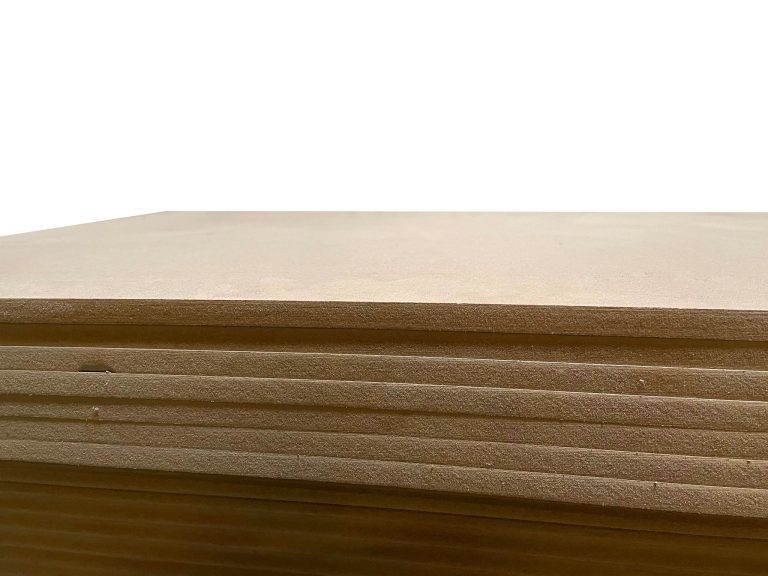
Sanding MDF makes the surface smooth. A smooth surface is easier to paint. Without sanding, the surface can be rough. This roughness affects the final look. Paint may not stick well. It can peel or crack.
Proper sanding helps paint to last longer. It creates a good base for the finish. The paint looks even and bright. Without sanding, the finish may look uneven. Sanding also helps remove any dust or dirt. This ensures a clean surface for paint.
Tools For Sanding MDF
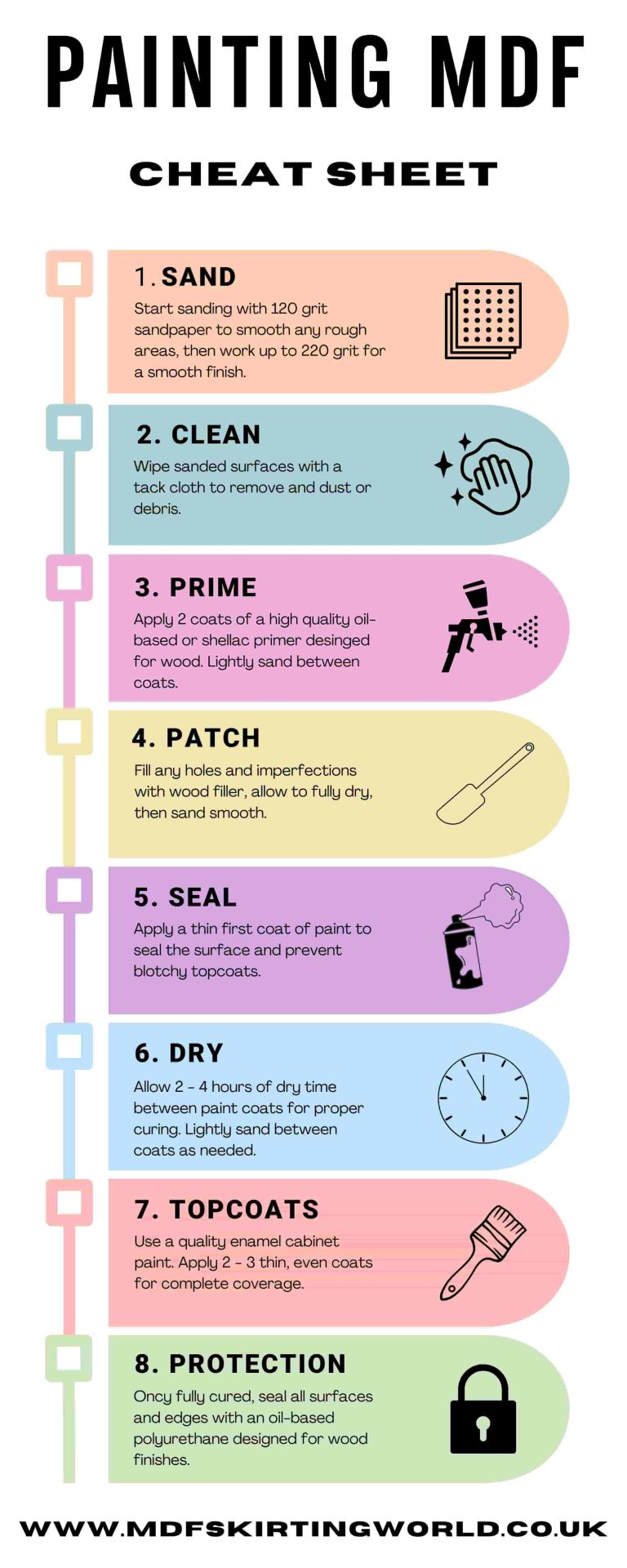
Sanding MDF needs the right tools. Fine-grit sandpapers are best. Use 120 to 150 grit for smooth finishes. Coarse grits can damage the MDF surface. It’s important to start with lower grit. Finish with higher grit. This process makes MDF smooth. Helps paint or varnish stick better.
Power sanders make the job faster. Orbital sanders are popular. They move in circles. This prevents scratches. Belt sanders are stronger. They work for tough jobs. But be careful. Too much pressure can ruin MDF. Control the speed of the sander. This keeps the surface safe.
Techniques For Effective Sanding
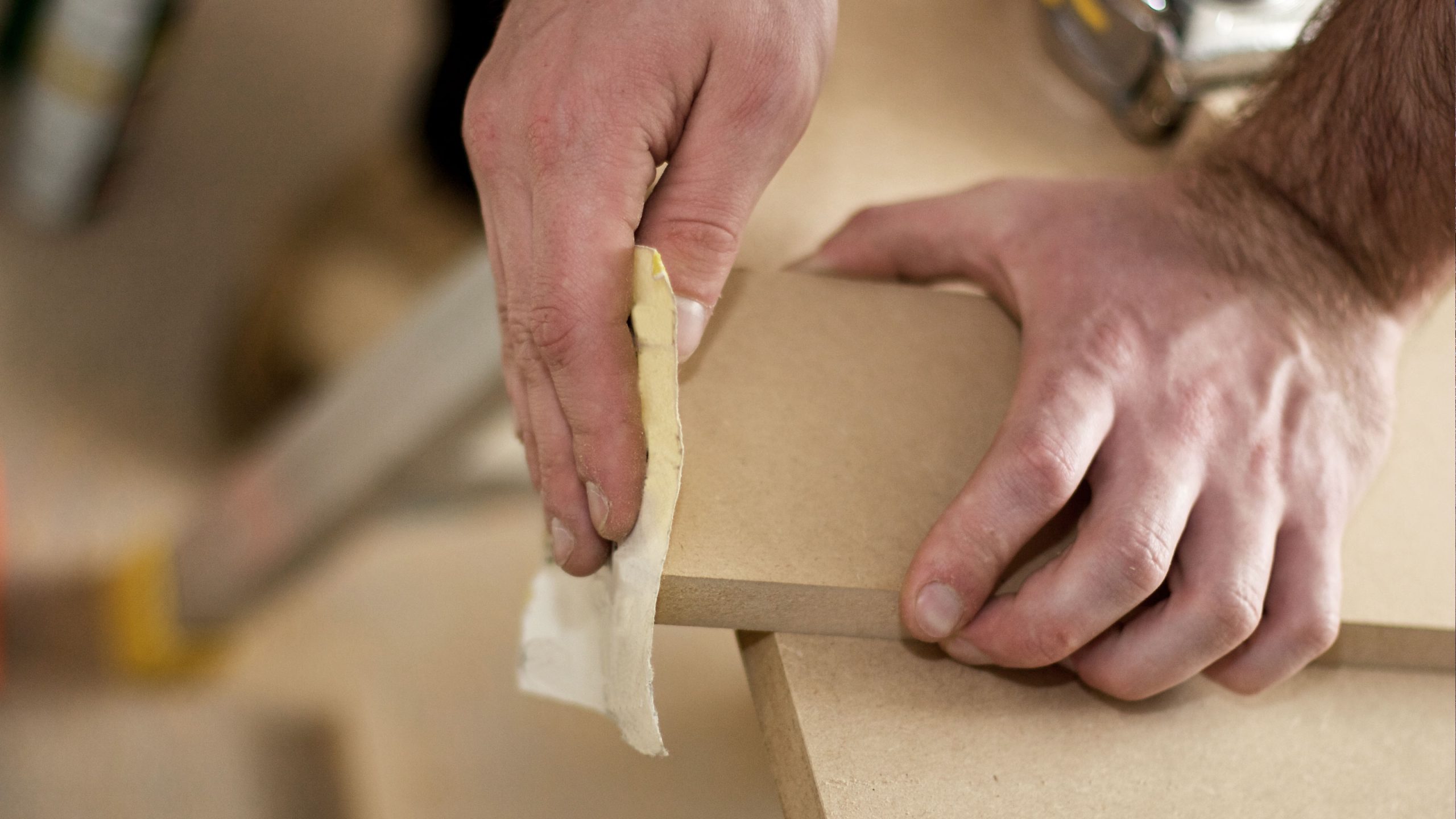
Sanding by hand is gentle and gives control. Use a fine-grit sandpaper for a smooth finish. Wrap sandpaper around a sanding block for even pressure. Move in straight lines. This helps avoid uneven surfaces. Always sand along the grain. This reduces scratches.
Over-sanding can damage the surface. It makes it weak. Stop sanding when it feels smooth. Check the surface often. Feel with your hand. Look for shiny spots. These show uneven areas. Replace sandpaper if it wears out. Fresh sandpaper works better.

Credit: mdfskirtingworld.co.uk
Safety Precautions
MDF creates a lot of dust when sanded. This dust can be harmful. It’s important to keep the dust away from your face. Use a vacuum to suck up dust quickly. Keep the area clean and tidy. Open windows for good air flow. A fan can help blow dust outside.
Wearing the right gear can keep you safe. A dust mask is very important. It helps stop the dust from entering your nose and mouth. Safety goggles protect your eyes. Gloves keep your hands safe from splinters. Wear long sleeves to cover your skin. Strong shoes protect your feet from heavy materials.
Common Mistakes To Avoid
Many people forget to change sandpaper grits. This is a big mistake. Using the same grit for too long can damage MDF. Start with a coarse grit. Then switch to a finer grit. This helps make the surface smooth. Smooth surfaces look better. They also hold paint well. Always move from coarse to fine. This is a good rule to follow.
Applying too much pressure can cause problems. MDF is soft. Pressing hard can create dents. Dents are hard to fix. Use light pressure when sanding. This keeps the surface even. Move the sandpaper in circles. Circular motions help spread pressure evenly. This technique is easy to learn. Start slow and steady.

Credit: www.reddit.com
Final Touches For A Perfect Finish
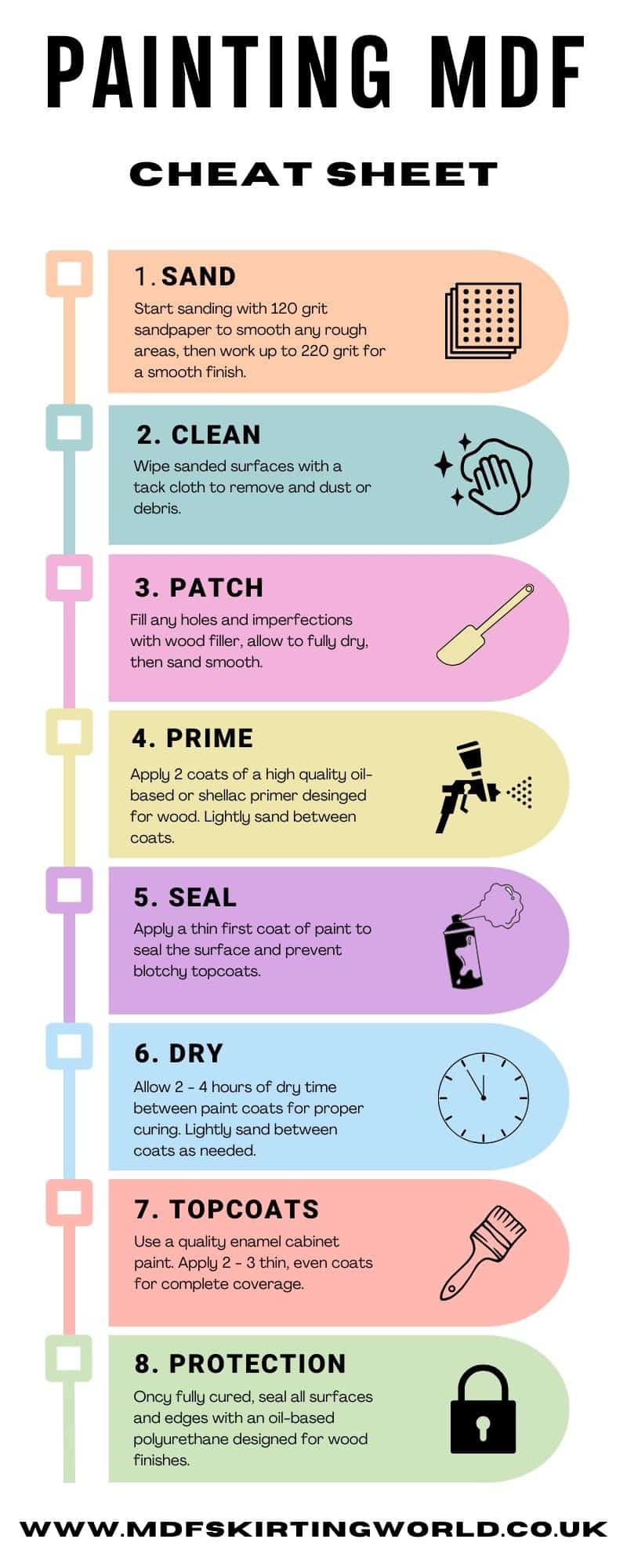
MDF surfaces need sealing for a smooth finish. Use a primer made for MDF. This helps the paint stick better. A primer stops the wood from soaking too much paint. It also helps prevent damage from moisture. Apply the primer with a brush or roller. Let it dry completely before moving to the next step.
After sealing, choose the correct paint. Acrylic paint works well on MDF. It gives a bright and lasting color. Water-based paints dry fast and are safe. Use a brush for small areas. A roller covers large surfaces quickly. Remember to apply thin coats. Thick coats may crack or peel. Let each coat dry before adding another.
Credit: mdfskirtingworld.co.uk
Frequently Asked Questions
Do You Need To Sand MDF?
Yes, sanding MDF is necessary. It helps create a smooth surface for painting or sealing. Use fine-grit sandpaper to avoid damaging the material. Sand lightly to remove imperfections and dust. Proper sanding ensures better adhesion of finishes, enhancing the final appearance and durability of the MDF project.
Can You Paint Straight On To MDF?
Yes, you can paint directly on MDF. Prime the surface with a suitable primer first. Sand lightly for smoothness. Use acrylic or latex paint for the best results. Ensure proper ventilation during painting. Painting MDF enhances its durability and appearance.
Can I Leave MDF Unpainted?
Yes, you can leave MDF unpainted, but it’s not recommended. Unpainted MDF can absorb moisture, leading to warping or swelling. For durability and protection, seal or paint MDF surfaces. This ensures a longer lifespan and maintains the board’s quality. Always prioritize sealing to prevent damage.
Can You Strip Paint Off MDF Without Sanding?
Yes, you can strip paint off MDF without sanding. Use a chemical paint stripper or a heat gun. Apply the stripper, let it sit, then scrape off the paint. Ensure proper ventilation and follow safety precautions. Test on a small area first to prevent damage to the MDF surface.
Conclusion
Sanding MDF can really enhance your project. Smooth surfaces make painting easier. Dust is a concern, so wear a mask. Always choose the right grit for your task. Start with coarser sandpaper, then use finer grit. This will ensure a nice finish.
Remember, gentle pressure is key to avoid damage. MDF edges are prone to chipping; handle with care. Proper sanding leads to better results. Your finished piece will look more professional. Take your time, and you’ll be pleased with the outcome.
Happy crafting!