How to Identify Maple Wood: Local Expert Guide
Some folks find it tricky to tell different kinds of wood apart, especially maple. You might wonder if that beautiful grain is really maple or something else. Don’t worry, it’s not as hard as it seems!
This guide will walk you through How to Identify Maple Wood: Local Woodworking Expert Guide step-by-step. We’ll show you the simple things to look for, so you can be sure next time. Get ready to learn the easy way!
Spotting Maple Wood Grain Patterns
Maple wood is loved by woodworkers for its clean look and sturdy nature. Figuring out if a piece is maple often comes down to looking closely at its grain. This section will help you see the unique marks that maple leaves behind.
We’ll cover what makes maple grain stand out from other woods.
What is Wood Grain
Wood grain refers to the pattern created by the wood fibers and other cells in a tree. Think of it like the lines on your fingertip, but on a much larger scale. These patterns are formed as the tree grows each year, adding new layers.
The way these fibers grow and arrange themselves gives each type of wood its own special look and feel. It’s shaped by the species of tree, how it grew, and even the environment it lived in.
The direction of the grain is also important. It usually runs parallel to the length of the tree trunk. When wood is cut, this pattern becomes visible.
It affects how wood looks, how strong it is, and how it behaves when you work with it. Understanding wood grain is a key skill for anyone wanting to work with wood.
Common Maple Grain Types
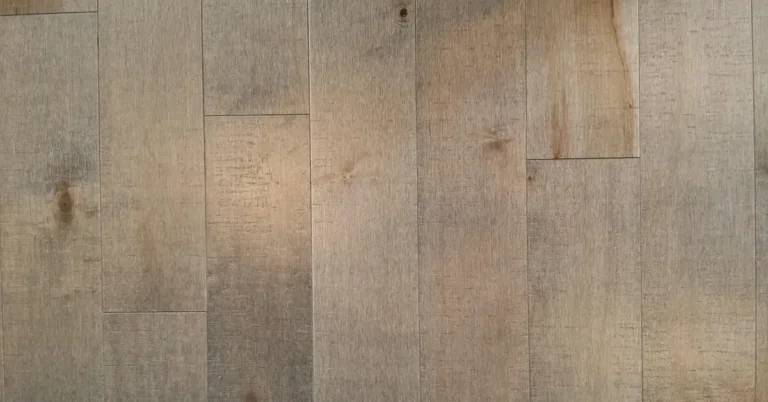
Maple wood is known for its fine, even texture. This means the grain lines are very close together and consistent. You won’t see big, open pores like in oak, for example.
Straight Grain This is the most common type of maple grain. The lines are very straight and run parallel to each other. It gives wood a smooth, clean appearance.
This type of grain is great for furniture and cabinetry because it looks very neat and orderly.
Wavy Grain Sometimes, the grain in maple can ripple or wave slightly. This creates a subtle but pretty pattern. It’s not as dramatic as some figured woods, but it adds a nice touch of visual interest without being too busy.
Bird’s Eye Maple This is a very special kind of maple. It has small, circular figures that look like tiny eyes scattered throughout the wood. These “eyes” are caused by small buds that tried to grow but didn’t quite make it.
They give the wood a unique and sought-after look.
Curly Maple Also called fiddleback maple, this wood has a shimmering, almost rippling effect when you look at it from different angles. The wavy grain catches the light in a special way. It’s often used for musical instruments like violins and guitars, as well as high-end furniture.
Distinguishing Maple Grain from Other Woods
Maple grain is usually finer and more uniform than many other hardwoods. For instance, oak has more pronounced growth rings and larger pores. Pine, a softwood, often has darker knots and a much coarser grain pattern.
When you look at maple, you’re often seeing a lot of very fine lines that are close together. There aren’t many large gaps or very dark, wide lines unless it’s a heavily figured piece. This smooth, even look is a big clue that you might be dealing with maple.
Color and Texture of Maple Wood
Besides the grain pattern, the color and how the wood feels to the touch are also great ways to identify maple. These characteristics help you confirm your findings. We will explore the typical hues and the smooth nature of maple wood.
Typical Maple Wood Colors
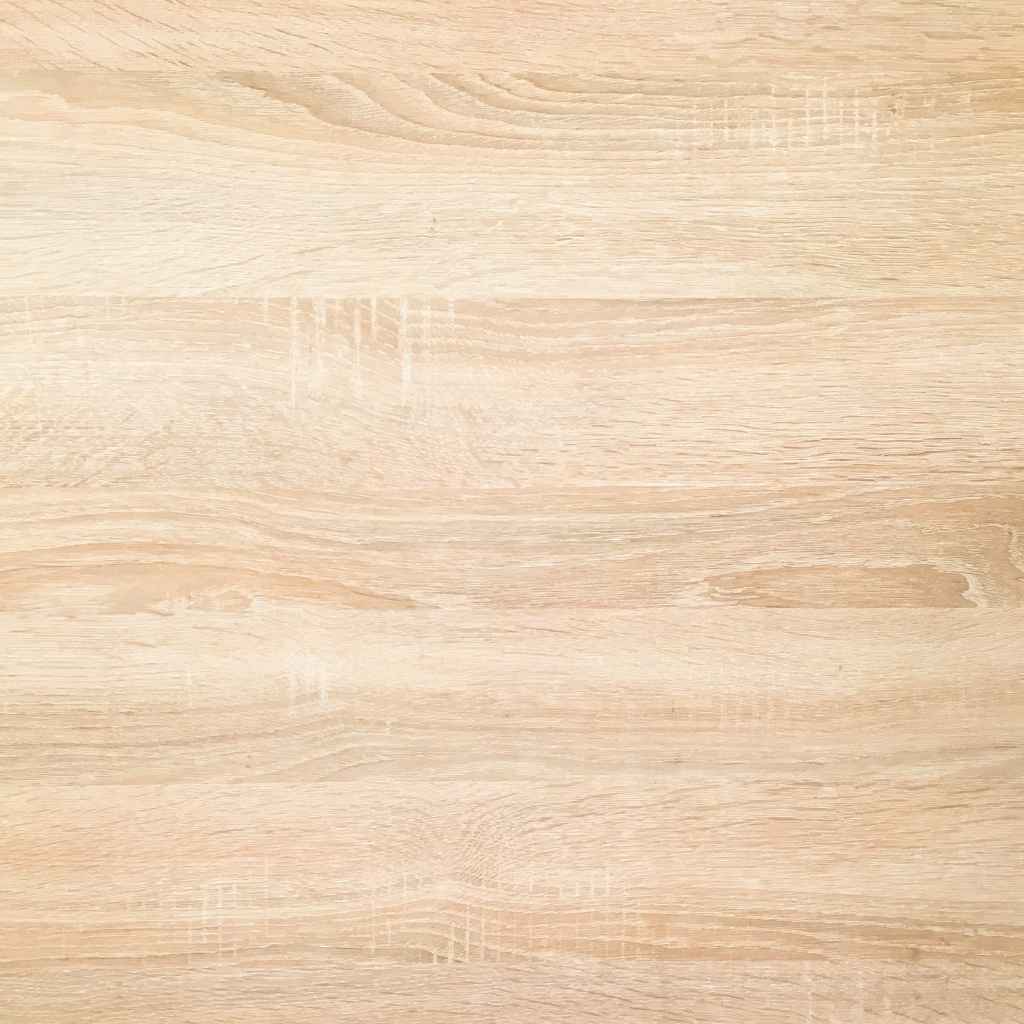
Freshly cut maple wood is usually a creamy white to light tan color. It’s a very light and bright wood. Over time, it can darken slightly and take on a warmer, yellowish hue, especially if exposed to sunlight or certain finishes.
Sapwood This is the outer, living layer of the wood. In maple, sapwood is typically very pale, almost white, and is often used in woodworking because it’s attractive and easy to work with. It makes up a good portion of the wood in many maple trees.
Heartwood This is the older, inner part of the tree. In maple, heartwood can range from a light tan to a medium brown. Sometimes, you might see reddish or even purplish streaks, especially in sugar maple.
However, most of the time, the light color is the most defining feature.
Variations Some maple species might have slight color differences. For example, hard maple (sugar maple) is usually a bit lighter and more uniform than soft maple. But overall, a pale, light color is a hallmark of maple wood.
Maple Wood Texture and Feel
Maple wood has a very smooth and fine texture. This means that when you run your hand over it, it feels quite smooth, even without a finish. This smoothness comes from the small size of the wood cells and the tight grain structure.
It feels hard and dense. When you try to dent it with your fingernail, it usually won’t leave much of a mark. This hardness is why maple is a popular choice for things that need to be durable, like flooring and workbenches.
The fine texture also means that sanding maple wood results in a very smooth surface. It takes finishes well, making it ideal for painting or staining to achieve a polished look. The wood itself feels solid and substantial in your hands.
Comparing Maple Color to Other Woods
Many woods have distinct colors. For example, cherry wood is known for its rich reddish-brown color that darkens with age. Walnut wood is a deep, dark brown.
Mahogany often has a reddish-brown color with a bit of shimmer.
Maple’s paleness makes it stand out. If you see wood that is very light, almost white, with a fine grain, it’s likely maple. Even when it has a slight tan or yellowish tint, it’s still much lighter than woods like walnut or cherry.
This light color is a big part of maple’s appeal for many projects.
A common mistake is confusing maple with birch. Birch can look very similar to maple, especially when stained. However, birch often has slightly more prominent growth rings and can have a more yellowish or golden tone than maple.
The grain on birch can sometimes be a bit more irregular.
Weight and Hardness of Maple Wood
Knowing how heavy and hard a piece of wood is can tell you a lot about its type. Maple is known for being dense and strong. This section will cover its weight and hardness, which are important clues for identification.
Understanding Wood Hardness
Wood hardness is measured using the Janka hardness test. This test measures the force needed to embed a steel ball halfway into a piece of wood. A higher number means the wood is harder.
Hardness is important because it tells you how well the wood will resist dents, scratches, and wear. Harder woods are generally more durable. They are often used for flooring, countertops, and workbenches where they will see a lot of use.
Janka Hardness Scale for Maple
Maple wood, especially hard maple (sugar maple), ranks quite high on the Janka hardness scale. Hard maple has an average Janka rating of around 1,450 pounds-force.
For comparison, popular woods like red oak have a Janka rating of about 1,290, while softwoods like pine can be as low as 380. This means hard maple is significantly harder than red oak and much harder than pine.
There are different types of maple, and their hardness can vary slightly:
Sugar Maple (Hard Maple) Around 1,450 on the Janka scale. This is the classic hard, dense maple.
Red Maple Around 950 on the Janka scale. It’s still hard but softer than sugar maple.
Silver Maple Around 600 on the Janka scale. This is considered a softer maple.
When most people refer to maple for furniture or flooring, they are usually talking about hard maple, which is very durable. If you are trying to work out what wood your own floor is made of, see how to tell what type of hardwood floor you have.
How Maple’s Weight Compares
Because maple is dense, it tends to be heavier than many other woods. A board foot of hard maple typically weighs around 4.5 to 5 pounds.
This weight is a good indicator. If you pick up a piece of wood and it feels surprisingly heavy for its size, and you’ve already noticed its fine grain and light color, it’s a strong sign it could be maple. Woods like pine are much lighter, often weighing around 2.5 to 3.5 pounds per board foot.
Practical Tests for Hardness and Weight
You can do a simple test yourself. Try to make a small dent in the wood with your fingernail. If it’s hard to make a mark, that’s a good sign of a harder wood like maple.
Try comparing it with a known piece of pine if you have one. You’ll feel the difference in density and resistance to denting.
Another way to gauge weight is to pick up the piece of wood. If it feels substantial and heavy for its volume, it’s likely a denser hardwood. This, combined with other visual clues, can help you confidently identify maple.
Pores and End Grain of Maple
Looking at the very ends of a piece of wood, called end grain, can also reveal important details. This is where you can see the structure of the wood up close. Maple has specific characteristics on its end grain that help differentiate it.
What Are Wood Pores
Wood pores are small tubes or vessels within the wood that were once part of the tree’s system for transporting water and nutrients. In hardwoods, these pores are visible, especially on the end grain and sometimes on the surface grain.
The size, distribution, and arrangement of these pores are key features used to identify different types of hardwoods. Some woods have very large, obvious pores, while others have pores that are tiny and hard to see without magnification.
Maple’s Pores Ring-Porous vs. Diffuse-Porous
Maple is classified as a diffuse-porous wood. This means that the pores are relatively small and evenly distributed throughout the growth rings. You won’t see large clusters of pores at the beginning of a growth ring like you do in ring-porous woods.
In contrast, woods like oak are ring-porous. They have large pores concentrated in the earlywood (the part of the growth ring formed in the spring when growth is fastest) and smaller pores in the latewood. This creates a very distinct, open grain pattern in oak.
Because maple is diffuse-porous, its pores are much harder to see with the naked eye. This contributes to the smooth, fine texture of maple wood.
Examining Maple End Grain
When you look at the end grain of maple, you’ll see a uniform scattering of very small dots. These are the pores, and they are consistent in size and distribution. There are no large openings or clear rings of larger pores.
The growth rings themselves are usually visible as fine, wavy lines. They appear as subtle lines that run across the end grain. The pith rays, which are lines of cells that run from the center of the tree outwards, are also very small and not prominent in maple.
This fine, even texture on the end grain is a significant identifier for maple. If you see large holes or a clear pattern of large pores within the growth rings, it’s likely not maple.
Comparing End Grain to Other Woods
If you were to look at the end grain of oak, you would see large pores clearly arranged in lines along the growth rings. This gives oak a much coarser appearance on the end. You can often see the difference between the earlywood and latewood zones.
Cherry wood, another diffuse-porous hardwood, also has small pores, but they are generally larger and more numerous than in maple. Cherry often has a slightly more reddish tint on the end grain as well.
Walnut, like maple, is diffuse-porous, but its pores are typically larger than maple’s and are often visible as small, dark dots or lines. The color of walnut end grain is usually a rich brown.
By examining the end grain, you can see the fundamental structure of the wood. The uniform, fine distribution of tiny pores in maple is a clear indicator that sets it apart from many other hardwoods.
Practical Identification Tips and Tricks
Now that you know what to look for, let’s put it all together with some easy tips. These tricks will help you identify maple wood quickly and confidently in different situations.
How to Identify Maple Wood: Local Woodworking Expert Guide in Practice
When you encounter a piece of wood, go through these steps:
Check the Color: Is it a light creamy white to light tan? If it has reddish or darker brown streaks, it might be heartwood, but the overall lightness is key.
Feel the Texture: Run your hand over the surface. Does it feel very smooth and fine? It shouldn’t feel rough or have large, open pores.
Examine the Grain Pattern: Look for straight, close-together lines. Are there any special figures like bird’s eyes or curls? Maple often has a clean, orderly grain.
Test the Hardness: Can you easily dent it with your fingernail? If not, it’s likely a hardwood. Maple is quite hard.
Inspect the End Grain (if possible): Look for a uniform pattern of very small dots. There should be no large holes or clear rings of pores.
Common Scenarios and What to Look For
Imagine you are at a lumberyard or looking at a piece of furniture.
Furniture Identification: Many maple pieces will have a light, natural finish that lets the wood show through. Look for that pale color and fine, even grain. If it’s painted, it’s harder to tell, but the smoothness of the wood before painting would have been a clue.
Flooring: Maple flooring is popular for its light color and durability. You’ll see those fine grain lines and a very smooth surface that holds up well to wear and tear. It often looks very clean and bright.
DIY Projects: If you buy lumber, ask the seller about the species. If you find scrap wood, use the visual and tactile clues. A light color, fine grain, and smooth texture are strong indicators.
What If It Looks Like Maple But Isn’t
Sometimes, woods like birch or even some types of poplar can be mistaken for maple. Birch is the closest, but often has a bit more color variation or a slightly coarser grain. Poplar can be pale, but it’s a much softer wood and often has green or grey streaks.
The key is to use all the clues together. No single feature might be 100% definitive, but when color, grain, texture, and hardness all point to maple, you can be pretty sure.
Case Studies and Real-World Examples
Seeing how maple is used and identified in real life helps solidify your understanding. These examples show the practical application of knowing your wood.
Case Study 1: Refinishing an Old Desk
Sarah found an old desk at a flea market. It had a dark, worn finish. She wanted to restore it to its natural beauty.
When she stripped the old finish, she found a wood that was a light, creamy color with a very fine, straight grain. It felt hard and smooth to the touch. There were no large pores visible.
She suspected it was maple.
She compared it to photos of different woods online and found it matched hard maple perfectly. After sanding and applying a clear finish, the desk revealed a beautiful, clean, light wood grain, confirming her identification.
The smooth, fine texture allowed for a very polished finish. The hardness ensured the desk would be durable for years to come. This project highlighted how maple’s natural beauty shines through restoration.
Case Study 2: Choosing Wood for a Cutting Board
Mark wanted to make a durable cutting board for his kitchen. He knew he needed a hardwood that was food-safe and wouldn’t dull knives too quickly.
He looked at several wood options at his local lumber store. He considered oak, but its large pores worried him about food particles getting trapped. He also looked at pine, but it was too soft and would get damaged easily.
He found a piece of wood that was pale white with a very tight, straight grain. It felt dense and heavy. When he examined the end grain, he saw only tiny, evenly spaced dots.
This wood was hard maple.
He chose the hard maple for his cutting board. The fine, non-porous surface made it easy to clean and maintain. The hardness meant it would last a long time.
His cutting board ended up looking and performing beautifully.
Sample Scenario 1: Identifying Wood in a Furniture Store
You are in a furniture store looking at a wooden table. The salesperson tells you it’s “hardwood.”
- Observe the color: Notice if it’s a light, creamy tone or a richer, darker hue.
- Look at the grain: Are the lines straight and close together, or is it more varied and open?
- Feel the surface (if you can): Is it very smooth to the touch, indicating a fine texture?
- Consider the weight: Does the piece feel substantial and heavy for its size?
If the table is light-colored, has a fine, straight grain, feels smooth, and seems heavy, there’s a good chance it’s made of maple.
Sample Scenario 2: Purchasing Lumber for a Project
You are at a lumberyard to buy wood for a bookshelf. You need something strong and good-looking.
- Ask about species: Inquire about their maple offerings, specifically hard maple if available.
- Inspect the boards: Look for boards that are pale in color with very little variation.
- Check the grain: Prefer boards with straight, tight grain patterns. Avoid pieces with significant figure unless you want that effect.
- Feel the wood: The wood should feel dense and hard when you tap it or press a fingernail into it.
By following these steps, you can select the best maple lumber for your bookshelf, ensuring it will be both sturdy and visually appealing.
Frequently Asked Questions
Question: How can I tell the difference between maple and birch wood
Answer: Birch wood often has a more yellowish or golden tone compared to the pale creamy white of maple. Birch might also show slightly more prominent growth rings and a bit more variation in its grain pattern, whereas maple is typically very uniform and fine-textured.
Question: Is maple wood good for outdoor furniture
Answer: Maple is a hard and dense wood, which makes it durable. However, it is not naturally as resistant to moisture and decay as some other woods like cedar or teak. For outdoor use, maple would require a very good protective finish and regular maintenance.
Question: Can I identify maple wood just by its color
Answer: Color is a very strong indicator, but it’s not the only factor. Maple is typically very pale, from creamy white to light tan. However, other woods can sometimes have similar pale colors, so it’s best to consider color along with grain pattern, texture, and hardness for accurate identification.
Question: Does maple wood have a strong smell
Answer: Freshly cut maple wood has a very mild, slightly sweet, or woody scent. It is not a strong or distinctive smell like cedar or pine. Once dried and finished, the scent is usually unnoticeable.
Question: What makes ‘figured’ maple wood special
Answer: Figured maple refers to wood with unique, decorative grain patterns like bird’s eye, curly, or quilted. These patterns are caused by natural variations in wood growth and catch the light in unusual ways, making the wood highly sought after for decorative items and fine furniture.
Summary
You now have the tools to confidently identify maple wood. By looking at its light color, fine and even grain, smooth texture, and hardness, you can tell it apart from other woods. Remember to check the pores and end grain for that uniform, dot-like pattern.
Sponsored / affiliate links. As an Amazon Associate I earn from qualifying purchases. I may earn additional commission from eligible campaigns.