Spiral Vs Helical: Unraveling Design Differences
When you’re diving into the world of design and engineering, you’ll often stumble upon the terms “spiral” and “helical.” These shapes aren’t just fancy words; they play critical roles in various applications, from architecture to mechanical systems.
But what exactly sets them apart, and why should you care? Imagine you’re tasked with choosing the perfect shape for a project. The decision between spiral and helical could be crucial, and understanding their differences might just give you the edge you need.
By exploring these two fascinating forms, you’ll unlock insights that could transform how you approach design challenges. Are you ready to discover which shape might be the game-changer for your next big idea? Keep reading, and let’s unravel the mystery together.

Credit: www.youtube.com
Spiral And Helical Designs
Spiral and helical designs fascinate with their intriguing shapes. They are found everywhere. In nature, in architecture, and in technology. Each design offers distinct aesthetics and functionality. Understanding their differences enriches appreciation for these forms. Explore how these designs impact various fields below.
Understanding Spiral Designs
Spirals swirl out from a central point. They create mesmerizing patterns. Nature showcases spirals in shells and galaxies. In architecture, spiral staircases add elegance. Spirals symbolize growth and expansion. Artists and designers use them for dynamic visuals.
Characteristics Of Helical Designs
Helical designs twist along an axis. They are common in DNA structures. They appear in industrial machinery. Helices are efficient for space-saving designs. Engineers use them for screw threads and springs. Helices provide stability and strength.
Applications In Architecture
Spiral staircases enhance architectural beauty. They save space and add charm. Helical ramps improve accessibility in buildings. They provide smooth transitions for vehicles. Both designs offer unique structural benefits. Architects blend aesthetics with functionality.
Influence On Nature
Nature loves these shapes. DNA’s double helix holds life’s secrets. Spiral shells protect marine creatures. Plants grow in spirals for sunlight efficiency. These designs embody natural perfection. Nature uses them for survival and beauty.
Innovations In Technology
Technology embraces helical gears for precision. Spiral antennas enhance signal reception. Engineers apply these shapes in new inventions. They offer solutions for modern challenges. Their unique properties drive technological progress.
Structural Characteristics
Spiral and helical structures have unique characteristics that impact their use. Understanding these differences helps in choosing the right design for various applications. Let’s explore the structural characteristics of spiral and helical formations.
Geometry And Shape
Spiral structures typically follow a two-dimensional curve pattern. They expand outward from a central point, resembling a coiled spring. Helical structures, on the other hand, are three-dimensional. They form a shape similar to a corkscrew or DNA strand.
Their distinct geometries influence how they function. Spirals are often flat, making them ideal for surface applications. Helices provide more support due to their vertical extension.
Material Requirements
Material choice depends on the structure’s purpose. Spiral structures may use lighter materials due to their flat nature. Helical structures often require stronger materials. Their three-dimensional form demands durability and stability.
Material selection impacts cost and efficiency. Understanding the load and environmental factors is crucial. This ensures the chosen material meets the structural needs effectively.
Functional Applications
Understanding the functional applications of spiral and helical structures opens new avenues for various industries. These geometric forms play pivotal roles in both industrial and architectural domains. Each design offers unique advantages that cater to specific needs.
Industrial Uses
Spiral structures are widely used in manufacturing processes. Conveyors with spiral designs help move materials efficiently. They save space and improve workflow. Helical gears are vital in machinery. They ensure smooth transmission of power. Their angled teeth reduce noise and wear. Both designs contribute to improved efficiency.
Architectural Implementations
Architects use spiral shapes for aesthetic appeal. Spiral staircases are popular in modern buildings. They add elegance and save space. Helical ramps are ideal for parking structures. They allow easy vehicle access and exit. These designs blend functionality with visual appeal. They transform spaces into architectural marvels.
Advantages Of Spiral Designs
When considering architectural and engineering projects, spiral designs stand out for their unique advantages. They not only capture attention with their aesthetic appeal but also offer practical benefits. From optimizing space to simplifying construction, spiral designs are worth considering for your next project.
Space Efficiency
Spiral designs are champions of space optimization. They allow you to make the most of vertical space without requiring extensive horizontal spread. Imagine a spiral staircase in a cozy apartment. It provides access to an upper level without consuming much of the living area.
These designs are perfect for tight spots where every inch counts. You can tuck a spiral feature into a corner, maximizing the available area. This makes them ideal for urban environments or small homes where space is a premium.
Ease Of Construction
Spiral designs often simplify the construction process. Unlike complex structures, they usually require fewer materials and less time to build. This can translate into cost savings, allowing you to allocate resources elsewhere.
For DIY enthusiasts, a spiral project can be a manageable endeavor. You might find that assembling a spiral staircase or garden element is less daunting than expected. This ease of construction opens up creative possibilities for personal projects.
Have you ever considered how a spiral design could fit into your space? Think about the potential to transform a cramped area into a functional masterpiece. Embrace the advantages of spiral designs and explore their potential in your next project.
Advantages Of Helical Designs
Helical designs are appreciated for their unique structural benefits. They bring a range of advantages that make them a preferred choice in many applications. From improved load distribution to enhanced design flexibility, helical structures offer practical solutions. Let’s explore these advantages further.
Load Distribution
Helical designs ensure even load distribution across the structure. This even distribution reduces stress points. It enhances the longevity of the structure. By minimizing concentrated loads, helical structures perform better under pressure. They handle dynamic forces efficiently. This is crucial in applications like staircases and conveyors.
Design Flexibility
Helical structures provide remarkable design flexibility. Their adaptable shape fits various architectural needs. Designers can create complex shapes easily. This flexibility allows for innovative designs. Helical structures adapt well to space constraints. They offer aesthetic appeal while maintaining functionality. This makes them ideal for modern architecture.
Comparative Analysis
When you’re looking at Spiral and Helical designs, the choice isn’t just aesthetic—it’s a strategic decision impacting cost, performance, and functionality. Understanding these differences can save you time, money, and prevent future headaches. Let’s dive into a comparative analysis to see how these two designs stack up against each other.
Cost Implications
Spiral designs tend to be more cost-effective initially. They are easier to manufacture, which means lower production costs. Imagine needing a quick solution for a project; spiral structures can often fit the bill without breaking the bank.
Helical designs, on the other hand, might require a higher upfront investment due to their complex manufacturing process. However, they often pay off in the long run with durability and efficiency. Consider whether spending more now could save you maintenance costs down the road.
Performance Metrics
Spiral designs typically excel in scenarios where space conservation and simplicity are critical. They are straightforward, making them ideal for projects with limited room or straightforward functionality.
Helical designs shine when precision and high performance are necessary. They offer greater stability and support, which can be crucial for complex applications. Think about how your project’s demands align with these performance benefits.
As you weigh these options, ask yourself: What are my priorities? Do I need a quick, budget-friendly solution or a robust design that promises longevity and superior performance? Your answer can significantly impact your choice between spiral and helical structures.
Future Trends
Exploring spiral and helical designs reveals unique future trends in technology and architecture. Spiral patterns inspire innovative structures, while helical shapes enhance efficiency in engineering. Understanding these forms helps anticipate advancements in sustainable design and energy solutions.
In the world of design and engineering, the debate between spiral and helical shapes is gaining momentum. As technology evolves, these structures are finding new roles and applications. Designers and engineers are constantly exploring their potential, leading to exciting future trends.
Innovative Applications
Spiral and helical designs are no longer confined to traditional uses. They are making their way into cutting-edge fields like renewable energy. Imagine wind turbines with spiral blades that enhance efficiency. These designs capture more wind and can operate in lower wind conditions. Could spiral structures be the key to more sustainable energy solutions?
In architecture, helical forms are redefining aesthetics and functionality. Buildings with helical staircases or facades are not just visually striking but also optimize space and light. Their unique shapes can reduce material use while maintaining strength. Are you ready to see more of these structures in your cityscape?
Technological Advancements
Advancements in 3D printing are enabling the creation of complex spiral and helical structures with ease. This technology allows for precision and reduces waste. Designers can now experiment with intricate patterns that were once impossible to create. Have you thought about how this could revolutionize product design?
In the medical field, helical designs are enhancing the performance of devices like stents and implants. Their natural, flowing shapes can better mimic the body’s structures. This can lead to improved outcomes and faster recovery times for patients. How might these innovations impact healthcare in the coming years?
The future for spiral and helical forms is bright and promising. With new applications and technological advancements, these shapes are set to transform various industries. As you witness these trends unfold, consider how they might impact your world.
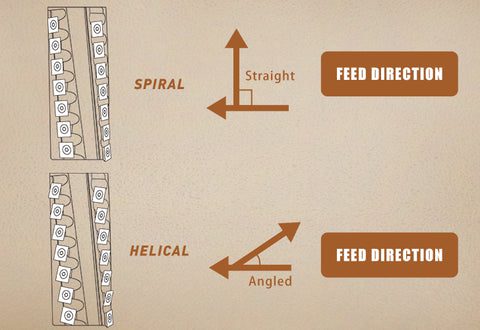
Credit: www.konetool.com
Frequently Asked Questions
What Is The Difference Between Helical And Spiral?
Helical refers to a three-dimensional shape with a constant radius, like DNA. Spiral describes a two-dimensional curve that expands outward, like a snail shell. Both involve curves, but helical is 3D while spiral is 2D.
What Is The Difference Between Helical And Spiral Planers?
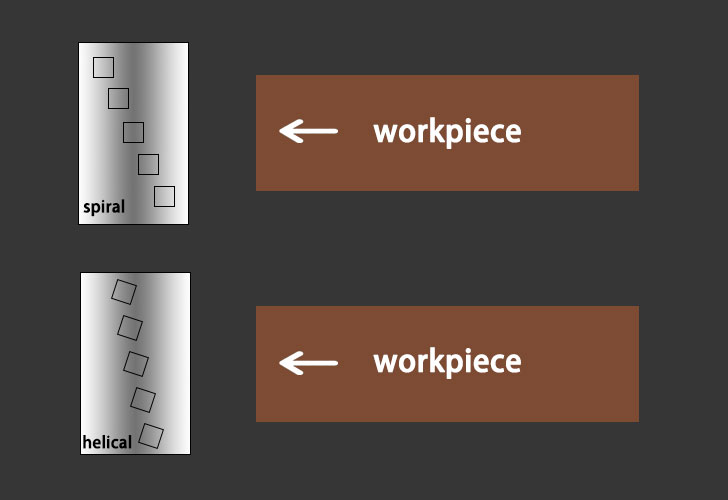
Helical planers use angled blades for smoother cuts and reduced noise. Spiral planers feature blades arranged in a spiral pattern, enhancing efficiency and reducing tear-out. Both designs improve cutting quality compared to traditional straight-blade planers, but each has unique benefits suited to specific woodworking needs.
What Is The Difference Between Helical And Spiral Path?
A helical path follows a 3D coil-like structure, resembling a spring. A spiral path lies flat, expanding outward in a plane. Both involve curves but differ in dimensionality and orientation.
What Is The Difference Between Helical And Spiral Stairs?
Helical stairs feature a curved shape without a central pole. Spiral stairs revolve around a central column. Helical stairs offer smoother transitions, while spiral stairs save space. Helical designs are often found in larger areas, whereas spiral stairs are ideal for compact spaces.
Both types enhance architectural aesthetics.
Conclusion
Choosing between spiral and helical shapes depends on your needs. Spirals offer simplicity. Easy to understand and use. Helical designs bring efficiency. Perfect for complex tasks. Both shapes have unique benefits. Consider your goals. Think about space and function. Evaluate each option carefully.
Make an informed decision. The right choice can enhance performance. It can boost productivity. It’s about finding the best fit. Prioritize your requirements. Embrace clarity. Make a choice that aligns with your objectives.