Square Sander Vs Round: Which is Best for Your Project?
Imagine you’re about to tackle your next DIY project or professional woodworking task. You want everything to be perfect, right down to the smoothness of the surface.
But then comes the big question: should you use a square sander or a round one? This decision might seem small, but it can significantly impact your project’s outcome. Choosing the right tool can save you time, effort, and even money.
This article will guide you through the key differences between square and round sanders, ensuring you make the best choice for your needs. Stick with us, and you’ll find the perfect match for your sanding tasks, transforming your projects from good to extraordinary.
Credit: www.finehomebuilding.com
Square Sander Features
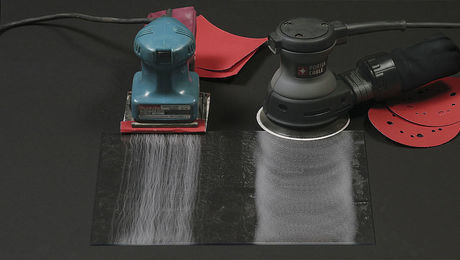
Square sanders have a flat, square base. This shape lets them reach into corners easily. They work well on edges and small areas. Their design makes them versatile for different tasks. The square shape is great for sanding straight lines. They are usually compact and easy to handle.
These sanders are perfect for fine finishing tasks. They work well on furniture and cabinets. Square sanders are good for removing small amounts of material. They are ideal for delicate surfaces where precision is key. They can also be used on wood, plastic, and metal.
Square sanders are easy to control. They offer consistent sanding results. Their design allows for precise work. They are lightweight and portable. This makes them ideal for small projects. They are less aggressive, reducing the risk of damage.
Round Sander Characteristics
Round sanders offer smooth and even sanding, ideal for curved surfaces. They rotate in circular motion, ensuring consistent finish. Square sanders, on the other hand, excel in reaching corners and edges, perfect for flat surfaces. Understanding these tools helps in choosing the right sander for specific tasks.
Design And Functionality
Round sanders have a circular shape. This design helps in smooth sanding. The circular motion removes material evenly. They are easy to handle. Their lightweight design makes them user-friendly. The motor provides consistent power. This ensures even sanding results. Their ergonomic design reduces hand fatigue. Ideal for long sanding tasks.
Optimal Uses
Round sanders are great for large surfaces. They work well on tables and floors. Perfect for wood and metal surfaces. They can sand corners efficiently. Useful for curved and round edges. Suitable for detailed work. They provide precise sanding results. Great choice for furniture refinishing. Suitable for DIY projects.
Benefits
Round sanders offer many benefits. They ensure a smooth finish. They reduce sanding time. Easy to use for beginners. Their design reduces dust creation. Less cleanup after sanding. They are affordable and durable. They have adjustable speed settings. This allows control over sanding intensity. Great for professional or home use.
Performance Comparison
Square sanders excel in reaching corners with ease due to their shape. Round sanders offer smoother, faster finishes on large surfaces. Each tool caters to different sanding needs, enhancing the efficiency of woodworking projects.
Efficiency In Different Materials
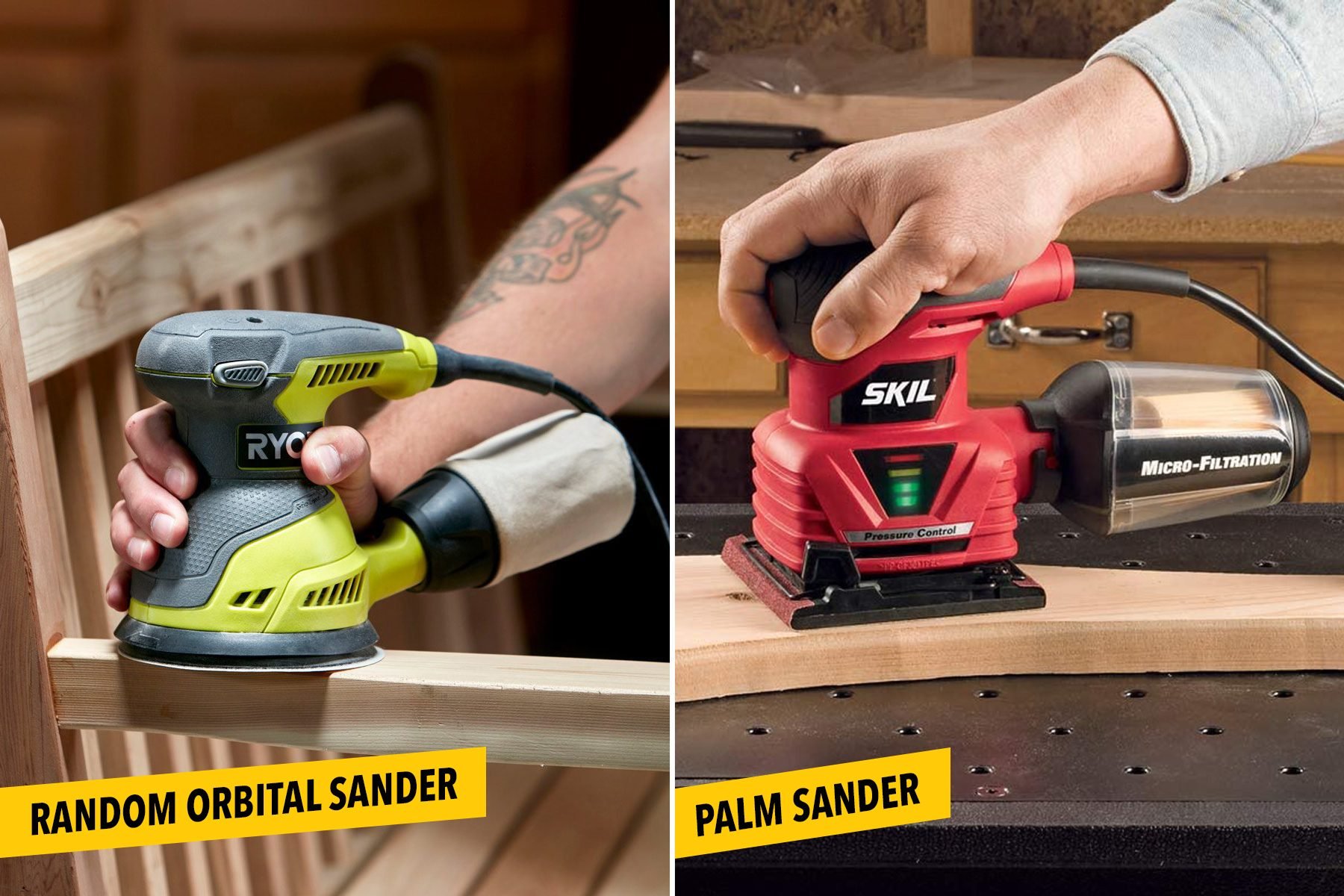
Square sanders work well on flat surfaces. They handle wood and metal easily. Round sanders, known as orbital sanders, adapt to curves. They are great for delicate materials. Square sanders remove more material quickly. Round sanders offer smoother finishes. Choose a sander based on the material type for best results.
Ease Of Use
Square sanders are simple to operate. They have a straightforward design. Round sanders can be tricky for beginners. Their movement requires practice. Square sanders are lighter and easy to hold. Round sanders need a firm grip. Both sanders need safety gear. Always use goggles and masks when sanding.
Precision And Control
Square sanders provide straight edges. They excel in corners and edges. Round sanders offer more control. They are perfect for curves and rounded edges. Both sanders give good results. It depends on the project needs. Choose wisely for precision tasks.
Credit: www.familyhandyman.com
Factors To Consider
Different projects need different sanders. A square sander is great for corners. It can reach tight spaces easily. A round sander is better for large surfaces. It sands faster and smoother. Choose based on your project needs.
Beginners might find square sanders easier. They are simple to control. Round sanders require more skill. They can move too fast if not handled well. Pick a sander that matches your skill level.
Cost is an important factor. Square sanders are often cheaper. They are budget-friendly for small tasks. Round sanders can be more expensive. They offer more power and features. Decide based on your budget.
User Experiences
Professionals often prefer square sanders for corners. They find them more precise. The square shape fits snugly into tight spots. Round sanders are praised for their speed. They cover larger areas quickly. Many experts like the smooth finish they provide. Square sanders, however, are favored for detail work. Professionals value their flexibility. Switching between tasks feels natural.
DIY enthusiasts love round sanders for easy handling. They say they are less tiring. Round sanders glide over surfaces effortlessly. Enthusiasts enjoy the smoothness of their finish. Square sanders are liked for small projects. The square shape is handy for corners. Many DIYers appreciate their precise touch. They find both types valuable for different tasks.
Credit: www.finehomebuilding.com
Making The Right Choice
Each sander has its strengths. Square sanders are great for corners.
Round sanders work well on large surfaces. Think about your project size.
Small corners need a square sander. Large, flat areas need a round one.
The right sander makes work easy and quick.
Look at durability and parts. Square sanders last long with less wear.
Round sanders need more care. Choose based on how often you sand.
Frequent use needs a sturdy sander. Less use means less worry about parts.
Square sanders fit tight spots. Round sanders cover big areas fast.
Some projects need both sanders. Think about future projects too.
More tools give more choices. A versatile tool saves time and effort.
Frequently Asked Questions
Is A Square Or Orbital Sander Better?
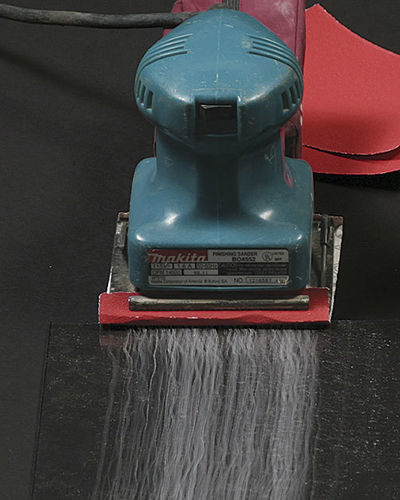
Choose a square sander for corners and edges. Opt for an orbital sander for smooth, swirl-free finishes. Both tools have unique benefits. Consider your project needs for the best choice.
What Shape Sander Is Best?
A random orbital sander is often best for versatility and smooth finishes. Its round shape handles various surfaces efficiently. For corners or edges, a detail sander with a triangular shape is ideal. Choose based on your specific sanding needs to ensure optimal results.
What Is A Square Buff Sander Used For?
A square buff sander is used for smoothing wood surfaces, refinishing floors, and removing old varnish or paint. It offers precise control, ideal for delicate sanding projects. Its square design allows access to corners and edges efficiently, making it suitable for both professional and DIY woodworking tasks.
What Is The Most Effective Type Of Sander?
The most effective type of sander is the random orbital sander. It combines speed with a smooth finish. Ideal for various surfaces, it reduces swirl marks and provides excellent control. Suitable for woodworking and DIY projects, it’s versatile and user-friendly, making it a top choice for professionals and hobbyists alike.
Conclusion
Choosing between a square sander and a round sander? Both offer unique benefits. Square sanders excel in corners and edges. They provide precise control for detailed work. Round sanders are great for larger surfaces. They smooth quickly and efficiently. Consider your project’s needs.
Think about the surface area and detail required. Match the tool to your task. Your choice should make your sanding job easier. Both tools enhance your project. The right sander improves your work quality. So, pick wisely for the best finish!