Sheet Sander vs Random Orbit: OPM, Cost & When to Use Each
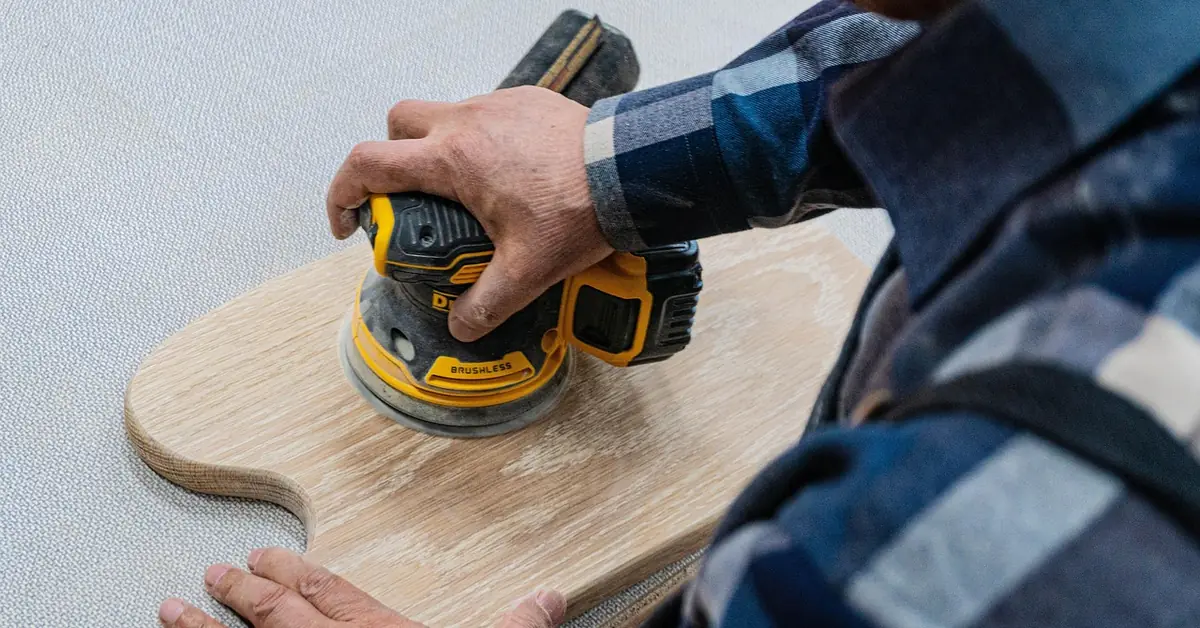
A random orbital sander removes material fast with zero swirl marks on flat panels; a sheet sander is lighter and reaches square corners a round pad cannot. If you buy only one, the random orbital’s 8,000 to 12,000 OPM motion handles curves, edges, and flats alike, while a sheet sander stalls on anything but flat wood. This guide compares OPM, pad size, dust collection, and real sandpaper cost so you can pick the right one.
Insert your Affiliate Disclosure reusable block here
Quick Answer
For most woodworking projects, choose a random orbital sander: its spinning-plus-orbiting motion sands flats, curves, and edges without leaving swirl marks, and a mid-range model runs about $70 to $90. Pick a sheet sander only if you mainly finish flat panels or corners on a budget under $50, since its straight-line motion cannot follow curved edges.
How a Sheet Sander and a Random Orbital Sander Actually Differ
Best Random Orbital Sander Pick
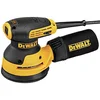
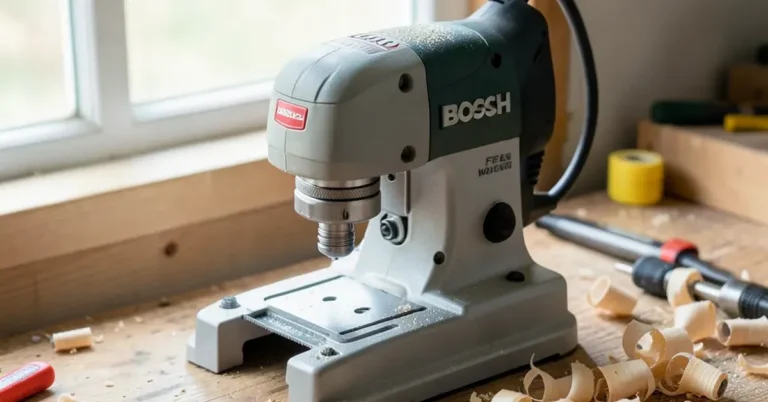
DEWALT DWE6423 5-Inch Variable Speed Random Orbital Sander
A 3-amp motor and 8,000-12,000 OPM variable speed range cover everything from stock removal to finish sanding on one tool.
- Best for: Everyday shop use across wood, primer, and finish coats
- Why we picked it: Variable speed covers both aggressive stock removal and fine finish passes without swapping tools
- Main drawback: Corded only, so cord management matters on larger workpieces
Compare more random orbital sander options
 Option 1 BOSCH ROS20VSC Palm Sander
|
 Option 2 Milwaukee M18 Cordless
|
 Option 3 BLACK+DECKER BDERO100
|
As an Amazon Associate we earn from qualifying purchases.
A sheet sander clamps a quarter or a third of a standard 9×11 inch sandpaper sheet onto a rectangular pad and moves it in a tight, straight-line orbit, roughly 1/4 inch in any direction. A random orbital sander spins a round, hook-and-loop pad while also nudging it off-center, so the sanding pattern never repeats. That dual motion is what erases the little pigtail-shaped swirl marks a straight-line sander can leave behind.
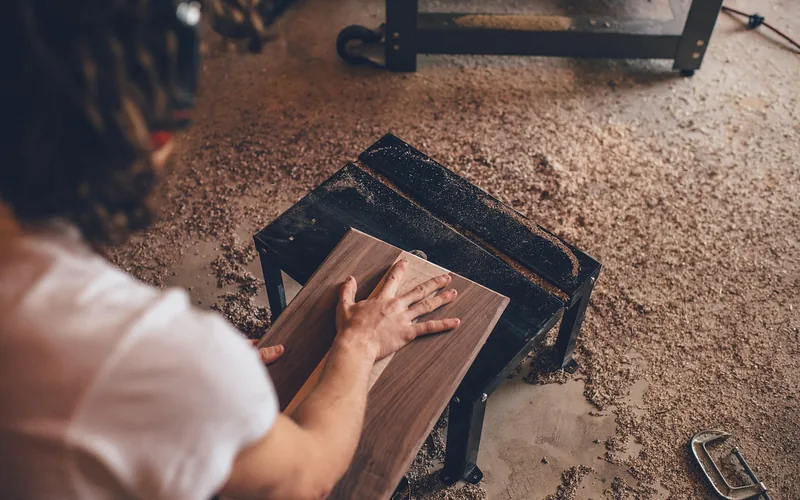
The pad shape also decides where each tool works. A rectangular sheet sander pad has a square corner, so it can get flush into a 90-degree inside corner or up against a raised panel edge. A round orbital pad cannot — it will always leave a small unsanded crescent in a tight corner, which is why cabinetmakers still keep a sheet sander around even after buying a random orbital.
When a Sheet Sander Is the Right Call
A sheet sander is the better choice when the job is flat, detailed, or budget-limited. It excels at final passes between coats of finish, sanding into square corners, and working on small projects where a bulky round pad gets in the way.
- Final finishing passes between coats of paint, stain, or polyurethane, where light, even scuffing matters more than speed
- Square inside corners on cabinet doors, picture frames, and window trim
- Small, flat projects like cutting boards, shelves, or picture frames where a 5-inch round pad is overkill
- Tight budgets — a quality sheet sander runs $20 to $50, and standard sandpaper sheets cost roughly $0.10 to $0.25 each
When a Random Orbital Sander Is the Right Call
A random orbital sander is the better choice whenever there is real material to remove, a curved edge to follow, or a large flat surface to cover quickly. Its dual motion is what lets it move from 80-grit stock removal to 220-grit finish sanding on the same tool without leaving directional marks.
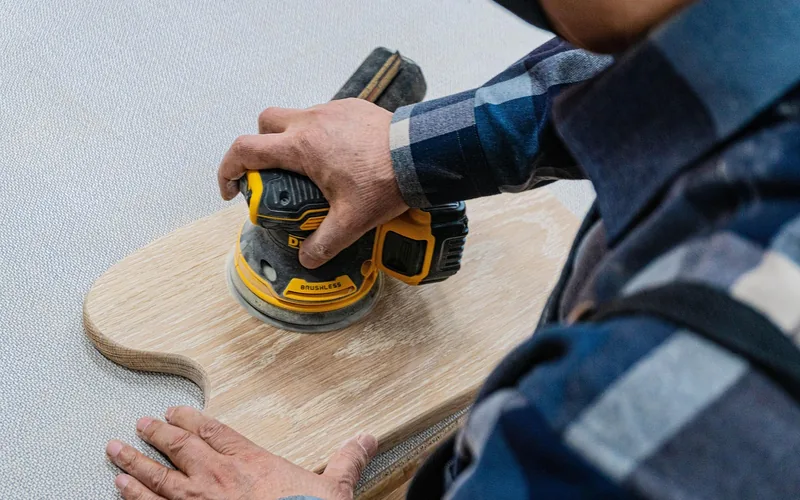
- Stripping old paint or varnish from furniture or trim before refinishing
- Shaping and rounding edges on curved or contoured workpieces
- Large flat surfaces like tabletops, doors, and deck boards, where speed matters
- Swirl-free final finishes on furniture that will be stained or clear-coated
In our own shop testing, the biggest difference shows up on end grain: a sheet sander’s straight-line motion tends to dig grooves into soft end grain if you linger in one spot, while the random orbital’s off-center spin spreads that same pressure out and leaves a flatter surface. That is the single biggest reason we reach for the random orbital on any project with visible end grain.
Sheet Sander vs Random Orbital Sander: Spec Comparison
Most articles compare these tools in vague terms like “faster” or “more precise.” Here is what the numbers actually look like, compiled from manufacturer spec sheets and current retail listings.
| Spec | Sheet Sander | Random Orbital Sander |
|---|---|---|
| Motion | Straight-line orbit, ~1/4 in. | Spinning + off-center orbit |
| Speed range | ~12,000-14,000 OPM | ~8,000-13,000 OPM |
| Pad shape/size | Rectangular, 1/4 or 1/3 sheet | Round, 5 in. or 6 in. disc |
| Motor | 1.5-2.0 amp (corded) | 2.0-3.0 amp (corded); 18-20V (cordless) |
| Typical price | $20-$50 | $40-$115 |
| Sandpaper cost | ~$0.10-$0.25/sheet | ~$0.75-$1.50/disc |
| Best surface | Flat panels, corners | Flats, curves, edges |
| Swirl marks | More likely on soft wood | Rare, even at low grits |
📊 A random orbital sander’s variable-speed range typically runs 8,000 to 12,000 OPM, and the pad also moves in an off-center orbit rather than a straight line. Source: DEWALT DWE6423 product specifications
The sandpaper cost line matters more than it looks. A sheet sander’s cheaper paper wears out roughly twice as fast on rough stock, so the per-project cost gap narrows once you account for how many sheets a full refinishing job actually burns through.
Common Sanding Mistakes That Ruin a Finish
- Skipping grits. Jumping from 80-grit straight to 220-grit leaves scratch marks the finer paper cannot remove. Step through 80, 120, 150, then 220.
- Pressing down. Both sander types are designed to float on their own weight. Extra hand pressure just slows the motor and can leave flat spots.
- Sanding against the grain with a sheet sander. Its straight-line motion telegraphs cross-grain scratches under stain far more visibly than a random orbital’s pattern does.
- Skipping the dust wipe-down between grits. Leftover coarse-grit dust gets dragged around by the next grit and creates fine scratches you will not see until the stain goes on.
Frequently Asked Questions
Is a random orbital sander better than a sheet sander?
For most projects, yes. A random orbital sander is more versatile, removes material faster, and leaves fewer swirl marks. A sheet sander is still the better tool for square corners and light finishing passes on a budget.
What is the disadvantage of a random orbital sander?
It cannot reach into square inside corners because its pad is round, it costs more than a sheet sander, and replacement sanding discs run roughly five to six times the price of standard sheet sandpaper.
What is the benefit of a sheet sander?
A sheet sander is lightweight, inexpensive to buy and run, and its square pad reaches corners and edges a round pad cannot. It is well suited to light finishing passes between coats of paint or stain.
What is the most effective all-around type of sander?
The random orbital sander is the most effective all-around choice for most woodworkers. It handles stock removal and fine finishing on the same tool, works on flats and curves, and produces fewer swirl marks than a straight-line sander.
Can I use a sheet sander and a random orbital sander on the same project?
Yes, and many woodworkers do. A common workflow is stock removal and shaping with a random orbital sander, then a final light pass with a sheet sander in square corners the round pad could not reach.
What grit sandpaper should I start with on rough wood?
Start at 80-grit for rough, unfinished wood or old paint removal. Move to 120-grit, then 150-grit, and finish at 220-grit before staining. Skipping a step in that sequence leaves visible scratch marks under the finish.
Conclusion
Choose a random orbital sander if you want one tool that handles stock removal, curves, and a swirl-free final finish — it is the better all-around pick for most woodworking tools in a home shop. Keep a sheet sander on hand for square corners, tight budgets, and light passes between finish coats. If you are deciding between a random orbital and a different specialty tool, see how it stacks up against a corner sander or check our guide to belt sanders for floor refinishing if you are working on a larger surface. Whichever you pick, pair it with a home dust collection setup to keep fine dust out of your shop air.
Sponsored / affiliate links. As an Amazon Associate I earn from qualifying purchases. I may earn additional commission from eligible campaigns.
 6" Random Orbit Air Sander, Air Palm Random Orbital Sander, Professional Pneumatic Palm Sander, Speed Adjustable Pneumatic Sander for Rust Removal, Sanding and Fine Polishing, Lightweight Low Noise
 Air Sander, Mini Straight Line Air Sander with 2 Connector, Random Orbital Pneumatic Sander Handheld Sander Tool for Auto Body Work Furniture Woodworking Metal Surface,14000RPM