Stanley Steemer Hardwood Floors: Real Cost & DIY Comparison
Stanley Steemer cleans hardwood floors with a rotary scrubber, a pH-neutral solution, and hot-water extraction — not steam, despite the company’s name. Skipping straight to a DIY fix can backfire: vinegar and other acidic cleaners etch polyurethane finish with repeated use. This guide covers what Stanley Steemer’s process actually includes, what it costs per square foot, and when a pH-neutral spray handles routine cleaning just as well between professional visits.
What Stanley Steemer’s Hardwood Floor Cleaning Process Actually Involves
Stanley Steemer’s hardwood service starts with an inspection: a technician checks the wood species, finish type (polyurethane, wax, or oil), and existing damage before choosing a cleaning method. That assessment matters because the wrong solution can strip a finish or leave a sticky residue on wax-sealed floors.
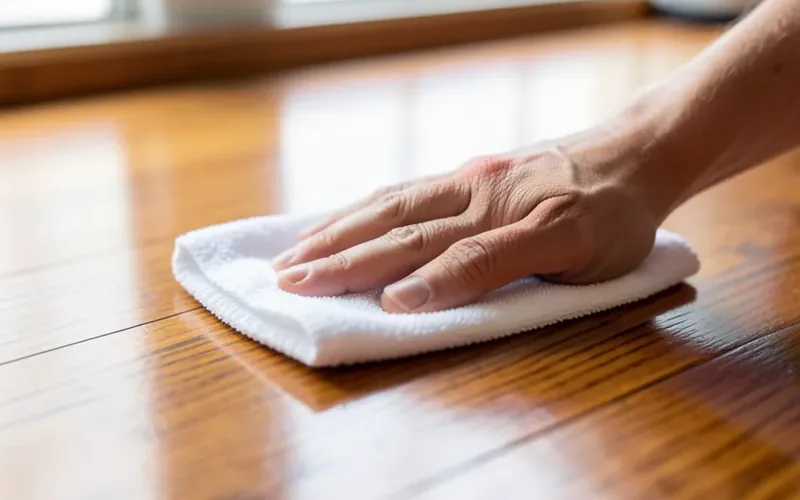
The cleaning itself uses a rotary floor machine with a soft brush head paired with a squeegee-and-vacuum extraction tool, along with a pH-neutral cleaning solution and hot water. This lifts embedded dirt out of the wood’s pores rather than steaming or oversaturating the surface, and technicians hand-clean edges, corners, and stair treads the machine can’t reach.
An optional maintenance coat — a fast-drying protective topcoat in satin or gloss — can be added afterward to extend the finish’s shine. It’s an upsell, not a required part of the cleaning, and a floor with a healthy existing finish doesn’t need one every visit.
Best DIY Hardwood Floor Cleaner Pick
 |
Bona Hardwood Floor Cleaner Spray – $8.97 A pH-neutral, residue-free spray built for the exact routine-maintenance role this guide describes — it’s the same cleaning-chemistry category Stanley Steemer’s technicians use, safe on both polyurethane and unwaxed wood.
|
As an Amazon Associate we earn from qualifying purchases.
Does the Name Mean It Actually Steam Cleans Wood Floors?
No — despite the name, Stanley Steemer’s hardwood process is not steam cleaning. Steam applies moisture directly to the wood, which is exactly what hardwood manufacturers warn against because trapped humidity swells and cups boards over time. The company’s own hardwood equipment instead uses a rotary scrubber with a pH-neutral solution and immediate wet-vacuum extraction, so moisture goes onto the floor and back off again in the same pass rather than sitting and soaking in.
The name comes from the company’s 1947 origin as a carpet-steam-cleaning business, and it stuck as the brand expanded into hardwood, tile, and duct cleaning — the hardwood service itself was built around low-moisture extraction specifically because steam is unsuitable for wood.
What Stanley Steemer Costs for Hardwood Floors
Professional hardwood cleaning through Stanley Steemer typically runs $0.25 to $0.50 per square foot, so a 500-square-foot area lands around $125 to $250. Single rooms can run under $100, though most visits carry a $100-$150 minimum regardless of square footage. Add-ons like a protectant, deodorizer, sealant, or the maintenance coat mentioned above cost extra and aren’t included in the base price.
📊 Stanley Steemer’s hardwood cleaning runs $0.25-$0.50 per square foot, with most visits carrying a $100-$150 minimum. — Source: HomeGuide, 2026
How It Compares to Other Professional Floor Cleaning Services
Stanley Steemer isn’t the only national cleaning company that will show up for a hardwood job, but its hardwood-specific process is more established than most competitors’. Chem-Dry, the other major national franchise in this space, built its reputation on carpet cleaning with its hot-carbonating extraction method; its hardwood floor offering exists in fewer markets and has far less documented process detail than its carpet service. Smaller local cleaning companies vary widely — some use the same rotary-scrubber-and-extraction approach, others rely on generic mop-and-solution methods that aren’t tailored to wood at all, which is where floors most often get over-wetted or dulled by the wrong chemical.
The practical takeaway: whichever company you book, ask specifically whether they use a low-moisture extraction method built for hardwood, and whether they inspect the finish type before applying any solution. Those two questions filter out most of the services that cause damage instead of preventing it.
Professional Cleaning vs. DIY: When Each Makes Sense
The two approaches solve different problems. A professional visit handles deep-set grime and allergens a mop can’t reach; routine DIY maintenance keeps floors from needing that deep clean as often.
| Factor | Professional (Stanley Steemer) | DIY (pH-neutral spray) |
|---|---|---|
| Cost per visit | $100-$250+ for a whole floor | $9-$20, lasts several months |
| Best for | Deep-set grime, allergen removal, first clean in a new home | Routine upkeep between deep cleans |
| Recommended frequency | Every 12-18 months | Weekly to biweekly |
| Equipment used | Rotary scrubber + wet-vacuum extraction | Spray bottle + microfiber mop |
| Risk if done wrong | Low — technician checks finish first | Moderate — wrong cleaner can dull or etch finish |
The DIY Mistake That Damages Finish
A common DIY habit works against hardwood instead of for it: cleaning with vinegar or other acidic solutions. Diluted vinegar looks like it’s working — it cuts through grime and dries streak-free at first — but repeated use etches polyurethane and other film finishes, leaving a dull, slightly rough surface that buffing alone won’t fix. If you already use a vinegar routine, our vinegar-based cleaning breakdown covers when a dilute mix is actually safe and when it isn’t. Ammonia causes a similar problem on some finishes — see our ammonia safety guide if that’s part of your current routine.
A pH-neutral formula — the same category Stanley Steemer’s technicians use — avoids the problem entirely and works on both wax and polyurethane finishes without needing to know which one your floor has. For a full weekly-to-seasonal maintenance schedule beyond spot cleaning, see our pH-neutral cleaning and waxing guide. Engineered hardwood follows mostly the same rules; our engineered hardwood cleaning guide covers the differences that matter.
Before any cleaning solution touches the floor, Stanley Steemer’s own service process starts by identifying the wood type and checking for pre-existing conditions — the same finish-first logic that makes a DIY pH-neutral cleaner the safer default over vinegar or ammonia.
Preparing for a Professional Hardwood Cleaning Appointment
A few minutes of prep avoids delays and gets a better result from the visit, whether you book Stanley Steemer or another company:
- Clear small items: Pick up toys, rugs, and floor decor from the rooms being cleaned so the crew doesn’t have to work around them.
- Flag wax-coated areas: Mention any section you know was waxed rather than polyurethane-sealed — it changes which solution is safe to use.
- Discuss large furniture in advance: Crews typically move light furniture themselves, but pianos, china cabinets, and other heavy pieces usually need to be arranged separately beforehand.
- Plan around drying time: Low-moisture extraction dries fast, but stockinged feet and closed pet access to the room for the first hour or two avoids new footprints on a still-settling finish.
- Ask before accepting the maintenance coat: It’s a genuinely useful add-on on a healthy finish but an unnecessary upcharge on a floor that needs refinishing instead — ask the technician’s honest opinion of your specific floor before saying yes.
Frequently Asked Questions
Is Stanley Steemer safe for all types of hardwood floors?
For most solid and engineered hardwood, yes. Technicians use a pH-neutral solution and check the finish type before cleaning. Wax-coated floors need extra care since the wrong process can dull or strip the wax coat, so mention it when booking if your floor is waxed rather than polyurethane-sealed.
How much does Stanley Steemer charge to clean hardwood floors?
Typically $0.25 to $0.50 per square foot, which works out to about $125-$250 for a 500-square-foot area. Most visits carry a $100-$150 minimum charge, and add-ons like a maintenance coat or deodorizer cost extra.
Can I clean hardwood floors myself instead of hiring a professional?
Yes, for routine upkeep. A pH-neutral hardwood spray and a microfiber mop handle regular dust, dirt, and light grime between deep cleans. Professional cleaning earns its cost for deep-set grime, allergen removal, or the first clean in a home you didn’t previously maintain.
Does vinegar damage hardwood floor finish?
With repeated use, yes. Vinegar’s acidity etches polyurethane and other film finishes over time, leaving a dull or slightly rough surface. A pH-neutral cleaner avoids this risk and works on both wax and polyurethane finishes.
How often should hardwood floors get a professional deep clean?
Most cleaning services recommend a professional deep clean every 12 to 18 months, more often in homes with pets, kids, or heavy foot traffic, and less often if floors get consistent DIY maintenance between visits.
Stanley Steemer’s hardwood process is a legitimate deep-cleaning option, not a marketing gimmick: pH-neutral solution, hot-water extraction, and a technician who checks your finish before starting. But it’s not a weekly habit for most households — a pH-neutral spray and a microfiber mop cover routine maintenance for a fraction of the cost, leaving the professional visit for the once-a-year-or-so deep clean grime actually needs.
Sponsored / affiliate links. As an Amazon Associate I earn from qualifying purchases. I may earn additional commission from eligible campaigns.