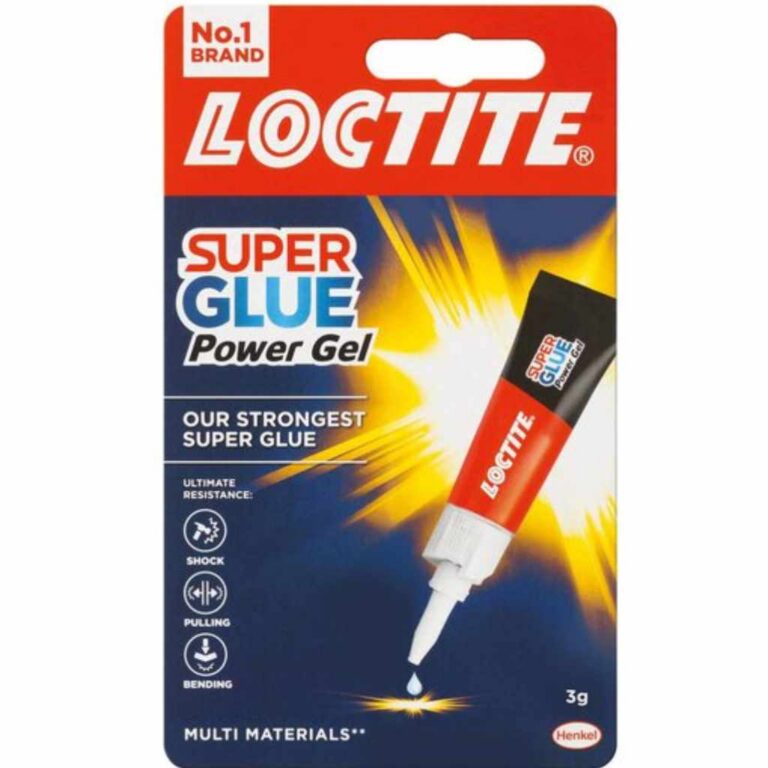
Can You Glue Wood to Insulation Foam? Safe Options
Yes, you can glue wood to insulation foam if you pick a foam-safe adhesive: use water-based construction adhesive, PVA only on EPS/XPS with a thin coat, or polyurethane with a test patch; avoid solvent-based glue and spray contact cement. I have seen the wrong glue eat foam, weaken the bond, and turn a small job into a long repair. This guide compares EPS, XPS, and polyiso, then shows when glue alone is enough and when you need fasteners or a mechanical frame.
Can you glue wood to insulation foam without melting it?


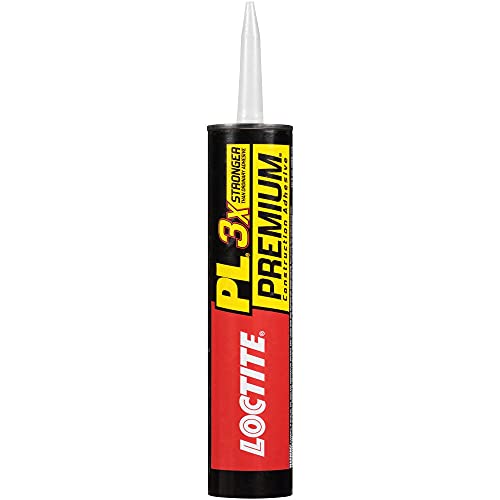
Yes, but only with the right adhesive family and the right foam type. The main risks are solvent attack, heat from curing, and pressure from clamping or fastening. EPS and XPS are often very sensitive to solvent-based products, and polyiso may need extra label checking because facer materials can affect what bonds well.
What makes foam fail: solvent attack, heat, or pressure
Solvent attack is the fastest failure. A solvent-heavy contact cement or spray adhesive can soften polystyrene almost immediately, leaving a pitted surface or a melted channel. Heat matters too; hot glue and some fast-setting products can sometimes deform foam by temperature alone. Pressure is the quiet failure: too much clamp force crushes cells before the adhesive reaches strength.
Which foam types are most sensitive
EPS foam is the easiest to damage. Its bead-based structure opens the door to solvent penetration, so even products that seem mild can cause softening. XPS foam board is denser and closed-cell, but it is still a polystyrene foam and still sensitive to many solvents. Polyiso often has facers, which may bond differently than the foam core and can change adhesive choice.
What glue is safe for foam board and wood?
Safe choices are usually water-based construction adhesive, PVA wood glue for light-duty work, polyurethane glue, epoxy, and foam-safe spray adhesive. The label must explicitly allow foam compatibility. If the product does not say that, assume it may attack EPS or XPS and test on offcuts before putting it on a project piece.
PVA wood glue for light-duty bonds
PVA glue is often foam-safe because it is water-based, but it tends to work best where both surfaces are porous and the joint is not highly stressed. It works better for trim pieces, craft builds, and low-load panel attachment than for structural or overhead work. On sealed facers or smooth foam, adhesion can be weak unless surface prep is excellent.
Polyurethane glue for foam-safe bonds with restraint
Polyurethane glue is often a good foam-safe option when the joint needs gap filling. It cures with moisture and can expand as it sets, so restraint matters. Use only a thin bead, mist if the label calls for moisture, and keep clamp pressure light enough to avoid squeezing out the foam or starving the joint.
Epoxy for gap-filling and stronger joins
Epoxy is a solid choice when the wood-to-foam joint needs better gap filling or higher strength than PVA can provide. It should be solvent-free and mixed correctly. Cure speed varies widely, so a fast epoxy may grab quickly while a slow epoxy gives more working time and usually less heat buildup.
Water-based construction adhesive and foam-safe spray adhesive
Low-VOC, water-based construction adhesive is often used for insulation panels, but the label still matters. Some formulas are foam-safe; others are not. Foam-safe spray adhesive can work for light attachment and repositioning, but only if the can is labeled foam-safe. Apply a couple of light passes and test on offcuts first.

How foam type changes the glue choice
EPS, XPS, and polyiso should not be treated as one group. EPS needs the most caution with solvents. XPS is common and often used in panel work, but it is still vulnerable to many adhesive chemistries. Polyiso depends heavily on the facer and the product label, so the bond is often decided by the surface layer more than the foam core.
EPS foam: highest caution with solvents
EPS is bead-based and can react badly to solvent-based adhesives. For light-duty work, PVA can be acceptable if the surfaces fit well and load is modest. For better gap filling, polyurethane or epoxy is usually safer. If the adhesive smells strongly of solvent, it is usually the wrong choice for EPS.
XPS foam board: common, but still solvent-sensitive
XPS is often the blue, pink, or green insulation board found on many job sites. It is closed-cell and often a little more forgiving than EPS, but solvent-based contact cement and many sprays can still attack it. Water-based construction adhesive, polyurethane, and solvent-free epoxy are the safer starting points.
Polyiso: check the facer and the label before choosing a glue
Polyiso boards may have foil, paper, or fiberglass facers. That facer may bond well even when the foam core is not the main contact surface. The adhesive must suit both the facer and the foam. If the facer is glossy or dusty, clean it first and verify that the chosen adhesive is approved for foam.
Wood-to-foam adhesive decision table
The table below maps common foam types to adhesive families, likely failure modes, clamp pressure guidance, and when added fasteners are smart. It is a practical starting point, not a substitute for the product label. When the joint must carry weight, spread the load with washers, furring strips, or a frame.
| Foam type | Safer adhesive families | Likely failure modes | Clamp pressure guidance | When to add mechanical fasteners |
|---|---|---|---|---|
| EPS foam | PVA for light duty; polyurethane; solvent-free epoxy; foam-safe water-based construction adhesive; foam-safe spray adhesive | Solvent melt, crushed beads, weak grab on smooth areas | Very light pressure, broad cauls or spreader boards; stop as soon as parts seat | Use fasteners for vertical panels, trim that may be bumped, or any load beyond light decorative duty |
| XPS foam board | Polyurethane; solvent-free epoxy; foam-safe water-based construction adhesive; foam-safe spray adhesive; PVA only for low-load porous contact | Solvent attack, creep under load, squeeze-out from over-clamping | Light to moderate with wide faces; avoid point clamping and deep screw compression | Back up wide panels, overhead work, or anything that must resist peel forces with washers, furring strips, or framing |
| Polyiso | Water-based construction adhesive if label confirms foam use; polyurethane; solvent-free epoxy; foam-safe spray adhesive | Adhesion failure on facer, poor bond to glossy surfaces, mismatch between facer and core | Light pressure while keeping full contact; do not crush the facer | Add fasteners when the facer is slick, the panel is overhead, or the joint must resist movement and vibration |
How do you clamp wood to foam without crushing it?
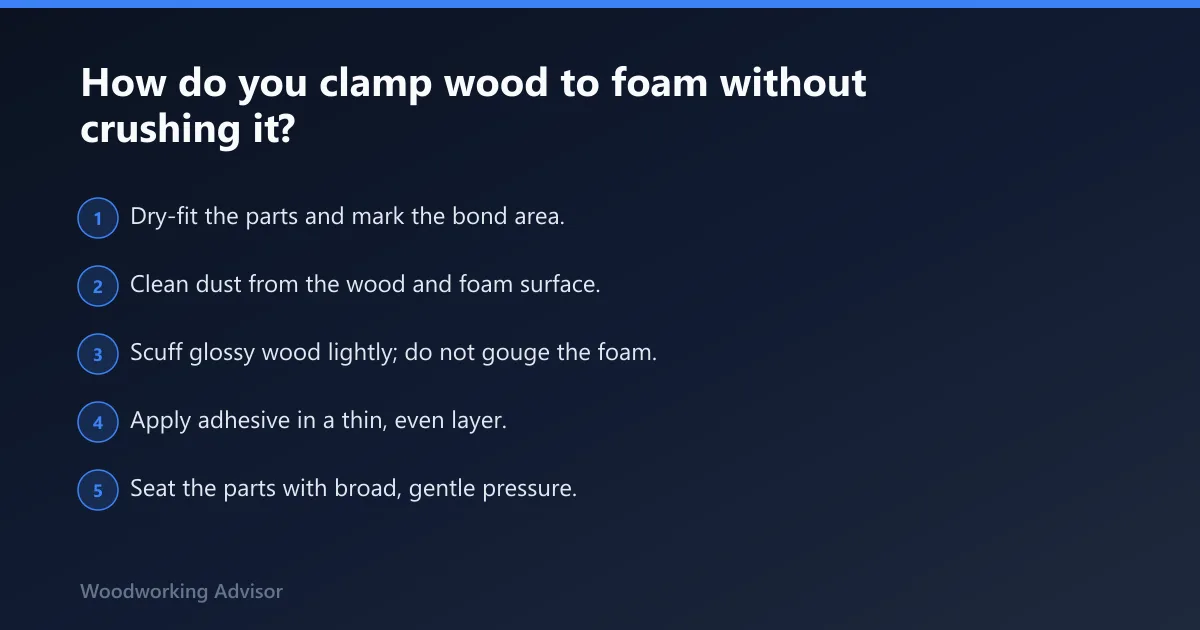
Use broad pressure, not point pressure. Foam compresses long before wood does, so a clamp that feels normal on lumber can damage insulation board. The goal is contact and alignment, not brute force. If the glue line closes and the parts stay in place, that is usually enough.
Use broad pressure, not point pressure
Spread the load with cauls, scrap plywood, or furring strips. A wide board under a clamp face turns a concentrated squeeze into a gentler hold. This matters most on EPS and thinner XPS, where a small clamp pad can leave a dent that weakens the bond line.
When to weight, tape, or brace instead of hard clamping
For horizontal assemblies, dead weight often works better than clamps. Painter’s tape can hold light parts in position while adhesive cures, and temporary braces can support edge panels. If the bond line is large, a few weights are usually safer than a row of tight clamps that bow the foam.
Where washers, furring strips, or spreader boards help
Mechanical support is helpful when adhesive alone cannot resist peel, shear, or vibration. Large washers spread screw load across more foam. Furring strips create a stiffer attachment point. Spreader boards keep the clamping pressure broad and even. Each one reduces the chance of local crush damage.
- Dry-fit the parts and mark the bond area.
- Clean dust from the wood and foam surface.
- Scuff glossy wood lightly; do not gouge the foam.
- Apply adhesive in a thin, even layer.
- Seat the parts with broad, gentle pressure.
- Add tape, weights, or spreader boards if needed.
- Leave the assembly undisturbed until the adhesive reaches handling strength.
What should you use instead of hot glue on insulation foam?
Use a foam-safe water-based adhesive, polyurethane, epoxy, or a labeled foam-safe spray adhesive. Hot glue is a poor fit for many insulation foam jobs because the heat can deform EPS or XPS, and the bond is often weak on large or load-bearing parts. It is better for quick tack work than for real attachment.
Safer substitutes for crafts, trim, and panel attachment
For lightweight craft work, a foam-safe spray adhesive or a thin bead of PVA may be enough. For trim, small blocks, or shop fixtures, polyurethane often gives more staying power. For larger panel attachment, water-based construction adhesive or epoxy is usually more dependable than hot glue.
When hot glue can still fail even if it does not melt the foam
Even when the foam survives, hot glue can let go as the joint cools, flexes, or sees peel stress. It also leaves little working time for alignment on larger pieces. That makes it a poor choice where the wood must stay flat, carry weight, or hold shape over time.
How long should glue cure before loading the joint?
Wait longer than the first time the joint feels stuck. Many adhesives reach handling strength before full load strength, and foam joints can be easy to damage early. Polyurethane, epoxy, PVA, and construction adhesives all have different cure windows, so the safest plan is to follow the label and delay full loading.
Set time versus handling strength
Set time is the point where the parts stop sliding. Handling strength is when the assembly can be moved carefully. Full cure is when the adhesive has reached most of its intended strength. Those are not the same. Loading too early can cause creep, bond failure, or crushed foam under the joint.
Why polyurethane and epoxy need different wait times
Polyurethane usually needs moisture and time to expand and harden. It may feel grabbed in an hour or two, but full strength comes later. Epoxy varies by formula; fast versions set quickly but can remain vulnerable under stress for much longer than the initial tack suggests. Slow-cure epoxy is often safer for higher loads.
Why full load should wait longer than the first grab
A joint that survives a light hand test may still fail under shelf weight, vibration, or pull-out force. If the wood-to-foam joint supports trim, a panel, or anything overhead, give it the full cure time listed by the manufacturer and then some margin. Early loading is a common cause of peel failure.
Frequently asked questions
Will construction adhesive melt foam insulation?
Some construction adhesives are safe, and some are not. The label must explicitly say foam-compatible or foam-safe. If that language is missing, the adhesive may contain solvents that attack polystyrene foam. This is especially risky on EPS and XPS, which can soften or collapse before the joint cures.
Is PVA glue safe on rigid foam insulation?
PVA is generally safe because it is water-based, but it is best for light-duty work and good-fitting surfaces. It is not a high-strength structural adhesive for foam boards. On smooth foam or sealed facers, grip can be limited unless the contact area is large and well prepared.
How long should glue cure before loading foam-to-wood joints?
It is usually best to wait for full cure, not just initial grab. Many adhesives reach handling strength within hours but need longer before carrying real load. Polyurethane and epoxy often need more time than PVA or foam-safe spray adhesives. For overhead or structural use, follow the product label and allow extra margin.
Sponsored / affiliate links. As an Amazon Associate I earn from qualifying purchases. I may earn additional commission from eligible campaigns.