How to Make Glue at Home: 4 Recipes + What Fails on Wood
You can make glue at home from flour, cornstarch, milk or hide granules, but only hide glue is a real woodworking adhesive. The rest are paper and craft glues that fail in damp air, and none of these recipes is waterproof. Below: four recipes, what each is good for, and when to buy PVA instead.
Which Homemade Glues Actually Work on Wood?
Best Hide Glue for Woodworking |
Titebond Liquid Hide Glue, 8 oz (#5013) – $8.39
|
The table sorts the common kitchen recipes by what they can honestly do. It uses published figures where they exist, and the sources we read give no strength numbers for flour, starch or kitchen milk glue, which is itself worth knowing.
| Glue | Fine for | Not for | How long it keeps |
|---|---|---|---|
| Flour paste | Paper, cardboard, papier-mache | Wood joints, anything damp | A few days in the fridge |
| Cornstarch paste | Tissue-paper collage, light paper crafts | Wood joints, anything damp | About a month in the fridge (thin liquid version) |
| Kitchen milk glue | Paper and card crafts | Wood joints, anything damp | Best used fresh |
| Hot hide glue (from granules) | Interior furniture joinery and repair | Damp rooms and outdoor use | Reheat as needed; mixed glue does not have to be thrown out daily |
| Store-bought PVA (Titebond) | Most wood joints | Original: not for exterior or damp use; Titebond III passes Type I water resistance | 24 months sealed (Titebond Original data sheet) |
The pattern is simple: the more a glue depends on a quick kitchen recipe, the weaker and less water resistant it is. Hide glue is the exception because it is a purpose-made woodworking adhesive that happens to be mixed at home. For the full commercial lineup, see our wood glue types comparison chart.
Flour Paste: Fine for Paper and Veneer Templates, Not for Joints
Flour paste is the easiest recipe here and the one most often misused. It bonds paper, cardboard and papier-mache well. It should not hold two pieces of solid wood together, because starch paste stays water soluble and softens again whenever the air gets damp.
Worth knowing: the paste book and paper conservators use is made from wheat starch, not flour. Flour contains both gluten and starch, and wheat starch is the starch alone after the gluten has been washed out. That is why conservation recipes call for starch and cook it for 15 minutes or more, while a kitchen flour paste is a quicker, rougher version.
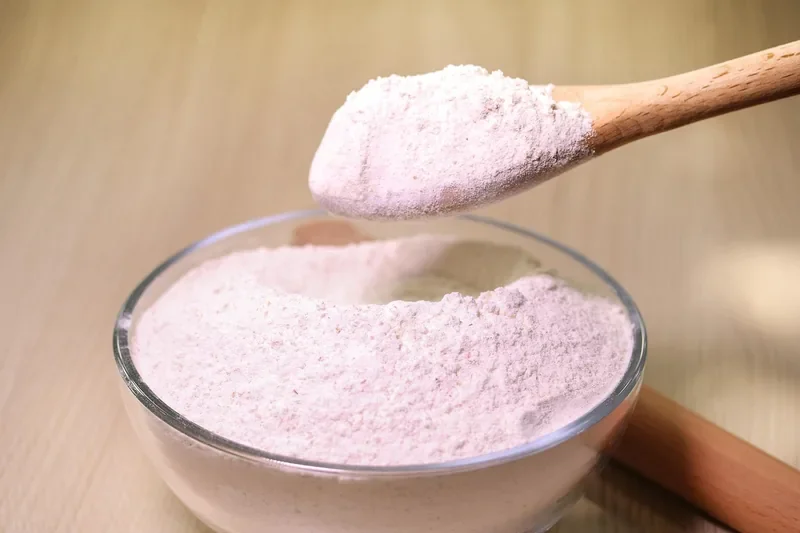
How to make flour paste
- Whisk 1/4 cup of plain flour into 1 cup of cold water until no lumps remain. Cold water first matters, because flour dumped into hot water lumps.
- Heat over medium-low, stirring constantly, until it thickens to a pudding-like paste. Stir the whole time, since the bottom scorches quickly.
- Add a pinch of salt, which is commonly used to slow spoilage.
- Let it cool completely, then apply thinly with a brush or stick.
Store it in a sealed jar in the refrigerator and throw it out after a few days, or as soon as it smells sour or shows any spots. A thin coat grips better than a thick one, and a thick coat also takes far longer to dry. If paper crafts are your real goal, our guide to the best glues for wood, paper and cardboard crafts covers store-bought options that skip the cooking.
Cornstarch Paste: Smoother Than Flour, Same Limits
Cornstarch paste is the better choice when you want a smoother, thinner adhesive for tissue paper or light collage. The Eric Carle Museum publishes a simple version, and it is a craft recipe, not a wood glue. A thin liquid starch like this has no place in a wood joint.
How to make cornstarch paste
- Put 3 tablespoons of cornstarch in a saucepan and whisk in about 1/4 cup of cold water to make an even slurry.
- Whisk in the rest of 3 cups of cold water in total.
- Heat over medium, whisking constantly. When it comes to a boil, take the pan off the heat.
- Let it cool, then pour it into a screw-top jar. The museum says it keeps in the refrigerator for at least a month.
That recipe is from the Eric Carle Museum, which uses it for tissue-paper collage with a stiff-bristled brush. One paste-making discussion among book and paper conservators noted cornstarch tends to look slightly yellowish, which rarely matters for craft work.
Hot Hide Glue: The Homemade Glue Real Woodworkers Still Use
Hide glue is made from animal collagen and has been a standard furniture glue for centuries. You will not cook it from raw hides in a home shop. You buy dry hide glue granules (often called pearl glue), mix them with water and warm them in a small double boiler or glue pot. That counts as homemade in the way that matters, since you control the mix and the working temperature.
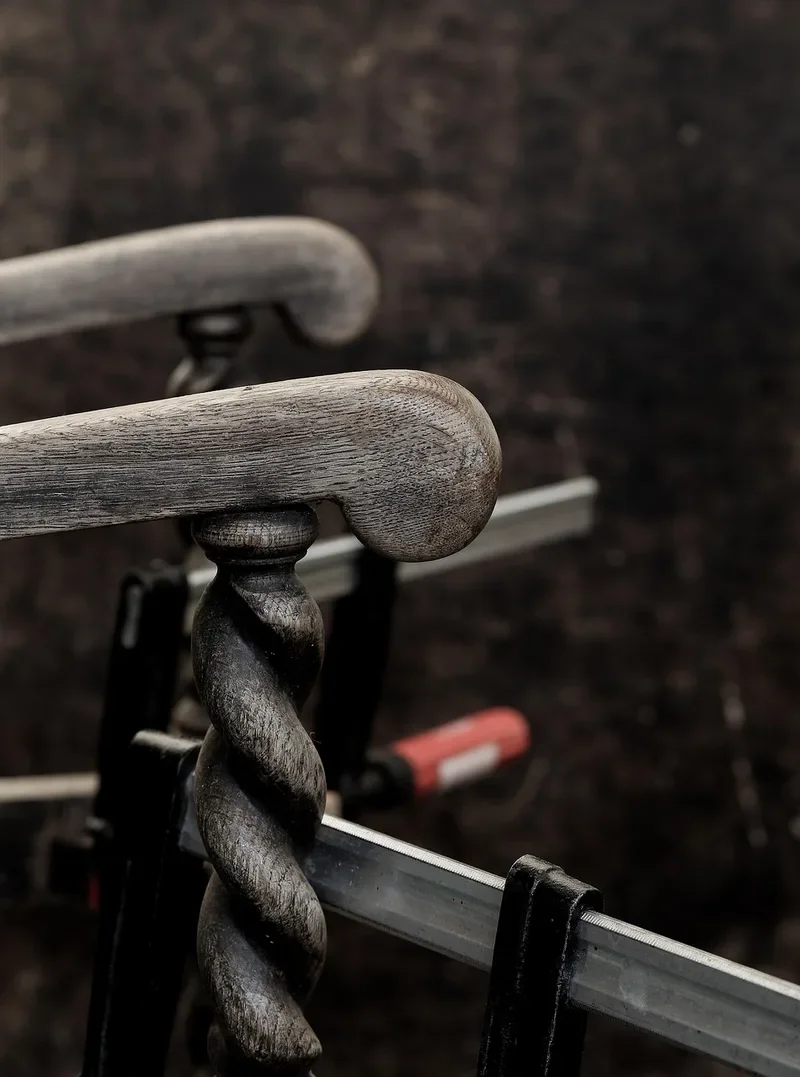
How to mix and use hide glue
- Follow the ratio on your granule package. As one reference point, Popular Woodworking cites about 2-2/3 cups of water per pound of 192 gram-strength glue, and says stronger grades take more water.
- Soak the granules in cold water until they are fully swollen. That takes 20 minutes to a few hours depending on granule size.
- Warm the mix to at least 130 degrees F, with 140 to 150 degrees F ideal, and never let it boil. The same source says the glue stays liquid above 130 degrees F and gels at about 95 degrees F.
- Brush a thin coat onto both surfaces, assemble and clamp quickly. Hot hide glue gels as it cools, so dry-fit the joint first.
- Leave the joint clamped and undisturbed until it has fully set, and overnight is a sensible margin before stressing it.
Two features make hide glue special. First, it is reversible: building-conservation guidance describes hide glues as both strong and re-treatable when moisture is applied, which is why antique restorers and instrument makers still use it. Second, it can be re-melted, so leftover glue can be reheated rather than thrown out each day. Its weaknesses are poor gap filling, a tendency to turn brittle with age, and water, so keep it to interior work. Our Franklin hide glue review covers the ready-mixed version in more detail.
Milk (Casein) Glue: What the Kitchen Version Really Gets You
Casein is a real woodworking glue with real history, but the kitchen recipe is not the same product. Casein glues were used to joint painting panels and, in the early 20th century, in aircraft construction, and the more durable versions replace baking soda with slaked lime. The skim milk, vinegar and baking soda version is a much weaker craft glue.
How to make kitchen milk glue
- Warm about 1/4 cup (2 ounces) of milk without letting it boil, and stir in 1 tablespoon of white vinegar. Curds will separate from the liquid.
- Strain the curds through a coffee filter or cloth.
- Add a pinch of baking soda to the curds and stir, adding a few drops of water until you have a gluey paste.
- Use it right away, because it does not store well.
Use skim milk, because fat interferes with the bond. Treat the result as a paper and craft glue, and do not trust it in a wood joint that carries a load or sees moisture. We do not give a lime-casein recipe here, because slaked lime is caustic and this page is meant to be safe for beginners.
Gelatin Glue vs. Hide Glue: Do Not Mix Them Up
A common myth is that unflavored kitchen gelatin makes the same glue as hide glue because both come from collagen. They are related, but food gelatin is sold for cooking, while woodworking hide glue is sold by gram strength for joinery. Gelatin dissolved in hot water will hold paper, but we found no woodworking source recommending it as a shortcut to a strong wood joint.
Can You Make Strong or Waterproof Glue at Home?
Searchers often ask for a strong, water-resistant homemade glue, and the honest answer is no recipe here delivers it. Hide glue is strong in a dry interior joint but fails in water by design, which is exactly why it can be undone. Lime-casein is more water resistant than the kitchen version, but it is a specialist mix. For a joint that must survive weather, steam or a damp bathroom, buy a glue that has passed a water-resistance test, such as Titebond III. If you only need to stick something to a wall or a smooth surface, no glue on this page is the right tool.
Why Store-Bought PVA Beats Every Kitchen Recipe for Joints
Yellow aliphatic wood glues publish test data, and that is the real difference. These are the manufacturer figures for bond strength on hard maple using the ASTM D-905 test, from Titebond’s published specifications:
| Glue | Bond strength | Wood failure | Water resistance |
|---|---|---|---|
| Titebond Original | 3,600 psi (room temperature) | 77% | Interior only, not for exterior or damp use |
| Titebond Original, after overnight at 150 degrees F | 1,600 psi | 10% | Heat cuts the strength by more than half |
| Titebond III Ultimate | 4,000 psi (room temperature) | 57% | Passes ANSI/HPVA Type I water resistance |
Wood failure means the wood tore instead of the glue line letting go, so a higher percentage is better. Those are lab figures on tight maple joints, not a promise about your project. Details are on the Titebond III product page, and the Titebond Original data sheet adds the 24-month sealed storage life used in the table above. No kitchen recipe on this page has comparable numbers behind it.
PVA also gives you predictable open and clamp times and a long shelf life. If you are gluing anything that will be used, sat on or exposed to weather, start with our wood glue types and cure times guide and check whether wood glue is waterproof once cured. If you already have a weak joint, our guide on how to strengthen a wood glue joint covers the fix.
One more myth to drop: mixing sawdust into glue does not make a stronger filler. It can hide a small gap, but the joint is only as good as the fit underneath it. If gap filling is your real goal, see our DIY wood filler guide for what sawdust and glue can and cannot do.
Safety Notes for Making Glue at Home
- Use a double boiler or a proper glue pot for hide glue and keep the temperature below a boil. Do not heat it directly on a burner.
- Hot glue and hot paste both cause burns, so keep them away from children and wear gloves if you are splashing.
- Label every jar and keep glue containers away from food storage. Food ingredients do not make cured glue food safe.
- Mold grows quickly in flour paste. Toss it at the first sour smell.
- Cured glue joints on cutting boards or utensils should use a glue rated for that purpose, not a homemade recipe.
Frequently Asked Questions About Homemade Glue
What is the strongest homemade glue for wood?
Hot hide glue mixed from hide glue granules. It is the only recipe on this page that was ever a real furniture-joinery adhesive, and conservators describe hide glue as both strong and reversible with moisture. Flour paste, cornstarch paste and kitchen milk glue are paper and craft glues and should not hold anything that carries weight.
Can I use flour and water paste as wood glue?
Only for temporary or non-structural jobs like paper templates, papier-mache or paper-covered projects. Flour paste is water soluble, can grow mold, and does not make a durable bond between two pieces of solid wood, so never use it on a chair, table or drawer joint.
Is homemade glue waterproof?
No. Every glue you can make from flour, starch, milk or hide is water sensitive. If a project will see humidity, rain or spills, use a store-bought glue with a water-resistance rating, such as Titebond III, which passes the ANSI/HPVA Type I specification, or use epoxy.
How long does homemade glue last?
Flour paste lasts only a few days in the refrigerator, so throw it out at the first sour smell. A thin cornstarch paste can keep about a month refrigerated, according to the Eric Carle Museum. Kitchen milk glue is best used fresh. Mixed hide glue can be reheated as needed, and dry granules keep far longer than mixed glue.
What is the difference between flour paste and cornstarch paste?
Flour contains both gluten and starch, while cornstarch is starch only. Cornstarch paste cooks up smoother and thinner, which suits tissue paper and light collage, while flour paste is thicker and more common for papier-mache. Neither is water resistant, and neither belongs in a wood joint.
Is homemade glue safe for kids?
The ingredients are food items, but that does not make the process risk free. Hot pastes and glue pots can burn, so children should only help with cool, finished paste, and cured wood glue joints should never be treated as food safe.
Can I mix sawdust and glue to fill gaps?
It can plug a small void cosmetically, but the filled area is not a structural bond. Sawdust and glue is weaker than a tight-fitting joint and is a poor substitute for cutting the joint properly.
Conclusion
Making glue at home is worth doing when you match the glue to the job. Flour and cornstarch paste belong on paper projects, and kitchen milk glue is a craft curiosity. Hot hide glue from granules is the one homemade option that earns a place in furniture repair and fine joinery, especially when you want a joint you can reverse later. For anything structural or exposed to moisture, reach for a store-bought PVA and clamp it properly.
Sponsored / affiliate links. As an Amazon Associate I earn from qualifying purchases. I may earn additional commission from eligible campaigns.