Table Saw Replacement Motors: Matching Specs Correctly
A replacement table saw motor needs to match the original’s horsepower, voltage, RPM, and shaft/arbor configuration – swapping in a motor with different specs can throw off blade speed, overload the drive belt, or simply not fit the mounting bracket, so measuring and confirming the original motor’s full nameplate specs before ordering matters more than just matching horsepower alone.
Reading the Motor Nameplate Correctly
Best for Diagnosing a Bad Motor Before Replacing It
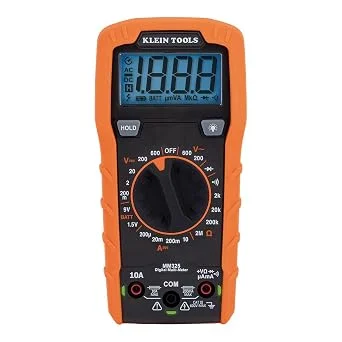 |
Klein Tools MM325 Digital Multimeter – $29.98 Testing the capacitor and windings for continuity is exactly how you confirm whether a humming, non-starting motor needs a cheap capacitor swap or a full replacement, as this guide describes.
|
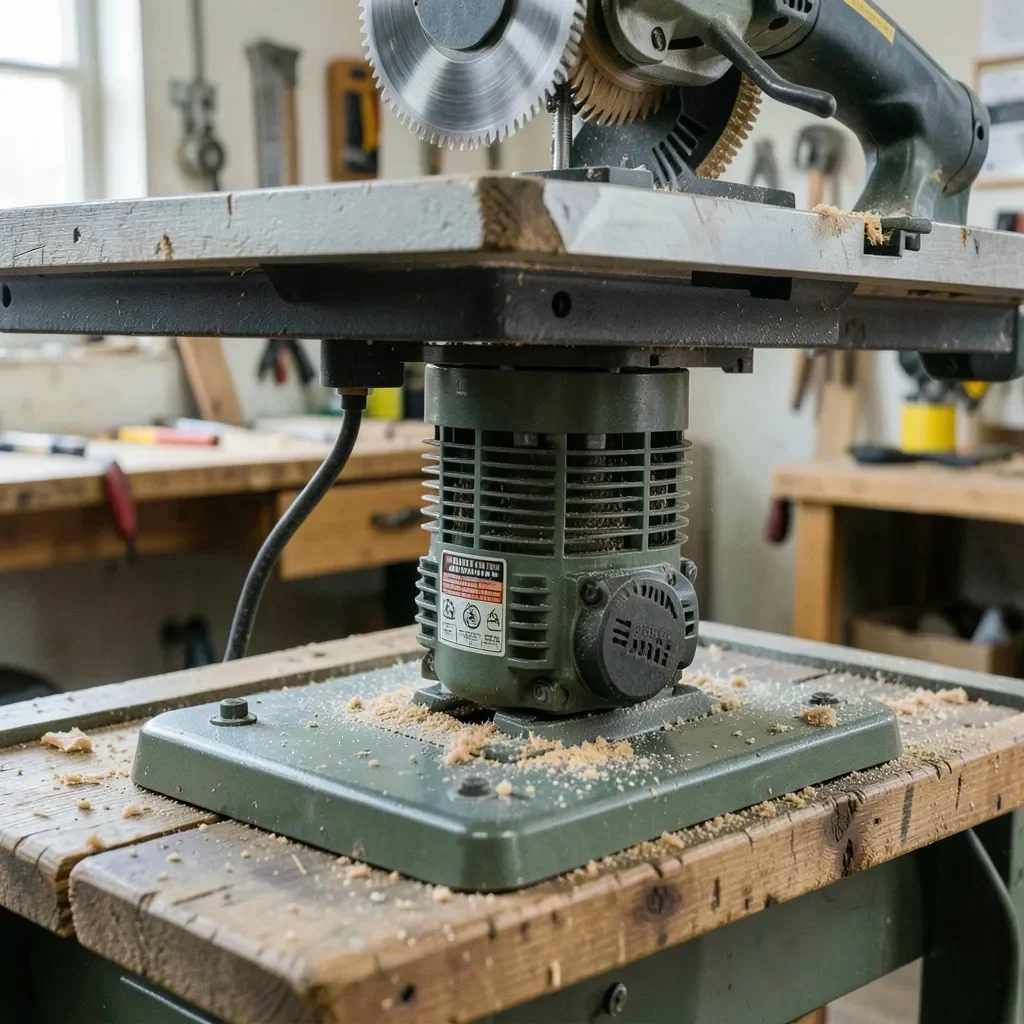
The nameplate lists horsepower, voltage (110V or 220V, and whether it’s dual-voltage capable), amperage, RPM, and frame size – all of which need to match or be compatible with the saw’s existing wiring and mounting setup. Frame size in particular determines whether a replacement motor’s mounting bolt pattern lines up with the saw’s existing motor mount without modification.
Looking to replace a dead motor with an exact spec match is different from wanting more cutting power out of a saw that still runs – if your saw works fine but bogs down on tougher cuts, see our table saw motor upgrade guide for sizing horsepower to your drive type instead.
Direct-Drive vs. Belt-Drive Motors
Direct-drive saws have the motor shaft connected straight to the arbor, meaning motor RPM directly determines blade speed – swapping to a motor with a different RPM changes cutting speed noticeably. Belt-drive saws use a pulley system that can be adjusted independently of motor RPM, giving more flexibility if an exact RPM match isn’t available, though pulley ratios still need recalculating to hit the saw’s intended blade speed.
When to Repair vs. Replace
A motor that hums but won’t start often has a bad capacitor – a $10-20 part that’s a much cheaper fix than a full motor replacement, and worth checking before assuming the whole motor is dead. A motor with visible burning smell, smoke, or a seized bearing that won’t turn by hand is usually beyond economical repair and calls for full replacement instead.
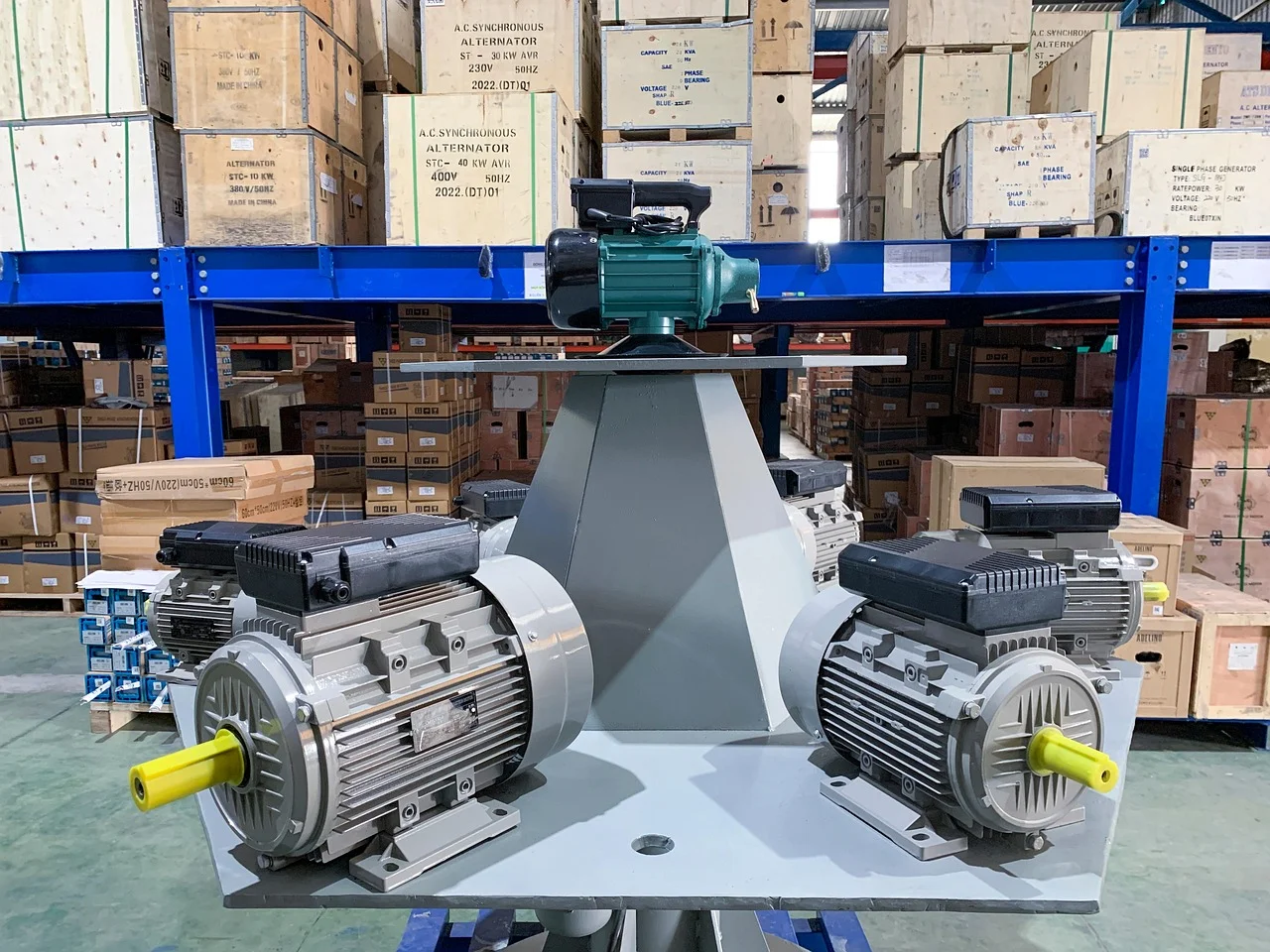
OEM vs. Generic Replacement Motors
An OEM replacement from the saw’s original manufacturer guarantees a correct fit and matching specs, but often costs significantly more than a generic aftermarket motor with equivalent specs – a generic motor works fine as long as horsepower, RPM, frame size, and shaft diameter all match, though mounting brackets occasionally need minor modification to fit a non-OEM unit.
Wiring Considerations
A dual-voltage motor (wired for either 110V or 220V) needs its internal wiring configured for the correct voltage before first use – most ship configured for 110V by default, and switching to 220V requires following the wiring diagram on the motor’s own junction box, not guessing. Getting this wrong can damage the motor or trip a breaker rather than simply running it slowly.
Frequently Asked Questions
Can I use any motor as a table saw replacement?
No – the replacement needs to match the original’s horsepower, voltage, RPM, frame size, and shaft configuration, or it may not fit or perform correctly.
Why won’t my table saw motor start even though it hums?
A humming motor that won’t start often has a failed start capacitor, a cheap and common fix that’s worth checking before replacing the whole motor. If the saw runs but just feels weak or bogs down under load rather than failing to start, the motor itself is rarely the culprit — see why table saws lose cutting power for the cheaper fixes to rule out first.
Is a generic replacement motor as good as OEM?
Yes, as long as horsepower, RPM, frame size, and shaft diameter all match the original specs – generic motors can cost significantly less than OEM replacements.
Sponsored / affiliate links. As an Amazon Associate I earn from qualifying purchases. I may earn additional commission from eligible campaigns.