Can You Add SawStop to Any Table Saw? Why Retrofitting Isn’t Possible
No, you cannot add SawStop to any table saw. SawStop’s flesh-detection technology is proprietary and only comes two ways: built into a complete SawStop saw from the factory, or as a replacement brake cartridge for a saw that already has SawStop’s system installed. There is no official kit that retrofits the safety system onto a Bosch, DeWalt, Grizzly, Delta, or any other brand’s table saw, and SawStop’s own support team confirms this directly. If you want the protection, you either buy a SawStop saw or you rely on other, non-flesh-detecting safety practices on the saw you already own. Below is exactly why retrofitting isn’t possible, what actually happened when a competitor tried to build a rival system, and which real safety upgrades work on any table saw you already own.
How SawStop’s Flesh-Detection Technology Actually Works
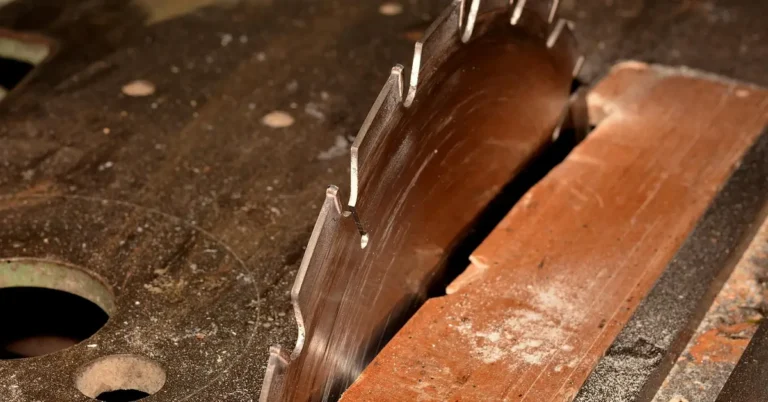
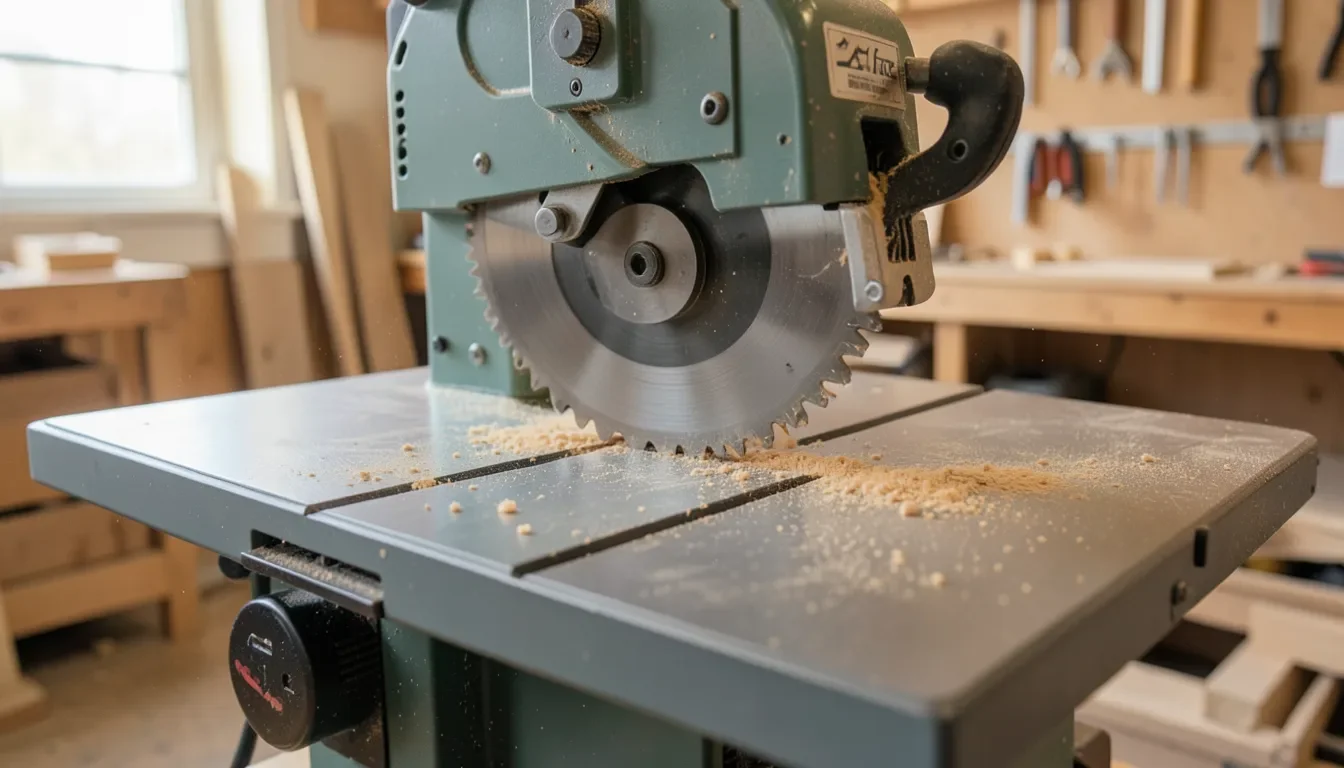
SawStop’s blade sends a tiny, harmless electrical signal through the blade itself. Wood, plastic, and most other materials don’t conduct that signal in a way the saw reads as skin. The moment the blade contacts something with the electrical conductivity of human tissue, the change in signal triggers an aluminum brake that jumps into the blade’s teeth and stops it, while a spring simultaneously drops the spinning blade below the table surface. The whole sequence happens in roughly 3 to 5 milliseconds, fast enough that a full-speed cut typically ends in a minor nick rather than an amputation.
That system only works because SawStop engineers the blade, the arbor, the brake cartridge, and the saw’s frame together as one unit. The brake has to seat against the blade at a precise position and depth, and the saw’s trunnions and motor mount have to survive the sudden mechanical shock of the brake firing without cracking. None of that is a bolt-on part; it’s built into the saw’s core structure.
REAL SAFETY UPGRADE FOR ANY TABLE SAW
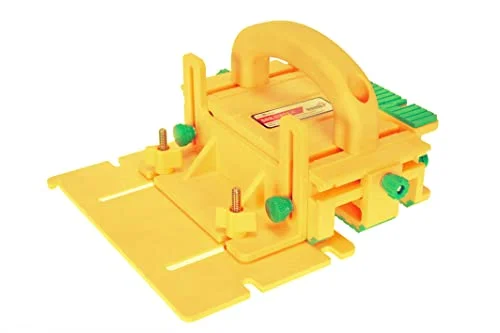 |
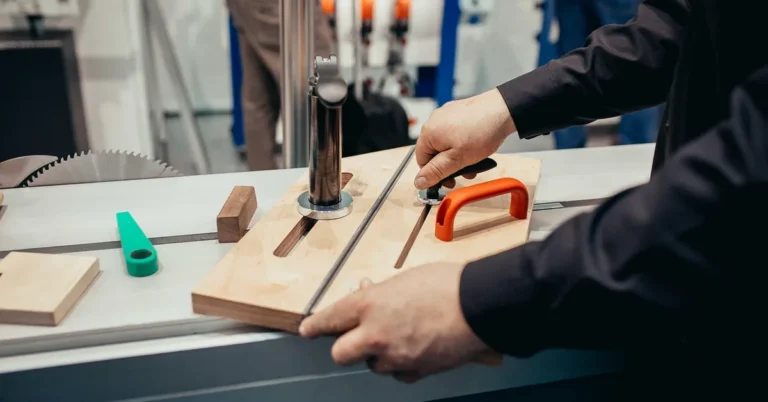
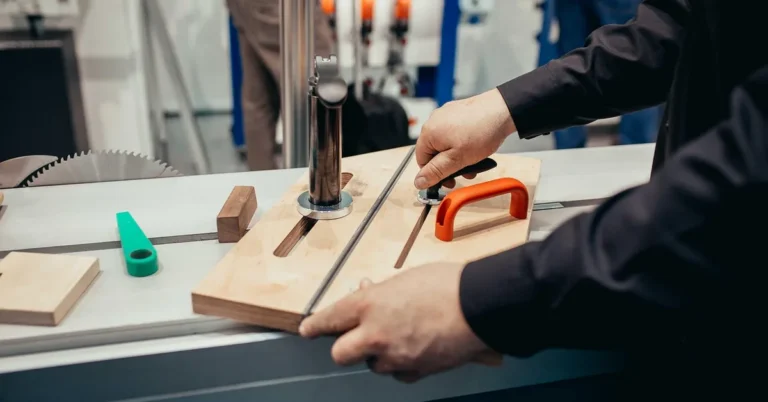
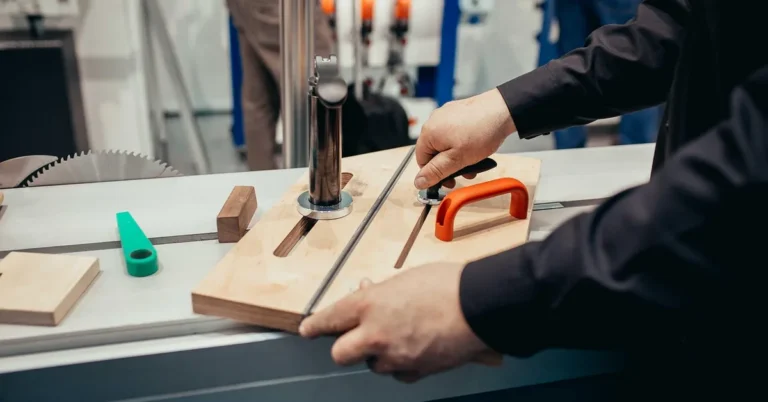
MICROJIG GRR-Ripper GR-200 Advanced 3D Pushblock SawStop’s brake can’t be added to your saw, but this can: it keeps every finger at least a few inches off the blade on every rip cut, on any table saw brand.
|
Why SawStop Can’t Be Added to Other Table Saws
According to SawStop’s own FAQ page, the company does not sell a kit to retrofit its safety system into a table saw made by another manufacturer, and it says plainly that doing so “is not economically practical.” The structural changes needed to fit the brake, the sensing electronics, and a compatible blade and arbor into a saw that wasn’t designed for them, plus the labor to install and calibrate it, would cost more than the saw itself is worth in most cases.
This isn’t only a cost decision. SawStop’s patents cover the specific way the sensing and braking system is integrated into the saw, so even a company with the engineering budget to build a universal kit would need a license from SawStop to sell one legally. SawStop has shown it will enforce those patents (more on that below), which is a big part of why no other company has released a bolt-on version, official or aftermarket, for existing saws.
Can You Upgrade an Existing SawStop Saw?
Yes, but only if you already own a SawStop. SawStop sells upgrade kits that move you between its own saw lines, such as a Contractor Saw (CB) to Industrial Cabinet Saw (ICS) upgrade kit, and replacement brake cartridges when the original brake has fired and needs to be swapped out. Those parts are designed for SawStop’s own frame, arbor, and electronics, so they bolt into another SawStop saw cleanly. None of that hardware is designed to fit, or is sold to fit, a non-SawStop table saw. If your saw isn’t a SawStop, an “upgrade kit” from the company isn’t an option for you at all.
What Happened to Bosch’s Rival Flesh-Detection Saw?
Bosch is the clearest real-world proof that this isn’t just SawStop being difficult. In 2015, Bosch released the REAXX, a jobsite table saw with its own flesh-detection and blade-drop safety system, aimed at directly competing with SawStop. SawStop sued, arguing the REAXX infringed several of its patents, and in 2017 the U.S. International Trade Commission ruled in SawStop’s favor. The ITC’s order effectively barred Bosch from importing or selling the REAXX in the United States, and Bosch pulled the saw from the market. It has not returned to U.S. shelves since.
That’s the practical reason SawStop remains the only table saw brand with flesh-detection technology on the market in 2026. It isn’t that no other manufacturer has the engineering talent to build one; Bosch already did. It’s that SawStop’s patent position has so far made it too legally risky for a competitor to sell a rival system, retrofit or factory-built, in the U.S.
Will Flesh-Detection Technology Become Mandatory?
For a few years it looked like this whole debate might become moot. In 2023, the Consumer Product Safety Commission proposed a rule that would have required all new table saws sold in the U.S. to include some form of active injury mitigation (“AIM”) technology, the same broad category SawStop’s system falls into, within three years of a final rule. Table saw manufacturers and industry groups pushed back hard, partly on cost and partly because SawStop’s patents meant compliance would likely require licensing from a single company.
On August 20, 2025, the CPSC withdrew the proposed rule under new agency leadership, citing cost concerns and the fact that the rule would have effectively privileged one company’s patented technology industry-wide. As of this update there is no federal requirement that table saws include flesh-detection or any other AIM technology, and no firm timeline for the CPSC to revisit the issue. That could change again with a future rulemaking, but for now the decision to buy a saw with this protection is entirely up to you.
Real Safety Upgrades You Can Add to Any Table Saw
None of these stop a blade the way SawStop does, but they’re genuinely effective, they fit almost any saw, and none of them require rewiring your saw or voiding a warranty:
- Riving knife: A thin metal blade that follows just behind the saw blade and keeps the kerf from pinching shut, which is what prevents most kickback. Most saws made in the last 15 years already have one; check that yours is installed and aligned before every session.
- Push blocks and push sticks: A push block like the GRR-Ripper above or even a simple shop-made push stick keeps your hands several inches from the blade on narrow rips, which is exactly the cut where most table saw injuries happen.
- Blade guard: The clear plastic guard that ships with your saw is there for a reason. It gets removed for certain cuts and rarely put back on; make reinstalling it a habit rather than an afterthought.
- Featherboards: Clamp one to the fence or table to hold stock against the fence with steady pressure, freeing your hands from needing to be near the blade to keep the workpiece from wandering.
- Zero-clearance throat plate: Reduces the gap around the blade so thin offcuts and fingers can’t slip down into the mechanism, and it also improves cut quality by reducing tear-out.
For a fuller rundown of add-ons worth having, see our guide to must-have table saw accessories for safety. If you’d rather solve this at the source and buy a saw with flesh detection built in, the entry point is SawStop’s compact and jobsite models, which cost more than a comparable non-SawStop saw but include the full system from the factory.
Frequently Asked Questions
Does SawStop sell a retrofit kit for other table saw brands?
No. SawStop’s own FAQ states it does not sell a kit to add its safety system to a table saw made by another manufacturer, because the structural changes required aren’t economically practical.
Can you upgrade a non-SawStop table saw to detect skin contact?
Not with SawStop’s technology. SawStop’s upgrade and brake-cartridge kits only fit its own saws. A non-SawStop saw can be made safer with a riving knife, blade guard, push blocks, and featherboards, but none of those detect skin contact or stop the blade the way SawStop does.
Why did Bosch stop selling its REAXX flesh-detection saw?
SawStop sued Bosch over patent infringement, and in 2017 the U.S. International Trade Commission ruled in SawStop’s favor, effectively blocking Bosch from importing or selling the REAXX in the United States. Bosch pulled it from the market and it has not returned.
Is flesh-detection technology required by law on new table saws?
No. The Consumer Product Safety Commission proposed a rule in 2023 that would have required it, but the agency withdrew that proposal on August 20, 2025. There is currently no federal requirement for flesh-detection technology on table saws sold in the U.S.
Conclusion
SawStop’s flesh-detection system is not something you can bolt onto whatever table saw you already own, and no reputable retrofit kit exists for a good reason: SawStop’s own engineers say the structural changes needed aren’t economically practical, and its patents have kept competitors like Bosch from selling their own version. If you want that specific protection, a SawStop saw is currently the only route. If you’re staying with the saw you have, a riving knife, a real push block, a blade guard you actually use, and featherboards are the genuine, proven ways to keep your hands away from the blade.
Sponsored / affiliate links. As an Amazon Associate I earn from qualifying purchases. I may earn additional commission from eligible campaigns.