Table Saw With Stand: Your Ultimate Workshop Ally
A table saw with a stand offers portability and stability for various woodworking projects. This combination enhances productivity by allowing easy setup and breakdown.
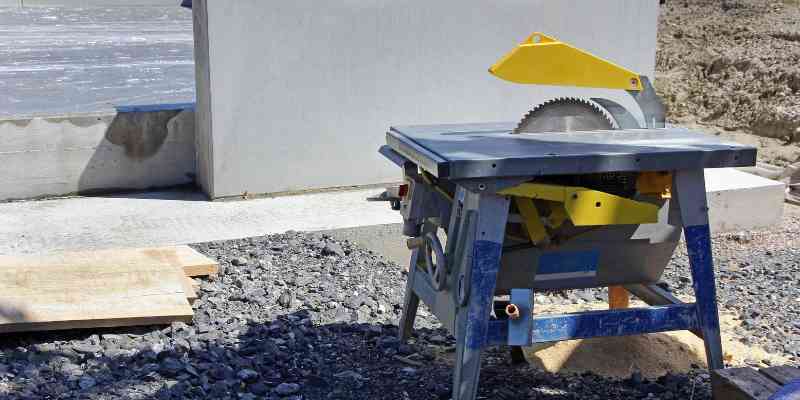
Table saws with stands are essential tools for both hobbyists and professionals. They provide a perfect blend of power and convenience, making them ideal for cutting large sheets of material. A sturdy stand ensures stability, reducing vibrations during operation. Many models come with folding stands, allowing for easy transport and storage.
This feature is especially beneficial for contractors or those with limited workspace. Investing in a quality table saw with a stand can significantly improve your workflow, making intricate cuts easier and more precise. Whether you’re crafting furniture or tackling home improvements, this tool is invaluable for achieving professional results.
Introduction To Table Saws With Stands
Table saws with stands are essential for woodworkers. They combine precision and portability. A sturdy stand enhances stability and ease of use. This setup is ideal for both professionals and hobbyists.
Essential Tool For Woodworkers
A table saw is a powerful cutting tool. It allows for straight and accurate cuts. Here are some reasons why woodworkers need this tool:
- Precision: Table saws ensure clean, straight cuts.
- Versatility: They can cut various materials.
- Efficiency: Speed up projects significantly.
Woodworkers rely on table saws for various tasks. From ripping lumber to making crosscuts, this tool is vital. A table saw with a stand enhances performance.
Benefits Of A Dedicated Stand
A dedicated stand offers many advantages. It provides stability and safety. Here are key benefits:
| Benefit | Description |
|---|---|
| Increased Stability | Prevents wobbling during cutting. |
| Easy Setup | Quickly assemble and disassemble for transport. |
| Better Height | Adjustable height for comfort during use. |
| Storage Options | Some stands come with shelves for tools. |
Using a stand with your table saw makes a big difference. It enhances safety and improves cutting accuracy. Woodworking becomes smoother and more enjoyable.
Choosing The Right Table Saw And Stand
Selecting a table saw and stand is essential for woodworking projects. The right choice increases accuracy and efficiency. Consider your needs and workspace before making a decision.
Key Features To Look For
- Power: Look for a powerful motor. Aim for at least 15 amps.
- Blade Size: A 10-inch blade is standard. It handles most tasks easily.
- Portability: If you move your saw often, choose a lightweight model.
- Safety Features: Check for blade guards and emergency stops.
- Rip Capacity: A larger rip capacity allows for bigger cuts.
- Ease of Setup: Choose a stand that sets up quickly and easily.
Comparing Top Models
| Model | Power (Amps) | Bl |
|---|
Setting Up Your Table Saw Station
Creating a well-organized table saw station improves safety and efficiency. A good setup maximizes workspace and enhances project quality.
Space Considerations
Think about where to place your table saw. The right location makes a big difference. Here are some space tips:
- Choose a flat, stable surface.
- Allow for at least 3 feet of clearance on all sides.
- Keep tools and materials within arm’s reach.
- Avoid clutter to prevent accidents.
Consider these dimensions for a comfortable working area:
| Area | Recommended Space |
|---|---|
| Front | 3-4 feet |
| Back | 3 feet |
| Sides | 2-3 feet |
Assembly Tips
Setting up your table saw stand is key. Follow these steps for a smooth assembly:
- Read the manual carefully.
- Gather all tools and parts before starting.
- Assemble the base first. Ensure it is level.
- Attach the saw securely to the stand.
- Check for stability. Adjust if necessary.
Use these best practices:
- Work with a partner for heavy lifting.
- Double-check all screws and bolts.
- Keep your workspace clean during assembly.
Follow these tips to ensure your table saw station is ready for safe and effective use.
Safety First: Operating Your Table Saw
Operating a table saw can be safe and efficient. Follow proper safety measures to prevent accidents. Knowing the right protocols helps keep you and others safe.
Must-know Safety Protocols
- Read the manual before using your table saw.
- Keep the area clean and clutter-free.
- Always use the guard provided with the saw.
- Check the blade for damage before starting.
- Ensure the saw is stable on its stand.
- Never reach over the blade while cutting.
- Use a push stick for narrow cuts.
- Disconnect power when changing the blade.
Personal Protective Equipment
Wearing the right personal protective equipment (PPE) is vital. This gear protects you from flying debris and noise. Below is a list of essential PPE:
| Equipment | Purpose |
|---|---|
| Safety Glasses | Protect eyes from dust and debris. |
| Ear Protection | Reduce noise exposure. |
| Dust Mask | Prevent inhalation of harmful particles. |
| Work Gloves | Protect hands from sharp edges. |
Always wear the PPE correctly. Safety comes first. Stay alert and focused while using your table saw. Enjoy woodworking safely!
Maintenance And Care
Proper maintenance keeps your table saw with stand in great shape. Regular care ensures safety and enhances performance. Follow these tips for effective upkeep.
Routine Cleaning
Routine cleaning is essential for a well-functioning table saw. Dust and debris can affect the saw’s performance. Here’s how to keep it clean:
- Unplug the saw before cleaning.
- Use a soft brush to remove dust from surfaces.
- Wipe down the table and stand with a damp cloth.
- Check the blade for residue. Clean with a blade cleaner.
Regular cleaning prevents rust and keeps parts moving smoothly. Clean your table saw after each use.
Periodic Adjustments
Periodic adjustments maintain accuracy and safety. Check settings at least once a month. Here’s a quick guide:
| Adjustment | Frequency | Tools Needed |
|---|---|---|
| Blade alignment | Monthly | Ruler, square |
| Blade height | Before each use | Wrench |
| Fence alignment | Every 3 months | Square |
Perform these adjustments to ensure precision cuts. Regular checks help prevent accidents.
Enhancing Your Saw With Accessories
Maximize the potential of your table saw with the right accessories. These enhancements can improve precision, safety, and convenience. Investing in quality accessories transforms your basic saw into a powerful tool.
Upgrades For Precision Cuts
Precision is key in woodworking. The right upgrades can elevate your cuts significantly. Here are some essential accessories:
- Laser Guides: These help you see the cut line clearly.
- Digital Calipers: Measure thickness accurately for better cuts.
- Crosscut Sleds: Ensure straight cuts on larger pieces.
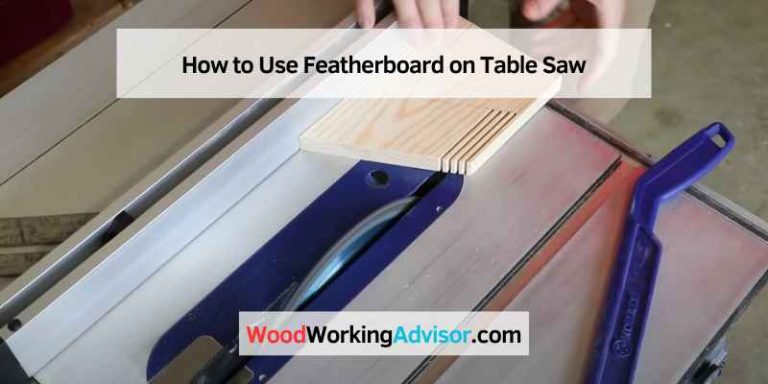
- Feather Boards: Keep wood steady during cutting.
Each upgrade enhances your cutting accuracy. Choose accessories that fit your specific needs.
Storage Add-ons For Tools
Keeping your workspace organized is vital. Storage add-ons help you manage tools effectively. Consider these options:
- Tool Racks: Store blades and accessories within reach.
- Rolling Carts: Move tools easily around your workspace.
- Magnetic Strips: Keep small tools visible and accessible.
Organized tools lead to efficient work. Choose storage solutions that complement your setup.
Troubleshooting Common Issues
Table saws with stands can face various issues over time. Understanding how to troubleshoot these problems can enhance performance. This section covers common issues and their solutions.
Alignment Problems
Alignment issues can lead to inaccurate cuts. Check the following:
- Blade Alignment: Ensure the blade is parallel to the miter slot.
- Fence Alignment: The fence should be square to the blade.
- Table Surface: Make sure the table is flat and level.
To align the blade:
- Use a square to check alignment.
- Adjust the blade using the adjustment screws.
- Recheck after adjustments.
For fence alignment:
- Loosen the fence adjustment knobs.
- Align the fence with the blade.
- Tighten the knobs once aligned.
Motor And Belt Maintenance
Regular maintenance keeps your table saw running smoothly. Focus on these areas:
- Belt Tension: Ensure the belt is tight but not too tight.
- Motor Cleaning: Dust can hinder performance. Clean the motor regularly.
- Lubrication: Apply lubricant to moving parts as needed.
Check the belt for wear:
| Condition | Action |
|---|---|
| Cracks or Frays | Replace the belt immediately. |
| Loose | Tighten the belt using adjustment screws. |
| Worn | Consider replacing it to avoid issues. |
Follow these steps for motor maintenance:
- Unplug the saw before cleaning.
- Use a brush to remove dust.
- Inspect the motor for any unusual noises.
Projects To Tackle With Your Table Saw
A table saw with a stand is a powerful tool. It opens the door to countless projects. Whether you are a beginner or an expert, you can create amazing things. Below are some exciting projects to try.
Beginner-friendly Builds
Start your woodworking journey with these simple projects:
- Cutting Boards: A great way to practice basic cuts.
- Bookshelves: Simple design, useful for storage.
- Picture Frames: Personalize your space with handmade frames.
- Simple Tables: Build a small table for various uses.
Each project helps you learn essential skills. You will master techniques like:
- Measuring accurately
- Making straight cuts
- Joining pieces securely
Complex Designs For Advanced Users
Challenge yourself with these intricate projects:
- Cabinets: Create beautiful storage solutions for your home.
- Furniture Sets: Build a cohesive look for your living space.
- Outdoor Decking: Enhance your backyard with durable woodwork.
- Custom Woodworking: Craft unique pieces that reflect your style.
Advanced projects require precision and attention. Focus on key skills like:
| Skill | Description |
|---|---|
| Joinery Techniques | Learn how to join wood pieces seamlessly. |
| Complex Cuts | Master angles and curves for unique designs. |
| Finishing Techniques | Create smooth, polished surfaces for a professional look. |
Each project brings new learning opportunities. Build your skills and confidence with every cut.
Future Of Woodworking: Innovations In Table Saws
The woodworking industry is rapidly evolving. Innovations in table saws are changing how woodworkers create. These advancements make woodworking safer, easier, and more efficient.
Smart Technology Integrations
Smart technology is becoming a game changer in table saws. These tools now feature:
- Digital Displays: Easy-to-read screens show measurements and settings.
- Bluetooth Connectivity: Connect to apps for enhanced functionality.
- Automatic Blade Adjustment: Ensures perfect cuts every time.
Smart table saws help users work with precision. They reduce human error and improve safety. Some models even have sensors that detect obstacles. This prevents accidents before they happen.
Eco-friendly Developments
Eco-friendly innovations are important for sustainable woodworking. Manufacturers are focusing on:
- Energy Efficiency: New motors use less power.
- Recycled Materials: Many saws are made from recycled components.
- Dust Collection Systems: Reduce waste and improve air quality.
These developments help protect the environment. Woodworkers can enjoy their craft without guilt. Choosing eco-friendly tools supports a healthier planet.
Frequently Asked Questions
What Is A Table Saw With Stand?
A table saw with stand is a power tool that combines a saw with a sturdy, often portable, stand. This setup allows for greater stability and ease of use. It’s ideal for woodworking projects, providing accurate cuts and facilitating mobility around the workshop or job site.
Why Should I Use A Stand For My Table Saw?
Using a stand for your table saw enhances stability and safety during cutting. It also elevates the saw to a comfortable working height, reducing strain. Many stands are portable, making it easier to transport your saw to different locations, improving efficiency in your projects.
Can I Use A Table Saw Without A Stand?
Yes, a table saw can operate without a stand, but it’s not recommended. Without a stand, stability and safety may be compromised. A firm base helps in achieving precise cuts and protects against vibrations. For optimal performance, investing in a quality stand is advisable.
How Do I Choose The Right Table Saw Stand?
Choosing the right table saw stand involves considering portability, weight capacity, and compatibility with your saw. Look for a stand that offers easy setup and stability. Additionally, check reviews and ratings to ensure it meets your specific needs and preferences for woodworking projects.
Conclusion
Choosing a table saw with a stand can significantly enhance your woodworking projects. It offers stability and portability, making tasks easier. Investing in a quality model ensures durability and efficiency. With the right table saw, you can achieve precise cuts and elevate your craftsmanship.
Make the right choice for your workshop today!