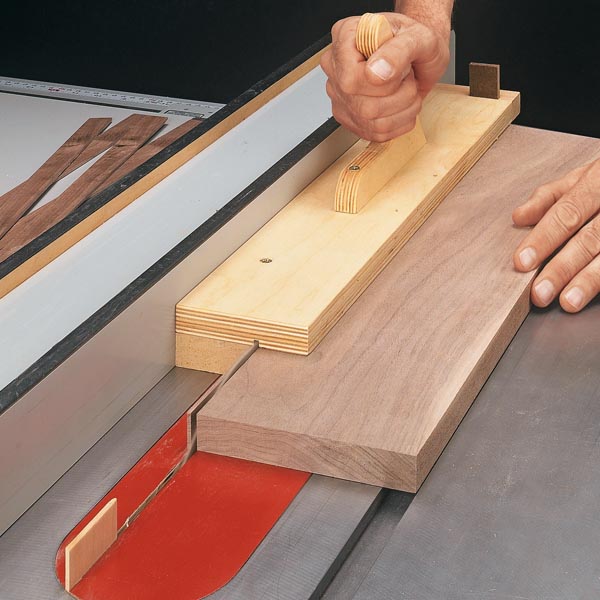
Thin Strip Jig for Table Saw: Precision Cutting Guide
Picture this: you’re in your workshop, ready to tackle your next woodworking project. You’ve got your table saw prepped, but you’re missing one crucial tool that could make your life so much easier — a thin strip jig.
If you’re aiming for precision and efficiency, this little gadget can be a game-changer. Imagine effortlessly cutting uniform, slender strips of wood, saving time and minimizing material waste. It sounds like a dream, right? But it’s entirely achievable. In this guide, you’ll discover how a thin strip jig can transform your woodworking experience and why it deserves a spot in your toolkit.
Stay with us, and unlock the secrets to flawless cuts and enhanced craftsmanship.

Credit: www.woodsmith.com
What Is A Thin Strip Jig?
A thin strip jig helps cut wood into thin strips. It is used with a table saw. This tool keeps your fingers safe. No need to push wood by hand. The jig holds the wood steady. This makes cuts smooth and even.
Jigs make repeated cutseasy. Once set, you can cut many strips the same size. Builders and woodworkers like using jigs. They save time and improve safety.
Always follow safety rules. Wear safety glasses. Keep hands away from the saw blade. Use the jig for small pieces. It is a simple toolbut very helpful.
Benefits Of Using A Thin Strip Jig
A thin strip jig helps cut thin wood strips. It keeps pieces straight and even. You get smooth edges every time. This tool is simple to use. You attach it to your table saw. Then, adjust to your desired strip thickness. This jig saves time and effort. No need for extra measuring. It reduces waste. You will use less wood. This jig is also safe. It
securely. Your fingers stay away from the blade. This increases safety during cutting.
Using a thin strip jig makes projects easier. You can create perfectly sized strips. It helps in crafting furniture and decorations. This tool is handy for many woodworking tasks. Beginners find it helpful. Professionals appreciate its precision. It’s a must-have for woodshops. Every woodworker needs one. Enjoy better results with less stress. It’s a wise investment for woodworking success.
Essential Features
The thin strip jig allows you to cut thin strips of wood. You can change the width easily. This helps in making precise cuts. Different projects need different strip sizes. Adjusting the width is simple. It saves time and effort.
Safety is very important. The jig has special features for safety. It reduces the risk of accidents. Your hands stay away from the blade. This makes it safer to use. You can focus on your work without worry.
The jig is made from strong materials. It will last a long time. It can handle tough jobs. The materials prevent wear and tear. It stays in good shape even after many uses. This is a good investment for your tools.
Credit: www.woodsmithplans.com
How To Set Up A Thin Strip Jig
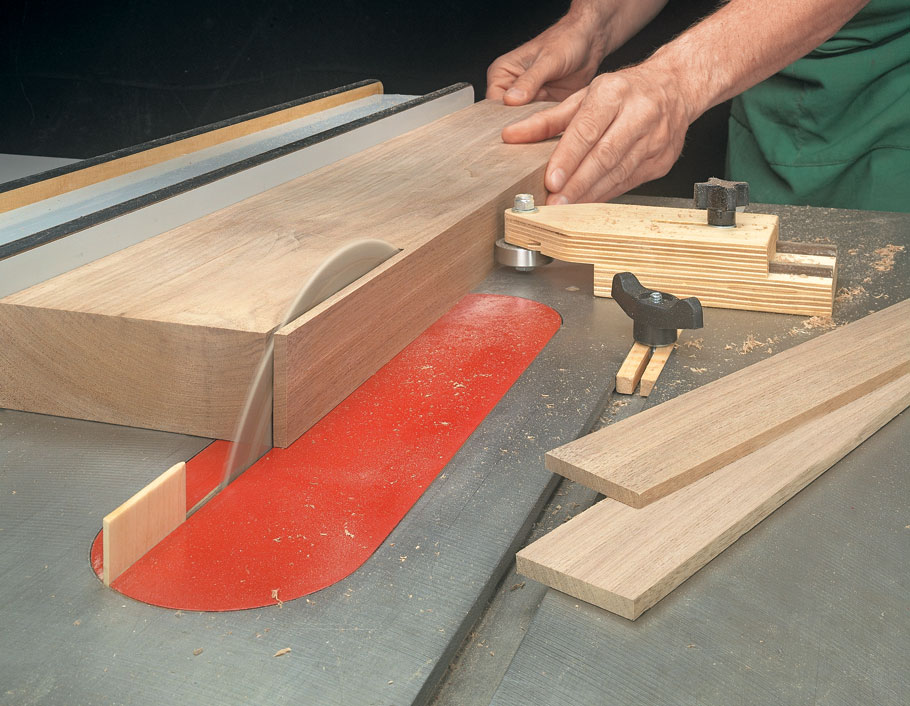
First, ensure the jig is firmly attached to the table saw. Use clamps to hold the jig steady. Make sure the jig does not move. It should be secure and stable. This will help in cutting straight strips.
Adjust the jig for exact measurements. Use a ruler for accuracy. Measure the strip width. Make sure the saw blade is aligned. Precision is key for perfect strips. Check the settings twice to avoid errors.
Run a test cut on scrap wood. Check the strip width. It should match your measurement. Adjust if needed. Test again to ensure accuracy. This helps in making sure everything is set right.
Step-by-step Cutting Process
Ensure your wood piecesare straight and smooth. Check for any knots or defects. Measure the wood length carefully. Use a pencil to mark the exact points. This helps in making precise cuts. Wear safety glasses to protect your eyes.
Place the jig on the table saw. Adjust the jig to fit the wood’s width. Ensure it is tight and secure. Test the jig with a scrap wood piece. This ensures the jig is properly aligned.
Turn on the table saw. Push the wood through the saw slowly. Keep your hands away from the blade. Use a push stick for safety. Check the cut strip for accuracy. Repeat the process for more strips.
Safety Tips
Always keep hands away from the blade. Use a push stick for safety. Make sure the jig is secure. Use clamps to hold it in place. This stops movement while cutting. Keep your workspace clean. Remove any clutter around the saw. Focus on the task to avoid mistakes.
Wear safety glasses to protect your eyes. Use ear protection to block loud noise. Gloves can protect your hands. Make sure they are snug. Loose gloves can be dangerous. Wear a dust mask. This keeps your lungs safe from sawdust.
Know where the emergency stop button is. Keep it within reach. Plan what to do if an accident happens. Have a first aid kit nearby. Make sure everyone knows how to use it. Stay calm if something goes wrong. Quick actions can prevent further harm.
Common Mistakes And How To Avoid Them
Using thin strip jigs on table saws can cause uneven cuts and material waste. Choose sturdy materials for the jig and ensure it’s securely attached to avoid errors. Regularly check alignment to prevent inaccuracies and enhance safety during cutting.
Incorrect Measurements
Measurements are crucial. Wrong measurements lead to waste. Always use a reliable ruler. Double-check each number. Mark lines clearly. Use a sharp pencil. Keep the ruler steady. Precision is key. Take your time. Rushing can cause errors. You save time by being careful.
Improper Setup
The setup must be correct. Check all parts. Align the jig properly. Make sure it is secure. Loose parts can be dangerous. Adjust the blade height. Follow the tool manual. Test the setup first. This avoids problems later.
Ignoring Safety Protocols
Safety comes first. Wear safety glasses. Protect your ears. Keep fingers away from the blade. Use a push stick. Never reach over the blade. Keep the work area clean. Focus on what you are doing. Distractions can be risky. Safety saves lives.
:max_bytes(150000):strip_icc()/thinstrip-5602b7114ffd4446991c0a975133a2ed.jpg)
Credit: www.woodmagazine.com
Maintaining Your Thin Strip Jig
Keep your thin strip jig clean for best use. Dust and debris can affect performance. Use a soft brush to clear tiny particles. Avoid water as it may cause rust. A clean jig works better and lasts longer.
Check your jig regularly for signs of wear. Look for cracks or bends. These can affect your cuts. Replace any worn parts immediately. A well-maintained jig ensures safety and precision.
Proper lubrication keeps your jig moving smoothly. Use a light oil for best results. Apply oil to moving parts. Don’t overdo it. Too much oil attracts dust. Wipe away any excess to prevent buildup.
Choosing The Right Jig For Your Needs
Different jigs suit different materials. Wood jigs work well with soft woods. Metal jigs are best for hard materials. Plastic jigs can be used for lightweight tasks. Always check the material compatibility with your saw. Choose jigs that match your project needs.
Prices vary widely. Some jigs are expensive, others are cheap. Quality often matches the cost. Cheap jigs may not last long. Expensive ones offer durability. Decide what fits your budget. A good jig can be a worthwhile investment.
Many brands offer jigs. Popular brands might have higher prices. Lesser-known brands can be budget-friendly. Reviews help in comparing quality. Customer feedback is crucial. Choose brands that provide reliability. Compare features before buying.
Innovative Uses Beyond Thin Strips
A thin strip jig can do more than cut thin wood strips. It helps in making unique designs. You can use it to create intricate frames. Or try making small wooden toys. This jig is useful for making decorative trims too. It is great for detailed work. Woodworkers love its precision. They can make custom patterns easily. It is a handy tool for many small projects.
The thin strip jig is not just for one task. It works with different wood types. You can adjust it for various thicknesses. It is perfect for crafting furniture parts. Many use it for making wooden puzzles. Also, it is good for model making. This tool is a must-have for anyone who loves detailed woodworking. It offers flexibility and accuracy.
Frequently Asked Questions
What Is A Thin Strip Jig For A Table Saw?
A thin strip jig is an accessory used with table saws. It allows for precise and consistent cutting of thin strips of wood. It’s essential for woodworking projects requiring uniformity and accuracy in thin pieces.
How Do You Use A Thin Strip Jig?
To use a thin strip jig, attach it to your table saw’s fence. Adjust the jig to the desired thickness. Then, feed the wood through the saw, maintaining pressure against the jig for uniform cuts.
Why Is A Thin Strip Jig Important?
A thin strip jig ensures precision when cutting narrow wood strips. It reduces waste and improves safety by providing stability. This tool is crucial for projects needing consistent, thin pieces.
Can I Make My Own Thin Strip Jig?
Yes, you can make a thin strip jig using basic materials. Use plywood or MDF for the base and a stop block for thickness adjustment. DIY jigs offer customization to suit specific project needs.
Conclusion
A thin strip jig for your table saw makes cutting strips easy. It helps with precision and safety. Setup is quick, saving time and effort. This tool enhances woodworking projects with clean, exact cuts. Beginners and pros both find it useful.
Consider adding one to your toolkit for smoother operations. It’s an investment in efficiency and quality. Woodworking becomes more enjoyable with the right tools. Start simple, achieve great results. Give your projects the edge they deserve. Enjoy crafting with confidence and ease.