Tiles That Look Like Wood Floors: A Game-Changer for Home Design
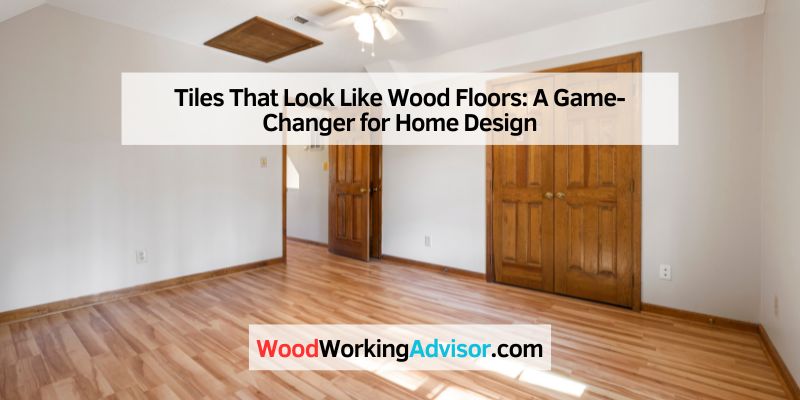
Hey there! If you’re thinking about upgrading your home’s flooring, let me tell you about something that’s been catching my eye lately: tiles that look like wood floors. I’ve spent hours exploring this trend, walking through showrooms, and even chatting with homeowners who’ve made the switch. These tiles are a fantastic blend of style and practicality, giving you the warm, inviting look of hardwood without the hefty maintenance. In this article, I’m going to walk you through everything I’ve learned about these wood-look tiles, from why they’re so popular to how you can use them in your own home. Let’s dive in and see why this flooring option might just be your next big home project.
Why Choose Tiles That Look Like Wood Floors?
When I first heard about tiles mimicking wood, I was skeptical. Could they really capture the cozy charm of hardwood? But after seeing them in person, I was sold. These tiles offer the best of both worlds: the beauty of wood and the durability of tile. Unlike real wood, which can scratch or warp over time, wood-look tiles are tough. They stand up to spills, heavy foot traffic, and even muddy paws. I’ve seen them in homes with kids and pets, and they still look brand new.
Another reason I love these tiles is their versatility. They come in countless styles, from rustic oak to sleek walnut, so you can match them to any vibe you’re going for. Plus, they’re often more budget-friendly than hardwood. If you’re like me and want a high-end look without breaking the bank, these tiles are a dream come true. And let’s not forget about maintenance—sweep, mop, and you’re done. No need for polishing or refinishing like with real wood.
The Technology Behind Wood-Look Tiles
I was amazed when I learned how these tiles are made. Manufacturers use advanced printing technology to create tiles that mimic wood’s natural grain and texture. I’ve run my hands over these tiles, and the realism is uncanny—some even have the slightly rough feel of wood. They’re typically made from porcelain or ceramic, which makes them super durable. Porcelain, in particular, is denser and less porous, so it’s great for high-moisture areas like bathrooms or kitchens.
What really blew me away is how precise the designs are. The tiles can replicate specific wood species, like maple or cherry, down to the tiniest knots and swirls. Some even have textured surfaces that feel like hand-scraped wood. I saw a display at a local store where they laid out tiles next to real wood planks, and I could barely tell the difference. This technology is what makes wood-look tiles so convincing and popular.
Where to Use Wood-Look Tiles in Your Home
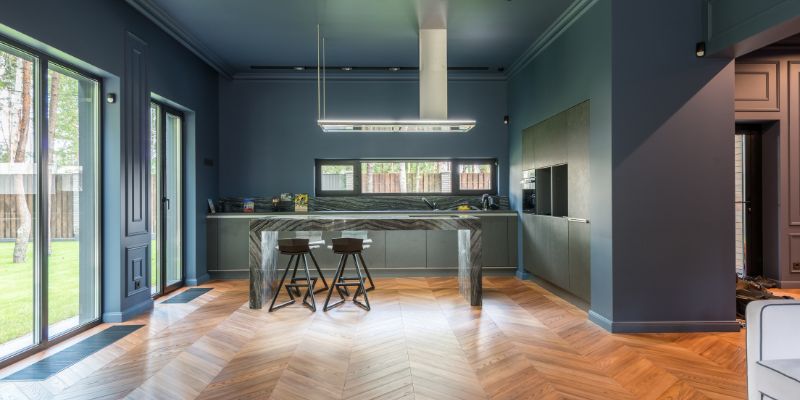
One of the things I love most about these tiles is how they work in almost any room. I’ve seen them transform spaces in ways I didn’t expect. In the living room, they create a warm, inviting feel that rivals hardwood. I visited a friend’s house where they used wood-look tiles in a herringbone pattern, and it looked so elegant. Kitchens are another great spot because these tiles handle spills and splashes without warping. I’ve also seen them in bathrooms, where they add a spa-like vibe without the worry of water damage.
Basements and laundry rooms are perfect candidates too. These areas can get damp, and real wood would struggle there. I even saw wood-look tiles on a patio once, which gave it a cozy, indoor-outdoor feel. The only place I’d avoid is areas with extreme temperature swings, as tiles can crack in rare cases. But honestly, these tiles are so versatile, you can get creative with where you use them.
Comparing Wood-Look Tiles to Real Hardwood
Let’s break this down with a comparison, because I know you’re probably wondering how these tiles stack up against real wood. I’ve spent time weighing the pros and cons, and here’s what I’ve found:
| Feature | Wood-Look Tiles | Hardwood Floors |
|---|---|---|
| Appearance | Mimics wood grain and texture | Authentic wood grain |
| Durability | Highly resistant to scratches, water | Prone to scratches, water damage |
| Maintenance | Easy to clean, no refinishing | Requires polishing, refinishing |
| Cost | Generally more affordable | Can be expensive, varies by wood |
| Installation | DIY-friendly with proper tools | Often requires professional install |
| Lifespan | 20-50 years with proper care | 10-100 years, depending on care |
| Eco-Friendliness | Often made with sustainable materials | May involve deforestation |
I’ve talked to homeowners who chose tiles over hardwood because of the lower upkeep and cost. But if you’re set on the authentic feel of wood, hardwood has a warmth that’s hard to beat. For me, the tiles win out for their practicality, especially in busy households.
Types of Wood-Look Tiles
When I started exploring wood-look tiles, I was surprised by the variety. There are two main types: ceramic and porcelain. Ceramic tiles are lighter and often cheaper, making them great for low-traffic areas like bedrooms. Porcelain tiles, which I lean toward, are denser and more water-resistant, so they’re ideal for kitchens or bathrooms.
Then there’s the style variety. You can find tiles that mimic specific wood types, like oak, pine, or cedar. I’ve seen finishes ranging from matte to glossy, and textures from smooth to distressed. Some tiles even come in plank sizes, like 6×36 inches, to look more like real wood. I once saw a display of reclaimed barnwood-style tiles, and they had this rustic charm that made me want to redo my whole house.
Installation Tips for Wood-Look Tiles
I’ve watched a few installations, and while I’m no pro, I picked up some tips. First, make sure your subfloor is level. Uneven surfaces can cause tiles to crack. I learned this the hard way when I helped a friend lay tiles and we skipped this step—let’s just say it wasn’t pretty. Use a leveling compound if needed.
Next, choose the right layout. I love a staggered pattern because it mimics real wood floors. Herringbone or chevron patterns are trickier but look stunning. You’ll need a wet saw for cutting tiles, and don’t skimp on the grout. I recommend a color that contrasts slightly with the tile to highlight the wood-like effect. If you’re not handy, hire a professional—trust me, it’s worth it for a flawless finish.
Cost and Budgeting for Wood-Look Tiles
Let’s talk money. When I first looked into wood-look tiles, I was thrilled to find they’re often cheaper than hardwood. On average, ceramic tiles cost $1-$5 per square foot, while porcelain runs $3-$10 per square foot. High-end designs can go up to $15, but that’s still less than premium hardwood, which can hit $20 or more per square foot.
Installation costs vary. If you’re DIYing, you’ll spend on tools, grout, and adhesive—maybe $500-$1,000 for a medium-sized room. Professional installation can add $5-$10 per square foot. I got quotes for a 200-square-foot room, and prices ranged from $1,500 to $3,000 total. My advice? Shop around and check for sales at big-box stores or local tile shops.
Maintaining Your Wood-Look Tiles
One of the reasons I’m such a fan of these tiles is how easy they are to care for. I’ve got a busy life, and I don’t have time to baby my floors. A quick sweep and a damp mop with mild soap do the trick. Unlike wood, you don’t need special cleaners or worry about water damage. I’ve spilled coffee, juice, you name it, and these tiles wipe clean every time.
For stubborn stains, a mix of water and vinegar works wonders. Just don’t use abrasive scrubbers—they can dull the finish. I also recommend resealing the grout every couple of years to keep it looking fresh. If you’re like me and want a low-effort floor that still looks amazing, these tiles are a no-brainer.
Design Ideas to Inspire You
I’ve spent way too much time daydreaming about how to use wood-look tiles in my home. One idea I love is creating a cozy bedroom with light oak-look tiles. Pair them with soft rugs and neutral bedding for a serene vibe. In the kitchen, I’ve seen dark walnut tiles with white cabinets, and the contrast is gorgeous.
For a bold look, try a herringbone pattern in a dining room. I saw this at a friend’s house, and it felt so upscale. If you’ve got an outdoor space, consider using wood-look tiles to extend your living area. I visited a home with a patio decked out in weathered pine tiles, and it felt like an outdoor living room. The possibilities are endless, and I’m sure you’ll find a style that speaks to you.
Environmental Benefits of Wood-Look Tiles
As someone who cares about the planet, I was happy to learn that wood-look tiles can be eco-friendly. Many manufacturers use recycled materials, and tiles don’t require cutting down trees like hardwood does. I found brands that prioritize sustainable production, which made me feel good about choosing them.
Plus, tiles last a long time, so you’re not replacing them often. I read that some porcelain tiles can last 50 years or more with proper care. That’s a win for your wallet and the environment. If sustainability matters to you, look for brands with green certifications or ask about their manufacturing process.
Common Mistakes to Avoid
I’ve seen a few missteps when it comes to wood-look tiles, and I want to help you avoid them. One big one is choosing the wrong grout color. I made this mistake once and ended up with grout that clashed with the tiles. Go for a subtle contrast to enhance the wood effect.
Another mistake is skipping the underlayment. It might seem like an extra cost, but it prevents cracks and makes the floor feel solid. Also, don’t rush the installation. I helped a neighbor who didn’t measure properly, and we ended up with uneven gaps. Take your time, measure twice, and you’ll thank yourself later.
Mixing Wood-Look Tiles with Other Materials
One trend I’m obsessed with is mixing wood-look tiles with other materials. I saw a kitchen where they paired wood-look tiles with stone accents around an island, and it looked so chic. You can also combine them with real wood in different areas for a seamless transition. For example, use tiles in the bathroom and wood in the bedroom for a cohesive flow.
I’ve also seen tiles paired with metal or glass accents in modern homes. Think wood-look tiles with a sleek glass backsplash or stainless steel fixtures. It’s a great way to add texture and interest. Just make sure the colors complement each other—I learned that the hard way after a clashing color combo in my own home.
Where to Buy Wood-Look Tiles
When I started shopping for these tiles, I was overwhelmed by the options. Big-box stores like Home Depot or Lowe’s have a wide selection and often run sales. I found some great deals on porcelain tiles there. Local tile shops are another gem—they often have unique designs and can offer expert advice.
Online retailers like Wayfair or Build.com are convenient, but I recommend ordering samples first. I made the mistake of buying tiles online without checking, and the color was off. If you’re on a budget, check out discount warehouses or overstock sales. Just make sure to inspect the tiles for defects before buying.
My Personal Experience with Wood-Look Tiles
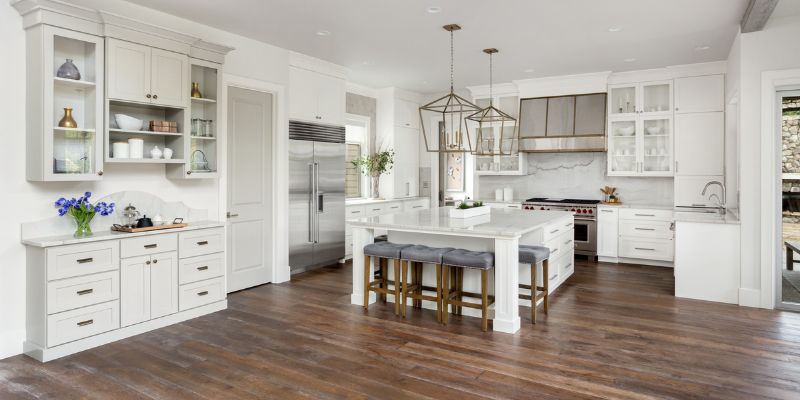
I recently redid my kitchen with wood-look porcelain tiles, and I can’t stop raving about them. I chose a gray-washed oak style, and it gives my space a modern yet cozy feel. The installation was a bit of a learning curve—I underestimated how long it would take—but the result was worth it. My kids have spilled everything from milk to paint, and the tiles still look flawless.
What surprised me most was how many compliments I got. Friends thought it was real wood until I told them otherwise. It’s been a year, and I haven’t had a single issue. If you’re on the fence, I’m here to tell you: these tiles are a game-changer.
Conclusion
After diving deep into the world of wood-look tiles, I can honestly say they’re one of the best flooring options out there. They give you the beauty of wood without the hassle, and they’re versatile enough to fit any home style. Whether you’re sprucing up a kitchen, bathroom, or patio, these tiles deliver on looks, durability, and value. I’ve seen them transform spaces, including my own, and I’m confident they can do the same for you. So, go ahead—explore some samples, play with design ideas, and get ready to fall in love with your new floors.
Are Wood-Look Tiles as Durable as Real Wood?
Wood-look tiles are often more durable than real wood. They resist scratches, dents, and water damage, making them ideal for busy homes. I’ve seen them hold up in houses with pets and kids, where wood might not last as long without extra care.
Can I Install Wood-Look Tiles Myself?
Yes, you can, if you’re handy and have the right tools. I helped a friend install them, and it’s doable with patience. You’ll need a wet saw, level, and good adhesive. But if you’re unsure, a professional ensures a perfect finish.
Are Wood-Look Tiles Good for Bathrooms?
Absolutely! I’ve seen them in bathrooms, and they’re perfect because they’re water-resistant. Porcelain tiles, in particular, handle moisture well and add a warm, wood-like vibe without the risk of warping.
How Do I Choose the Right Color for Wood-Look Tiles?
Think about your room’s vibe. I chose gray-washed tiles for a modern look, but warm browns work for cozy spaces. Order samples and see how they look in your lighting—colors can shift in different rooms.
Do Wood-Look Tiles Feel Cold Like Regular Tiles?
They can feel cooler than wood, especially in winter. I solved this in my home with area rugs for warmth. Underfloor heating is another great option if you want that cozy feel year-round.