Can You Lay Tile Directly on Plywood? Expert Tips Revealed
You cannot lay tile directly on plywood. Doing so can lead to cracking and other issues due to movement in the plywood.
Tile installation requires a stable and moisture-resistant substrate. Plywood lacks the rigidity and durability needed for tile. Over time, the plywood can expand, contract, or warp, compromising the integrity of the tiles. To ensure a long-lasting installation, use a cement backer board or a tile underlayment over the plywood.
These materials provide a solid surface that can withstand the stresses of tile installation. Proper preparation and the right materials are crucial for a successful project. Taking these steps will help prevent costly repairs and ensure your tiled surfaces remain beautiful and functional for years to come.
The Plywood Conundrum
Fasten the Backer Board Right
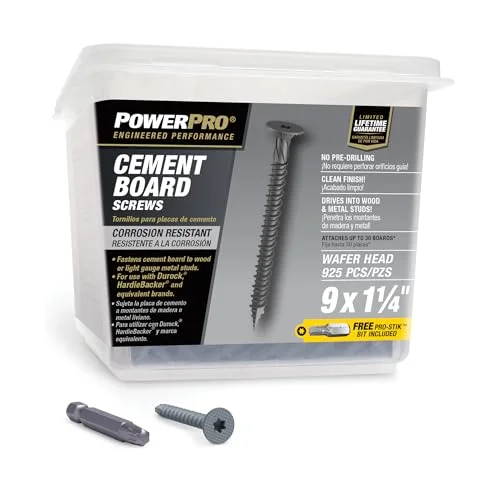 |
Power Pro Cement Board Screws (925-Pack) – $36.98 Cement backer board (sold at any home center) needs its own wafer-head screws – regular drywall screws will strip out and let the board shift.
|
Plywood is a common choice for flooring. It provides a sturdy base for tiles. Tiling over plywood has both benefits and drawbacks.
Pros:
- Quick installation process saves time.
- Lightweight material is easier to handle.
- Plywood can absorb some moisture.
Cons:
- Wood can expand and contract with temperature changes.
- Inadequate support may lead to tile cracking.
- Moisture can weaken the bond over time.
Tile adhesion on plywood depends on the quality of the plywood. Use exterior-grade plywood for better results. Ensure the surface is clean and dry before tiling.
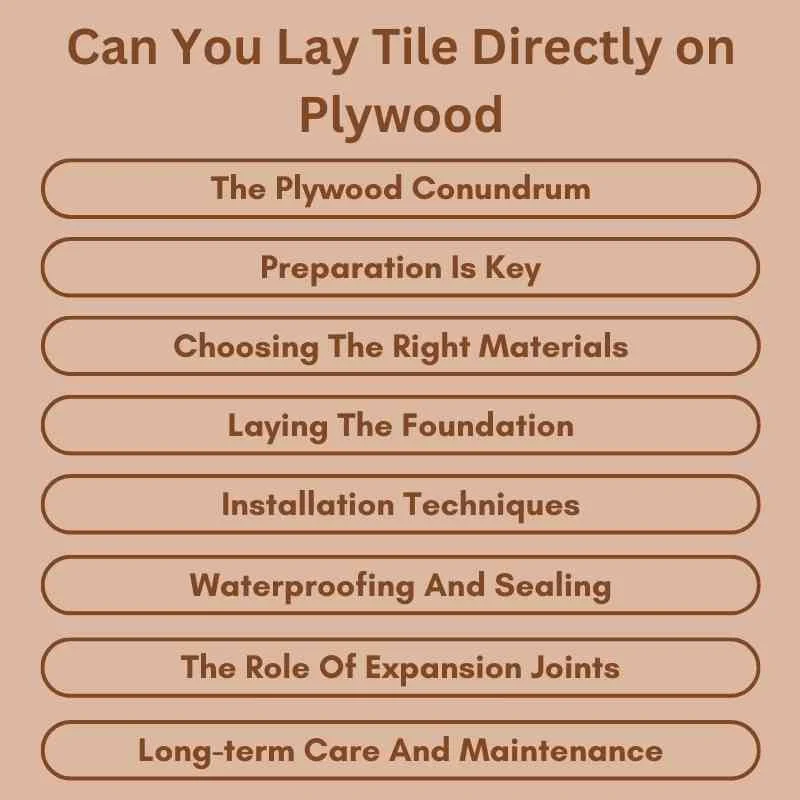
Preparation Is Key
Check the plywood condition before laying tile. Look for cracks or warping. If the plywood is damaged, repairs are needed. Ensure the surface is clean and dry.
Surface treatments are important. Use a primer to prepare the plywood. This helps the tile adhere better. For best results, consider using a backer board. It provides extra support and moisture resistance.
Choosing The Right Materials
Choosing the right materials is important for a successful tile installation. Tiles made from ceramic, porcelain, or vinyl work well on plywood. They offer durability and a good appearance.
For best results, select tiles that are lightweight. Heavy tiles can crack or damage the plywood beneath. Look for tiles with a smooth surface for easier cleaning.
Using the right adhesives is crucial for plywood surfaces. Thin-set mortar is a common choice for tile installation. It provides strong bonding and flexibility.
Modified thin-set can also be used for added strength. Mastic is another option but works best for dry areas. Always check the product label for compatibility with plywood.
Laying The Foundation
Choosing the right plywood thickness is key for tile stability. A minimum of 1/2 inch thick plywood is recommended. This thickness helps prevent cracking and movement.
Using an underlayment can further improve durability. Options include cement backer board and membrane systems. Each option provides a strong base for tiles. Underlayment helps manage moisture and reduces cracks.
| Underlayment Option | Benefits |
|---|---|
| Cement Backer Board | Water-resistant and strong |
| Membrane Systems | Flexible and moisture barrier |
Installation Techniques
Once cement backer board (or an approved membrane underlayment) is screwed down over the plywood, the actual tile-setting process is the same as tiling any subfloor: clean and dry the backer board surface, check it’s level, and dry-lay a few tiles first to plan your layout.
Apply thin-set mortar to the backer board (not the bare plywood) with a notched trowel, spread it evenly, and press tiles firmly into the mortar with small spacers between them for grout lines.
Let the mortar cure – typically 24 hours – before grouting. Fill the joints with grout, then clean the excess off the tile surface before it hazes over.
The most common failure mode isn’t skipping backer board by accident – it’s skipping it deliberately to save a step. That single shortcut is responsible for most of the cracked-tile complaints associated with plywood subfloors.
Waterproofing And Sealing
Waterproofing and sealing are crucial for tile installation on plywood. Moisture barriers protect the wood from water damage. Without these barriers, plywood can warp or rot over time.
Using a moisture barrier is essential. It keeps water from seeping through the tile and damaging the floor. Several sealing solutions exist for plywood floors.
| Sealing Solution | Description |
|---|---|
| Sheet Membrane | A thick layer that prevents moisture from reaching the plywood. |
| Liquid Membrane | Easy to apply and forms a protective coat over the surface. |
| Sealant | Painted on to create a waterproof layer. |
Selecting the right sealing solution ensures a long-lasting tile installation. Proper application of these solutions will help maintain the integrity of the plywood.
The Role Of Expansion Joints
Expansion joints are important for tile installation on plywood. They help manage expansion and contraction caused by temperature changes. Without them, tiles may crack or buckle.
To manage plywood expansion, place joints every 8 to 12 feet. Use flexible materials for these joints. This allows the plywood to move without harming the tiles.
Placement strategies for expansion joints include:
- Near walls and fixed objects
- In large areas, divide the space
- In high-moisture areas, like bathrooms
Following these strategies ensures a durable and long-lasting tile installation.
Long-term Care And Maintenance
Routine upkeep for tiled plywood surfaces is essential for longevity. Regularly sweep and mop to keep tiles clean. Use a gentle cleaner to avoid damaging the surface. Inspect grout lines for cracks or stains. Reapply grout sealant every 6 to 12 months to protect against moisture.
For repair tips on plywood-based tile floors, check for loose tiles. Remove the tile and inspect the plywood underneath. If the plywood is damaged, replace it. Apply thin-set mortar before reattaching the tile. Ensure tiles are level to avoid future issues.
Expert Insights
Tile installation over plywood can be tricky. Proper preparation is essential for lasting results. Experts recommend using thick plywood for better support. Thin plywood may lead to cracks and shifts in tiles.
Some professionals suggest adding a cement backer board. This adds stability and moisture resistance. It can help prevent tile damage over time.
Outcomes vary widely based on prep work alone, not luck or tile brand. The pattern is consistent: installations with thick plywood plus proper backer board hold up for years, while skipping backer board is the single most common cause of cracked tile reported by flooring contractors.
| Outcome | Details |
|---|---|
| Success | Using thick plywood and cement board |
| Failure | Thin plywood without proper prep |
Frequently Asked Questions
Can You Install Tile On Plywood?
No, installing tile directly on plywood is not recommended. Plywood lacks the necessary stability and moisture resistance for tile. Using a cement backer board or an appropriate underlayment is crucial for a successful tile installation. This helps prevent cracking and ensures a longer-lasting finish.
What Is The Best Underlayment For Tile?
The best underlayment for tile is cement backer board. It provides a solid, moisture-resistant surface that enhances adhesion. Additionally, it helps absorb movement, reducing the risk of tile cracking. Ensure the underlayment is properly installed for optimal results.
How Thick Should Underlayment Be For Tile?
Underlayment for tile should typically be 1/4 to 1/2 inch thick. This thickness allows for proper support and stability. It also ensures that the tile adheres well and minimizes the risk of damage. Always follow manufacturer guidelines for the best outcomes.
Can I Tile Over Existing Tile?
Yes, you can tile over existing tile if the surface is stable. Ensure the old tile is clean and free of debris. Additionally, check for any loose tiles that need repair. Proper preparation will lead to a successful new tile installation.
Conclusion
Laying tile directly on plywood can lead to issues like cracking and uneven surfaces. It’s essential to prepare the subfloor properly. Using a cement backer board or an appropriate underlayment will ensure a stable foundation. This investment will enhance the durability and appearance of your tiled surface for years to come.
Sponsored / affiliate links. As an Amazon Associate I earn from qualifying purchases. I may earn additional commission from eligible campaigns.