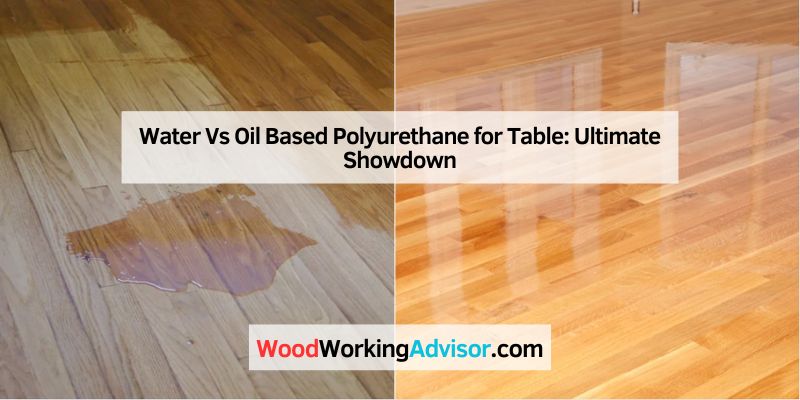
Water Vs Oil Based Polyurethane for Table: Ultimate Showdown
Choosing the right finish for your table can be confusing. Both water-based and oil-based polyurethane have their merits.
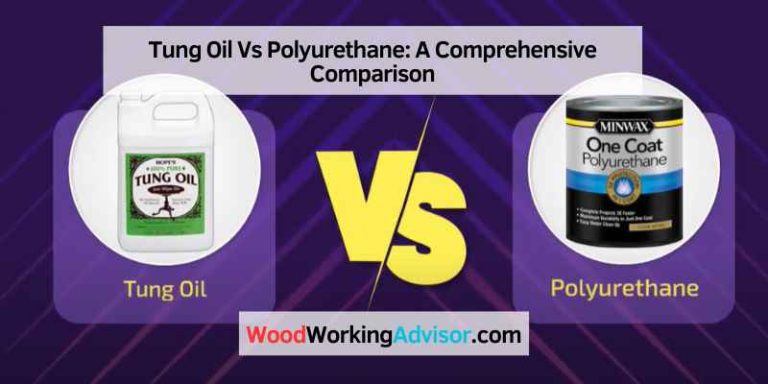
Comparing water-based and oil-based polyurethane helps you make an informed choice. Each type has distinct characteristics that affect the look, durability, and maintenance of your table. Water-based polyurethane is known for its quick drying time and clear finish, making it a popular choice for those who want to preserve the natural color of the wood.
On the other hand, oil-based polyurethane offers a richer, warmer tone and is often favored for its long-lasting protection. Understanding the differences will guide you in selecting the best option for your table, ensuring it not only looks great but also stands up to daily use.
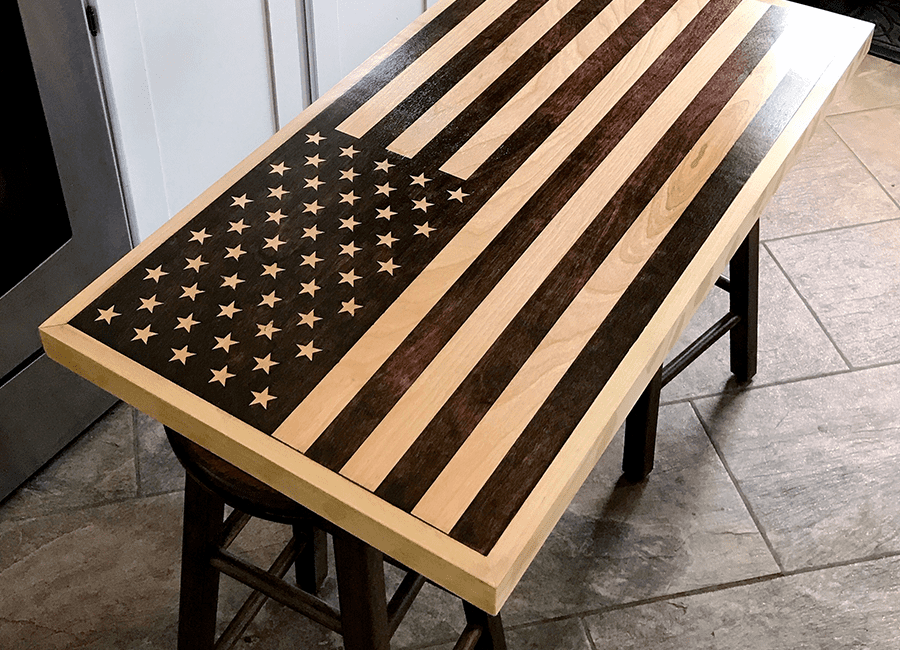
Credit: www.targetcoatings.com
Introduction To Polyurethane Finishes
Polyurethane finishes for tables come in two types: water-based and oil-based. Water-based finishes dry quickly and have low odor. Oil-based finishes provide a richer color and are more durable.
Brief History
Polyurethane started being used in the 1950s. Before that, people used shellac and varnish. These old finishes needed more work. They also didn’t last as long. Polyurethane changed that. It made wood finishes stronger and easier to apply. Both water and oil-based types have their own history. Oil-based was popular first. Water-based came later but is now common too.
Importance In Table Finishing
Polyurethane is important for table finishing. It protects the table from scratches and spills. It also makes the wood look nice. Oil-based polyurethane gives a warm, rich color. Water-based polyurethane dries faster and has low odor. Both types make the table last longer. Choosing the right one depends on your needs.
What Is Water-based Polyurethane?
Water-based polyurethane is made with water as the main solvent. It contains fewer chemicals compared to oil-based polyurethane. This means it has lower VOCs (Volatile Organic Compounds). It’s safer for both the user and the environment. The finish is clear and non-yellowing.
- Quick drying time
- Low odor
- Easy cleanup with soap and water
- Non-yellowing finish
- Less durable than oil-based
What Is Oil-based Polyurethane?
Oil-based polyurethane is made from oil and resins. It has a thicker consistency. This type of polyurethane gives a warm, amber finish to wood. It dries slowly, allowing more time for a smooth application. It contains strong solvents. These solvents produce a strong odor.
- Durable and long-lasting
- Provides a rich, amber color
- Resistant to wear and tear
- Requires fewer coats for the same protection
- More time to apply due to slow drying
Application Process
Before applying polyurethane, clean the table surface. Remove dust and dirt. Sand the table lightly. Use fine-grit sandpaper. Wipe the table clean after sanding. Ensure the table is dry. Choose a well-ventilated area.
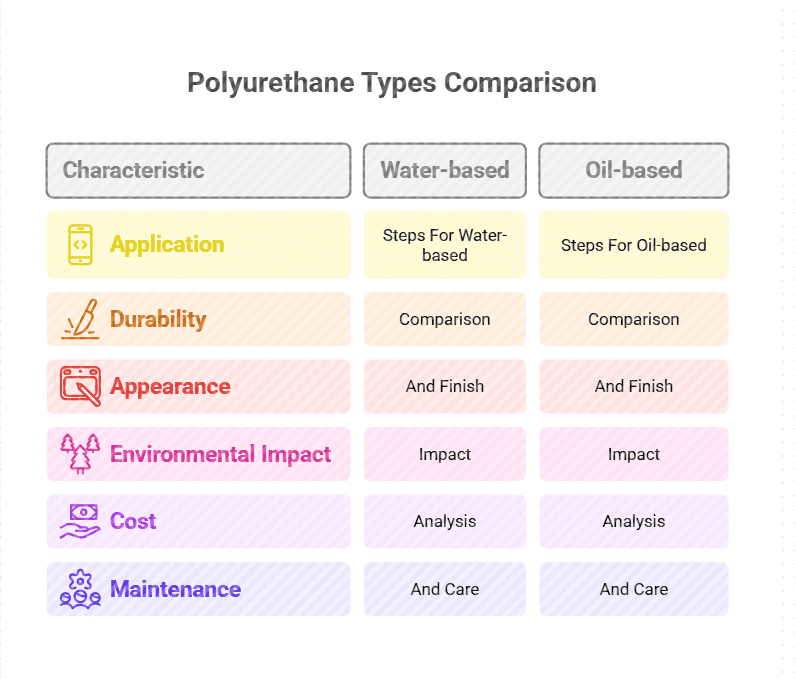
Steps For Water-based
Stir the water-based polyurethane. Do not shake it. Apply a thin coat using a synthetic brush. Let it dry for two hours. Lightly sand between coats. Apply at least three coats. Allow each coat to dry. Use fine sandpaper for sanding. Clean the surface before each new coat.
Steps For Oil-based
Stir the oil-based polyurethane. Use a natural bristle brush. Apply a thin coat. Let it dry for 24 hours. Sand lightly between coats. Use fine-grit sandpaper. Apply at least two coats. Ensure good ventilation. Clean the surface before each coat. Allow each coat to dry completely.
Durability Comparison
Water-based polyurethane is known to dry fast. It offers a clear finish. This type of finish resists yellowing over time. It is easier to clean. You can use soap and water. Water-based polyurethane is more flexible. This means it is less likely to crack over time.
Oil-based polyurethane provides a tough finish. It lasts longer than water-based. This type of finish deepens the wood color. It can take longer to dry. Oil-based polyurethane is more resistant to heat. This makes it ideal for tabletops. It requires mineral spirits for cleanup.
Appearance And Finish
Water-based polyurethane offers a clear finish. It keeps the wood’s natural color. It does not yellow over time. This makes it great for light woods. The finish is smooth and even. It also dries fast. This is good for quick projects.
Oil-based polyurethane gives a rich, amber tone. It enhances the grain of the wood. It adds warmth to darker woods. The finish is durable and long-lasting. It may yellow over time. This gives an antique look. The drying time is longer. This means more time for work.
Environmental Impact
Water-based polyurethane is more eco-friendly. It has fewer harmful chemicals. This makes it safer for the environment. Many people prefer it for this reason. It is also safer for indoor air quality. This helps to keep your home healthier.
Oil-based polyurethane releases more VOCs. VOCs are volatile organic compounds. They are bad for the air. They can cause health problems. Water-based polyurethane has lower VOCs. It is a better choice for those who care about the environment. And for those who care about their health.
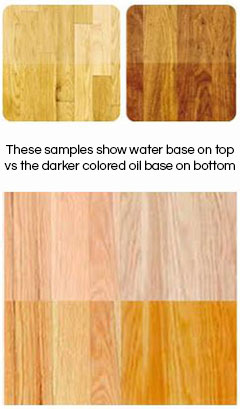
Credit: geminifloors.com
Cost Analysis
Water-based polyurethane is often more expensive than oil-based. The price per gallon is higher. Yet, it dries faster. This saves time during application. Some people prefer the ease of use. Oil-based polyurethane is cheaper at first. But, it may need more coats. This adds to the cost over time.
Oil-based finishes are more durable. They last longer. This means less frequent reapplication. Water-based finishes may need redoing sooner. They are less resistant to wear. This could mean higher costs over many years. Think about how much use your table will get. Choose the one that fits your needs best.
Maintenance And Care
Water-based polyurethane is easier to clean. Use a damp cloth for everyday cleaning. Avoid harsh chemicals. Oil-based polyurethane needs special cleaners. Use mild soap and water. Dry immediately.
Small scratches are easy to fix. For water-based, use a touch-up pen. For oil-based, use a matching stain. Larger damages may need sanding. Apply a new coat of polyurethane. Always follow product instructions.

Credit: www.reddit.com
Frequently Asked Questions
Is Water Based Or Oil-based Polyurethane Better For Furniture?
Water-based polyurethane dries faster and is less toxic. Oil-based polyurethane provides a richer finish and greater durability. Choose based on preferences.
What Is The Downside Of Water-based Polyurethane?
Water-based polyurethane can be less durable, requiring more frequent reapplication. It may also not enhance wood grain as much.
Should I Use Oil Or Water Based Stains For A Dining Table?
Use oil-based stains for durability and rich color on a dining table. Water-based stains dry quickly and are eco-friendly. Choose based on your priority: longevity or quick drying.
Is Oil Or Water Based Polyurethane Better For Bar Top?
Oil-based polyurethane is better for bar tops. It provides a durable, glossy finish and enhances wood grain.
Conclusion
Choosing between water and oil based polyurethane depends on your needs. Water-based options dry quickly and are easy to clean. Oil-based finishes offer durability and a rich look. Consider your table’s use and desired appearance. Both types have unique benefits.
Think about drying time, ease of application, and the final finish. Make the choice that fits best with your project. Your table will benefit from the protection and beauty of either option.