Oil-Based Stain vs Water-Based Stain: Dry Times & VOC Compared
Oil-based and water-based stain no longer split on drying speed: Varathane’s fast-dry oil stain recoats in 1 hour, its water-based stain in 2. What still separates them is VOC (500 to 550 vs under 250 g/L on the data sheets), coverage per quart, grain raise and topcoat rules. This guide compares both using Minwax and Varathane data sheets, then shows which to use.
Composition And Ingredients
Best Oil-Based Interior Stain Pick
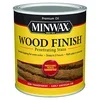 |
Minwax Wood Finish Oil-Based Stain, Early American, 1 Quart ($13.88) The oil-based benchmark in the data tables below: Minwax lists 2 to 3 hours to dry and mineral spirits cleanup, and the label carries the rag-disposal warning covered in this guide.
|
As an Amazon Associate we earn from qualifying purchases.
Oil-based stain carries its pigment in a resin dissolved in solvent. Varathane Premium Fast Dry lists a urethane-modified alkyd resin with mineral spirits as the solvent. Water-based stain carries pigment in water, but “water-based” does not mean “oil-free”: the Varathane Classic Water Based sheet lists its resin as a linseed oil emulsion in water, while Varathane’s exterior Water-Based Stain + Spar Urethane uses a water-based acrylic-modified urethane with glycol ethers and water.
So the real difference is the carrier and what it means in the shop: mineral spirits cleanup and a higher VOC figure on one side, soap-and-water cleanup and a lower VOC figure on the other. A third type, gel stain, behaves differently again; our gel stain vs oil stain comparison covers it.
Oil-Based vs Water-Based Stain: Side-by-Side Comparison
Same maker, interior stains side by side. Every value below is copied from the Varathane technical data sheets (VAR-09 oil-based and VAR-89 water-based), not from a general rule of thumb.
| Spec | Oil-based: Varathane Premium Fast Dry | Water-based: Varathane Classic Water Based |
|---|---|---|
| Resin | Urethane-modified alkyd | Linseed oil emulsion |
| Carrier | Mineral spirits | Water |
| VOC | 500-550 g/L | Under 250 g/L |
| Touch dry | 1 hour | 90 minutes |
| Recoat | 1 hour | 2 hours |
| Full cure | 24 hours | 48 hours |
| Coverage per quart | 225-275 sq ft | Up to 100 sq ft |
| Cleanup | Mineral spirits | Soap and water |
| Floors | Listed as a use | Not recommended for floors |
| Applicator | Brush or lint-free rag | Lint-free cloth (no bristle or foam brush) |
| Grain raise | Not addressed on the sheet | Pre-treat with water-based conditioner; sand raised grain with 220 grit |
| Wait before polyurethane | Within 1 hour | 3 hours (oil-based or water-based poly) |
| Flash point (liquid) | Above 100 F (38 C) | Above 200 F |
Minwax publishes fewer numbers per page, but the ones it does give tell the same story: the product matters more than the base.
| Minwax product | Dry | Recoat | Coverage | Cleanup | Use |
|---|---|---|---|---|---|
| Wood Finish (oil-based) | 2-3 hours | 2-3 hours | 500-600 sq ft/gal (about 125-150 per quart) | Mineral spirits | Interior |
| Wood Finish 250 VOC Compliant (oil-based) | 2 hours | 1 hour | 200 sq ft/gal | Mineral spirits | Interior |
| Wood Finish Water-Based Semi-Transparent | 2-3 hours | 1 hour | 100 sq ft/quart | Water | Interior only, not for floors |
Source for the Minwax rows: the Minwax Wood Finish page and the Minwax product pages for the 250 VOC and water-based versions.
Application Process
Apply oil-based and water-based stain in the temperature range on the can. Varathane Premium Fast Dry specifies 60 to 90 F with relative humidity under 85 percent; the Classic Water Based sheet says not to apply below 55 F. Both sheets use the same rhythm: apply liberally, wait 2 to 3 minutes, then wipe the excess off with the grain. Varathane says removing all excess from the oil stain is essential for proper dry time and topcoat adhesion.
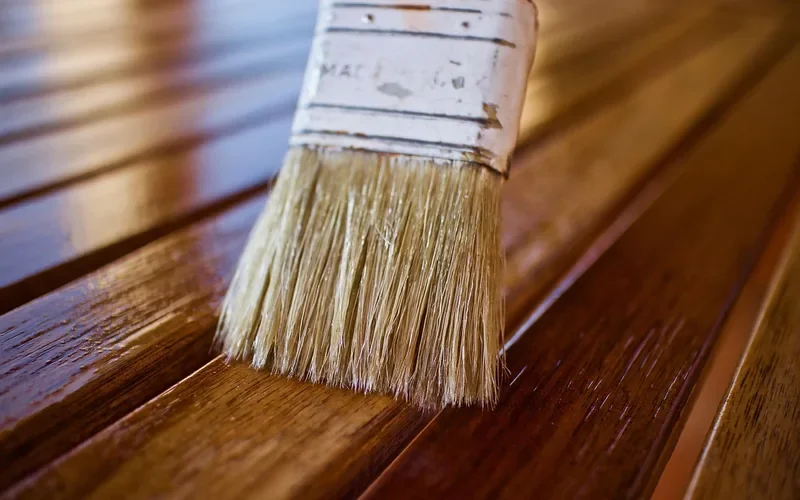
Water-based stain needs a few extra rules. Varathane Classic Water Based says to use a lint-free cloth, not a bristle or foam brush, and not to sand between stain coats. Minwax calls for a synthetic brush on its water-based stain and says to wipe away the excess within 2 minutes.
The grain-raise problem is specific to water. Varathane tells you to pre-treat with its water-based pre-stain wood conditioner for uniform color and grain-raise control, then lightly sand any raised grain with 220 grit. Its exterior water-based sheet gives the same instruction: if grain raise occurs, sand smooth before the final coat. The oil sheet does not mention grain raise at all.
Drying Time
Fast-dry oil recoats in 1 hour; the water-based stain recoats in 2. Varathane lists touch-dry and recoat times of 1 hour for Premium Fast Dry oil, and 90 minutes and 2 hours for Classic Water Based. Source: Varathane VAR-09 and VAR-89 technical data sheets.
The old rule that water dries in 1 to 2 hours while oil takes 6 to 24 is out of date for interior wipe-on stains. Minwax Wood Finish lists 2 to 3 hours to dry and recoat. Slower figures do exist: Ready Seal, which sells oil-based exterior stain, puts oil-based drying at 24 to 48 hours against 1 to 6 hours for water-based. Check the product, not the category.
Dry is not cured. Varathane lists 24 hours to full cure for the oil stain and 48 hours for the water-based one, and its exterior water-based Stain + Spar needs 3 days before normal use. The sheets quote their times at about 70 F and 50 percent humidity; cooler or damper conditions slow them.
Durability And Longevity
Here the data sheets say less than most articles do. None of the Minwax or Varathane sheets we read gives a lifespan in years. What they do give is an interior or exterior rating, and that rating matters more than the base. Varathane Premium Fast Dry is not recommended for exterior wood such as floors, decks or siding. Varathane Classic Water Based and the Minwax water-based and 250 VOC pages are interior only. Varathane’s exterior water-based Stain + Spar is for railings, furniture, trim and boats above the waterline, and it is not recommended for decks, high-traffic areas, siding or rough-sawn wood.
Ready Seal says oil-based stain resists cracking, peeling and UV damage and that water-based stain is prone to peeling outdoors. Treat that as a vendor claim from a company that sells oil-based exterior stain, not a lab number. Indoors, the clear topcoat takes the wear, so the stain base barely changes how long the finish lasts.
Environmental Impact
VOC is where the data sheets show a clear gap. Varathane Premium Fast Dry oil stain lists 500 to 550 g/L. Varathane Classic Water Based lists under 250 g/L, and the exterior Stain + Spar lists under 275 g/L. Water-based also cleans up with soap and water instead of mineral spirits, and the Varathane water-based sheets describe both stains as low odor.
The gap is not absolute. Minwax sells an oil-based Wood Finish 250 VOC Compliant, formulated to meet regulations that limit VOC content to 250 g/L, so an oil-based stain that meets that limit exists, and you still clean up with mineral spirits. Some deck stains changed their base to meet the same limit; see is Olympic Maximum oil-based or water-based for one example.
Maintenance And Care
Switching bases means starting over. The Varathane sheets for both the oil stain and the water-based interior stain say to remove any existing finish with sandpaper or stripper before staining, and the exterior water-based sheet requires a surface free of wax, grease, oil, mildew and old finish. If you are changing stain type, take the wood back to bare, sanded wood. Restaining wood walks through that prep.
For coats of the same product, Varathane Classic Water Based allows a second stain coat after 2 hours with no sanding between coats, and its exterior Stain + Spar says to lightly sand before recoating if a coat has dried more than 24 hours.
Cost Comparison
Price per can misleads because coverage differs. Minwax Wood Finish oil-based stain, quart, Early American, is $13.88 on Amazon as of 2026-10-05 (read from the Amazon Creators API in-stock buy-box). At Minwax’s 500 to 600 sq ft per gallon, that works out to about $0.09 to $0.11 per square foot per coat.
Coverage does not follow the base. In the Varathane pair, the oil stain covers 225 to 275 sq ft per quart and the water-based stain up to 100, so for the same area you buy about 2.25 to 2.75 times as many quarts of the water-based product per coat. In the Minwax lineup, Wood Finish covers about 125 to 150 sq ft per quart and the water-based semi-transparent covers 100, but the 250 VOC oil formula lists only 200 sq ft per gallon, which is less than the water-based stain. Compare the coverage line on the can, then use how much a quart of wood stain covers to size your order.
Topcoat Compatibility And Wait Times
The stain is only half of the finish; the clear coat on top decides how it wears. The makers give different waits. Varathane Premium Fast Dry says polyurethane can go on within 1 hour of staining, with darker colors needing a little longer. Varathane Classic Water Based says to let it dry 3 hours before an oil-based or water-based polyurethane. Minwax says to let Wood Finish dry completely, then topcoat with Minwax Fast-Dry Polyurethane or Polycrylic Protective Finish, and to dry its water-based stain completely before topcoating.
Because both Varathane sheets allow either type of polyurethane over their stain, the stain base does not lock you into one topcoat. Our guides to sealing wood after staining and water vs oil-based polyurethane cover the topcoat choice.
Oily Rag Fire Hazard
This is the safety point most oil-vs-water comparisons skip. The Minwax Wood Finish label says rags, steel wool and other waste soaked with the product, and sanding residue, may spontaneously catch fire if improperly discarded, and to place them immediately in a sealed, water-filled metal container. The Varathane Premium Fast Dry sheet carries the same warning for rags, brushes and other soaked waste.
- Never leave stain-soaked rags balled up, in a trash can, or in a pile on the floor.
- Put them straight into a metal container filled with water and seal it, as both labels instruct.
- Dispose of the container and contents under your local rules, as the Varathane sheet says.
We did not find that warning on the water-based Varathane sheets we read. Since the Classic Water Based resin is a linseed oil emulsion, do not assume rags are harmless: follow the disposal text printed on your own can.
Ideal Use Cases
Water-based stain fits: interior furniture, cabinets, doors, trim and paneling, where soap-and-water cleanup and lower VOC matter. Those are the uses Varathane Classic Water Based lists. Skip it for floors and large single surfaces, which both makers steer away from.
Oil-based stain fits: floors and large interior surfaces where a longer working window beats fast drying, and projects where you accept mineral spirits cleanup. Varathane Premium Fast Dry lists furniture, cabinets, doors and trim, floors and paneling, all interior.
Exterior projects: choose by the exterior rating and exclusions on the label. Neither Minwax nor Varathane interior stain belongs on a deck. Once you have the base picked, match the color with the Minwax stain color chart or the Sherwin-Williams wood stain chart.
Frequently Asked Questions
Which Is Better, Oil-Based Stain Or Water-Based Stain?
Neither wins on every job. Water-based stain cleans up with soap and water and has the lower VOC figure on the data sheets (under 250 g/L for Varathane Classic Water Based versus 500 to 550 g/L for Varathane Premium Fast Dry oil). Oil-based stain is the one both makers allow on floors, and it avoids the fast-dry lap marks Minwax warns about on large water-based jobs. For interior furniture, cabinets and trim, water-based is usually the easier choice. For exterior wood, the deciding factor is whether the label says exterior, not the base.
What Is The Disadvantage Of Oil-Based Stains?
The main drawbacks are VOC content (500 to 550 g/L on the Varathane fast-dry oil sheet), mineral spirits for cleanup, and the fire hazard of soaked rags, which the Minwax and Varathane labels warn can spontaneously catch fire if not discarded in a sealed, water-filled metal container. The popular interior oil stains are also interior-only: the Varathane Premium Fast Dry sheet says it is not recommended for exterior wood.
What Are The Disadvantages Of Water-Based Stain?
Water-based stains can raise the grain, so Varathane tells you to pre-treat with a water-based conditioner and sand off any raised grain with 220 grit. They dry quickly enough that Minwax does not recommend its water-based stain for large surfaces like floors, and both interior water-based sheets we read exclude floors. Varathane Classic Water Based also bans bristle and foam brushes and calls for a lint-free cloth, and it covers up to 100 sq ft per quart versus 225 to 275 for the Varathane oil stain.
Should I Use Oil Or Water Stains?
Use water-based stain for interior furniture, cabinets, doors and trim when you want soap-and-water cleanup and lower VOC. Use an oil-based stain when the job is a floor or a large surface where fast drying causes lap marks. Outdoors, pick any stain, oil or water, whose label says exterior, and follow its exclusions: Varathane’s water-based exterior Stain + Spar is not recommended for decks, high-traffic areas or siding.
Does Oil-Based Stain Last Longer Than Water-Based Stain?
No data sheet we read gives a lifespan in years, so any exact figure is a guess. Ready Seal, a maker of oil-based exterior stain, says oil-based stain resists cracking, peeling and UV damage while water-based is prone to peeling outdoors, but that is a vendor claim, not test data. Indoors, both types are protected by the clear topcoat, so the topcoat usually decides how long the finish lasts.
Can You Apply Water-Based Stain Over Oil-Based Stain?
Not as a recoat. The Varathane oil and water-based stain sheets both say to remove existing finishes with sandpaper or stripper before staining, and the exterior sheet requires a surface free of wax, grease, oil and old finish. To switch from an oil-based stain to a water-based one, take the wood back to bare, sanded wood, then test a hidden spot before committing.
Can You Use Water-Based Stain On Hardwood Floors?
Check the can first. Minwax says its water-based semi-transparent stain is not for floors because of its fast dry time, and Varathane Classic Water Based says it is not recommended for floors. The Varathane Premium Fast Dry oil sheet, by contrast, lists floors among its uses. A water-based polyurethane topcoat on a floor is a separate product and a separate decision.
Conclusion
Oil-based and water-based stain differ less on drying time than the old rules say and more on VOC, coverage, grain raise, floor suitability and rag safety. Pick the specific product by its data sheet, check the interior or exterior rating, and handle oily rags exactly as the label says.
Sponsored / affiliate links. As an Amazon Associate I earn from qualifying purchases. I may earn additional commission from eligible campaigns.