What Cedar Wood Is Used For: Genius Uses
Cedar wood excels in numerous applications due to its natural durability, pest resistance, and pleasant aroma. Its versatility makes it a top choice for outdoor furniture, decks, fences, and even indoor projects like closet linings and chests. Discover the genius ways this beautiful wood can enhance your home and garden.
Hello there! Are you looking to build something special, maybe a new outdoor bench or a sturdy fence? Or perhaps you’re curious about that wonderful scent in a cedar chest? You’ve come to the right place!
Cedar wood is a real gem in the woodworking world. It’s known for being tough, smelling great, and keeping bugs away. Sounds good, right? But sometimes, figuring out which wood is best and what it’s good for can feel a bit confusing. Don’t worry, I’m here to help clear things up!
We’ll explore all the fantastic things you can do with cedar wood, from beautiful outdoor projects to clever indoor uses. We’ll keep it simple, safe, and focused on getting you those rewarding results you’re looking for. Ready to discover the genius of cedar?
Why Cedar Wood is a Woodworker’s Best Friend
Cedar wood isn’t just any lumber; it’s a special kind of wood that nature has given some extra superpowers. Think of it like finding a tool that’s already perfectly suited for a job! This makes it incredibly popular for a wide range of projects, both inside and outside your home.
What makes cedar so special? It all comes down to a few key features:
- Natural Durability: Cedar stands up well to the elements. It doesn’t warp or twist easily, which is great for things that will be outdoors.
- Pest Resistance: Those natural oils in cedar aren’t just for that lovely smell; they also act as a natural deterrent to insects like moths and termites. This means your cedar projects are less likely to be chewed up!
- Rot Resistance: Similar to pest resistance, the oils help cedar resist decay and rot, especially when in contact with the ground.
- Pleasant Aroma: The distinct, fresh scent of cedar is a bonus, especially for indoor applications like closets and chests where it can help naturally freshen the space.
- Lightweight: Compared to many hardwoods, cedar is relatively light, making it easier to handle and move during construction.
- Beautiful Aesthetic: Cedar often has a rich, attractive grain and can range in color from reddish-brown to blonde, adding natural beauty to any project.
These qualities combined make cedar a fantastic choice for beginners and seasoned woodworkers alike. It’s forgiving, performs well, and often doesn’t require the same heavy-duty finishes as other woods.
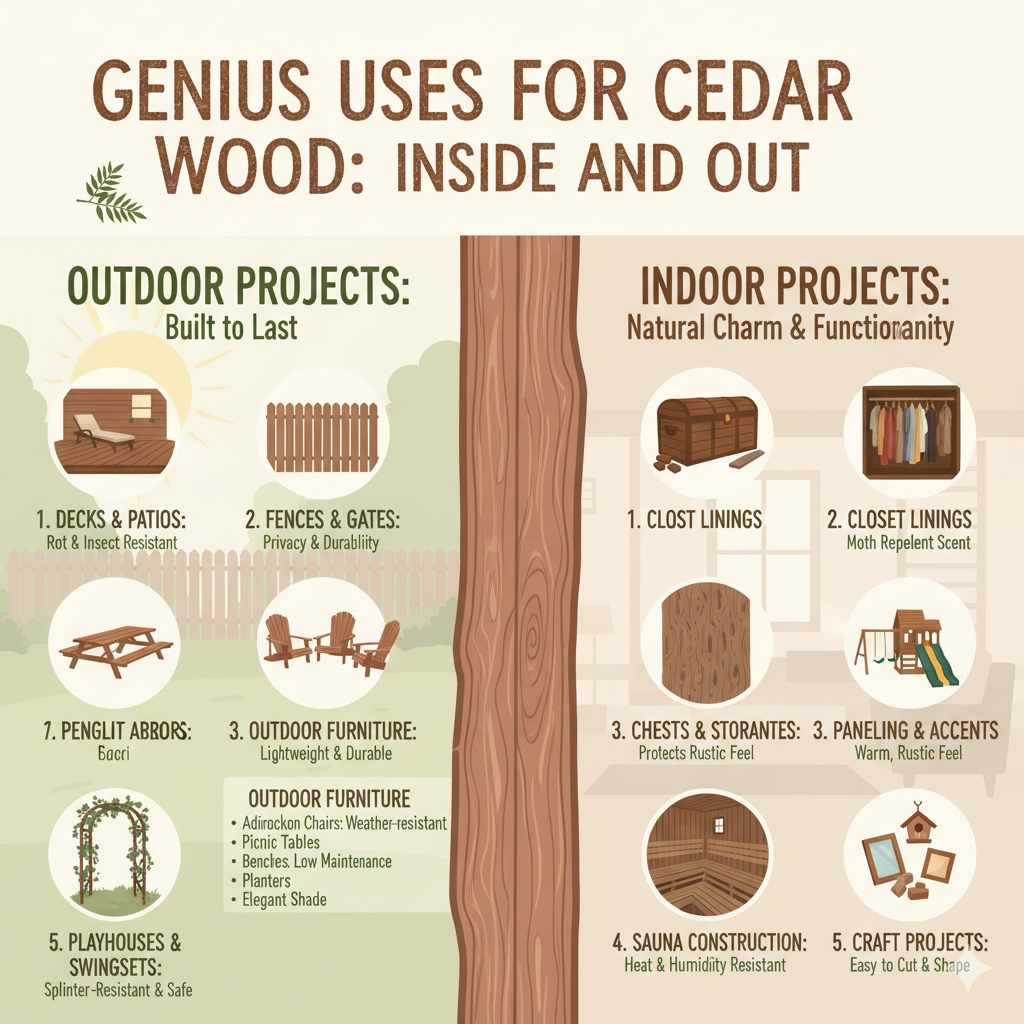
Genius Uses for Cedar Wood: Inside and Out
Now, let’s dive into the fun part: what can you actually do with this wonderful wood? Cedar shines in both outdoor and indoor applications. Let’s break them down.
Outdoor Projects: Built to Last
This is where cedar wood truly shows its strength. Its natural resistance to weather, insects, and rot makes it perfect for anything exposed to the elements. You can build beautiful, long-lasting items that will enhance your outdoor living space.
1. Decks and Patios
Imagine relaxing on a beautiful cedar deck after a long day. Cedar is a popular choice for decking because it’s naturally resistant to decay and insect infestation, meaning fewer worries about structural integrity and more time enjoying your outdoor space. It also has a lovely natural color that ages gracefully.
When building a deck, proper spacing and ventilation are key to maximizing the lifespan of your cedar. For more on deck building basics, resources like the Woodbin Deck Calculator can help plan your material needs.
2. Fences and Gates
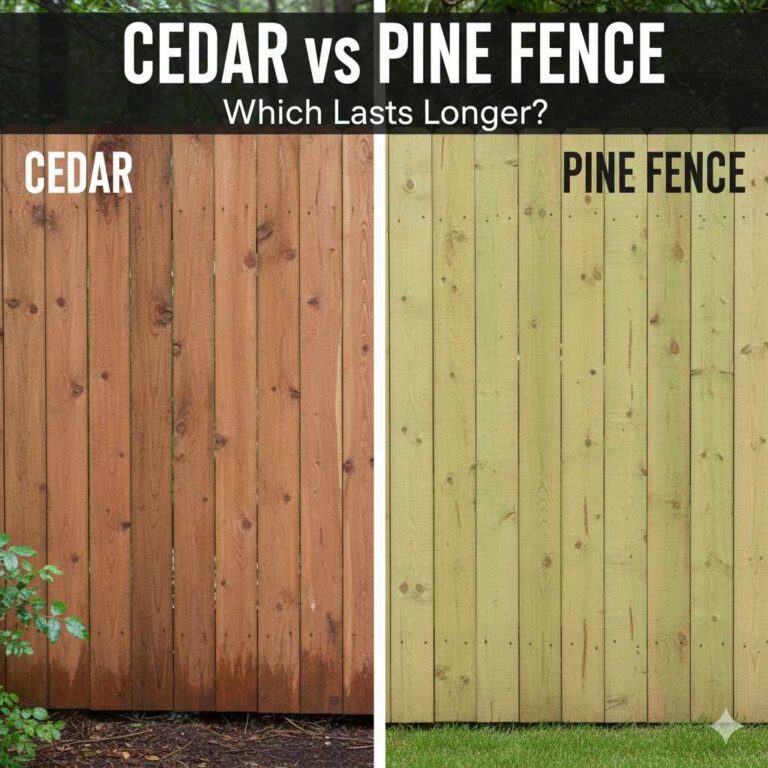
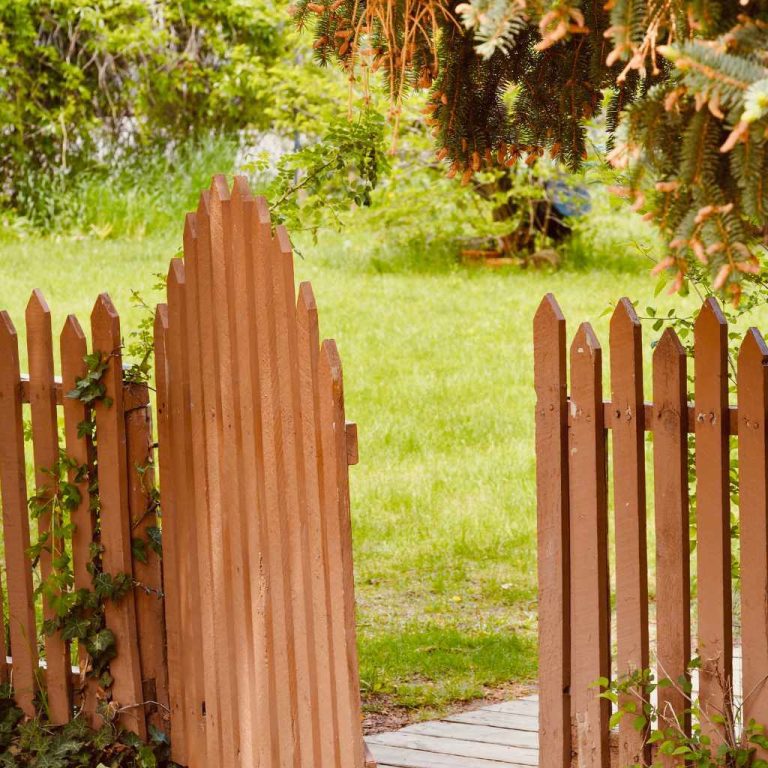
A cedar fence not only looks fantastic but also provides privacy and security for your yard. Cedar’s natural properties mean it can withstand rain, sun, and snow without rotting or needing constant sealing, saving you time and money on maintenance. The aromatic scent can also deter some garden pests!
Cedar fence pickets are readily available and easy to work with. You can create classic picket fences, solid privacy fences, or even decorative garden trellises.
3. Outdoor Furniture
Cedar is a dream for outdoor furniture. Think Adirondack chairs, picnic tables, benches, and garden planters. It’s relatively lightweight, so you can move your furniture if needed, and it holds up incredibly well to sun and rain with minimal care. Plus, that natural cedar scent is quite pleasant to have around.
Here’s a small table of some popular outdoor furniture ideas and why cedar is a great fit:
| Furniture Type | Why Cedar is Ideal |
|---|---|
| Adirondack Chairs | Weather-resistant, comfortable, naturally attractive grain. |
| Picnic Tables | Durable for frequent use, resists rot and insects. |
| Benches | Low maintenance, can be left unfinished or stained. |
| Planters | Resists rot from soil moisture, looks great in the garden. |
4. Pergolas and Arbors
Want to add a touch of elegance and shade to your garden? Cedar is a perfect material for pergolas and arbors. These structures can support climbing plants and create a beautiful focal point. Cedar’s resistance to decay means your overhead structure will stand tall for years.
5. Outdoor Playhouses and Swingsets
For projects involving children, safety and durability are paramount. Cedar is a great choice because it is naturally splinter-resistant compared to some other woods and doesn’t require harsh chemical treatments to protect it from the elements. This makes it a safer and more natural option for outdoor play structures.
Indoor Projects: Natural Charm and Functionality
While cedar is famous for outdoor use, its unique properties also make it a fantastic choice for certain indoor projects. It brings a natural beauty and a delightful aroma that many people love.
1. Closet Linings and Moth Repellents
This is perhaps one of the most traditional and “genius” indoor uses of cedar. Cedarwood’s natural oils release a pleasant scent that moths and other fabric pests dislike, helping to protect your clothes. Lining a closet with cedar panels or using cedar blocks and hangers is a time-tested method for keeping your garments safe and fresh.
You might have seen cedar “shavings” or small blocks sold specifically for this purpose. They’re small but mighty when it comes to pest deterrence!
2. Chests and Storage Boxes
Cedar chests and boxes are a classic! They are perfect for storing blankets, linens, or cherished items. The aromatic oils of cedar not only help protect the contents from pests but also impart that wonderful, fresh scent to whatever you store inside. Over time, the scent may fade, and you can refresh it by lightly sanding the wood.
3. Paneling and Accents
Cedar can add a warm, rustic, or modern touch to interior spaces. Cedar paneling can be used on accent walls to bring a natural element into a room. Its natural beauty and unique grain patterns make for a striking feature. Different types of cedar, like Western Red Cedar, can offer a variety of rich colors and textures.
4. Sauna Construction
The pleasant aroma and stability of cedar make it an ideal wood for building saunas. It can withstand the high heat and humidity well, and the scent enhances the relaxing sauna experience. Its natural moisture resistance is also a big plus in such an environment.
5. Craft Projects and Decorative Items
For smaller DIY projects, cedar is wonderful to work with. Think small decorative boxes, birdhouses, picture frames, or even essential oil storage. Cedar is easy to cut, shape, and finish, making it suitable for many craft endeavors. Its natural beauty means it often needs just a light coat of sealant or can be left unfinished.
Types of Cedar Wood and Their Specific Uses
Did you know there isn’t just one “cedar” wood? Different species of cedar trees offer slightly different characteristics, making some better suited for specific tasks. While any cedar is generally good, understanding the types can help you choose the best fit for your project.
Western Red Cedar (Thuja plicata)
This is one of the most popular and widely available cedars. It’s known for its rich color, dimensional stability, and excellent resistance to decay and insects. It’s lightweight and easy to work with.
- Best For: Outdoor siding, decking, fencing, outdoor furniture, shingles, saunas, interior paneling.
- Characteristics: Reddish-brown to darker shades, straight grain, small uniform knots.
Eastern Red Cedar (Juniperus virginiana)
Often called “red cedar” or “pencil cedar,” this wood is less common than Western Red Cedar for large construction projects but is prized for its aromatic qualities and beautiful reddish-brown heartwood. It’s also very rot-resistant.
- Best For: Closet lining, chests, drawers, decorative accents, craft projects, fence posts (due to rot resistance).
- Characteristics: Distinctive red heartwood, pale sapwood, aromatic, prone to small knots.
Aromatic Eastern Red Cedar (Juniperus virginiana)
This is the type most commonly associated with moth-repellent properties and that classic cedar scent. It’s a type of Eastern Red Cedar focused on its aromatic qualities.
- Best For: Mothproof chests, closet lining, drawer bottoms, small decorative items.
- Characteristics: Strong, pleasing aroma; reddish-brown color; fine texture.
Balsam Cedar (Grand Fir)
While technically a fir, it’s sometimes referred to as cedar due to its scent. It’s not as durable or resistant to rot and insects as true cedars and is often used for less demanding applications.
- Best For: Interior trim, general carpentry, sometimes used for plywood.
- Characteristics: Lighter color, less durable than true cedars.
When picking out cedar, always check the species if possible, especially for outdoor projects where durability against the elements is key. For closet lining or chests, the aromatic varieties are usually preferred.
Cedar Wood vs. Other Woods: A Quick Comparison
It’s helpful to see how cedar stacks up against other common woods. This can help you understand why cedar might be the perfect choice, or when another wood might be more suitable.
Here’s a simple comparison table:
| Wood Type | Pros | Cons | Best For |
|---|---|---|---|
| Cedar | Natural pest/rot resistance, great aroma, lightweight, stable, attractive appearance. | Can be more expensive than pine, softer than hardwoods, knots can be present. | Outdoor furniture, decks, fences, siding, closets, chests. |
| Pine | Affordable, widely available, easy to work with, lightweight. | Prone to rot/insects if not treated/sealed, can dent/scratch easily, can warp. | Interior trim, furniture (indoors), inexpensive DIY projects, framing. |
| Redwood | Excellent rot/insect resistance, beautiful color, stable. | Often more expensive than cedar, can be softer. | Decks, fences, siding, outdoor furniture. |
| Treated Pine | Highly resistant to rot & insects, relatively affordable, durable. | Can contain chemicals (check ratings), appearance not as natural, can warp/twist during drying. | Deck framing, fence posts, outdoor structures. |
| Oak | Very hard, strong, durable, great for furniture and flooring. | Heavy, harder to work with, more expensive, less resistant to rot/insects outdoors without sealing. | Indoor furniture, flooring, cabinetry, trim. |
As you can see, cedar offers a strong balance of durability, natural resistance, and aesthetic appeal, making it a fantastic “all-rounder” for many projects, especially those exposed to the elements or where you want that natural moth-repelling quality.
Tips for Working with Cedar Wood
Working with cedar is generally a pleasure, even for beginners. It cuts and shapes well. However, here are a few tips to make your experience even smoother and ensure you get the best results:
- Plan Your Cuts: Like any wood, figure out your cuts before you start sawing to minimize waste.
- Use Sharp Tools: Cedar is relatively soft, but sharp blades and bits will make cleaner cuts and prevent tear-out.
- Sanding: Cedar sands beautifully. For outdoor projects, you might aim for a smooth finish, while for outdoor furniture, a slightly coarser grit might be fine.
- Fasteners: Use good quality screws and nails. For outdoor applications, opt for galvanized or stainless steel to prevent rust stains, which can mar the beautiful cedar surface.
- Finishing: Cedar can be left unfinished to weather naturally to a silvery gray, which many people like. If you want to preserve its natural color, use a good quality exterior-grade UV-protectant sealant or stain. For indoor items like chests, a light oil finish or varnish can protect the surface and enhance the grain.
- Scent Refreshment: If the scent in a cedar closet or chest fades, a light sanding with fine-grit sandpaper can release fresh aromatic oils.
Safety first! Always wear safety glasses when cutting or sanding, and use hearing protection for louder power tools. Ensure you know how to operate your tools correctly. Resources like the OSHA Wood Products Manufacturing Safety page offer valuable safety guidance.

Frequently Asked Questions About Cedar Wood
Here are some common questions beginners often have about using cedar wood:
Q1: Is cedar wood expensive?
Cedar can be more expensive than common woods like pine, but it’s often comparable to or less expensive than other naturally rot-resistant woods like redwood. Its durability and low maintenance often make it a cost-effective choice in the long run, especially for outdoor projects.
Q2: Do I need to seal cedar wood?
You don’t have to seal cedar, especially for outdoor use where many prefer its natural weathering. However, sealing it with a UV-protectant finish can help maintain its beautiful color for longer and provide an extra layer of protection. For indoor items like chests, a finish protects the wood and enhances its appearance.
Q3: Will cedar wood rot if used for ground contact?
Cedar has excellent rot resistance, but direct, prolonged contact with wet soil will eventually degrade any wood. For projects like fence posts that will be in the ground, it’s still a good choice, but using extra safeguards like gravel at the base or specialized post anchors can extend their life significantly.
Q4: Can I paint or stain cedar wood?
Yes, you can paint or stain cedar. However, many people appreciate cedar’s natural beauty and color and choose to leave it unfinished or use a clear sealant. If you do paint, ensure the wood is clean and dry, and use good quality exterior paint for outdoor projects. Staining can enhance its natural color.
Q5: How long does cedar wood last outdoors?
With proper construction and minimal maintenance, cedar can last 15-20 years or even longer when used for fences, decks, and furniture. Its natural resistance to decay and insects is its biggest asset for outdoor longevity.
Q6: Why does my cedar chest smell less strong now?
The aromatic oils responsible for the cedar scent gradually dissipate over time. You can often revive the scent by lightly sanding the interior surfaces of the chest with fine-grit sandpaper. This exposes fresh wood and releases more of the natural oils.
Conclusion
As you can see, cedar wood is incredibly versatile and offers a wonderful combination of natural beauty, durability, and pest resistance. Whether you’re building a sturdy deck that will last for years, a charming fence, a relaxing piece of outdoor furniture, or lining your closet to keep moths at bay, cedar is a fantastic and often rewarding choice.
Its natural qualities mean less maintenance and more enjoyment for you. From the pleasant aroma that fills your home to the reliable performance it offers outdoors, cedar wood truly lives up to its reputation as a woodworking favorite.