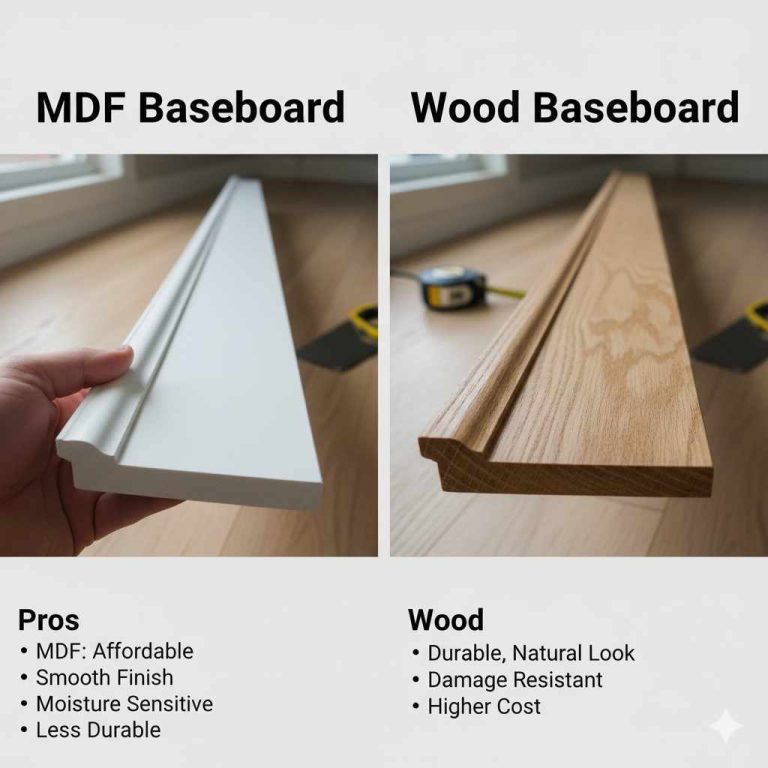
What Happens If MDF Gets Wet: Essential Tips and Solutions
MDF, or Medium-Density Fiberboard, is a popular material in furniture. But what happens if MDF gets wet?
MDF is known for its versatility and affordability. Many people use it in home projects and furniture. But water exposure can be a big problem for MDF. When MDF gets wet, it can swell, warp, and even lose its structural integrity.
This can lead to damage and costly repairs. Understanding how MDF reacts to water can help you take better care of your furniture and projects. In this blog post, we will explore what happens to MDF when it gets wet and how you can prevent and fix any issues. Stay tuned to protect your investments and keep your MDF items in top shape!
Effects Of Water On Mdf
MDF can absorb water like a sponge. Water makes it swell and warp. The board loses its shape. It becomes uneven. This makes MDF weak and unusable. It can no longer hold screws or nails properly. The surface may also bubble or crack.
Mold and mildew love damp places. Wet MDF becomes a perfect home for them. They grow fast in moist conditions. This can cause bad smells and health problems. It is hard to remove mold once it starts. It can also damage the MDF further.
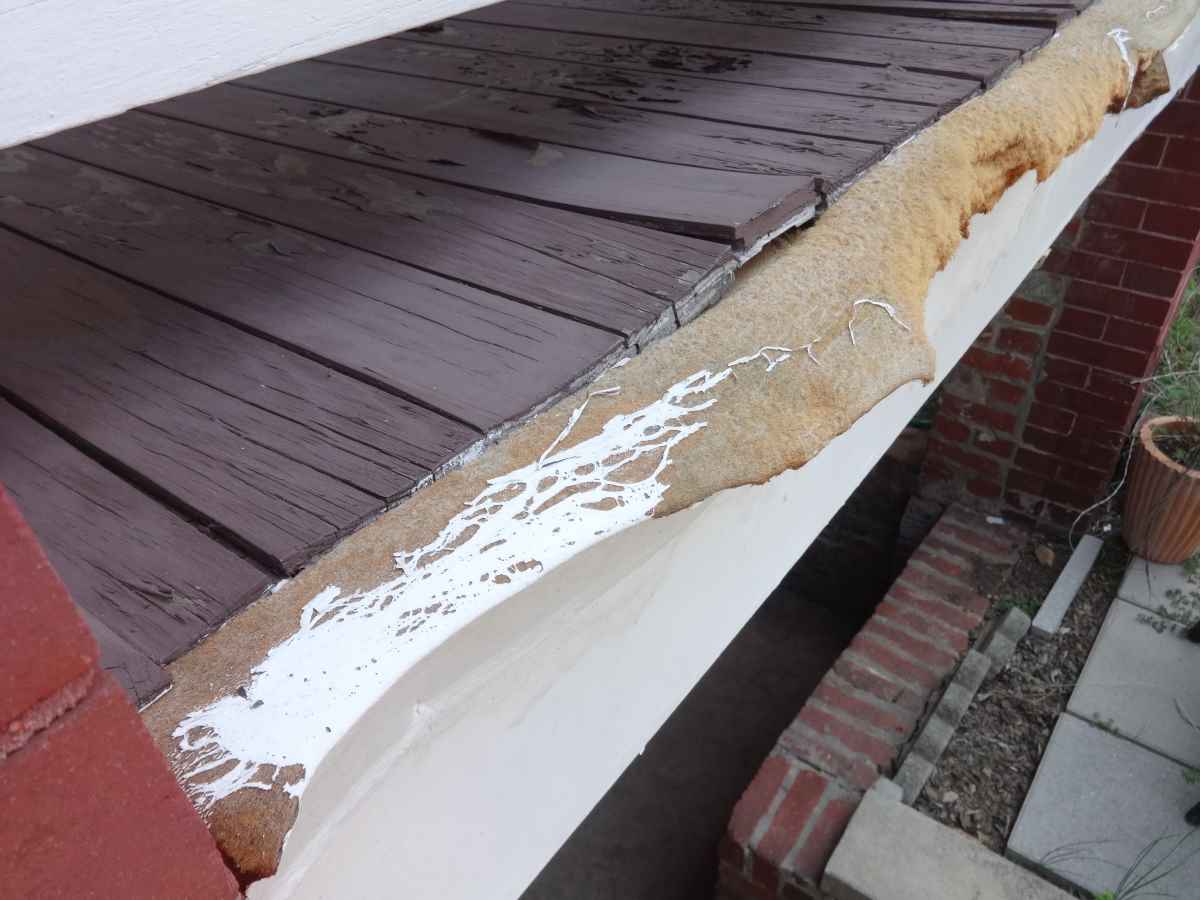
Credit: glbarnhart.wordpress.com
Immediate Actions To Take
First, remove any standing water. Use towels or a wet vacuum. Next, place the MDF in a dry area. Use fans or a dehumidifier to speed up drying. Avoid direct sunlight; it can warp the MDF. Check the moisture content with a meter. Aim for less than 12% moisture. Patience is key.
Seal the MDF edges with primer or sealant. This prevents water absorption. Use waterproof paint for added protection. Store MDF in a dry, cool place. Avoid areas with high humidity. Always handle with care to prevent scratches. Regularly inspect for signs of water damage.
Long-term Solutions
Sealing MDF is a good way to protect it. Use a quality sealant. Apply it on all surfaces. Edges need extra attention. Sealing prevents water from soaking in. This helps to keep MDF strong. Follow the sealant instructions. Repeat if needed.
Water-resistant MDF is a better option. It handles moisture well. This MDF has special resins. These resins keep water out. It is more expensive than regular MDF. But, it lasts longer. Ideal for wet areas. Use it in bathrooms and kitchens.
Preventive Measures
Moisture can cause MDF to swell, warp, or become weak. To avoid damage, keep MDF dry and use sealants. Proper storage and handling are key to maintaining its integrity.
Proper Storage
Keep MDF in a dry place. Store it off the ground. Use pallets or shelves. Cover with plastic sheets. Make sure the area has good air flow. This helps keep moisture away. Avoid damp basements or garages. Inspect stored MDF regularly. Check for signs of dampness. Act quickly if you see any.
Protective Coatings
Apply a sealant to MDF. Use water-resistant paint or varnish. Cover all sides and edges. Let it dry completely. Repeat the process for extra protection. Sealant helps prevent water damage. It’s a simple step. Yet very effective. Choose a high-quality product. Follow the manufacturer’s instructions. This ensures the best results.
Repairing Damaged Mdf
First, dry the wet MDF completely. Use a fan or dehumidifier. Once dry, inspect for swelling or cracks. Use wood filler to fill any gaps or holes. Smooth the surface with a putty knife. Allow the filler to dry. Sand the area with fine-grit sandpaper. Make the surface smooth and even. Wipe away dust with a damp cloth. Now, the MDF is ready for painting or sealing.
Some MDF gets too damaged to repair. In such cases, replace the damaged sections. Cut out the affected area with a saw. Measure and cut a new piece of MDF to fit. Attach the new piece with wood glue and screws. Ensure the new section is secure and level. Sand the edges to blend with the existing MDF. Paint or seal to match the rest of the surface.
Alternative Materials
MDF swells and loses its structural integrity when exposed to moisture. The material becomes soft, leading to warping and potential mold growth. Protecting MDF from water is crucial to maintain its durability.
Plywood
Plywood is a good choice. It is strong and resists water. Many use it in building projects. It lasts long in wet areas. Plywood is made of thin wood layers. These layers are glued together. This gives it strength. It does not swell like MDF when wet. Ideal for kitchens and bathrooms.
Solid Wood
Solid wood is another option. It looks beautiful. Also, it is very strong. Solid wood can handle water better than MDF. But it needs care. It can warp if not treated right. Good for furniture and floors. It adds warmth to any space.
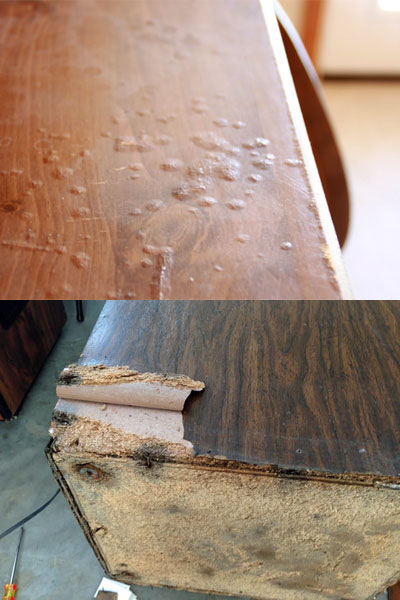
Credit: www.liquorshelves.com
Frequently Asked Questions
What Happens If Mdf Gets Wet?
When MDF gets wet, it swells and loses its structural integrity. The fibers absorb water, causing the board to expand. This can lead to warping and weakening.
Can Wet Mdf Be Repaired?
Repairing wet MDF is challenging. Once it swells, the damage is often irreversible. Drying it out might help, but it usually won’t return to its original state.
How To Prevent Mdf From Getting Wet?
To prevent MDF from getting wet, seal it with waterproof coatings. Use MDF in dry environments. Avoid placing it in areas prone to moisture.
Is Mdf Water-resistant?
MDF is not water-resistant. It absorbs water quickly, leading to swelling and damage. Using waterproof MDF or sealing can help.
Conclusion
MDF can suffer serious damage when wet. Swelling, warping, and mold growth may occur. Protect MDF from moisture to extend its lifespan. Using sealants and proper storage can help. Regular inspection is crucial. If damage happens, act quickly. Replace or repair the affected areas.
Maintaining dry conditions is the best prevention. Remember, MDF performs best in dry environments. Take care of your MDF to ensure durability and longevity.