Redwood Deck Lumber Prices: What To Expect This Year
Redwood deck lumber prices depend on grade, board size, location, and market demand. Expect to pay $4-$7/linear ft for Construction Common grade, $7-$12 for Select/Construction Heart, and $12-$20+ for Premium/Clear, on a common 5/4×6 decking board. Prices can fluctuate due to supply chain issues, weather impacts on forests, and regional demand for outdoor living spaces.
Understanding Redwood Deck Lumber Prices
Best Redwood Sealer
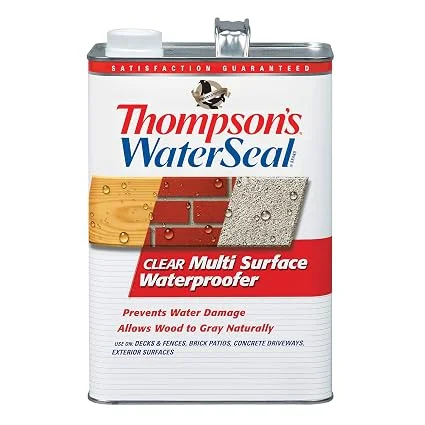 |
Thompson’s WaterSeal Clear Waterproofer, 1 Gal – $17.97 Protects your redwood investment without hiding the natural color you paid a premium for.
|
Redwood lumber is famous for its beauty and toughness. It resists rot and insects naturally. This makes it a top choice for decks. But this quality comes at a price. Redwood is generally more costly than pine or composite materials. The price you see isn’t just for the wood. It includes the care taken to harvest and process it responsibly.
Why Redwood Costs More
Redwood trees take a very long time to grow. They can live for hundreds of years. This slow growth gives the wood its special strength and color. Because it takes so long to grow, redwood is a renewable resource, but it needs careful management. Old-growth redwood, from trees that are centuries old, is rare and very valuable. Most redwood used today comes from younger, second-growth forests.
Grades Matter
Lumber comes in different grades. These grades tell you about the wood’s quality. Higher grades have fewer knots and flaws. They are usually clear, meaning they have no knots at all. Clear redwood is the most expensive. Lower grades have more knots and are less expensive. For a deck, you want wood that is strong and looks good.
Common Redwood Grades for Decks
Premium/Clear: This is the top grade. It has no knots or defects. It’s perfect for a high-end look. It costs the most.
Select Heart/Construction Heart: This grade has some knots. It’s still very strong and good for decks. It’s a bit less costly than clear.
Construction Common: This grade has more knots and some defects. It’s the most affordable. It’s often used for framing or areas where appearance is less critical.
Board Sizes and Their Impact
The size of the board also affects the price. Wider boards or longer lengths usually cost more per foot. This is because larger trees yield fewer of these sizes.
You might need fewer boards if you use wider ones. But the cost per board will be higher. Think about how many boards you need for your deck size.
This can change your total cost.
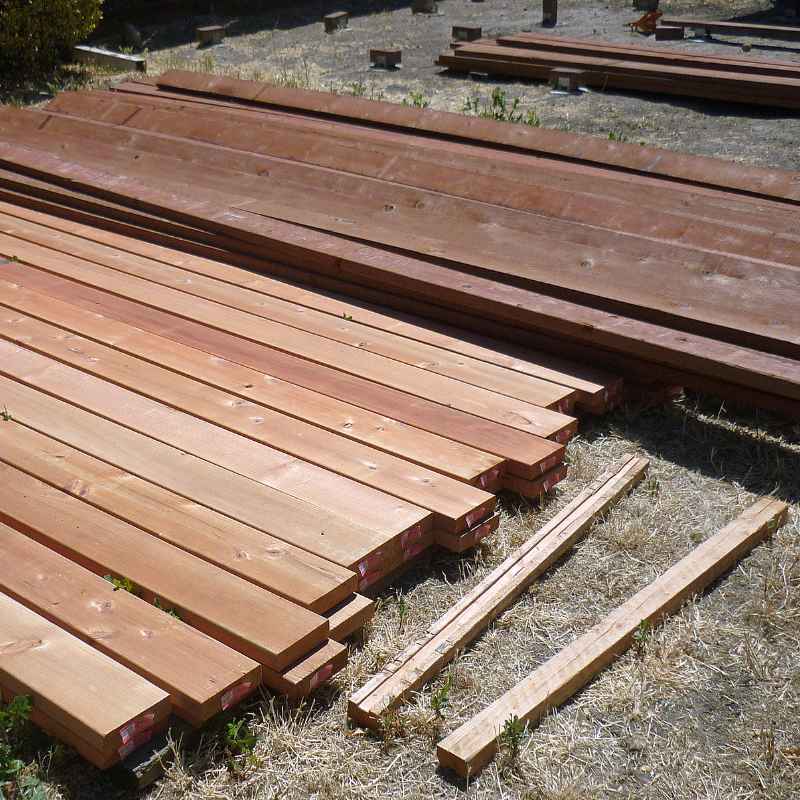
Factors Influencing Redwood Deck Lumber Prices This Year
The price of anything you buy is affected by many things. Lumber is no different. Several factors play a role in how much redwood deck boards will cost you. Understanding these can help you budget better.
Supply and Demand
This is a basic rule of economics. When more people want redwood for decks, prices go up. When fewer people are building decks, prices may come down. Outdoor living has become very popular. Many people want to improve their backyards. This increased demand can push prices higher.
Weather and Forest Health
The weather impacts redwood forests directly. Droughts or severe storms can affect tree growth. They can also make logging more difficult. If logging operations are slowed down, the supply of redwood decreases. This can lead to higher prices. Forest fires are also a risk. While redwood is somewhat fire-resistant, widespread fires can damage forests and disrupt lumber supplies.
Transportation Costs
Redwood forests are mainly in California. If you live far from California, you’ll pay more for shipping. The cost of fuel for trucks and trains changes. These costs are passed on to you. So, where you buy your lumber matters. Buying from a local lumber yard might be cheaper than ordering directly from a distant mill.
Economic Conditions
The overall economy plays a big part. When people have more money, they spend more on home improvements like decks. When the economy is slow, people spend less. This affects demand for lumber. Interest rates also matter. If it’s expensive to borrow money, fewer people might take out loans for big projects.
Quick Look: Price Influencers
- Grade: Clearer wood costs more.
- Size: Wider or longer boards cost more per foot.
- Location: Proximity to forests and shipping costs matter.
- Demand: High interest in outdoor living boosts prices.
- Supply: Weather and forest health affect availability.
Why Redwood Prices Catch Buyers Off Guard
Redwood pricing surprises a lot of first-time buyers because it doesn’t move like framing lumber. A quote from your local yard can be 30-50% higher than a national average you saw online, simply because redwood ships from a narrow supply region (mostly Northern California) and freight cost eats into the price fast the farther you are from it. Before you budget off any single number, get an actual quote from a linear foot calculation from your own local supplier – a national average is a starting point, not what you’ll actually pay.
Types of Redwood Lumber for Decks
Not all redwood is the same. When you buy redwood, you’ll see different types. Knowing these differences helps you pick the right wood for your budget and needs.
Heartwood vs. Sapwood
Redwood has two main parts: heartwood and sapwood. Heartwood is the darker, inner wood. It’s naturally resistant to rot and insects. This is why it’s so great for outdoor projects like decks. Sapwood is the lighter, outer layer. It’s not as naturally resistant. Most premium redwood lumber is called “heart” redwood. This means it’s mostly heartwood.
Kiln-Dried vs. Air-Dried
Redwood can be dried in a kiln or air-dried. Kiln-drying removes moisture faster. This makes the wood more stable. It reduces warping and shrinking. Kiln-dried redwood is usually more expensive. Air-dried redwood takes longer to dry. It might be a bit less expensive. For a deck, stability is important. Kiln-dried is often preferred.
Redwood Lumber: Key Terms
Heart Redwood: The core wood, naturally resistant to decay and insects. This is the most desirable part for outdoor use.
Sapwood: The outer, lighter-colored wood. Less naturally resistant than heartwood.
Kiln-Dried: Wood dried in a controlled oven. More stable, less prone to shrinking or warping.
Air-Dried: Wood dried naturally outdoors. Can be less expensive but takes longer and may be less stable.
Where to Buy Redwood Deck Lumber
The place you buy your redwood can influence the price and quality. You have a few options.
Local Lumber Yards
These are often the best places for quality. They usually carry good grades of redwood. Staff at local yards have expertise. They can offer advice on your project. Prices might be higher than big box stores, but the quality and service are often worth it.
Big Box Home Improvement Stores
Stores like Home Depot or Lowe’s may carry redwood. However, their selection might be limited. You might find lower grades or less variety. Their prices can sometimes be competitive, but always compare quality.
Specialty Wood Suppliers
If you need a specific type or grade of redwood, a specialty supplier is your best bet. They often deal directly with mills. They can source premium or hard-to-find sizes. These suppliers usually cater to contractors but are often happy to help DIYers too. Prices can vary.
Buying Redwood: Quick Checklist
- Local Lumber Yard: Good quality, expert advice.
- Big Box Stores: May have limited selection, check quality.
- Specialty Suppliers: Best for specific needs, potentially higher prices.
Average Redwood Deck Lumber Prices Per Board Foot (Estimates)
It’s tough to give exact prices because they change so often. But we can give you an idea of what to expect for different grades and sizes. Remember, these are estimates for this year. Always get quotes from your local suppliers.
Price Ranges for Common Decking Boards
Let’s look at 5/4 x 6 decking boards. This is a very common size for decks.
Construction Common Grade:
You might find this for about $4 to $7 per linear foot.
This means a 12-foot board could cost between $48 and $84.
Select Heart/Construction Heart Grade:
This grade typically ranges from $7 to $12 per linear foot.
A 12-foot board could be $84 to $144.
Premium/Clear Grade:
This is the most expensive. Expect prices from $12 to $20+ per linear foot.
A 12-foot board could cost $144 to $240 or more.
What is a Board Foot?
A board foot is a unit of volume. It’s used to measure lumber. One board foot is 12 inches by 12 inches by 1 inch thick. Prices are often quoted per board foot. For example, a 2×6 board that is 8 feet long is 8 board feet. You will often see prices quoted per linear foot for decking because it’s sold in standard lengths.
Price Comparison (Per Linear Foot for 5/4 x 6 Decking)
| Grade | Estimated Price Range (per linear foot) |
|---|---|
| Construction Common | $4.00 – $7.00 |
| Select Heart/Construction Heart | $7.00 – $12.00 |
| Premium/Clear | $12.00 – $20.00+ |
Note: Prices are estimates and can vary widely by location and time.
Budgeting for Your Redwood Deck Project
Now that you have an idea of prices, let’s talk about budgeting. It’s not just the decking boards.
Beyond the Decking Boards
When you plan your deck, think about all the materials. You’ll need:
Framing lumber: This is the support structure under the deck. It’s often made of pressure-treated pine, which is less expensive than redwood.
Posts and beams: These hold up the deck. They can be redwood or pressure-treated lumber.
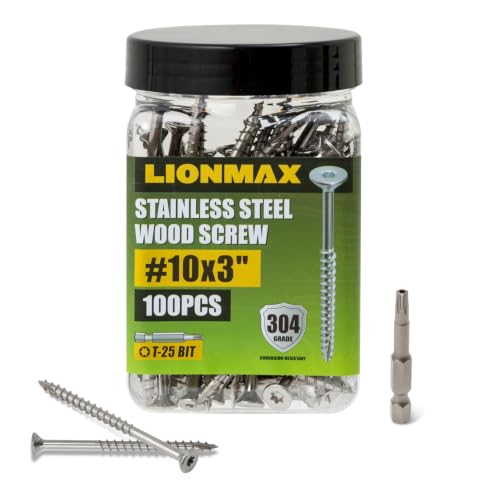
Hardware: Screws, nails, joist hangers, and fasteners. Use good quality, corrosion-resistant hardware. Stainless steel is best for redwood.
Stain or sealer: Even redwood needs protection. A good quality stain can keep its color and add a layer of protection.
Concrete: For the footings that support the posts.
Railing and stairs: These add to the material cost.
These lumber-grade prices cover the decking boards themselves. For a full side-by-side of what a finished redwood deck costs installed versus a pressure-treated deck of the same size, see our redwood vs. pressure-treated deck cost breakdown.
Estimating Material Needs
Measure your deck area carefully. Sketch out your design. Use a deck design tool or consult a professional if needed. Calculate the linear feet of decking boards. Then, figure out the lumber needed for framing, posts, and railings. Add about 10% extra for cuts and mistakes.
Budgeting Tips for Your Deck
- Measure twice, cut once: Accurate measurements save money.
- Factor in all materials: Don’t forget hardware, concrete, and finishes.
- Consider framing materials: Pressure-treated wood is often used for framing.
- Add a buffer: Get 10% extra lumber for mistakes.
- Get multiple quotes: Compare prices from different suppliers.
Real-World Context: When is Redwood the Right Choice?
Redwood is a premium material. It’s best suited for certain situations.
Outdoor Living Spaces
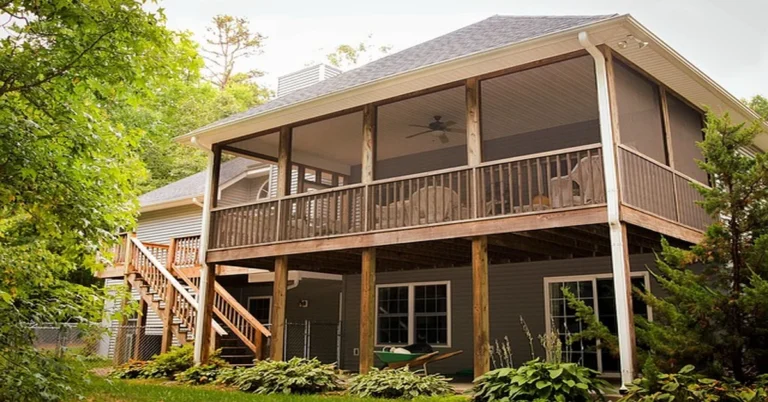
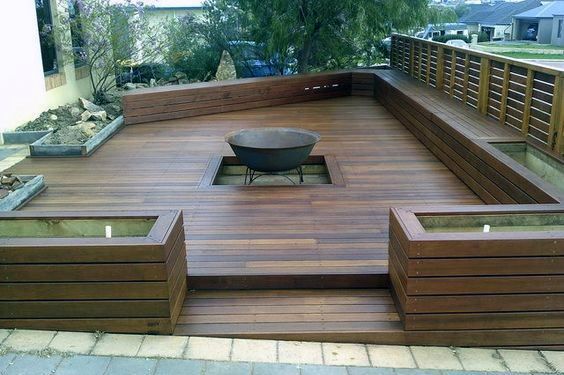
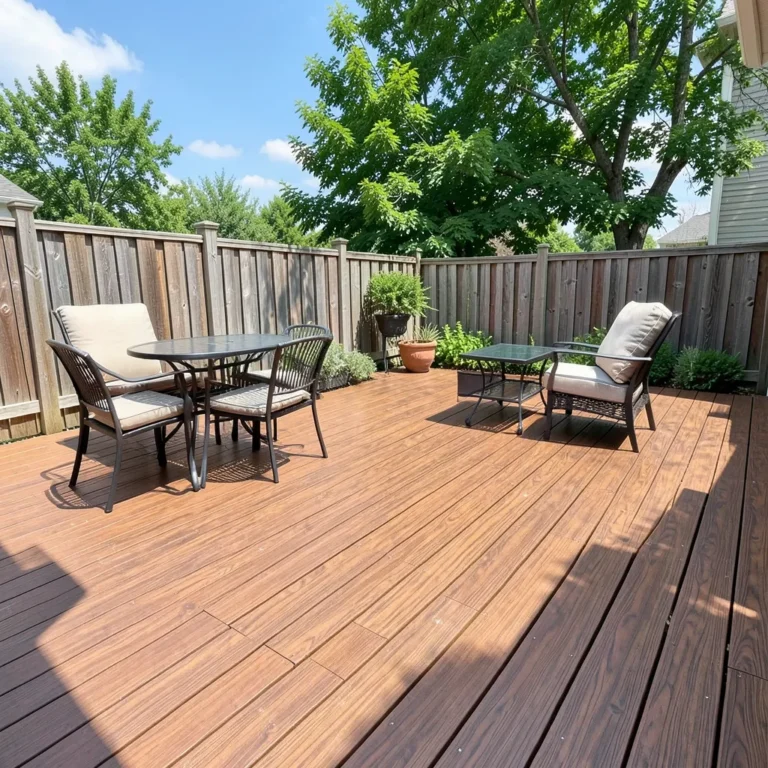
Redwood shines when it’s used for visible outdoor structures. Decks, patios, fences, and pergolas all look stunning with redwood. Its natural beauty is unmatched by many other woods. It adds a touch of luxury to any home.
Climate Considerations
Redwood is naturally durable. It holds up well in many climates. It can withstand moisture and temperature changes better than many softer woods. In very humid or wet areas, its natural resistance to rot is a big advantage. It also holds up well in sunny areas, though it may fade to a silvery-gray if not stained.
Redwood Decking: Ideal Scenarios
Scenario: You want a high-end, long-lasting deck that enhances your home’s curb appeal.
Why it fits: Redwood’s natural beauty and durability are perfect for this goal. The higher cost is an investment in quality and longevity.
Scenario: You live in an area with high humidity or frequent rain.
Why it fits: Redwood’s natural resistance to rot and insects is a major benefit, reducing the risk of premature failure.
Scenario: You are on a very tight budget.
Why it might not fit: While there are lower grades, redwood is generally more expensive than other common decking materials like pine or composite.
What This Means for You This Year
So, what does all this mean for your deck project this year? Here’s a quick rundown.
Be Prepared for Price Fluctuations
The price of redwood lumber can change. It might go up or down depending on the market. Keep an eye on prices. Buying at the right time can save you money. Sometimes, waiting a few months can lead to better deals.
Consider Your Budget
If redwood is at the top of your budget, explore your options. Could you use a lower grade of redwood? Or perhaps use redwood for the visible decking boards and pressure-treated wood for the framing underneath? Combining materials can help manage costs.
When to Worry About Redwood Prices
If prices seem extremely high or suppliers are out of stock, it might be a sign of a supply chain issue. Major weather events or changes in logging regulations can impact availability. If you’re finding it impossible to get the redwood you want, it might be time to look at alternatives.
Simple Checks You Can Do
Get multiple quotes: Don’t settle for the first price you see.
Ask about sales or promotions: Some lumber yards have seasonal sales.
Check availability: Ensure the lumber you want is actually in stock.
Talk to your supplier: They can often give you insight into market trends.
Redwood Decking: Normal vs. Concerning
Normal: Prices are within the estimated ranges mentioned and suppliers have stock.
Concerning: Prices are drastically higher than estimates, there are long lead times, or suppliers have very little stock. This could indicate a supply shortage.
Tips for Buying Redwood Deck Lumber
To get the best value, follow these tips.
Plan Ahead
Don’t wait until the last minute. Start researching lumber prices weeks or even months before you plan to build. This gives you time to find good deals and compare options.
Look for Deals
Sometimes lumber yards have sales. They might offer discounts on bulk purchases. Keep an eye out for end-of-season sales. You might find good deals as suppliers clear out inventory.
Inspect the Lumber
Before you buy, inspect the boards. Look for warps, twists, or significant cracks. Check for consistent color and grade. If you’re buying a lower grade, expect some knots, but make sure they are sound and not loose.
Ask About Warranties
Some lumber suppliers offer warranties on their wood. Understand what is covered and for how long. This can provide extra peace of mind.
Quick Fixes & Buying Strategies
Buy in Bulk: If you have the storage space, buying a larger quantity might get you a better price per foot.
Consider Off-Season: Lumber prices can sometimes be lower during colder months when demand for outdoor projects is less.
Mix Materials: Use redwood for the visible decking and a less expensive, durable wood for the substructure.
DIY Skills: If you can install it yourself, you save on labor costs, which can be significant.
Frequently Asked Questions About Redwood Deck Lumber Prices
Is redwood decking worth the cost?
For many homeowners, the answer is yes. Redwood offers incredible natural beauty, durability, and resistance to decay and insects. It can last for decades with proper care.
While it’s a higher upfront investment, its longevity can make it cost-effective over the life of your home.
How much more does clear redwood cost than knotty redwood?
Clear redwood can cost 50% to 100% more than knotty grades. This is because fewer trees yield lumber that is completely free of knots. The appearance of clear redwood is highly sought after for premium projects.
Can I use pressure-treated pine for my deck frame and redwood for the top?
Absolutely! This is a very common and smart strategy. Pressure-treated pine is very affordable and strong, making it ideal for the hidden frame of your deck.
Using redwood for the visible decking boards gives you the beautiful look you desire while managing overall costs.
What is the average lifespan of a redwood deck?
A well-maintained redwood deck can last 20 to 30 years, sometimes even longer. Factors like climate, exposure to the elements, and how well it’s cared for play a big role in its lifespan.
Are redwood prices expected to go down this year?
Predicting lumber prices is tricky. Factors like supply chain stability, housing market trends, and weather can all influence prices. While there might be seasonal fluctuations, significant drops are hard to forecast.
It’s best to monitor current market conditions from local suppliers.
What’s the difference between redwood and cedar deck prices?
Generally, redwood tends to be more expensive than cedar. Both are excellent naturally durable woods. Redwood often has a richer color and a slightly higher resistance to rot and insects.
Cedar is also a great choice, often more budget-friendly, and has a lovely aroma.
Conclusion
Building a deck is an exciting project. Understanding redwood deck lumber prices is a key part of planning. Prices are influenced by grade, size, location, and market demand. By knowing these factors and preparing for fluctuations, you can make informed decisions. Whether you choose clear redwood for a luxury feel or a mix of materials for budget efficiency, a redwood deck can be a beautiful and lasting addition to your home. Keep an eye on market trends, get multiple quotes, and inspect your lumber carefully. Happy building!
Sponsored / affiliate links. As an Amazon Associate I earn from qualifying purchases. I may earn additional commission from eligible campaigns.