
What is Danish Oil: Benefits, Uses, and Application Tips
Danish Oil is a popular wood finish. It enhances wood’s beauty and protects it.
Danish Oil combines oil and varnish. This blend penetrates wood deeply, providing a durable finish. It also highlights the natural grain, making wood look more vibrant. Woodworkers and DIY enthusiasts love it for its ease of use. Applying it is simple, and it dries quickly.
Whether you’re restoring old furniture or finishing new projects, Danish Oil can give your wood a professional touch. In this post, we’ll explore what Danish Oil is, how it works, and why it’s a great choice for many wood projects. Stay tuned to learn more about this versatile wood finish.
Introduction To Danish Oil
Danish Oil is a wood finishing oil. It is made from a mix of tung oil and other ingredients. It protects wood and makes it look nice. Danish Oil is easy to use. It soaks into the wood and dries quickly. It helps to stop water damage and stains. Wood treated with Danish Oil is safe for people. It can be used on furniture, floors, and tools.
Danish Oil has been used for many years. It comes from Denmark. People there used it to protect wood on ships. Over time, it became popular for home use too. Today, many people around the world use Danish Oil. It is known for its durability and ease of use. Danish Oil has a long history and is trusted by many. It remains a top choice for wood care.

Credit: danish-oil.com
Composition Of Danish Oil
Danish oil is made from a mix of natural oils. Linseed oil is often used. It soaks into wood well. Tung oil is another common ingredient. It gives a nice finish. These oils are mixed with other substances. Solvents help the oil spread. Resins make the finish hard and shiny. The mix can vary. Some brands use different oils and resins.
Natural Danish oil uses oils from plants. Linseed and tung oil are both natural. These oils are safe and eco-friendly. Synthetic Danish oil uses man-made chemicals. It can include artificial resins. These resins make the oil dry faster. They also add a strong shine. Both types protect wood. Choose based on your needs and values.
Benefits Of Danish Oil
Danish oil makes wood stronger and lasts longer. It gives a hard finish. This protects wood from damage. Scratches and dents are less likely to happen. Furniture and floors look great for years.
Danish oil brings out the beauty of wood. It highlights the wood grain. This makes the natural patterns stand out. Wood looks richer and more vibrant. Old furniture looks new again.
Water can’t easily damage wood treated with Danish oil. It forms a protective layer. This keeps moisture out. Spills are easy to wipe off. Wood stays dry and safe from rot.
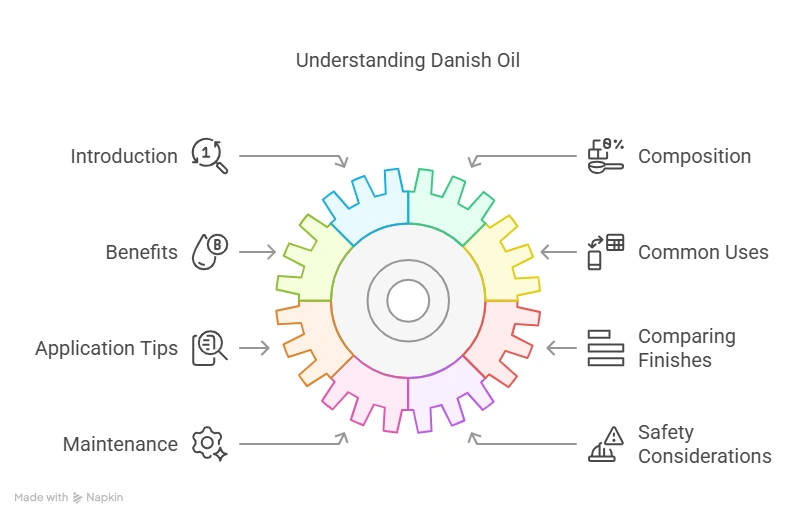
Common Uses Of Danish Oil
Danish Oil is great for finishing wood furniture. It gives a smooth finish. It also adds a nice shine. The oil protects the wood. It makes furniture look beautiful and new.
Danish Oil is good for outdoor wood projects. It helps protect the wood from weather. The oil makes wood water-resistant. It also keeps it from cracking. Outdoor furniture looks better and lasts longer.
Use Danish Oil for interior woodwork. It works well on doors and trim. The oil gives wood a rich color. It also makes it smooth to touch. Woodwork looks elegant and clean.
Application Tips For Danish Oil
Ensure the surface is clean and dry. Sand the wood with fine-grit sandpaper. Remove any dust with a tack cloth or vacuum. The smoother the surface, the better the oil will penetrate. Proper preparation leads to a beautiful finish.
Apply Danish Oil with a clean cloth or brush. Work in small areas. Rub the oil into the wood. Let the oil sit for 15 minutes. Wipe off any excess oil. Repeat the process for several coats. More coats give a richer finish. Always apply in the direction of the grain.
Allow the oil to dry for 24 hours. This ensures proper penetration. Wait 48 hours for full curing. Avoid placing objects on the surface during curing. Proper drying and curing lead to a durable finish.
Comparing Danish Oil With Other Finishes
Danish oil dries faster than tung oil. It often takes hours, not days. Danish oil is easier to apply. You can use a cloth or brush. Tung oil needs more coats. It can take many layers to get a good finish. Danish oil gives a matte look. Tung oil can be shinier. Both oils protect wood well. But Danish oil is more user-friendly.
Linseed oil takes a long time to dry. Danish oil dries much faster. Linseed oil can become sticky. Danish oil does not. Danish oil is a mix of oils and varnish. Linseed oil is pure. Danish oil gives a hard finish. Linseed oil can stay soft. Both oils can darken wood. But Danish oil gives a more even color.
Maintenance And Care
Keep the surface clean by wiping it with a damp cloth. Avoid using harsh chemicals or abrasive materials. Dust the surface regularly to maintain its shine. Apply a fresh coat of Danish oil once a year. This will help keep the wood protected and looking its best. Let the oil dry completely before using the item again.
Sand the damaged area lightly with fine-grit sandpaper. Clean the dust off with a damp cloth. Apply a small amount of Danish oil to the area. Rub it in with a clean, soft cloth. Let it dry completely, then buff the area to a shine. Repeat if the area needs more oil for full repair.

Credit: danish-oil.com
Safety And Environmental Considerations
Always wear gloves and eye protection while using Danish oil. It can irritate skin and eyes. Work in a well-ventilated area to avoid inhaling fumes. Store Danish oil in a cool, dry place. Keep it away from children and pets. Dispose of rags properly to prevent fire hazards. Never pour Danish oil down drains or toilets. Follow local disposal guidelines.
Danish oil can be harmful to the environment. Consider using eco-friendly alternatives. Look for water-based wood finishes. These are less toxic and safer for the planet. Natural oils like linseed or tung oil are good options. They have fewer chemicals. Wax finishes can also be used. They protect wood and are safer for the environment.
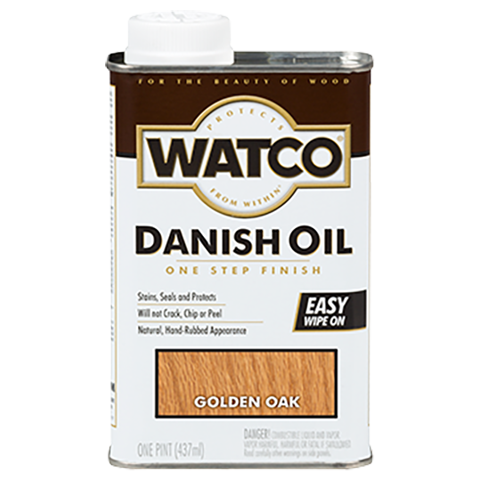
Credit: www.rustoleum.com
Frequently Asked Questions
What Are The Disadvantages Of Danish Oil?
Danish Oil can yellow over time. It requires multiple coats for a good finish. Regular maintenance is needed. It offers limited water resistance. It may darken light wood.
Why Would You Use Danish Oil?
Danish Oil enhances wood’s natural beauty, provides a durable finish, and protects against moisture. It’s easy to apply and maintain.
Is Danish Oil The Same As Linseed Oil?
No, Danish oil is not the same as linseed oil. Danish oil is a blend of oils and varnishes, providing a durable finish. Linseed oil is a pure oil derived from flax seeds, offering a natural wood finish.
Is Danish Oil Better Than Tung Oil?
Danish oil and tung oil both have unique benefits. Danish oil dries faster and is easier to apply. Tung oil offers a more durable, water-resistant finish. Choose based on your project needs.
Conclusion
Danish oil offers a simple and effective way to protect wood. It enhances the wood’s natural beauty while providing a durable finish. Easy to apply, it’s great for both beginners and experts. This oil works well on various wood projects, adding a warm, rich tone.
Choose Danish oil for a reliable and attractive wood finish. Give your wood projects the care they deserve. Enjoy the long-lasting protection and beauty Danish oil provides.