What Is French Polish for Wood? The Real Shellac Technique
French polish is a hand-padded shellac finish, not a product. Thin shellac dissolved in alcohol is rubbed on with an oiled cloth pad in many tiny layers, then the oil is wiped away to leave a deep, glossy surface. Heat, water, and alcohol all mark it, but a damaged spot can be re-padded and blended in. This page explains what it is, how to recognise it, and when it is worth using.
What French Polish Actually Is
Best Ready-Mixed French Polish
 |
Rustins French Polish Pure Shellac (125ml), $13.00 The label says it contains only pure shellac, so it is a straightforward way to see what padded shellac looks and feels like before you commit to mixing your own from flakes.
|
As an Amazon Associate we earn from qualifying purchases.
French polish is a process, not a material. The material is shellac, a natural resin from the lac insect, dissolved in denatured alcohol. The process is what earns the name: a pad called a fad (or rubber) is charged with thin shellac, touched with a little lubricating oil, and worked over the wood in overlapping circles and figure eights. Each pass leaves a film far thinner than a brushed coat, and dozens of passes build up into a surface that sits over the grain like a lens, which is where the depth and warmth come from.
The technique took shape in the early 19th century and became the standard for good furniture in the Victorian era, especially on mahogany. According to the Wikipedia entry on French polish, furniture makers largely dropped it around 1930 in favour of faster spray finishes, which is one reason original French polish is now mostly found on antiques, pianos, and restored pieces.
Is It French Polish or Just Shellac? A Quick Sorting Table
The name gets stretched over very different things. Use this table to sort out what you are actually looking at or buying.
| What you have | Is it French polish? | Why |
|---|---|---|
| Shellac brushed on in 2 or 3 coats | No | Same resin, but it is a brushed film finish, not a padded one |
| Shellac wiped on with a rag, no oil, no spiriting off | Not really | It lacks the pad, the lubricant, and the final spirit-off that define the method |
| Shellac padded on in many thin passes with a little oil, then spirited off | Yes | This is the full method |
| A bottle labelled “French polish” containing pure shellac | It is the material | You still have to apply it with a pad for the result to be French polish |
| Aerosol or wax “furniture polish” that mentions French polish on the can | No | Check the ingredients; a maintenance product is not a shellac finish |
A French polisher is the person who does the work, and the traditional method used a fad, shellac, and oil. There are two named variations: in the French method the shellac and an abrasive such as pumice go on together to fill the pores, while in the British method they are applied in alternating steps.
The Three Stages in Plain Terms
Walking through every motion is the job of our full step-by-step guide to French polishing wood. In short, the work runs in three stages:
- Fadding: light, fast passes that lay a first thin film of shellac and seal the grain.
- Bodying up: repeated passes with slightly more oil on the pad that build the film thickness evenly, with rest periods so the alcohol can flash off between sessions.
- Spiriting off: a last pass with a pad dampened with nearly pure alcohol and very light pressure, which lifts the leftover lubricating oil and leaves the clear gloss.
The oil is the part beginners underestimate. It acts as a lubricant so the pad glides over tacky shellac instead of dragging it, and it is the reason the final spirit-off step exists at all. Leave it out and the pad sticks and tears the film; skip the spirit-off and a hazy oil residue stays in the finish.
How to Tell if Furniture Is French Polished
If you have inherited a table or buy an antique, the most useful thing to know is whether the finish is shellac, because shellac and modern film finishes need different repairs. Guides on identifying antique finishes agree on one practical check: a tiny dab of denatured alcohol in a hidden spot.
- Pick a spot nobody sees, such as the underside of a table top or the back of a leg.
- Dampen the tip of a cotton swab with denatured alcohol and touch it to the surface for a few seconds.
- If the finish softens, turns tacky, or lifts onto the swab, it is shellac, which is what French polish is made of.
- If nothing happens, it is probably a harder finish such as polyurethane. Lacquer reacts to lacquer thinner rather than to plain alcohol.
Treat the test as a small repair job, because it will dull the spot you touch. Denatured alcohol is flammable and its fumes build up in closed rooms, so open a window, keep it away from flames and heaters, and let swabs dry outdoors before binning them. Our guide to the solvent test for identifying a wood finish covers the other finishes in more detail.
One more visual clue: over many decades an old shellac film can develop a network of very fine hairline cracks (crazing) that you can only see under magnification or low raking light. It is not proof on its own, but together with the alcohol test it points strongly to an original shellac finish.
French Polish vs Other Wood Finishes
French polish is not the toughest finish and it is not trying to be. The table compares it with the finishes people usually choose instead.
| Finish | Look | Heat, water, alcohol | Repair | Effort |
|---|---|---|---|---|
| French polish | Deepest, warmest gloss | Marks easily; alcohol dissolves it | Re-pad and blend in the spot | High, many hours of padding |
| Brushed shellac | Good, slightly thicker film | Same weakness as French polish | Easy to touch up | Low to medium |
| Lacquer | Clear, even, thin film | Better than shellac | Reasonably repairable | Medium, usually sprayed |
| Polyurethane or varnish | Plastic-like film, less depth | Best of the group | Hard to blend; often needs stripping | Low to medium |
The trade is simple: French polish gives up toughness for looks and repairability. A hot mug or a spilled drink with alcohol in it can leave a white cloudy mark, while a cured polyurethane film shrugs those off. If you want to use shellac with less effort, see our guide on how to use shellac on wood.
Where French Polish Makes Sense (and Where It Does Not)
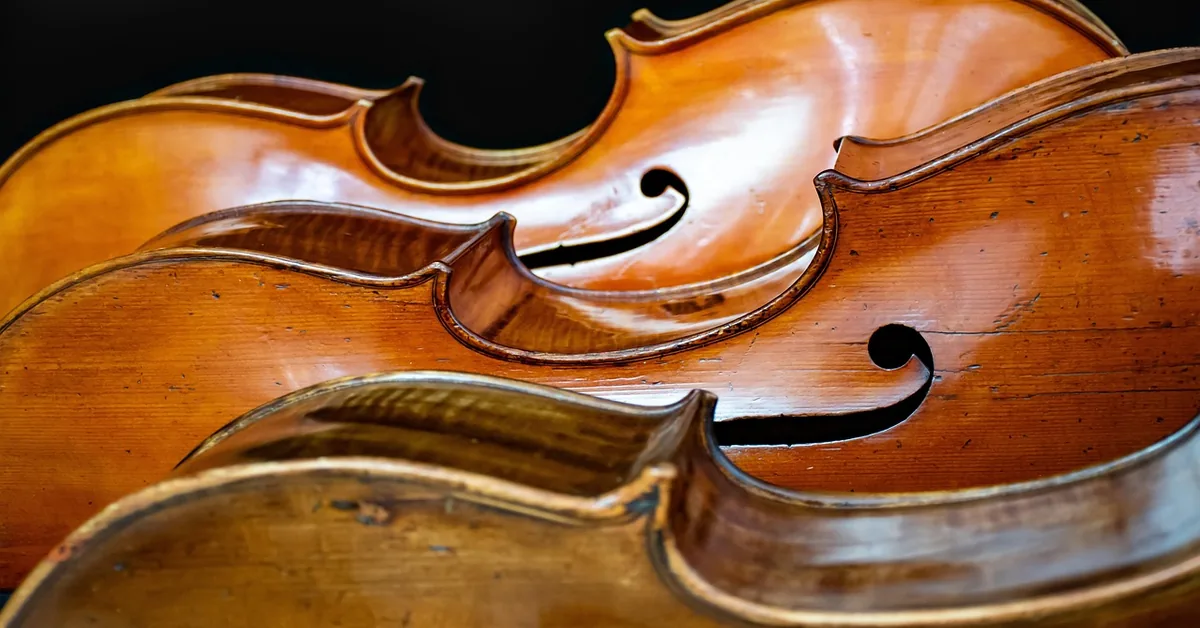
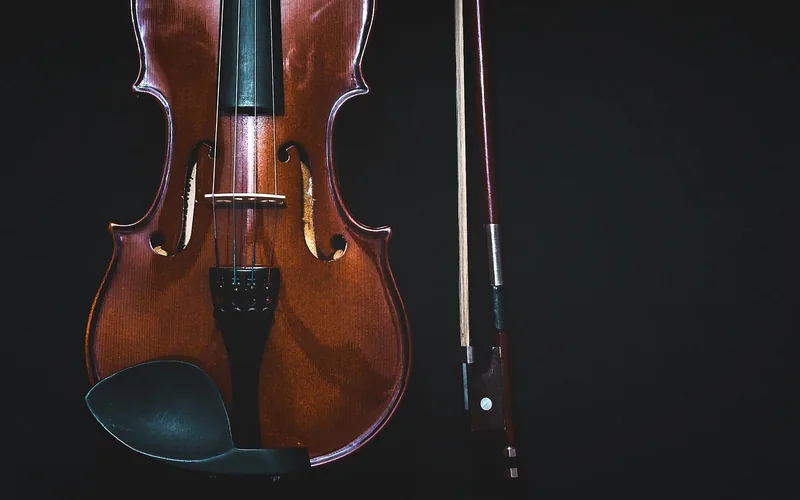
It suits pieces that are looked at more than they are used: antique restoration, display cabinets, picture frames, piano cases, and the bodies of some guitars and other instruments. Restorers also choose it because much period furniture was originally finished this way, and matching the original film is usually easier with the same material.
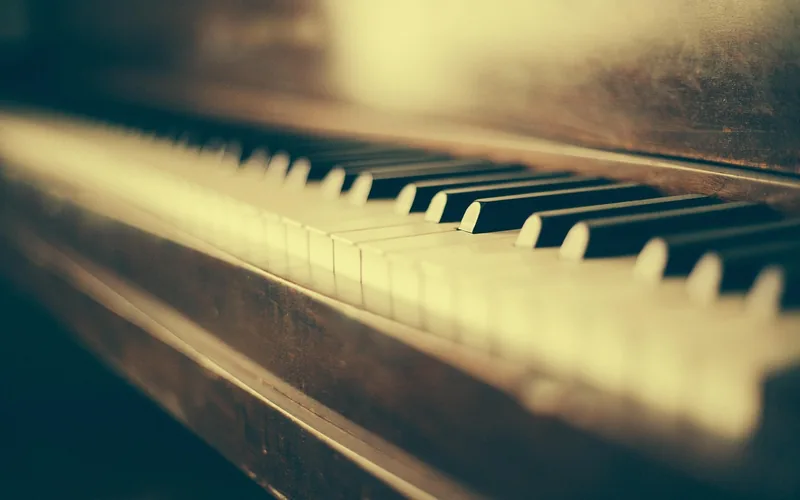
It is a poor fit for kitchen tables, desks, workbenches, and anything that will hold drinks or sit near a radiator. For those, a modern topcoat will need far less care. It is also not a good first choice if you need a finish done in a weekend, because the method rewards patience and many short sessions, not one long one.
What You Need to Try It
A small starter kit is cheap: shellac (ready-mixed French polish, or dry flakes you cut yourself with denatured alcohol), cotton wadding, a lint-free cotton or linen cloth for the outer layer of the fad, extra denatured alcohol for spiriting off, and a little mineral oil as lubricant. Shellac strength is described as a cut, meaning how many pounds of dry flakes are dissolved per gallon of alcohol, and French polishing works with thin, dilute mixes. Our shellac cut ratio calculator shows how to mix a batch for a given cut.
One shopping note: shellac sold as a sanding sealer or primer is a different job. See sanding sealer vs shellac and our roundup of shellac-based primers if you are trying to seal stains rather than build a polished finish.
Safety: Alcohol Fumes and Oily Rags
Two real hazards come with this finish. Denatured alcohol is flammable, so work with ventilation and no ignition sources nearby. Second, if you choose boiled linseed oil rather than mineral oil as a lubricant, rags soaked with it can heat up as the oil dries and in some cases catch fire on their own. Lay such rags flat outdoors to dry, or soak them in water in a sealed metal container, before disposal. Mineral oil does not dry this way, which is one reason many guides prefer it for padding.
Common Problems
A cloudy white haze is called blushing and usually means moisture got into the film, often from padding in a humid room or from a damp pad. Work in drier air and gently rework the area with a pad that carries only a little alcohol; our page on trapped moisture in a table finish explains why moisture is so hard on a finish. Streaks and uneven layers usually mean the pad stopped moving or carried too much shellac; let the surface harden, sand lightly, and rebuild with thinner passes. For ring marks and scratches on an existing piece, see how to repair a furniture finish.
Frequently Asked Questions
What Is French Polish Made Of?
French polish is shellac, a natural resin from the lac insect, dissolved in denatured alcohol. The finish itself needs nothing else, though a little mineral oil or similar lubricant is used on the pad while applying it so the pad glides instead of sticking.
How Is French Polish Applied To Wood?
It is applied with a cloth-wrapped pad called a fad, charged with thin shellac and a touch of oil, and worked over the wood in circles and figure eights across many thin layers. The last step, spiriting off, uses a pad dampened with alcohol to lift the oil and reveal the gloss.
Is French Polish the Same as Shellac?
No. Shellac is the material and French polish is the method of padding it on in very thin layers with oil. A shellac finish can be brushed, sprayed, or wiped, but only the padded, spirited-off version is traditionally called French polish. Many bottles labelled French polish are simply shellac solutions.
What Is French Polish Used On?
It is used on antique and fine furniture, picture frames, piano cases, and some guitars and other instruments, where depth of shine matters more than toughness. It is less suited to dining tables, kitchen surfaces, and anything that sees heat, water, or alcohol regularly.
Why Choose French Polish For Wood Finishing?
French polish gives a depth and warmth of gloss that thicker film finishes rarely match, and scratches or dull spots can usually be fixed by re-padding just that area. The trade-off is that it is more sensitive to heat, water, and alcohol than a modern topcoat.
How Long Does French Polish Last?
On pieces that are not handled hard, a French polished surface can look good for decades, and many antiques still carry their original shellac. It needs more care than polyurethane though, because heat, water, and alcohol will mark it and busy surfaces need touching up sooner.
Conclusion
French polish is shellac applied by method: a charged pad, a little oil, many thin layers, and a final spirit-off. It gives up toughness for depth and easy repair, so it belongs on antiques, instruments, and display furniture rather than on tabletops that get used every day. If you are unsure what finish a piece already has, the alcohol test tells you in seconds, and if you want to try the craft yourself, start on something small.
Sponsored / affiliate links. As an Amazon Associate I earn from qualifying purchases. I may earn additional commission from eligible campaigns.