What Is Horse Chestnut Wood Used For?
Horse chestnut wood is mostly used for carving, turnery, boxes, crates, and pallets — not fine furniture. It’s a soft, lightweight, close-grained wood that carves beautifully but doesn’t hold up to hard wear or outdoor exposure, which rules out most of the furniture and structural uses some sites claim for it.
Horse Chestnut Wood at a Glance
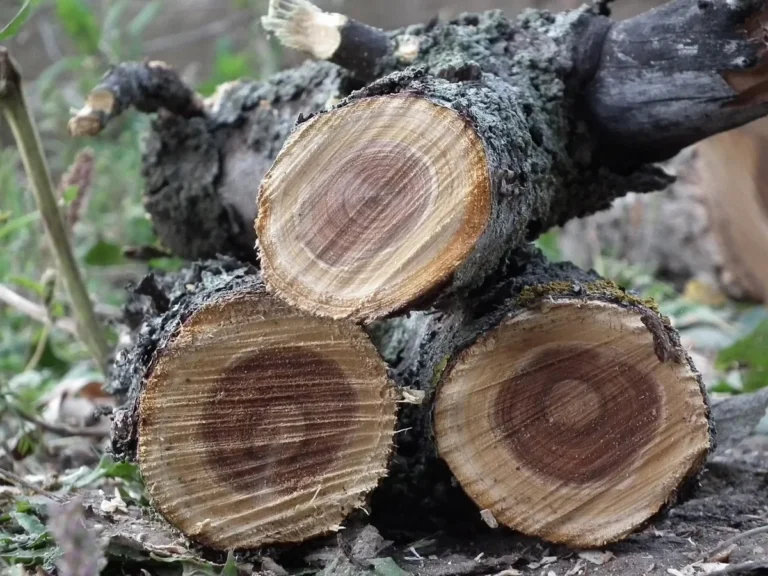
Horse chestnut (Aesculus hippocastanum) is a pale, creamy-white to very light tan wood with a fine, even, usually straight grain and almost no visible figure. Air-dry, it weighs in the neighborhood of 450–500 kg/m³ — noticeably lighter than oak (around 700 kg/m³) and even a bit lighter than pine. That low density is exactly why it behaves the way it does: easy to cut and carve, easy to dent, and quick to pick up moisture and warp if it’s not kept dry.
Best Pick For Carving Soft, Fine-Grained Wood
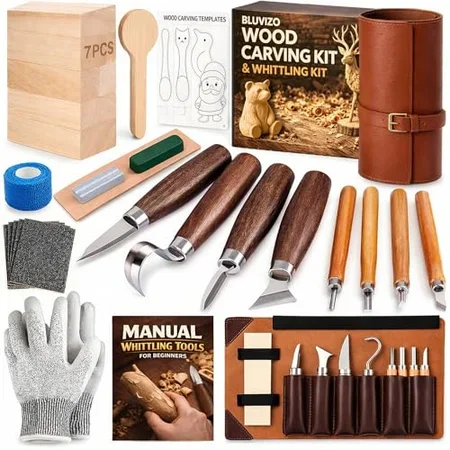 |
Bluvizo Wood Carving & Whittling Kit – $29.99 Horse chestnut’s soft, even grain makes it a genuinely good carving wood — this beginner kit gives you the knives and basswood blanks to start practicing that same style of carving right away.
|
Is Horse Chestnut the Same Wood as Edible Chestnut?
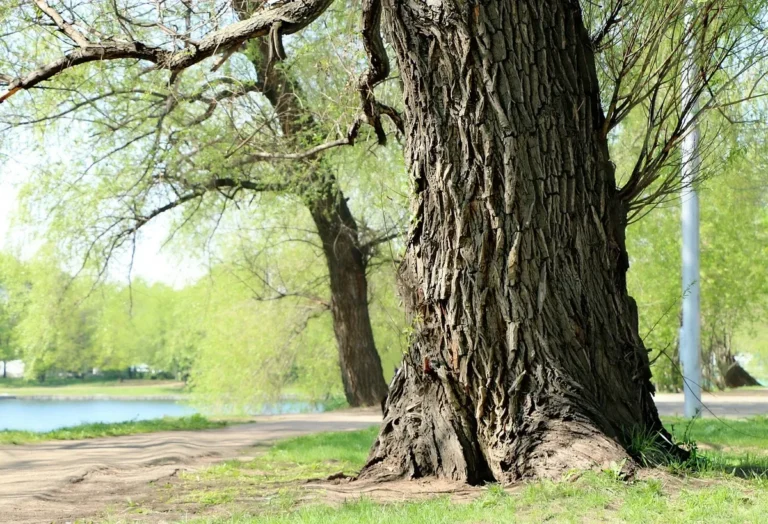
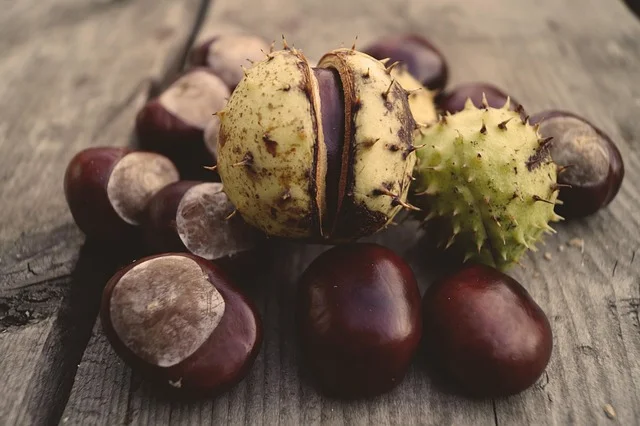
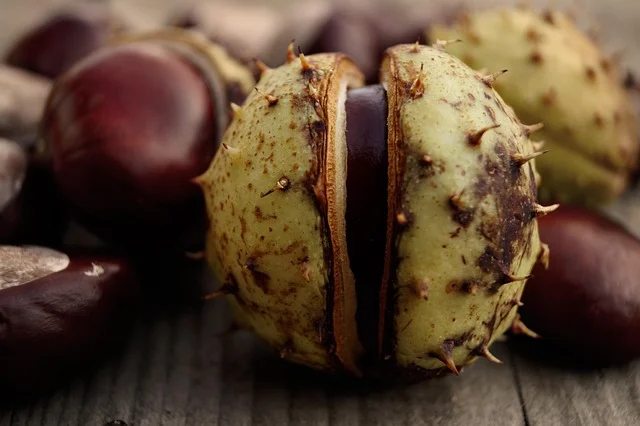
No, and this mix-up is the single biggest source of bad information about this wood online. Horse chestnut (Aesculus hippocastanum) and sweet or “edible” chestnut (Castanea sativa) aren’t even in the same plant family — they just share a common name because their nuts look similar. Sweet chestnut is a genuinely good, oak-like furniture and joinery timber with a coarse open grain and decent natural rot resistance. Horse chestnut is neither related nor comparable: it’s the soft, pale wood behind the spiky green husks and shiny brown conkers kids collect every autumn, and its nuts are mildly toxic raw, not the roasted chestnuts sold at holiday markets.
What Horse Chestnut Wood Is Actually Used For
Once you set aside the furniture and shipbuilding myths, horse chestnut has a real, useful niche built entirely around its softness and its tight, forgiving grain:
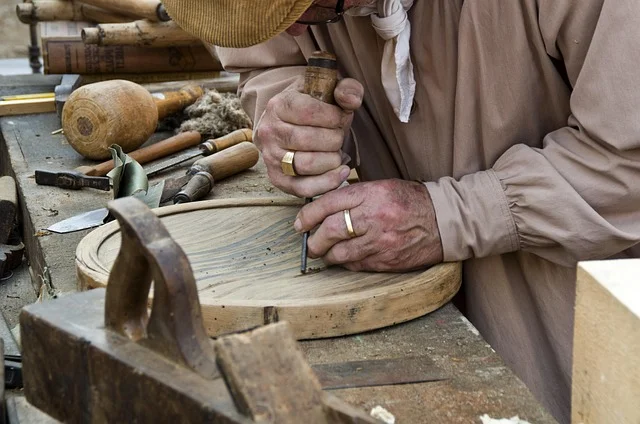
- Carving and whittling — this is its best-documented use. The fine, even grain resists tearing and splitting, so it holds crisp detail well for chip carving, treen (small wooden kitchenware like spoons and bowls), and decorative figures.
- Boxes, crates, and pallets — lightweight and cheap, with none of the durability needed elsewhere, which is exactly what disposable or low-stress packaging wood needs.
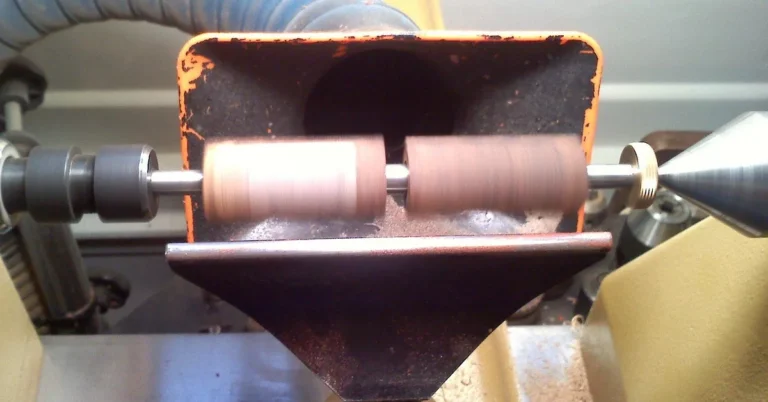
- Turnery — small turned items like bowls, handles, and toys, where the pale, uniform color and softness make it easy to work on a lathe.
- Hidden or unseen furniture parts — drawer sides, backs, and other interior joinery that never has to bear real load or take wear.
- Historically: tent pegs, brush backs, and artificial limbs — all applications that trade on the same combination of light weight and easy shaping, not strength.
Why It’s a Poor Choice for Furniture and Outdoor Projects
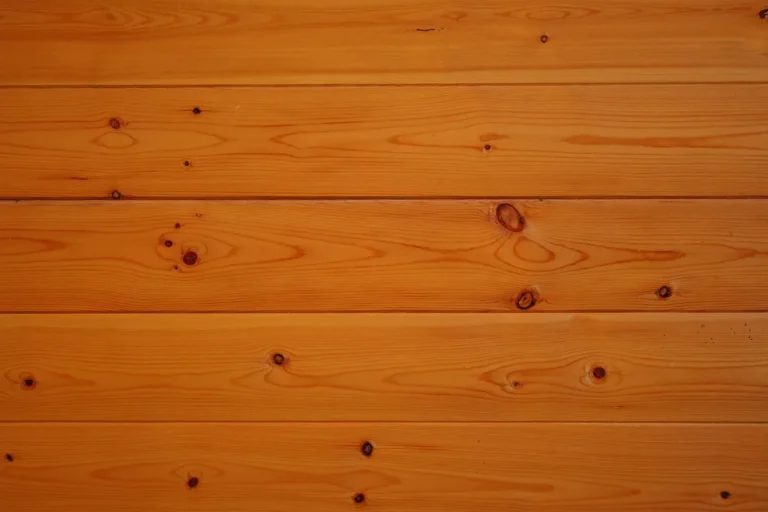
Horse chestnut has three real limitations that rule out the uses often claimed for it. First, it’s soft — it dents and scuffs far more easily than oak, walnut, maple, or even sweet chestnut, so it doesn’t hold up as a tabletop, chair, or anything that takes daily wear. Second, its natural resistance to rot and insect attack is poor, which makes it a bad match for outdoor furniture, fencing, or any ground-contact use — without heavy chemical treatment, it breaks down fast outside. Third, its grain is plain and mostly featureless, so even where it could physically be used for visible furniture, it doesn’t offer the figure or contrast that makes oak, walnut, or cherry worth choosing for that job. None of this means the wood is low quality — it just means its strengths (softness, even grain, easy carving) are the opposite of what furniture and outdoor wood need.
How to Identify and Work It
If you come across a plank and aren’t sure what you’re holding, horse chestnut is usually easy to rule in or out: it’s pale cream to light tan with almost no color variation, noticeably light for its size, and the end grain shows a fine, tight, even pattern with no strong ray fleck. When working it, standard sharp hand tools (carving knives, gouges, chisels) cut it cleanly with very little resistance — the main risk is tear-out on end grain if your edge isn’t sharp, and fuzzy, “woolly” surfaces if you sand with too coarse a grit. It takes stain unevenly because of its softness, so a sanding sealer or thinned first coat before finishing gives a much more even result than staining it raw.
If You Need a Different Wood for the Job
Since horse chestnut isn’t the right choice for furniture, flooring, or outdoor work, it helps to know what to reach for instead depending on what you’re actually building:
| If you need… | Use instead of horse chestnut | Why |
|---|---|---|
| Durable indoor furniture | Oak or walnut, or maple | Much harder and denser; resists dents and wear |
| Outdoor furniture or fencing | Cedar, teak, or pressure-treated pine | Natural or treated rot and moisture resistance |
| Visible grain/figure for a feature piece | Walnut or cherry | Rich color and figure horse chestnut’s plain grain lacks |
| Fine carving and whittling | Horse chestnut, basswood, or butternut | All soft, close-grained, and easy to cut cleanly |
Drying and Movement: What to Expect
Horse chestnut’s low density comes with a downside beyond softness: it moves a lot as moisture content changes. Green boards need to be stickered and dried slowly, ideally over a full season or more, because rushed kiln drying tends to cup and check the wood rather than dry it flat. Even once dry, horse chestnut keeps reacting to seasonal humidity more than a denser hardwood like oak or maple would, which is one more reason it’s a better fit for small carved or turned pieces (where a little movement doesn’t matter) than for a wide glued-up tabletop (where it can crack a joint). If you do dry your own, expect more waste from checking and warping than you’d budget for a comparable board-foot of a stabler species.
Where to Actually Find It
Horse chestnut isn’t a commercial lumber species — you won’t find it milled and stacked at a big-box home center or even most specialty hardwood dealers, because there’s no large-scale demand for a soft, plain-grained wood that can’t be used structurally. Most of the supply that does exist comes from tree removals: arborists and municipal crews take down horse chestnuts that have died, become diseased, or outgrown a residential lot, and a small subset of that wood ends up with hobbyist sawyers instead of the chipper. If you want some, your best bets are a local urban-lumber or salvage mill, a tree service willing to set aside a log instead of hauling it to a landfill, or online marketplaces where hobbyist turners and carvers sell offcuts and blanks by the pound. Buy a little more than you think you need — given the drying losses above, yield from a rough log is lower than with a well-behaved commercial species.
Frequently Asked Questions
What is horse chestnut wood mainly used for?
Mainly carving, whittling, and turnery, plus boxes, crates, pallets, and hidden furniture parts like drawer sides. It’s chosen for those jobs because it’s soft and easy to shape, not because it’s especially strong or durable.
Is horse chestnut wood good for outdoor furniture?
No. It has poor natural resistance to rot and moisture damage, so untreated horse chestnut breaks down quickly outdoors. If you want an outdoor-durable wood, look at cedar, teak, or a pressure-treated softwood instead.
Is horse chestnut wood good for carving?
Yes — this is genuinely its strongest use. The fine, even, close grain resists splitting and holds crisp detail, which is why it’s a traditional choice for chip carving and treen (small carved kitchenware). Sharp tools are essential since dull edges tear the soft fibers instead of slicing them.
Is horse chestnut the same tree as the chestnuts people eat?
No. Horse chestnut (Aesculus hippocastanum) is unrelated to sweet or edible chestnut (Castanea sativa) despite the shared name. Horse chestnut seeds (conkers) are mildly toxic raw and are not the roasted chestnuts sold for eating.
Conclusion
Horse chestnut is a real, useful wood — just not for the reasons some articles claim. Skip it for furniture, outdoor projects, or anything load-bearing, and reach for it instead when you want a soft, forgiving, close-grained wood for carving, turnery, or small boxes and crates. Knowing that distinction up front will save you a warped bench or a disappointing tabletop.
Sponsored / affiliate links. As an Amazon Associate I earn from qualifying purchases. I may earn additional commission from eligible campaigns.