What Is Fruitwood? Cherry, Apple, Pear and Plum Compared
Fruitwood is the wood of fruit-bearing trees, mainly cherry, apple, pear and plum. It is a group of woods, not a single species, and the members are very different: black cherry measures 950 lbf on the Janka scale, while apple measures 1,730 lbf. Only cherry is sold as everyday lumber. The rest mostly show up as small turning blanks, veneer and smoking wood. Below are the real numbers for each tree, how they compare with oak and walnut, and what the word “fruitwood” means when it appears on a furniture tag.
What Is Fruitwood? A Group of Woods, Not One Species
Best Cherry and Apple Smoking Chunks
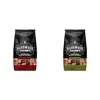 |
Fire & Flavor Cherry and Apple Wood Chunks ($29.99) Cherry and apple are the two fruitwoods most people can buy in quantity, and smoking chunks are the easiest way to try them.
|
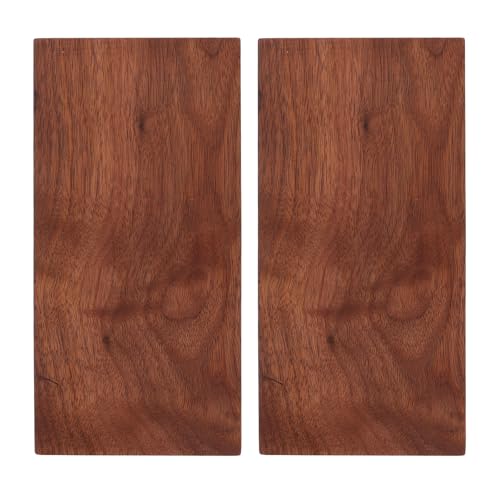
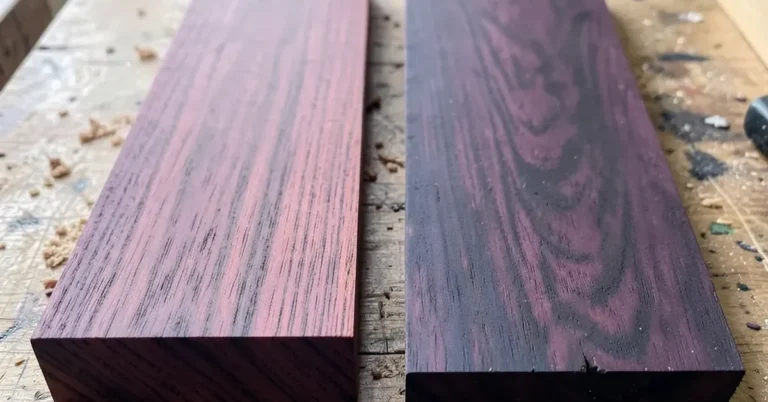
Woodworkers use “fruitwood” as a loose label for timber from trees that are grown, at least somewhere, for their fruit. The four names you will run into most are cherry, apple, pear and plum. They share a look: fine, even texture, straight grain and warm pink-to-brown heartwood. They do not share hardness, price or supply, which is why one general description of fruitwood misleads.
| Wood | Species | Janka (lbf) | Dried weight | Heartwood color |
|---|---|---|---|---|
| Cherry | Prunus serotina (black cherry) | 950 | 35 lbs/ft3 | Light pinkish brown, darkening to reddish brown |
| Plum | Prunus domestica | 1,550 | 50 lbs/ft3 | Yellowish brown with pink, orange, red or purple streaks |
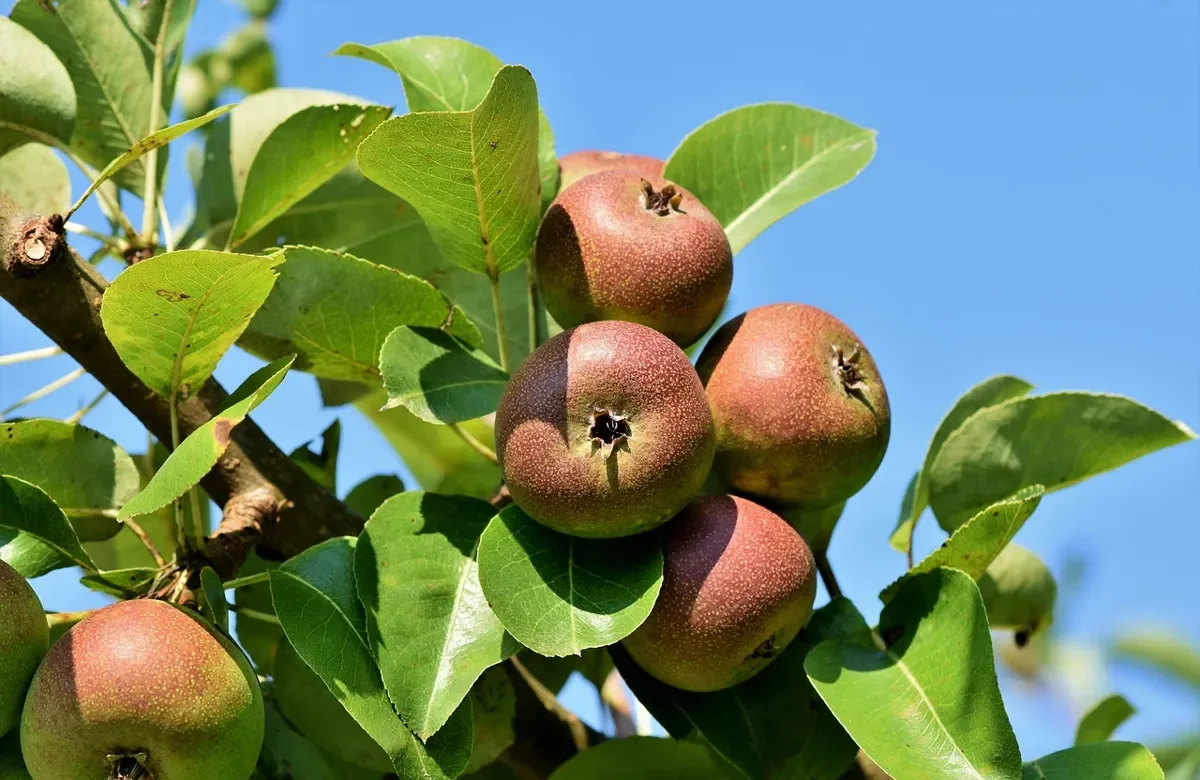
| Pear | Pyrus communis | 1,660 | 43 lbs/ft3 | Pale pink to light reddish brown |
| Apple | Malus spp. | 1,730 | 52 lbs/ft3 | Light reddish or grayish brown to deep red-brown |
All figures are from the Wood Database. Cherry is the outlier on hardness and weight. It is the lightest and softest of the four, yet it is the only one you can reliably buy as boards.
Only Cherry Is Everyday Lumber
This is the part most fruitwood articles skip. The Wood Database describes availability very differently for each tree, and it changes how you would actually plan a project:
| Wood | Lumber availability (Wood Database) | Typical uses |
|---|---|---|
| Cherry | Lumber and veneer in adequate supply, mid to upper price for a domestic hardwood | Cabinetry, fine furniture, flooring, millwork, veneer, turnings |
| Pear | Popular in Europe, limited quantities in the US, larger logs mostly become veneer, high prices | Veneer, marquetry, inlay, carving, musical instruments, furniture |
| Apple | Seldom available as lumber, usually very small sizes, likely expensive | Fine furniture, tool handles, carving, mallet heads, turned items |
| Plum | Not commercially available as lumber because the trees are so small, sold mostly as turning blanks | Turned objects, musical instruments, inlay, knife handles |
A practical consequence: if a shop tells you a table is “solid fruitwood”, the wood is most likely cherry, because apple, pear and plum rarely come in boards wide enough for a tabletop. The other fruit trees are small stock for small work.
There is also a naming trap inside cherry. The Wood Database notes that black cherry (Prunus serotina) is a timber species, while the sweet cherry (Prunus avium) is the tree grown for edible fruit. American cherry furniture is made from the timber species, not the orchard tree.
How Fruitwood Compares With Oak, Maple and Walnut
Hardness is where the group splits in two. Apple, pear and plum are all harder than red oak, while cherry is softer than every wood in the table below, including black walnut at 1,010 lbf. Walnut is a nut tree and is not counted as a fruitwood, but it is the wood people most often compare cherry against.
| Wood | Janka (lbf) | Volumetric shrinkage |
|---|---|---|
| Black cherry | 950 | 11.5% |
| Black walnut (not a fruitwood) | 1,010 | 12.8% |
| Northern red oak (reference) | 1,220 | not compared here |
| Hard maple (reference) | 1,450 | 14.7% |
| Plum | 1,550 | not compared here |
| Pear | 1,660 | 13.8% |
| Apple | 1,730 | 17.6% |
Apple’s volumetric shrinkage of 17.6% is the highest in the table. The Wood Database notes that apple has a high shrinkage rate and moves a lot with the seasons, so wide apple panels are a poor idea. Cherry, at 11.5%, is the most stable of the fruitwoods listed, which is a second reason it is the one that ends up in furniture.
Fruitwood as a Finish Name on Furniture
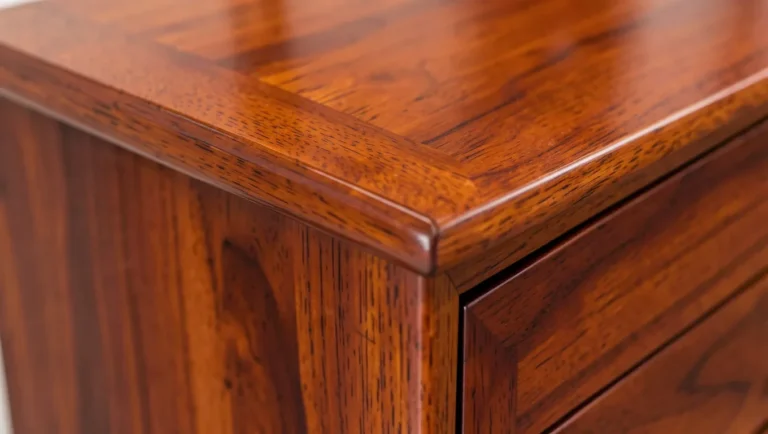
The word also appears as a color. In furniture listings, “fruitwood” often describes a warm, medium-brown finish with a reddish or golden cast, and the term does not by itself guarantee the piece is made of cherry, apple or pear. A tag that says “fruitwood finish” describes how the piece looks, and the wood underneath may be something else. If you are shopping, ask which species the frame and top are made from and whether the label refers to solid wood, veneer or stain color.
We cover how to tell real from look-alike in our guide to whether fruitwood furniture is good quality. For a broader map of woods, see the types of wood guide.
Working With Fruitwood
Cherry
The Wood Database calls black cherry one of the best all-around woods for workability: stable, straight-grained and easy to machine. Its one common problem is staining. It can turn blotchy, and the Wood Database recommends a sanding sealer before staining or a gel-based stain. Our comparison of gel stain and oil stain explains the difference. The same source reports that breathing black cherry sawdust has been associated with wheezing, so use dust collection and a mask.
Cherry also changes color. Freshly cut heartwood is light pinkish brown and darkens to a medium reddish brown with time and light, which is why stains on other hardwoods are often built to imitate aged cherry.
Apple, pear and plum
Apple is dense enough that it can burn when machined, so keep tools sharp and keep the cut moving, though it glues, stains, finishes and turns well. Pear is easy to work with hand and machine tools and finishes well. Plum glues, turns and finishes well but often has swirled grain, knots and other defects because the trees are small. For more on turning, see our page on turning apple wood.
On dust, the Wood Database reports no health reactions beyond the standard risks of wood dust for apple or pear. Standard precautions still apply: a mask and dust collection whenever you saw or sand.
Fruitwood for Smoking Food
Apple and cherry are also the classic smoking fruitwoods. Product listings for both describe a mild, sweet smoke, and cherry is often sold for the rich color it gives meat. Both are usually bought as chips or chunks rather than lumber, and both suit poultry and pork where heavy smoke would overpower the meat.
Whatever you burn, use only clean, untreated wood, never painted, stained or pressure-treated scraps, and follow your grill or smoker manual. Our guides to cooking with wild cherry wood, applewood as a hardwood and using wood chips in a smoker go into flavor and setup.
Fruitwood Claims Worth Dropping
An older version of this page repeated several claims that do not hold up. Here is what to use instead.
| Claim often repeated | What the sources support |
|---|---|
| Fruitwood is one wood with one color | It is a group. Heartwood ranges from pale pink (pear) to deep red-brown (apple), and Janka hardness runs from 950 to 1,730 lbf |
| Fruitwood is easy to buy as furniture lumber | Only cherry is in adequate supply. Apple is seldom lumber, and plum is not commercially available as lumber |
| Fruitwood is naturally rot resistant and outdoor safe | Apple and pear heartwood are rated non-durable for decay. Black cherry is very durable but is not typically used outdoors |
| Cooking with fruitwood has health benefits | No source supports this. Smoking wood adds flavor, not nutrition or digestion benefits |
| “Fruitwood” on a tag means the piece is fruit tree lumber | It can describe a finish color, so ask which species the piece is made from |
Quick Rules for Buying or Choosing Fruitwood
- Assume cherry for boards. Apple, pear and plum are usually small stock, turning blanks or veneer.
- Check the species, not the label. “Fruitwood” can be a finish color rather than a wood.
- Plan for movement in apple. Its 17.6% volumetric shrinkage is the highest of the group.
- Seal cherry before staining. Use a sanding sealer or gel stain to avoid blotching.
- Keep it indoors. Apple and pear heartwood are non-durable, and cherry is not typically used outside.
Frequently Asked Questions
What is fruitwood?
Fruitwood is the wood of fruit-bearing trees, mainly cherry, apple, pear and plum. It is a group of woods rather than one species, and the trees differ in size, hardness and how easily the lumber can be bought.
Is cherry a fruitwood?
Yes. Cherry is a fruit tree genus (Prunus), and it is the fruitwood most often seen as furniture lumber. Most American cherry lumber comes from black cherry (Prunus serotina), a timber species rated 950 lbf on the Janka scale, rather than from the sweet cherry trees grown for eating.
Is fruitwood harder than oak?
Apple (1,730 lbf), pear (1,660 lbf) and plum (1,550 lbf) are all harder than northern red oak at 1,220 lbf. Cherry is the exception at 950 lbf, which is softer than red oak.
Is walnut a fruitwood?
No. Black walnut (Juglans nigra) is a nut tree, and at 1,010 lbf it is close to cherry in hardness. Walnut is often compared with cherry, but it is not called a fruitwood.
Can you use fruitwood for smoking food?
Yes. Apple and cherry are widely sold as smoking chips and chunks, and product listings describe a mild, sweet smoke. Use only clean, untreated wood and follow your smoker or grill manual for amounts.
Is fruitwood good for outdoor projects?
Generally no. The Wood Database rates apple and pear heartwood as non-durable for decay. Black cherry heartwood is rated very durable but is not typically used outdoors, so keep fruitwood projects indoors or well finished.
Conclusion
Fruitwood is a family of woods from cherry, apple, pear and plum trees, not a single species. Cherry is the one you can actually buy as lumber, at 950 lbf, while apple (1,730 lbf), pear (1,660 lbf) and plum (1,550 lbf) are harder, scarcer and mostly used for small work. When you see the word on a furniture tag, treat it as a color hint until the seller names the species.
Sponsored / affiliate links. As an Amazon Associate I earn from qualifying purchases. I may earn additional commission from eligible campaigns.