Can MDF Primer Be Used on Wood?
Yes, MDF primer works fine on solid wood in most cases. Despite the name, most “MDF primer” products are just a standard high-build, stain-blocking primer that’s marketed toward MDF because MDF’s raw edges are so absorbent, not a chemically different formula that only bonds to fiberboard.
The real question isn’t whether it will stick to wood — almost any quality primer will. It’s whether that specific primer’s formulation (oil, water-based, or shellac) matches what the wood project actually needs, since that has more effect on the outcome than the “MDF” label on the can.
What “MDF Primer” Actually Means
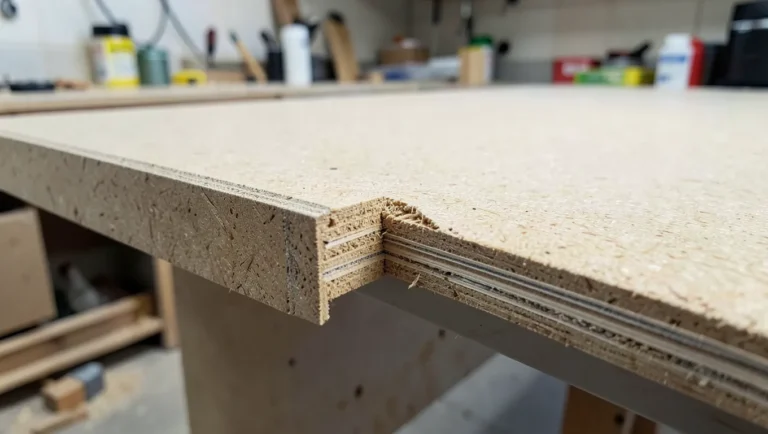
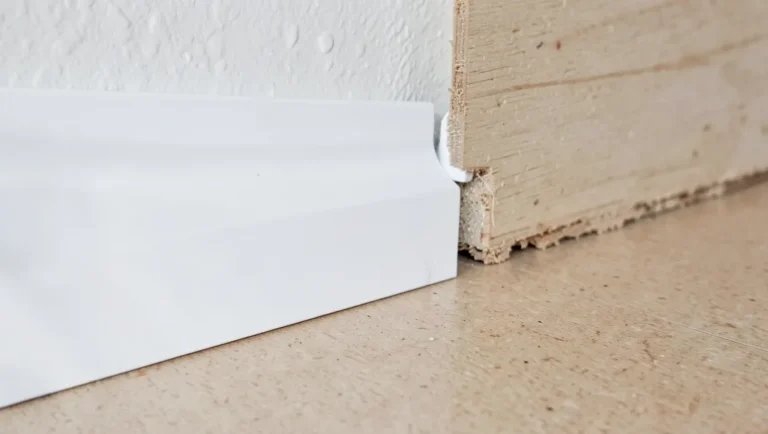
MDF is made of compressed wood fibers and resin with no natural grain, which makes its cut edges extremely absorbent — paint and even some primers can soak in unevenly and leave a blotchy, rough finish if the product isn’t built for high absorption. “MDF primer” is simply a primer formulated with enough solids and build to seal that absorbent edge in one or two coats. Nothing about that formulation makes it unsuitable for solid wood; if anything, a primer built to handle MDF’s worst-case absorption handles ordinary wood’s grain and porosity with room to spare.
Works on MDF and Solid Wood Alike
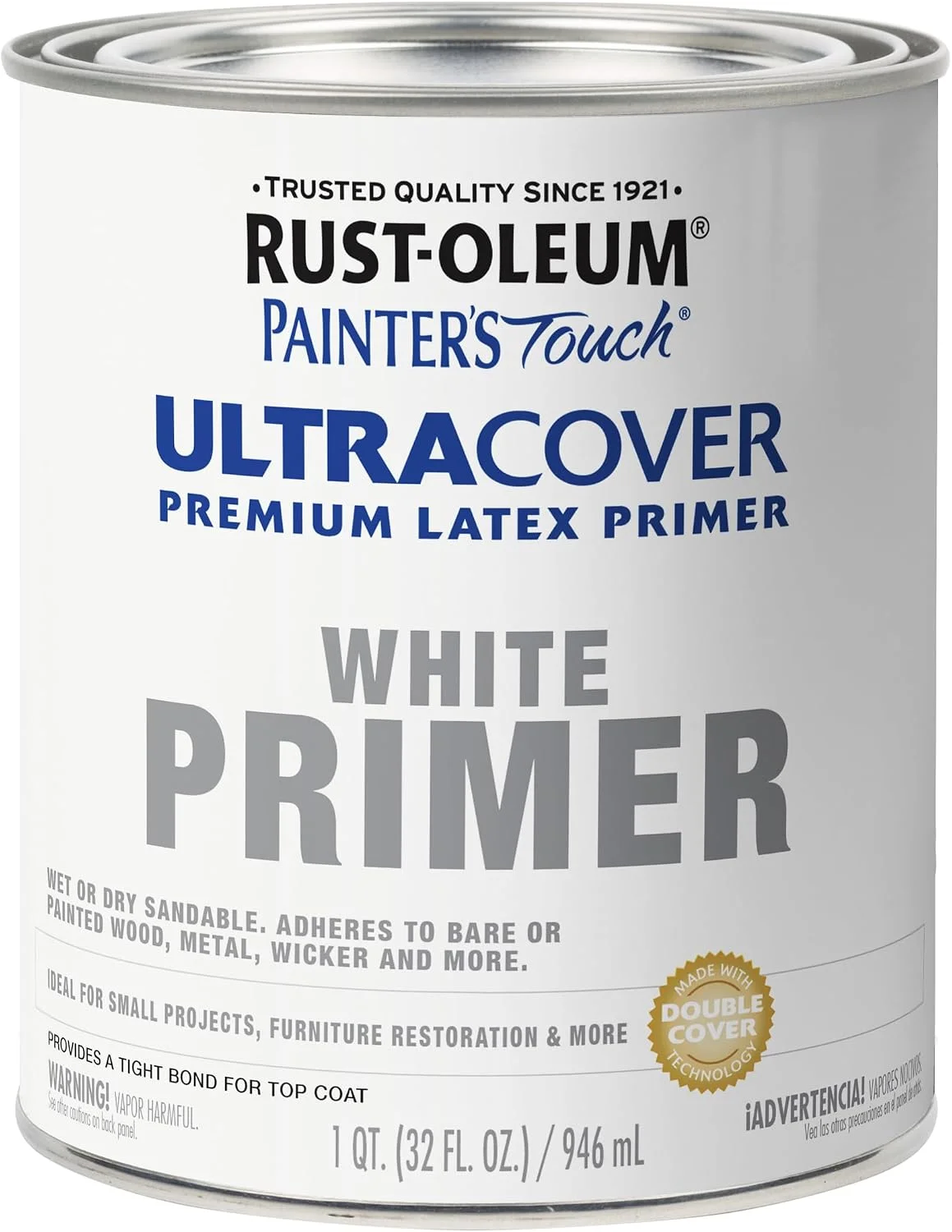 |
Rust-Oleum Painter’s Touch Flat White Primer – $16.98 A genuinely multi-surface formula rated for both bare wood and MDF, so it works whichever material a project actually uses.
|
When MDF Primer Is a Good Fit for Wood, and When It Isn’t
Where MDF primer genuinely does well on wood: interior furniture, cabinets, shelving, and trim, especially projects that already mix MDF and solid wood parts, since one primer covers both without switching products mid-job. It also handles new, unfinished wood well — sanded, clean, and dry is all it needs.
Where it’s the wrong choice: outdoor wood and anything exposed to real moisture cycles. Wood expands and contracts with humidity in a way rigid MDF never does, and a primer film that isn’t flexible enough to move with the wood will eventually crack or peel at the joints. If the MDF primer on hand doesn’t list exterior or flexible-film properties on the label, it’s worth switching to a dedicated exterior wood primer for anything outside. The other case to watch is heavy tannin bleed — cedar, redwood, and knotty pine can bleed through a primer that isn’t specifically a stain-blocking formula (shellac-based products like Zinsser B-I-N are the standard fix there), and not every MDF primer is built to block stains at that level.
MDF Primer vs. a Dedicated Wood Primer
Most of the time these overlap more than they differ, but a few real distinctions are worth knowing before assuming one is a drop-in replacement for the other.
| Factor | MDF Primer | Dedicated Wood Primer |
|---|---|---|
| Build/thickness | High-solids, seals absorbent edges in 1-2 coats | Varies by product, some are thinner |
| Stain-blocking (tannin/knots) | Not guaranteed unless labeled | Shellac-based options block tannin reliably |
| Exterior/flexible-film use | Usually interior-rated only | Dedicated exterior primers exist for this |
| Works on both MDF and wood | Yes | Depends on the specific product’s label |
How to Prime Wood With an MDF Primer
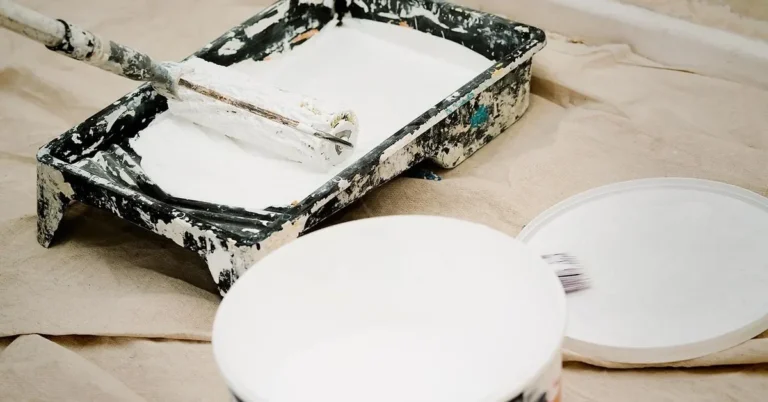
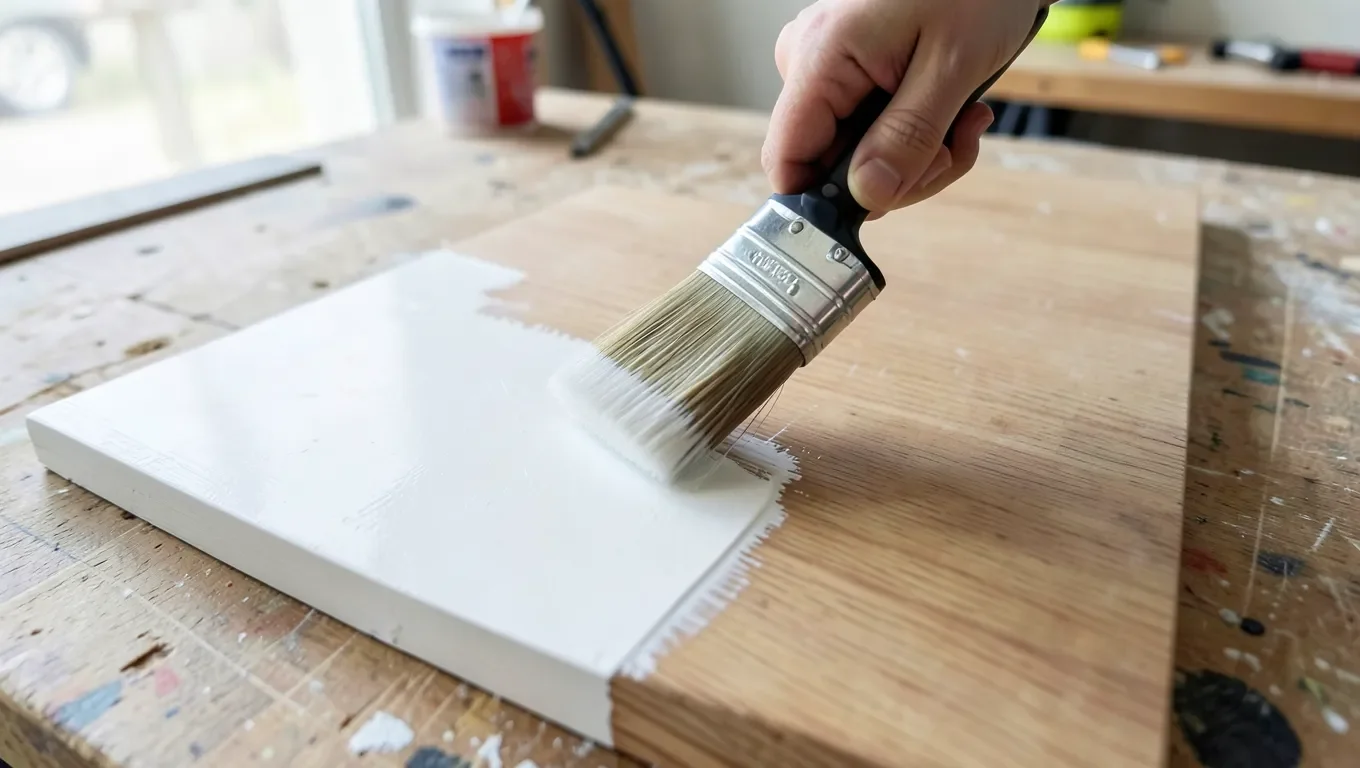
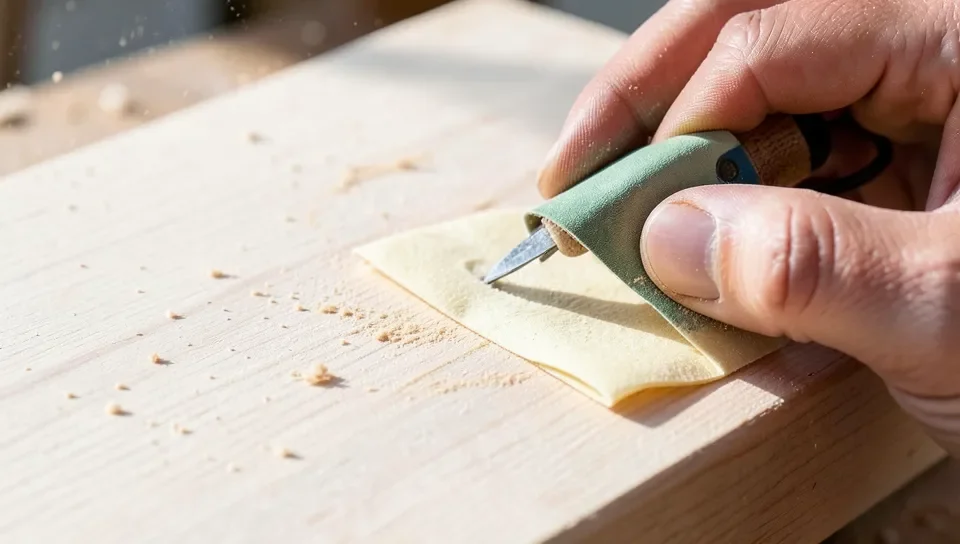
Clean the wood of dust and grease, then sand lightly to knock down the surface — this matters more on wood than MDF, since wood’s natural grain needs a bit of scuffing for the primer to grip evenly. Fill any holes or gaps with wood filler and sand it flush once dry. Apply the primer in thin, even coats with a brush or roller rather than one heavy coat, since a thick coat is what causes drips and slow, uneven drying. Let each coat dry fully, then sand lightly between coats with fine-grit paper before the topcoat goes on.
Frequently Asked Questions
Can I use MDF primer on ordinary wood?
Yes, you can use MDF primer on ordinary wood. It prepares the surface for paint and improves adhesion. Ensure the wood is clean and sanded before applying the primer for the best results. This helps achieve a smooth and durable finish, enhancing the wood’s appearance.
What is the difference between MDF primer and wood primer?
MDF primer is designed for medium-density fiberboard, providing a smooth base for paint. Wood primer seals wood pores, preventing moisture and enhancing paint adhesion. Both primers prepare surfaces for painting but cater to different materials, ensuring optimal results.
Can you use Leyland MDF primer on wood?
Yes, Leyland MDF primer can be used on wood surfaces. It prepares the wood for painting by ensuring better adhesion and a smoother finish. Ensure the wood is clean and dry before application for optimal results.
Can MDF primer be used on plywood?
Yes, MDF primer can be used on plywood. It helps seal and prepare the surface for painting. Always ensure the plywood is clean and dry before applying the primer. Using MDF primer enhances paint adhesion and finish quality on plywood surfaces.
Conclusion
MDF primer works on wood for the same reason it works on MDF: it’s usually just a well-built, high-solids primer, not a fiberboard-only formula. Use it freely on interior furniture, cabinets, and trim, but switch to a dedicated exterior or stain-blocking primer for anything going outside or dealing with heavy tannin, and the wood-specific prep — sand, fill, prime, sand again — still applies regardless of which primer’s on the can.
Sponsored / affiliate links. As an Amazon Associate I earn from qualifying purchases. I may earn additional commission from eligible campaigns.