MDF vs Melamine: Core Material vs Surface Finish Explained
MDF and melamine are not two competing boards. MDF is a fiber core, while melamine is a resin-impregnated paper surface fused onto a core that is usually particleboard but can be MDF. So the real choice is raw MDF you finish yourself versus a melamine-faced panel finished at the factory. This guide covers how they differ, which one fails first, and how to cut and finish each.
MDF vs Melamine: Core Material vs Surface Finish
| Best Melamine Blade Pick | |
 |
Freud LU80R010 10-Inch Ultimate Plywood and Melamine Blade
|
| As an Amazon Associate we earn from qualifying purchases. | |
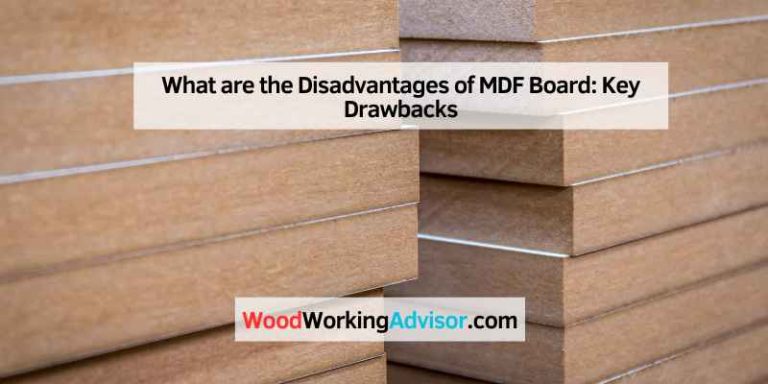
MDF is made from wood fibers pressed with resin and wax. According to the MDF reference on Wikipedia, a typical board is about 82% wood fiber, 9% urea-formaldehyde resin, 8% water, and 1% paraffin wax, with a density of roughly 500 to 1,000 kg/m3 (31 to 62 lb/cu ft). Standard MDF falls between 600 and 800 kg/m3. Because it has no grain, knots, or voids, it cuts and routes cleanly and takes paint evenly.
Melamine is a different kind of thing. Melamine resin is a thermosetting plastic, and for panels it is soaked into decorative paper that is laminated under heat and pressure onto a board. The industry calls this thermally fused laminate (TFL), and the Composite Panel Association lists TFL as a surface product category separate from the particleboard and MDF cores underneath. The melamine layer is only the skin, so a melamine board is only as good as the core under it.
The Myth That Causes Most Bad Purchases
Many shoppers treat melamine as a third board type alongside MDF and plywood. It is not. When a shelf label says “melamine,” ask what is under the face. Cheap flat-pack furniture and shelving boards are commonly particleboard, while some panels use an MDF core for a smoother edge. The two choices stack: you can have bare MDF, melamine over particleboard, or melamine over MDF.
How to Tell Which Core You Have
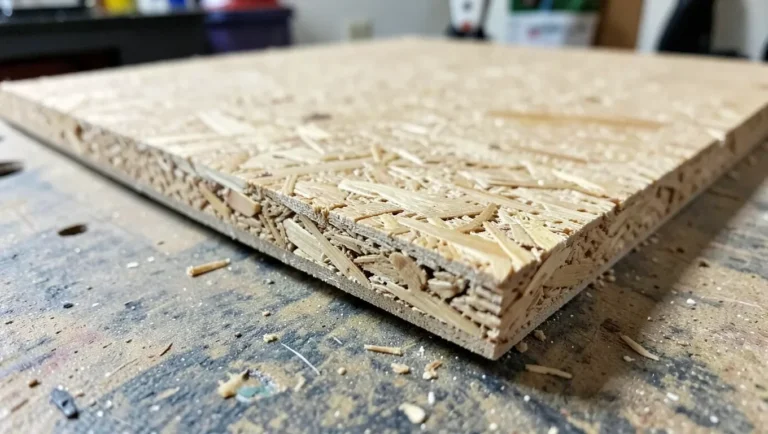
Look at a fresh cut edge. An MDF core looks like fine, uniform brown fiber, while a particleboard core shows visible chips and particles. If the edge is banded, check a cut end, a drilled hole, or the back of the panel where the core may be exposed. The core also decides how the panel behaves later, which is covered in our guide to particleboard types and grades.
| What you are buying | Raw MDF | Melamine on particleboard | Melamine on MDF |
|---|---|---|---|
| Surface | Bare fiber, sanded smooth | Resin-sealed decorative paper | Resin-sealed decorative paper |
| Cut edge | Fine, uniform fibers | Visible chips and particles | Fine, uniform fibers |
| Screw holding | Not compared in the research cited here | Tested higher than melamine-faced MDF | Tested lower than melamine-faced particleboard |
| Paint | Takes primer and paint well | Needs scuffing and bonding primer | Needs scuffing and bonding primer |
| Water at a bare edge | Swells | Swells | Swells |
| Typical use | Painted doors, trim, router work | Cabinet boxes, shelving, flat-pack | Shelves and doors that need a smoother edge |
Surface Finish and Painting
Raw MDF has a smooth face with no grain to telegraph through paint, which is why it is the usual choice for painted cabinet doors and routed profiles. Its cut edges are rougher and soak up primer, so they need an extra sealing coat. Our MDF pros and cons guide covers the strengths and weak points in more detail.

Melamine arrives finished in solid colors, wood-grain patterns, and textures, and the resin face resists scratches and household cleaners. The trade-off is that paint has little to grip. If you want to repaint it, clean the surface, scuff it lightly with about 220-grit paper (hard sanding can cut through the face), seal it with a bonding primer made for slick, non-porous surfaces such as Zinsser B-I-N or Kilz Adhesion, then apply two or three thin coats of cabinet paint. A standard primer on bare melamine is the most common reason the paint peels later.
Durability and Moisture Resistance
Melamine’s face is sealed, so spills wipe off without soaking in. That is its real moisture advantage, and it only applies to the face. The core is still wood fiber or wood chips, and a bare cut edge, a screw hole, or a worn banded corner wicks water straight into it. Once the core swells, the face cannot spring back, and the swelling shows up as bubbled edges.
MDF has no sealed face at all, so it is the more vulnerable of the two without paint. Primed and painted on every face and edge, it holds up well in dry rooms. For fastening, melamine-faced particleboard has tested higher in screw holding than melamine-faced MDF in published furniture research, and confirmat screws are the usual fastener for both. If you plan to join MDF, see the best ways to join MDF.
How to Cut Melamine Without Chipping
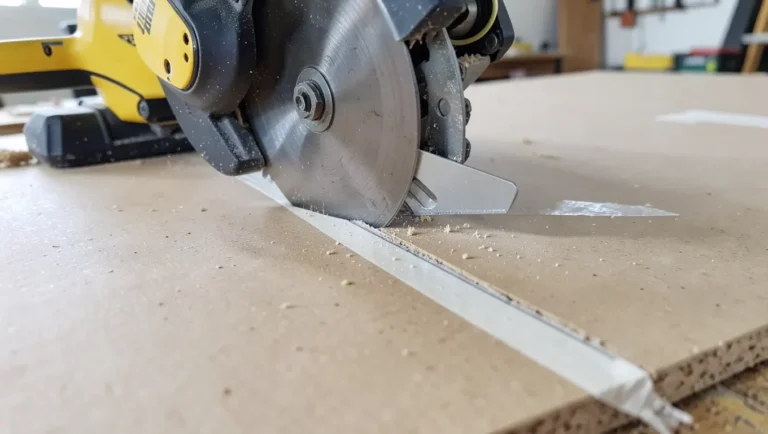
Resin laminate is brittle, so melamine chips along the cut line where the blade exits, and an ordinary blade makes this worse. These steps are the ones makers and panel suppliers consistently recommend:
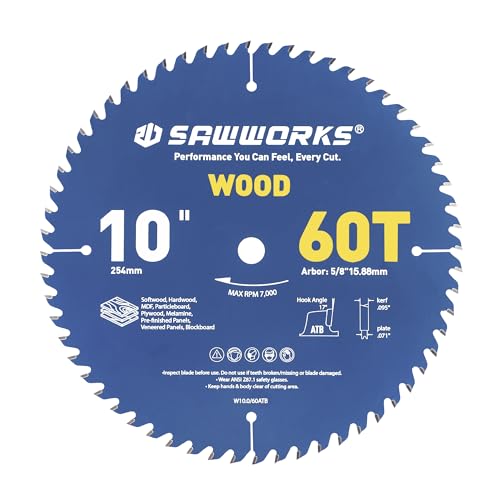
- Choose the right blade: use 60 or more teeth on a circular saw and 80 or more on a table saw, ideally a Hi-ATB or triple-chip grind made for laminates.
- Tape the cut line: put painter’s tape over the line, draw the line on the tape, and cut through it so the tape holds the surface fibers down.
- Score first: make a shallow first pass about 1/16 inch deep, then make the full-depth cut.
- Raise the blade only slightly: set it just above the board thickness to limit how many teeth contact the face.
- Back the cut: clamp a sacrificial board under the panel, and tape hole locations before drilling.
- Band the edge: cover cut edges with matching melamine edge banding and fill any small chips with melamine filler or a paint pen.
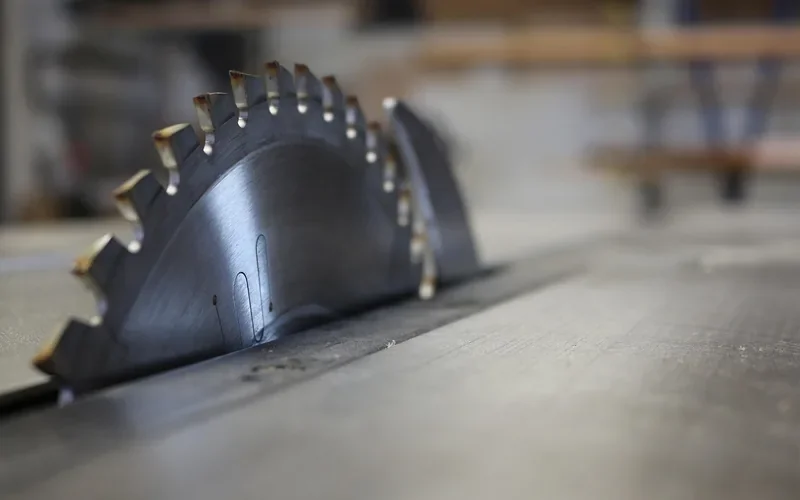
Raw MDF is easier on the cut but harder on the tool, because the glue-heavy fibers dull blades quickly. A sharp carbide blade, dust collection, and a respirator are worth having for either material. If a chipped or cut panel needs painting afterward, the same edge-sealing logic applies as in our particleboard painting guide.
Applications and Uses
Use melamine-faced panels where a wipe-clean finished surface matters and the edges can be banded: cabinet boxes, closet systems, shelving, and flat-pack furniture. Use raw MDF where you will prime and paint, route a profile, or want a very flat base for veneer: painted doors, trim, speaker boxes, and templates. For a deeper comparison of melamine cabinets with solid wood, read melamine cabinets vs wood, and if you are weighing MDF against its cheaper cousin, see MDF vs particleboard.
- Pick melamine: cabinet interiors, shelves, closets, office and flat-pack furniture.
- Pick raw MDF: painted cabinet doors, moulding, routed panels, jigs and templates.
- Pick neither: structural frames, outdoor use, and wet areas, where plywood or a solid material is the safer choice.
Cost Considerations
Panel prices change by region and thickness, so compare the same size sheets at your local supplier rather than trusting a fixed number. A melamine-faced panel usually costs more than a bare panel with the same core because the finish is already included. Raw MDF looks cheaper until you add primer, paint, and your own finishing time, and for large flat surfaces such as cabinet interiors the pre-finished panel is often the better value.
Environmental Impact and Formaldehyde
MDF uses urea-formaldehyde resin, and the Wikipedia MDF entry notes that products release formaldehyde for months after manufacture. Melamine-formaldehyde binds formaldehyde more tightly than urea-formaldehyde does, which is one reason a laminated face reduces emissions from the surface but not from raw cut edges. Look for panels certified under the TSCA Title VI formaldehyde rules that the Composite Panel Association lists for MDF and particleboard, or NAUF boards if you want no added urea-formaldehyde. Our manufactured wood overview explains how the other engineered boards compare.
Frequently Asked Questions
Which one is better, melamine or MDF?
Neither wins outright, because they do different jobs. Choose melamine-faced panels when you want a finished, wipe-clean surface straight from the saw, such as shelves and cabinet boxes. Choose raw MDF when you plan to prime and paint, or need routed profiles on doors and trim.
Is melamine the same as MDF?
No. MDF is a board made of wood fibers, wax, and resin. Melamine is a resin-treated paper surface that is fused onto a core, and that core is often particleboard but can be MDF. A panel sold as melamine MDF is both: an MDF core with a melamine face.
What are the disadvantages of melamine wood?
Melamine chips along cut lines unless you use a fine blade and support the cut, bare edges need banding, and the core swells if water reaches it. The surface is also hard to repaint without scuffing and a bonding primer, and a deep scratch or chip cannot be sanded out the way raw MDF can.
Can you paint melamine?
Yes, with prep. Clean it, scuff the surface lightly with about 220-grit paper without cutting through the face, apply a bonding primer made for slick surfaces, then use two or three thin coats of cabinet paint. Skipping the bonding primer is the usual reason paint peels.
What is better than MDF or melamine for strength?
Plywood. It holds screws better than either board and handles load better, which is why it is common for cabinet boxes and frames. MDF still wins for smooth painted surfaces, and melamine wins for a factory finish with no painting step.
Conclusion
Think of MDF as a core you finish yourself and melamine as a finish applied to a core. Pick raw MDF for paint and profiles, pick melamine-faced panels for fast, clean cabinet and shelf builds, and always check what core is under the melamine and how its edges will be sealed. Cut melamine with a fine blade, tape and score the line, and band every exposed edge.
Sponsored / affiliate links. As an Amazon Associate I earn from qualifying purchases. I may earn additional commission from eligible campaigns.