What is the Difference between Woodcut And Wood Engraving: Explained
Have you ever stood in awe before a piece of art, marveling at the intricate details carved into the wood? You might have wondered how such precision is achieved.
You may have heard of woodcut and wood engraving, but do you know what sets them apart? These two techniques may seem similar at first glance, but they offer different textures, depth, and artistic possibilities. Understanding the difference can change the way you appreciate the art you love.
Let’s dive into these fascinating methods and uncover the secrets that make each unique. Discover how artists use these techniques to tell stories and evoke emotions, and see how your newfound knowledge can transform the way you view and value art.
History Of Woodcut
Woodcut is an old art form. It started in China over 1,000 years ago. Artists used it to print on textiles and paper. Simple tools carved designs into wood. Early prints were often religious images. People loved seeing art in books and on walls. Woodcut spread to Europe in the 15th century. It was a popular way to make pictures. Artists used it to tell stories. Woodcut helped spread knowledge and art widely.
Woodcut art has changed much over the years. New techniques and tools improved the quality. Artists experimented with different styles. This made woodcut more detailed. In the 19th century, wood engraving became popular. It allowed for finer lines and shading. Artists now had more options. Woodcut remains a loved art form today. It inspires many modern artists. They continue to explore its possibilities.
Credit: www.fulltable.com
History Of Wood Engraving
Wood engraving started in the late 18th century. Artists began using harder woods for their work. Thomas Bewick was a famous wood engraver. He used boxwood for his engravings. This technique allowed for fine details in prints. Artists could create shaded areas and texture. Wood engraving became popular for book illustrations. It made prints look more detailed.
Printmaking improved with wood engraving. Artists could make better images. They used special tools called burins. Burins helped make thin lines and precise cuts. This technique offered more control over the design. Printing presses spread these detailed images. Artists used wood engraving for newspapers and magazines. It allowed for mass production of art. Wood engraving was important for visual communication. It helped share stories and information widely.
Materials Used
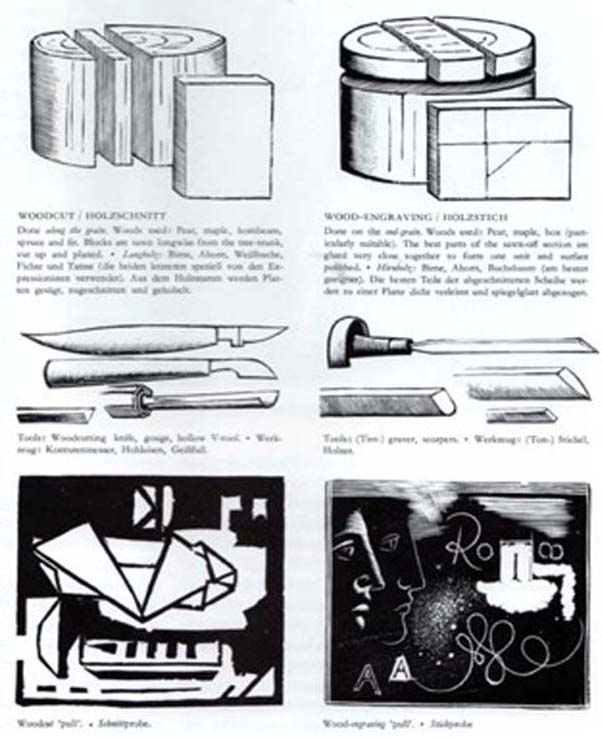
Woodcut uses soft woods like pine or basswood. These woods are easier to carve. They have a grain that helps create unique patterns. Wood engraving uses hard woods like boxwood. This type of wood is denser and allows for more detail. The choice of wood affects the final artwork. Softer woods can show bold, simple designs. Harder woods can show intricate, fine details.
Different tools are used for woodcut and wood engraving. Woodcut artists often use knives and chisels. These tools help carve out the design. Wood engraving artists use burins. A burin is a special tool for detailed work. The tools must be sharp for clean lines. A sharp tool makes the work easier. The right tools help create beautiful art.

Credit: www.caskieprints.com
Technique Differences
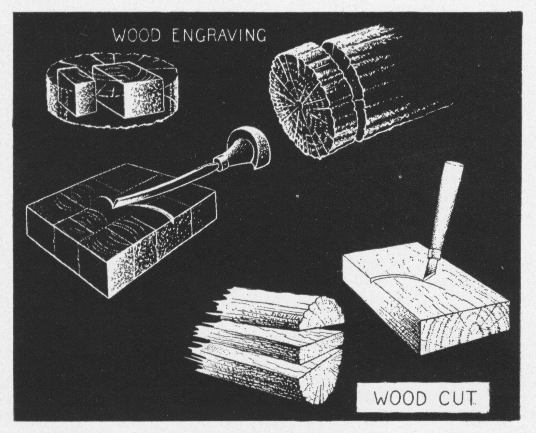
Woodcut uses the flat surface of the wood. The grain is usually visible. Wood engraving, however, uses the end grain. This makes the surface smoother. Both methods use different tools. Woodcut tools are simple. Engraving tools are finer and sharper. Each technique has a unique look. The grain affects the final image.
In woodcut, artists use knives and gouges. These tools remove parts of the wood. Large areas are cut away. This creates bold and strong lines. Wood engraving uses burins, which are special tools. They make tiny, detailed cuts. Artists can create very fine lines. This adds depth and detail. Woodcut and engraving are both art forms. Each has its own style and beauty.
Artistic Styles
Woodcutart uses bold lines. It often shows dramatic contrasts. Artists carve on soft wood. The designs are usually simple. Wood Engravinguses fine, detailed lines. It often looks more intricate. Artists carve on hard wood. This allows for more precision. Both styles have unique beauty.
Woodcutart influenced many styles. It was popular in expressionism. Artists loved its bold look. Wood Engravingshaped realism. It allowed for detailed scenes. Both methods impacted printmaking. Artists still use them today. Each style tells its own story.

Credit: www.caskieprints.com
Applications In Modern Art
Woodcut art is popular in many art galleries. It shows the beautyof nature. Many artists use it to tell stories. They create simple but powerful images. These images can be very colorful. They often have bold lines. This style is unique. It is easy to recognize.
Wood engraving is used in digital art. It adds a classictouch. Many digital artists use it for texture. It can make images look more real. This art is also used in book covers. It makes them look special. Videos sometimes use this style. It adds depth and detail.
Notable Artists
Albrecht Dürer is a well-known woodcut artist. His works are detailed and famous. He used wood to make art in the 1500s. Another artist is Katsushika Hokusai. He made the Great Wave print. People love his art. He was from Japan. Edvard Munch also used woodcuts. He made the Scream artwork. His style is unique and bold.
Thomas Bewick is a renowned wood engraver. He is known for his book illustrations. His prints were very detailed. Another engraver is Eric Gill. He worked on lettering and designs. His engravings are admired by many. Gustave Doré was also famous. His engravings were used in books. They show scenes with great detail.
Collecting And Preservation
Woodcuts and wood engravings differ in technique and detail. Woodcuts use softwood and broad, bold lines. Wood engravings involve hardwood and fine, intricate lines. Both create unique artistic expressions on wood.
Care And Maintenance
Art lovers treasure woodcuts and wood engravings. These artworks need special care. Keep them away from direct sunlight. Sunlight can fade colors. Humidity can damage them too. Use a cool, dry place for storage. Handle the prints with clean hands. Oils from skin can leave marks. Consider using gloves for extra protection. Framing under glass is a good idea. It keeps dirt and dust away. Avoid placing near heat sources. Heat can warp the wood. Regular checks help spot damage early. Careful maintenance keeps the art beautiful.
Market Value
Woodcuts and wood engravings have different market values. Woodcuts are often older. This can make them more valuable. But not always. Famous artists’ works fetch high prices. Engravings can be less expensive. Yet some are rare and valuable. The condition affects the price. Well-preserved pieces are worth more. Historical significance also matters. Collectors look for unique stories. Popularity of the artist plays a role. More famous means more value. Prices can vary widely. Always research before buying or selling. Knowing the market helps make wise decisions.
Frequently Asked Questions
What Are The Main Tools Used In Woodcut?
Woodcut primarily uses knives and chisels for carving. These tools are simpler compared to those used in wood engraving. The artist cuts along the grain of the wood, creating bold and expressive designs. This technique is ideal for producing striking, high-contrast images.
How Does Wood Engraving Differ From Woodcut?
Wood engraving uses a finer, end-grain wood block. Artists use tools like burins to achieve detailed imagery. This allows for intricate designs and delicate lines. The engraving process is more precise, offering a different artistic effect than woodcut.
Which Technique Offers More Detail, Woodcut Or Wood Engraving?
Wood engraving offers more detail due to its fine tools. The use of end-grain blocks allows for intricate designs. Artists can achieve delicate and precise lines, unlike the bolder designs of woodcuts.
Are Woodcut And Wood Engraving Used In Modern Art?
Yes, both techniques are used in modern art. Artists appreciate their unique aesthetics and traditional charm. They are often employed in printmaking, offering diverse artistic expressions.
Conclusion
Understanding the distinction between woodcut and wood engraving enriches your art knowledge. Both techniques use wood but differ in tools and detail. Woodcuts use knives and chisels on softwood. They create bold, expressive images. Wood engravings use fine tools on hardwood.
They allow detailed, intricate designs. Artists choose based on desired effect and style. Knowing these differences helps in appreciating art’s complexity. Whether bold or detailed, both forms offer unique beauty. Explore more art forms to deepen your appreciation. Art is a journey worth taking, with each technique offering new insights.