What Is the Meaning of Cedar Bark: Essential Guide
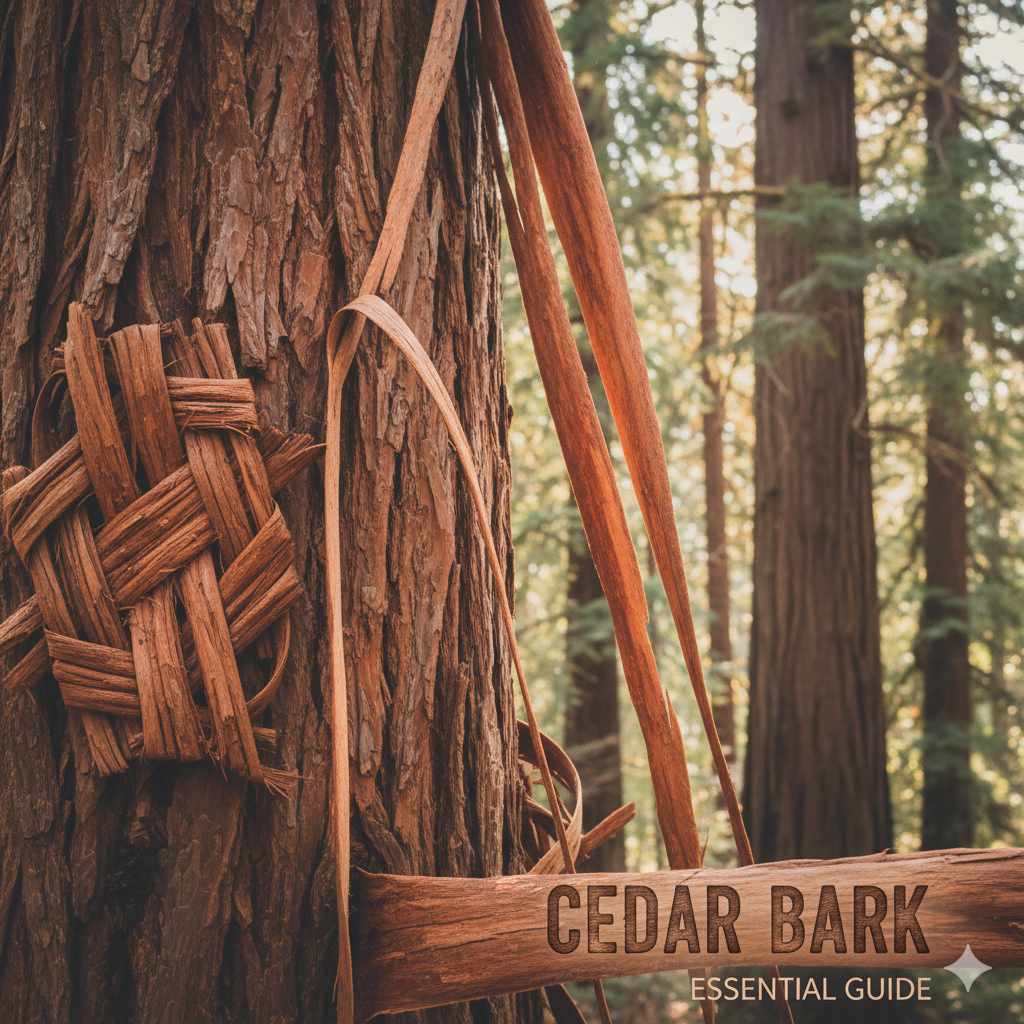
Cedar bark is the protective outer layer of cedar trees, known for its unique texture, natural resilience, and historical use in crafts and construction. It’s valued for its aromatic properties and surprisingly durable nature, making it a fascinating material for both aesthetic and functional purposes.
Cedar trees stand tall and majestic, and a significant part of their story is found in their bark. For many, the term “cedar bark” might conjure up images of rustic crafts or the faint, pleasant scent of a cedar chest. But what exactly is cedar bark’s true meaning, beyond these common associations? As your woodworking mentor, Md Meraj, I’m here to guide you through this often-overlooked natural material. You’ll discover its practical uses, understand why it’s so special, and learn how you can appreciate its role in everything from ancient traditions to modern DIY projects. Get ready to explore the wonderful world of cedar bark!
Understanding Cedar Bark: More Than Just Outer Layer
When we talk about what cedar bark means, we’re really exploring its identity and purpose. It’s not just the tree’s skin; it’s a complex, living part of the tree that provides protection and support. Unlike the smooth, uniform bark of some trees, cedar bark is often characterized by its fibrous, sometimes shaggy or deeply furrowed appearance, depending on the specific cedar species. This texture isn’t just for looks; it plays a vital role in the tree’s survival.
The Natural Protection System
Think of cedar bark as nature’s advanced armor. Its primary functions are to shield the living wood beneath from:
Environmental Stress: It acts as a barrier against harsh weather, including extreme temperatures, strong winds, and excessive sunlight, which can dry out or damage the tree’s inner core.
Pests and Diseases: The bark often contains natural compounds that deter insects and prevent fungal infections, helping the tree stay healthy and strong.
Moisture Regulation: It helps manage water levels, preventing the tree from becoming too dry or waterlogged, especially during prolonged wet or drought periods.
Unique Characteristics of Cedar Bark
What makes cedar bark stand out are its distinct traits:
Fibrous Structure: Many cedar barks, especially those from Western Red Cedar, are composed of long, strong fibers. This makes them flexible yet incredibly durable once processed.
Aromatic Qualities: The pleasant, distinctive scent of cedar is largely attributed to the oils within its bark and wood. This aroma is not only appealing to us but also serves as a natural insect repellent.
Resilience and Durability: Despite its fibrous nature, cedar bark is remarkably resistant to rot and decay. This natural durability is why it has been a favoured material for centuries.
Color Variations: Depending on the species, cedar bark can range in color from a reddish-brown to a greyish-brown, often with lighter tones underneath.
A Journey Through Time: Historical and Cultural Significance
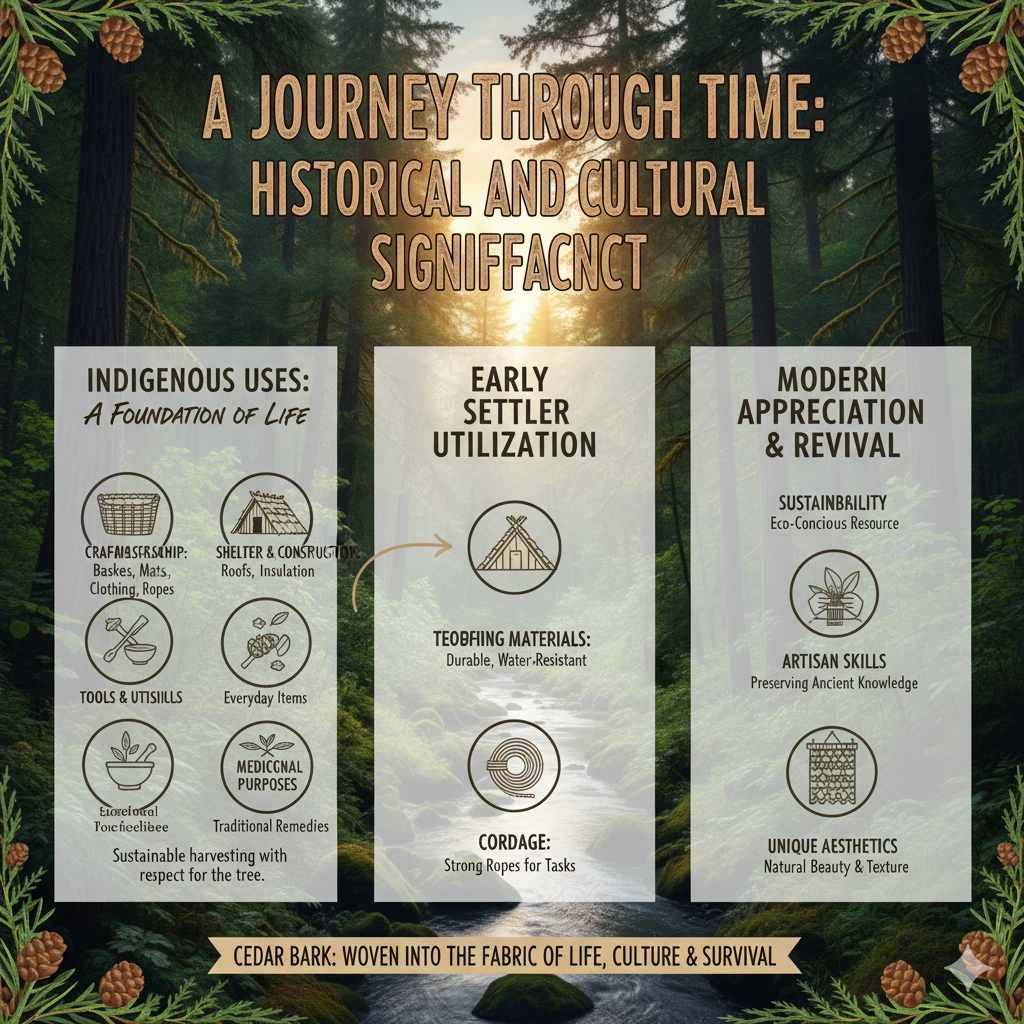
The meaning of cedar bark extends far beyond its biological function. For countless generations, indigenous peoples and early settlers have recognized and utilized its unique properties. This material has been intrinsically woven into the fabric of life, culture, and survival.
Indigenous Uses: A Foundation of Life
Across North America, many indigenous cultures have a deep, spiritual, and utilitarian connection to cedar trees and their bark. It was a cornerstone resource for:
Craftsmanship: Cedar bark was (and in some communities, still is) a primary material for weaving. Skilled artisans crafted intricate baskets, mats, clothing, ropes, and even ceremonial items. The long, pliable fibers could be processed into strong threads and yarns.
Shelter and Construction: Strips of bark were used to cover roofs, insulate dwellings, and create waterproof barriers, demonstrating its effectiveness even in complex structures.
Tools and Utensils: Certain parts of the bark or specialized preparations were used to create functional items for everyday use.
Medicinal Purposes: Traditional healers sometimes used specific preparations of cedar bark for their perceived medicinal properties.
The careful harvesting and processing of cedar bark by indigenous peoples were often done with great respect for the tree, ensuring its continued health and availability. This sustainable relationship underscores a profound understanding of nature.
Early Settler Utilization
European settlers, observing the resourcefulness of indigenous peoples, also adopted cedar bark for various practical purposes. They found its natural resistance to decay invaluable for:
Temporary Shelters: Quick and effective shelter could be erected using bark strips.
Roofing Materials: Just as indigenous peoples did, settlers used bark for durable, water-resistant roofing before more conventional materials became widespread.
Cordage: The ability to create strong ropes from cedar bark was essential for many tasks.
Modern Appreciation and Revival
Today, there’s a growing appreciation for traditional crafts and sustainable materials. This has led to a revival of cedar bark weaving and other uses. This renewed interest highlights:
Sustainability: Using natural, renewable resources like cedar bark aligns with eco-conscious values.
Artisan Skills: The intricate art of cedar bark weaving is being preserved and taught, connecting modern generations with ancient knowledge.
Unique Aesthetics: The natural beauty and texture of cedar bark offer a distinct appeal in crafts and some decorative applications.
Practical Applications of Cedar Bark Today
While not as common in large-scale construction as it once was, cedar bark still holds significant value in specific applications, particularly in craft, restoration, and specialized uses. Its reputation for durability and natural beauty makes it a sought-after material for those who appreciate its unique qualities.
Crafting and Artistic Endeavors
This is where cedar bark truly shines for hobbyists and artisans today. Its fibrous nature makes it ideal for:
Weaving: Creating baskets, decorative wall hangings, small pouches, and even jewelry. The process involves carefully preparing the bark by soaking and splitting it into fine strands.
Decorative Accents: Incorporating pieces of cedar bark into mixed-media art, wreaths, or natural home decor.
Textile Art: Some artists explore using cedar bark fibers in spinning and weaving textiles, similar to wool or cotton but with a unique, natural feel.
Restoration and Traditional Building
In historical building restoration, authentic materials are often key. Cedar bark can be used for:
Period-Accurate Roofing: For historic structures that originally featured bark roofs, using cedar bark (or appropriate modern simulations guided by historical research) maintains authenticity.
Decorative Overlays: In some architectural designs, cedar bark can be used as a decorative siding or overlay, adding rustic charm and natural texture.
Landscaping and Gardening
While less common than using cedar wood for mulch, processed cedar bark can offer some benefits:
Natural Mulch: It can provide a natural, aesthetically pleasing mulch layer for gardens, helping retain moisture and suppress weeds. However, it’s important to ensure it’s sourced sustainably and doesn’t contain harmful chemicals.
Composting: Cedar bark can be composted, though its natural oils might mean it decomposes more slowly than other organic materials.
Aromatic Uses
The inherent scent of cedar is a significant part of its appeal.
Sachets and Potpourri: Dried cedar bark pieces can be used in sachets or potpourri to impart their fresh, clean scent and act as a natural moth repellent in closets and drawers.
Important Considerations for Use
Before you start working with cedar bark, remember a few key points:
Sustainability: Always source cedar bark responsibly. Look for suppliers who harvest sustainably or use bark from downed trees. Harvesting bark from living trees can harm or kill them. Reputable sources often adhere to Forest Stewardship Council (FSC) guidelines or similar ecological certifications.
Preparation: Raw cedar bark often needs preparation, like soaking and splitting, before it can be used for weaving or crafting. This is a skill in itself.
Durability: While nature-resistant, prolonged exposure to extreme dampness can still lead to decay. For outdoor use, consider its limitations.
How to Identify Cedar Bark
Knowing how to identify cedar bark can be helpful if you’re foraging or simply want to appreciate different tree species. While specific characteristics vary by species (like Western Red Cedar, Eastern White Cedar, or Incense Cedar), here are some general features to look for:
Visual Clues
Texture: This is often the most telling sign. Cedar bark is typically fibrous. It can be stringy, shaggy, or deeply grooved, often peeling off in long strips. Compare this to the smoother bark of a birch or the very rough, blocky bark of an oak.
Color: The exterior bark is usually reddish-brown or grayish-brown. When you peel back a strip, the inner bark might reveal lighter, often yellowish or pale brown tones.
Growth Pattern: Look at how the bark grows on the tree. For example, Western Red Cedar (Thuja plicata) often has vertically oriented, fibrous strips that can be quite long.
Olfactory Clues (The Scent)
Aroma: Gently scrape or crush a small piece of bark (if permissible and safe for the tree). The characteristic sweet, clean, woodsy scent of cedar is a strong indicator. This scent comes from naturally occurring oils.
Location and Associated Growth
Habitat: Cedar trees Thuja species, for example) often grow in specific environments. Western Red Cedar, a common source of useful bark, thrives in moist, cool climates, often in Western North America. Understanding the typical growing regions of different cedars can help narrow down identification.
Leaf Shape: While not bark itself, the foliage is a key identifier. Cedar leaves are typically scale-like or awl-shaped, growing in flat sprays or whorls, not needle-like like a pine.
Tools for Identification
If you’re serious about identifying trees, consider:
Field Guides: Invest in a good tree identification guide for your region that includes detailed descriptions and illustrations of bark and foliage.
Mobile Apps: Several reputable tree identification apps can help you by analyzing photos of leaves and bark.
Local Experts: Connecting with park rangers, arborists, or local nature centers can provide invaluable hands-on learning.
A Note on Safety and Ethics: When identifying trees in the wild, never damage a living tree unnecessarily. For harvesting, always ensure you have permission and follow sustainable practices. Harvesting bark from living trees should be avoided unless done by trained individuals for specific cultural or ecological reasons, as it can severely harm or kill the tree. For DIY projects, it’s best to source bark from fallen trees or reputable suppliers.
Working with Cedar Bark: Essential Techniques
If you’re inspired to try working with cedar bark, you’ll find it a rewarding experience. The key is proper preparation and a bit of patience, much like any woodworking project. Here’s a basic overview of how to get started.
Harvesting and Sourcing
From Fallen Trees: The safest and most ethical way to get bark is from trees that have already fallen due to natural causes. Look for large, sturdy trees that appear sound.
Purchasing: Many specialty craft stores or online retailers offer prepared cedar bark for sale. This is a good option if you don’t have access to fallen trees.
Permits: If you plan to harvest from public lands, always check for permit requirements.
Preparation Steps
The preparation process can vary, but here’s a general guide:
1. Cleaning: Remove any dirt, moss, or loose debris from the bark. A stiff brush can be helpful.
2. Soaking: For many types of cedar bark, especially for weaving, soaking is crucial to make it pliable. Submerge the bark in water for several hours or even overnight. The exact time depends on how dry the bark is and the thickness of the strips.
3. Splitting: Once softened, the bark can be carefully split into thinner strips. For weaving, you’ll want to aim for consistent widths. You might need to gently pull or even use a knife to guide the splitting process.
4. Drying (if needed): If you’re not using the bark immediately for weaving, you might need to dry it. Lay the strips flat in a well-ventilated area, avoiding direct sunlight which can make it brittle.
Basic Weaving Techniques
Weaving with cedar bark is an ancient art. Here are some foundational concepts:
Weft and Warp: Like many weaving forms, cedar bark uses warp (vertical) and weft (horizontal) elements. You can create a frame or use pre-existing structures as your warp.
Over-Under Stitch: The most basic weave involves passing the weft strand over one warp and under the next, then reversing the pattern with the following warp.
Coiling: Another technique involves coiling long, flexible strips of bark, stitching them together as you go to form three-dimensional shapes like baskets.
Tools You Might Need
Sharp Knife or Craft Blade: For trimming and potentially guiding splits. (Always use with extreme caution and a cutting mat.)
Stiff Brush: For cleaning.
Bucket or Tub: For soaking.
Scissors or Pruning Shears: For cutting dried bark into manageable pieces.
Awl or Needle: For stitching and guiding fibers in some techniques.
Safety First: Always be mindful of sharp tools. If working around a workshop, wear safety glasses. When handling natural materials, be aware of potential splinters.
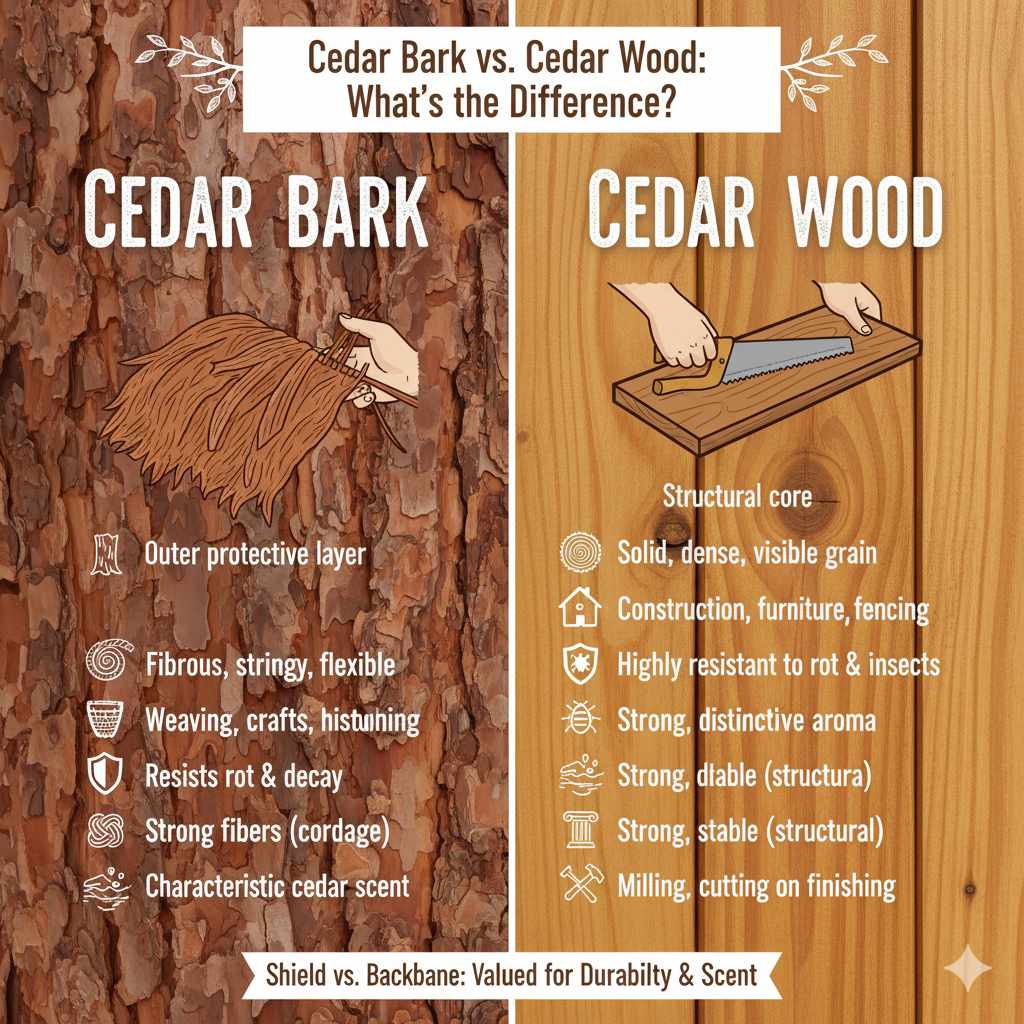
Cedar Bark vs. Cedar Wood: What’s the Difference?
It’s easy to get cedar bark and cedar wood mixed up, but they are distinct parts of the tree with different properties and uses. Understanding this difference is crucial for appreciating the tree as a whole.
| Feature | Cedar Bark | Cedar Wood |
| :————- | :————————————————– | :———————————————————— |
| Location | The outer protective layer of the tree trunk/branches. | The structural core of the tree beneath the bark. |
| Texture | Fibrous, stringy, shaggy, or deeply grooved; flexible when prepared. | Solid, dense, typically with visible grain patterns; can be smooth or have natural texture. |
| Primary Use | Weaving, crafts, historical roofing, insulation, cordage. | Construction, furniture making, paneling, fencing, outdoor structures, aromatic chests. |
| Durability | Resists rot and decay due to natural oils; can be brittle when dry if not prepared. | Highly resistant to rot, decay, and insects due to natural oils. |
| Strength | Fibers can be strong when processed for cordage/weaving, but not structurally load-bearing. | Strong and stable, suitable for structural applications. |
| Aroma | Possesses the characteristic cedar scent. | Known for its strong, distinctive aromatic qualities. |
| Processing | Requires soaking, splitting, and careful manipulation, especially for crafts. | Requires milling, cutting, sanding, and finishing for woodworking. |
Essentially, cedar bark is the tree’s natural shield, prepared through specific processes for flexible, lighter applications. Cedar wood is the tree’s backbone, providing stability and strength for construction and furniture. Both are valuable and contribute to cedar’s overall reputation for durability and pleasant scent.
Frequently Asked Questions About Cedar Bark
Here are some common questions beginners have about cedar bark:
Q1: Is cedar bark safe to handle?
Yes, generally, cedar bark is safe to handle. Some people might have mild skin sensitivities to the natural oils, but widespread allergic reactions are rare. As with any natural material, be cautious of splinters, especially when working with dried, un-prepared bark.
Q2: How do I stop insects from eating my cedar bark crafts?
Cedar bark’s natural oils are already a deterrent for many insects, particularly moths. If you’re concerned, storing your crafts with a few pieces of dried cedar bark (like in a closet or drawer) can enhance this effect. For outdoor applications, the bark’s natural resistance is usually sufficient, but prolonged dampness should still be managed.
Q3: Can I use cedar bark for anything structural in building?
No, cedar bark is not suitable for structural load-bearing elements in building. While durable and rot-resistant, its fibrous nature doesn’t provide the rigidity or strength needed for framing or support. It’s best suited for decorative, insulating, or crafting purposes.
Q4: What’s the best way to store raw cedar bark?
Store raw cedar bark in a cool, dry place away from direct sunlight. If it’s very dry, it can become brittle. If it’s damp, it could potentially develop mold. Some people store it loosely bundled or in breathable bags. If you’ve already soaked it for preparation, you’ll want to work with it relatively soon or dry it properly.
Q5: Why does cedar bark smell so good, and does the smell last?
The characteristic aroma comes from natural oils called terpenes, like thujaplicins. These oils also contribute to cedar’s resistance to decay and insects. The scent is quite long-lasting, especially in enclosed spaces or if the bark isn’t constantly exposed to moisture and sunlight, which can dissipate the oils over time.
Q6: Is it hard to weave with cedar bark?
Weaving with cedar bark has a learning curve, but it’s very achievable for beginners with patience. The preparation (soaking and splitting) is as important as the weaving itself. Many communities offer workshops, and there are numerous online tutorials that can guide you through the basic stitches and techniques. It requires a gentle, controlled touch.
Q7: Are all cedar barks suitable for crafting?
While most cedar barks have fibrous qualities, some species are much better suited for traditional crafts like weaving. Western Red Cedar (Thuja plicata) is particularly renowned for its long, strong, and easily separable bark fibers. Species like Eastern White Cedar (Thuja occidentalis) are also used. It’s best to research the specific cedar species in your area or available from suppliers to understand its suitability for your intended project. Not all cedars have bark that easily separates into usable weaving fibers.