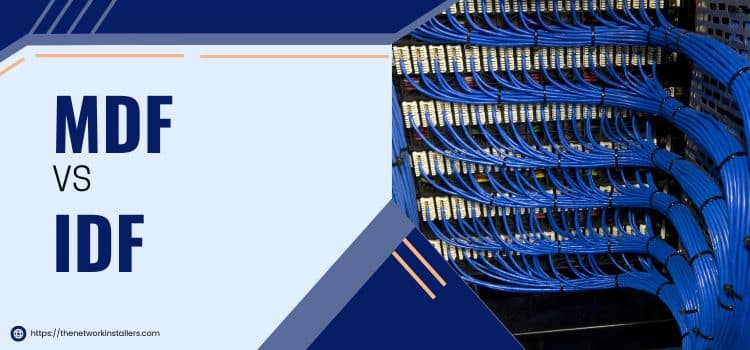
What is the Meaning of MDF in Telecommunication: Explained
Have you ever wondered what the term “MDF” means in the world of telecommunication? If you’re diving into this field, understanding the role and significance of the Main Distribution Frame (MDF) is essential.
Imagine navigating through a city without knowing the main roads; it would be confusing, right? Similarly, grasping the concept of MDF is like having a map that leads you directly to the heart of telecommunication infrastructure. By the end of this article, you’ll not only know what MDF stands for but also why it’s pivotal in ensuring seamless communication.
So, if you’re ready to uncover the mystery behind MDF and its crucial function, keep reading. This knowledge could be your key to mastering telecommunication concepts and elevating your understanding to the next level.
MDF In Telecommunication
MDF stands for Main Distribution Frame. It is a vital part of telecommunication systems. MDF connects customer lines to central switching systems. It helps in managing telephone connections and signals. MDF is usually located in a central office. This location makes service and maintenance easier.
MDF serves as a hub for communication lines. It organizes and routes calls efficiently. MDF also protects connections from external damage. Technicians use MDF to test and repair lines. This ensures smooth communication services.
MDF includes various components. These are wire terminals and connection blocks. They support easy linking and unlinking of lines. MDF systems can be complex but are essential. They ensure reliable and fast communication.
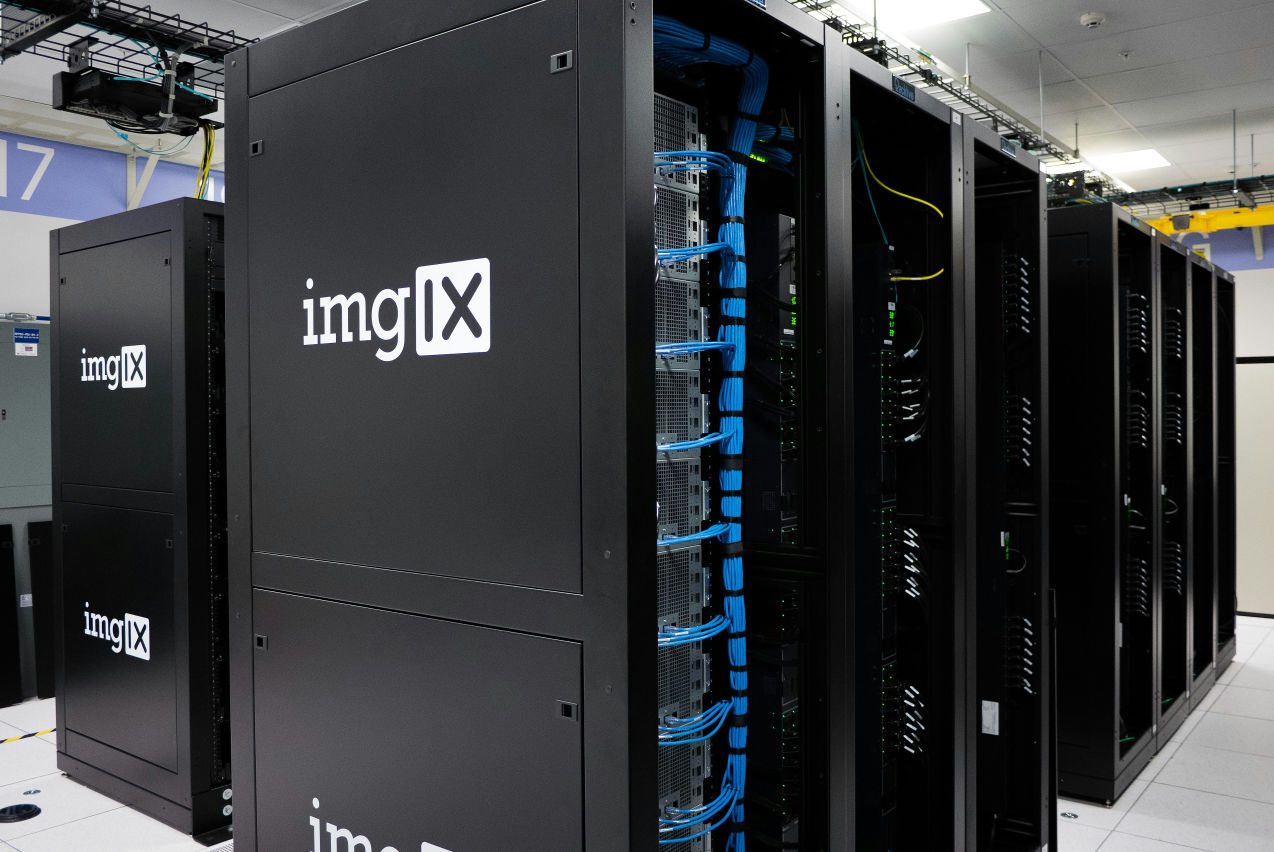
Credit: www.redzonetech.net
Role Of MDF
MDF stands for Main Distribution Frame. It is essential in phone systems. It connects outside phone lines to internal networks. Think of it as a big switchboard. It helps in organizing connections neatly. This makes it easy to maintain and manage. Technicians use MDF to fix phone problems. It is the central hub for all connections. Without MDF, organizing phone lines would be hard. MDF keeps everything tidy and in order. It is a key part of telecommunication systems. Easy to understand and efficient.
MDF Components
Jumper wires are short wires. They connect different circuit points. These wires make connections in telecommunication systems. They are easy to use. Technicians use them daily. Jumper wires are flexible. They come in different colors. Colors help in identifying. Each wire has a specific purpose. They ensure smooth signal flow. Without them, communication would be hard.
Terminal blocks are crucial in telecom. They hold and organize wires. Each block has several terminals. Terminals connect various wires. This keeps everything neat. It also prevents tangling. Terminal blocks are made from strong materials. They last a long time. Safe and durable for use. They ensure stable connections. Every telecom setup needs them.
MDF Vs IDF
MDF stands for Main Distribution Frame. It is a key part of telecommunication systems. MDF is like a big box of wires. It connects outside lines to inside lines. It is usually found in a central place. This makes it easy to control and manage.
IDF stands for Intermediate Distribution Frame. This is another important part. It connects to the MDF. IDFs are smaller than MDFs. They spread across different floors or areas. This helps in organizing the cables. It also makes fixing things easier.
Both MDF and IDF help in connecting many devices. They keep the network running smoothly. Without them, communication would be hard. They are like the backbone of telecommunication.
Importance In Network Management
MDF stands for Main Distribution Frame. It plays a vital role in telecom systems. Every network uses MDF to organize and manage connections. MDF acts as the central hub. It connects external lines to internal networks. It ensures that data flows smoothly. Without MDF, networks would be chaotic. Communication would be difficult and unreliable. MDF helps in troubleshooting network issues. It identifies problems quickly. This saves time and resources. MDF is essential for network maintenance. It allows easy updates and changes. Professionals rely on MDF for efficient network management.

Credit: www.101labs.net
MDF Installation And Maintenance
MDF stands for Main Distribution Frame. It’s a key part of telecom systems. It connects and manages many wires. Installation of MDF is important for smooth communication. Wires go to the right places through it. Professionals handle the setup carefully. They make sure all connections are right. This keeps the system working well.
Regular maintenance is also essential. It prevents problems before they happen. Experts check for any faults in the system. They fix issues to keep things running smoothly. Regular checks help avoid bigger problems later. This saves time and money. Good maintenance means better service for everyone.
Challenges In MDF Usage
MDF stands for Main Distribution Frame. It’s essential in telecom. But, it has its challenges. One challenge is space. MDFs need a lot of room. They can fill up quickly. This makes it hard to add more lines.
Another challenge is maintenance. MDFs require regular checks. Wires can get tangled. This makes troubleshooting difficult. Techs spend more time fixing issues. This can slow down services.
MDFs also face environmental issues. Dust and moisture can damage them. Special care is needed to keep them safe. This adds to the cost.
Future Of MDF
The Main Distribution Frame (MDF) is important for telecom systems. It connects phone lines to the network. MDF technology is changing fast. New tools make MDFs smarter. They can manage connections better. This helps to provide faster service.
Many companies invest in advanced MDF systems. These systems reduce errors. They also lower maintenance costs. Smart MDFs can detect problems early. This helps avoid service interruptions. It ensures consistent communication for users.
New MDF designs are more compact. They save space in telecom centers. This makes them more efficient. Companies can install more MDFs in smaller areas. This increases capacity without needing more space.
Modern MDFs support digital signals. They work well with internet and mobile data. This is crucial as demand for data grows. MDFs must adapt to meet these needs. They help keep networks reliable and fast.

Credit: www.tlnetworx.com
Frequently Asked Questions
What Does An MDF Stand For?
MDF stands for Medium Density Fiberboard. It’s a type of engineered wood product, commonly used in furniture and construction. MDF is made by breaking down hardwood or softwood residuals into wood fibers, combining it with wax and a resin binder, and forming panels by applying high temperature and pressure.
What Is The MDF Telephone System?
The MDF telephone system connects incoming and outgoing phone lines in buildings. It serves as a central hub, organizing telecommunications. It ensures smooth communication by linking various internal and external lines efficiently. This setup simplifies maintenance and troubleshooting of phone connections.
What Is A MDF Device?
An MDF device is a Main Distribution Frame used in telecommunications. It connects internal telephone lines to external ones, facilitating efficient signal distribution. Commonly found in telecom facilities, it ensures organized management of connections and enhances communication networks. MDF devices are crucial for maintaining reliable telecommunication infrastructure.
What Does MDF Stand For In Cisco?
MDF in Cisco stands for “Managed Distribution Frame. ” It refers to a central point where network connections are organized and managed. MDF helps streamline network infrastructure, improving efficiency and accessibility. This term is commonly used in telecommunications and networking environments.
Conclusion
Understanding MDF in telecommunication is crucial for network management. MDF stands for Main Distribution Frame. It connects incoming and outgoing lines in telecom systems. This is essential for efficient data flow. Proper MDF setup ensures smooth communication. Professionals use it to organize and maintain connections.
These frames are vital in large networks. They help in troubleshooting and system upgrades. Knowing their function improves network reliability. Investing time in learning about MDF can enhance telecom operations. Stay informed to keep your network running smoothly. MDF knowledge is a step towards better telecommunication systems.