
What is Tongue Oil: Benefits and Uses Explained
Tongue oil, often called tung oil, is a natural drying oil. It is derived from the seeds of the tung tree.
Tongue oil has been used for centuries. It is valued for its protective and preserving qualities. This oil creates a durable, water-resistant finish. It penetrates deep into wood fibers, enhancing the natural beauty of the wood. Tongue oil is often used in woodworking and furniture making.
It’s also popular in finishing floors and decks. This oil is praised for its eco-friendly nature. Understanding tongue oil can help you choose the best finish for your projects. In this blog, we’ll explore its origins, benefits, and applications. Stay tuned to learn more about this versatile and natural product.
Introduction To Tongue Oil
Have you ever wondered what gives wooden furniture that beautiful, glossy finish? Or perhaps you’ve been curious about the secret ingredient behind the water-resistant properties of some wooden items? Look no further! We’re about to dive into the fascinating world of tongue oil. This natural oil, derived from the seeds of the tung tree, has been a favorite among woodworkers and craftsmen for centuries. But what exactly is tongue oil, and why is it so cherished? Let’s explore together.
Origin And History
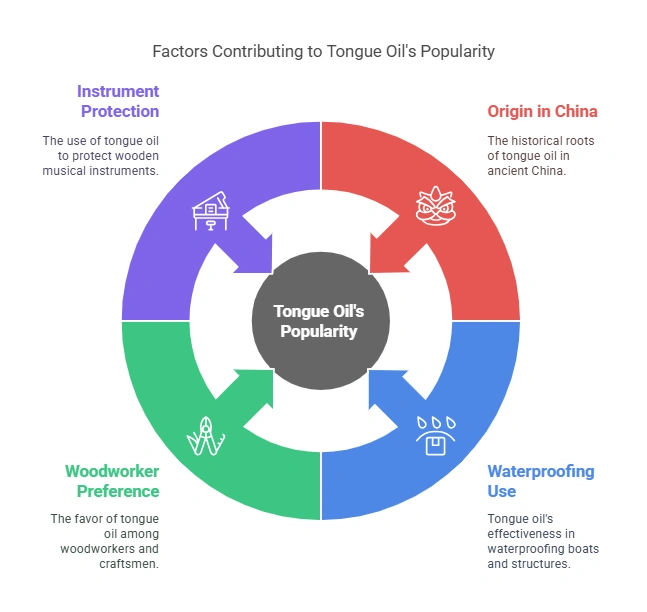
Tongue oil, also known as China wood oil, has a rich history that dates back to ancient China. It was traditionally used for waterproofing boats and protecting wooden structures from the elements. The oil is extracted from the seeds of the tung tree, which is native to China and other parts of Asia. Over time, the use of tongue oil spread to other parts of the world, gaining popularity among woodworkers, artists, and even musicians who use it to protect and enhance their wooden instruments.
Extraction Process
The process of extracting tongue oil is quite fascinating. It all starts with the tung tree, scientifically known as Aleurites fordii. Here’s a brief overview of the extraction process:
- Harvesting: The seeds of the tung tree are harvested once they reach maturity. This typically happens in the autumn season.
- Crushing: The seeds are then crushed to extract the oil. This can be done using mechanical presses or traditional stone mills.
- Filtering: The extracted oil is filtered to remove any impurities. This ensures that the final product is pure and ready for use.
- Packaging: Finally, the oil is bottled and packaged for sale. Some manufacturers may also add drying agents to speed up the curing process.
And there you have it! The journey from seed to oil is a meticulous process that results in a product cherished by many for its protective and aesthetic qualities.
Key Benefits Of Tongue Oil
When it comes to finishing wood, Tongue Oil is a popular choice. It’s cherished not only for its natural look but also for its numerous benefits. In this section, we’ll dive into the key benefits of Tongue Oil. You’ll see why many woodworkers and hobbyists prefer it for their projects. Let’s explore the advantages of using Tongue Oil under the following subheadings.
Natural And Non-toxic
One of the top benefits of Tongue Oil is its natural and non-toxic nature. This is a huge plus if you have children or pets. Tongue Oil is derived from the seeds of the Tung tree, which makes it an all-natural product. Unlike synthetic finishes, Tongue Oil doesn’t release harmful chemicals into the air. So, you can breathe easy knowing you’re not compromising your health or the environment.
Moreover, its non-toxic properties mean it’s safe to use on kitchen utensils, cutting boards, and children’s toys. You won’t have to worry about any nasty chemicals coming into contact with your food or loved ones. This makes Tongue Oil an excellent choice for those who prioritize safety and eco-friendliness.
Durability And Protection
Another significant benefit of Tongue Oil is its durability and protection. Once applied, it penetrates deep into the wood fibers, providing a long-lasting finish that can withstand wear and tear. This makes it ideal for high-traffic areas or surfaces that get a lot of use.
But wait, there’s more! Tongue Oil also offers excellent water resistance. This means your wood projects will be protected from spills and moisture, which can cause damage over time. Additionally, Tongue Oil provides a flexible finish that won’t crack or peel, even as the wood expands and contracts with changes in humidity and temperature.
In short, Tongue Oil not only enhances the beauty of your wood projects but also ensures they last for years to come. It’s a win-win situation!
| Benefit | Description |
|---|---|
| Natural and Non-Toxic | Safe for children, pets, and food-contact surfaces |
| Durability and Protection | Offers long-lasting finish and water resistance |
As you can see, Tongue Oil offers a range of benefits that make it an attractive choice for wood finishing. Whether you’re a seasoned woodworker or a DIY enthusiast, Tongue Oil can help you achieve a beautiful and durable finish on your projects. So, why not give it a try and see the difference for yourself?
Common Uses Of Tongue Oil
Tongue oil, also known as tung oil, is a natural oil extracted from the seeds of the tung tree. It’s a versatile product with many applications in our daily lives. Tongue oil is famous for its protective and finishing properties. Let’s explore some of the common uses of tongue oil.
Wood Finishing
Tongue oil is a popular choice for wood finishing. If you have wooden furniture, floors, or even musical instruments, tongue oil can be a great way to protect and enhance them. It seeps into the wood and creates a protective layer that makes the wood resistant to water and stains.
Using tongue oil is simple. Apply a thin layer, let it soak in, then wipe off the excess. Repeat this process a few times, and you’ll have a beautiful, durable finish. Many woodworkers love tongue oil because it gives wood a natural, warm look without making it too shiny. Plus, it’s easy to apply, even if you’re not a professional.
Leather Conditioning
Did you know tongue oil can also be used for leather conditioning? Leather items like shoes, bags, and jackets can dry out over time. Tongue oil helps keep leather soft and supple. It penetrates the leather, providing moisture and protection.
To use tongue oil on leather, apply a small amount with a cloth and rub it in gently. Allow it to absorb, then buff with a clean cloth. Your leather goods will look and feel better, and they will last longer too. It’s a simple trick that anyone can use to care for their favorite leather items.

Application Methods
Applying Tongue Oil can significantly enhance the appearance and durability of your wooden surfaces. Whether you’re a seasoned woodworker or a DIY enthusiast, understanding the application methods is crucial. This section will guide you through the best practices to ensure your wood looks fantastic and stays protected. Let’s dive into the details!
Surface Preparation
Before you start applying Tongue Oil, preparing the surface is essential. Imagine trying to paint a wall covered in dust; the results wouldn’t be pretty, would they? The same goes for your wood. Here’s how to prep it:
- Clean the Surface: Use a damp cloth to wipe away any dust or dirt. Ensure the wood is dry before proceeding.
- Sand Smooth: Sand the wood with fine-grit sandpaper (220 grit works well). This helps the oil to penetrate better.
- Remove Residue: After sanding, use a vacuum or tack cloth to remove any sanding dust.
Step-by-step Guide
Now that your surface is prepped, let’s move on to the application process. Follow these steps to achieve a smooth, even finish:
- First Coat: Pour a small amount of Tongue Oil onto a clean, lint-free cloth. Rub the oil into the wood in the direction of the grain. Ensure even coverage.
- Wait and Wipe: Let the oil sit for about 15-30 minutes. Then, use a clean cloth to wipe off any excess oil. This prevents a sticky finish.
- Dry Time: Allow the wood to dry for 24 hours. Patience is key here; rushing can ruin the finish.
- Additional Coats: Apply at least two more coats, following the same steps. Each coat should be lighter than the last.
- Final Buff: After the final coat has dried, buff the surface with a soft cloth to bring out the shine.
Remember, applying Tongue Oil is like cooking a fine meal; take your time, and the results will be worth the effort. The rich, warm glow it brings to your wood is simply unmatched!
For a quick recap, here’s a handy table:
| Step | Description |
|---|---|
| Clean | Wipe the surface with a damp cloth. |
| Sand | Use 220-grit sandpaper for a smooth surface. |
| First Coat | Apply oil with a cloth, then wipe off excess. |
| Dry | Let the wood dry for 24 hours. |
| Repeat | Apply at least two more coats. |
| Buff | Buff the surface for a final shine. |
There you have it! These steps will help you achieve a beautiful, professional finish with Tongue Oil. Happy woodworking!
Comparing Tongue Oil To Other Oils
Comparing tongue oil to other oils can help you make an informed choice for your wood projects. Each oil has unique properties and benefits. Understanding these differences can save you time and effort in your woodworking tasks. Let’s explore how tongue oil compares to linseed oil and Danish oil.
Linseed Oil
Linseed oil is a popular choice for wood finishing. It penetrates deep into the wood. This oil enhances the natural grain. Linseed oil provides a warm, rich finish. It is derived from flax seeds. It takes longer to dry compared to tongue oil. Linseed oil also requires multiple coats. This can make the process time-consuming. Tongue oil, in contrast, dries faster. It also provides a more water-resistant finish.
Danish Oil
Danish oil is a blend of oil and varnish. It offers a durable finish. This oil is easy to apply. Danish oil gives a satin sheen. It enhances the wood’s natural beauty. Danish oil dries quicker than linseed oil. Yet, it may not offer the same depth as tongue oil. Tongue oil penetrates deeper into the wood. It provides a more natural look. Danish oil is often used for furniture. Tongue oil is preferred for its water resistance.
Maintenance And Care
Maintaining and caring for surfaces treated with tongue oil ensures their longevity and beauty. Proper upkeep involves regular cleaning and timely reapplication. This guide will help you keep your wooden surfaces in top shape.
Cleaning Tips
Dust the surface regularly using a soft cloth. This prevents dirt buildup. Avoid using water or harsh chemicals. They can damage the finish. For sticky spots, use a mild soap solution. Wipe the area with a damp cloth, then dry immediately. Ensure no moisture remains on the surface.
Reapplication Schedule
Reapply tongue oil every 6 to 12 months. This keeps the wood nourished and protected. Before reapplying, clean the surface thoroughly. Sand lightly if needed to remove any rough patches. Apply a thin coat of oil, then let it soak in. Wipe off any excess oil after 30 minutes. Allow the surface to dry for 24 hours before using it.

Safety Precautions
Understanding the safety precautions when using Tung Oil is crucial. This wonderful, natural oil can do wonders for your woodwork, but it’s important to handle it with care. Let’s dive into some essential safety measures you need to keep in mind.
Handling And Storage
When dealing with Tung Oil, always remember to handle it with respect. Here are some key points to keep in mind:
- Wear Gloves: Tung Oil can be an irritant. Always wear gloves to protect your skin.
- Work in a Well-Ventilated Area: The fumes can be strong. Ensure you have good air circulation to avoid inhaling them.
- Keep Away from Heat: Tung Oil is flammable. Store it in a cool, dry place, away from any heat sources.
- Use Proper Containers: Always keep Tung Oil in its original container or a similar, well-marked container.
First Aid Measures
Accidents happen, and it’s best to be prepared. Here’s what you should do in case of an emergency:
| Situation | Action |
|---|---|
| Skin Contact | Wash the area thoroughly with soap and water. Remove any contaminated clothing. |
| Eye Contact | Rinse your eyes with water for at least 15 minutes. Seek medical attention if irritation persists. |
| Inhalation | Move to fresh air immediately. If you feel dizzy or have trouble breathing, seek medical help. |
| Ingestion | Do not induce vomiting. Rinse your mouth and drink water. Get medical attention right away. |
It’s better to be safe than sorry. Having a first aid kit nearby is always a good idea.
Environmental Impact
Tongue oil has a significant impact on the environment. Understanding its sustainability and eco-friendly practices can help make informed choices. Let’s explore how tongue oil affects our planet.
Sustainability
Tongue oil comes from the seeds of the tung tree. These trees are renewable resources. They grow quickly and do not need much water. This makes tongue oil a sustainable option. The harvesting process does not harm the trees. The trees continue to produce seeds year after year. This ensures a steady supply without deforestation.
Eco-friendly Practices
Producing tongue oil involves eco-friendly practices. The extraction process uses minimal chemicals. This reduces pollution and protects the environment. Farmers often use organic methods to grow tung trees. This means fewer pesticides and fertilizers. It promotes healthier soil and water. Tongue oil is biodegradable. It breaks down naturally without leaving harmful residues.
Using tongue oil for wood finishes also has environmental benefits. It provides a natural, non-toxic finish. This makes it safer for both people and wildlife. Choosing tongue oil supports green practices and a healthier planet.
Frequently Asked Questions
What Does Tongue Oil Do?
Tongue oil penetrates wood, enhancing its natural beauty and providing a durable, water-resistant finish. It protects and seals surfaces.
What Are The Disadvantages Of Tung Oil?
Tung oil has a slow drying time. Multiple coats are often needed. It can be pricey and difficult to find.
When Should I Use Tung Oil?
Use tung oil to finish wood projects for a natural, durable, and water-resistant finish. Ideal for furniture, countertops, and cutting boards. Apply it when you need a non-toxic, food-safe option. Perfect for enhancing wood grain and adding a warm, rich color.
Is It Safe To Use Tongue Oil?
Yes, tongue oil is safe when used correctly. Ensure proper ventilation and follow the manufacturer’s instructions for application.
Conclusion
To sum up, tongue oil offers many benefits. It’s natural and versatile. You can use it on wood, leather, and more. It protects and enhances surfaces beautifully. Easy to apply and safe, it’s a great choice. If you seek a reliable finish, consider tongue oil.
It’s a valuable addition to your toolkit. Enjoy its many advantages in your projects.