What Kind of Wood is Mahogany: The Luxe Choice
Mahogany is a hardwood from trees in the Swietenia genus. It is known for its rich color, durability, and fine grain.
Mahogany has long been celebrated for its beauty and strength, making it a popular choice in furniture and cabinetry. This tropical hardwood primarily comes from Central and South America, as well as parts of the Caribbean. Its deep reddish-brown hue can enhance any decor, while its resistance to warping and decay ensures longevity.
Craftsmen appreciate mahogany for its workability, allowing for intricate designs and finishes. Due to its desirability, mahogany can be more expensive than other woods. Sustainable sourcing has become crucial, as overharvesting threatens its availability. Understanding mahogany’s characteristics helps buyers make informed choices for their projects.
Introduction To Mahogany
Mahogany is a rich, beautiful hardwood. It comes from tropical trees. This wood is prized for its durability and beauty. Mahogany is often used in furniture, cabinetry, and musical instruments. Its deep color and fine grain make it a favorite among craftsmen.
The Allure Of Mahogany
Mahogany’s allure lies in its stunning appearance. The wood ranges from a light pink to a deep reddish-brown. Its grain is straight and has a fine texture. This wood is smooth to the touch and easy to work with.
Many people appreciate its natural luster. Mahogany ages beautifully, developing a rich patina over time. This quality enhances its appeal in both modern and traditional designs.
- Durable and long-lasting
- Resistant to warping and cracking
- Easy to finish and polish
Historical Significance
Mahogany has a rich history. It was first used by the ancient Maya civilization. They crafted beautiful items from this wood. European colonists later discovered mahogany in the Caribbean.
By the 18th century, mahogany became popular in England. It was used for fine furniture and shipbuilding. Today, mahogany is still a symbol of luxury.
| Era | Use of Mahogany |
|---|---|
| Ancient Maya | Crafting tools and decorative items |
| 18th Century | Fine furniture and shipbuilding |
| Modern Day | Luxury furniture and musical instruments |
Today, mahogany remains a sought-after wood. Its historical significance adds to its charm.
Botanical Profile
The botanical profile of mahogany reveals its unique characteristics. This wood is known for its beauty and durability. Understanding its classification and distribution helps appreciate this valuable resource.
Species And Classification
Mahogany belongs to the Swietenia genus. It includes several species:
- Swietenia macrophylla – Big-leaf mahogany
- Swietenia mahagoni – West Indian mahogany
- Swietenia humilis – Mexican mahogany
These species have distinct traits. They all share a rich reddish-brown color. The grain patterns are often straight and fine.
Geographical Distribution
Mahogany grows in tropical areas. Its main distribution includes:
| Region | Countries |
|---|---|
| Central America | Belize, Guatemala, Honduras |
| South America | Brazil, Peru, Ecuador |
| Caribbean | Cuba, Jamaica, Dominican Republic |
This wood thrives in warm, humid climates. It prefers well-drained soils. Mahogany forests are vital for local ecosystems.
Physical Characteristics
The physical characteristics of mahogany make it a popular choice for many applications. This wood is known for its beauty, strength, and versatility. Understanding these traits can help you appreciate its value in furniture and other woodworking projects.
Color And Texture
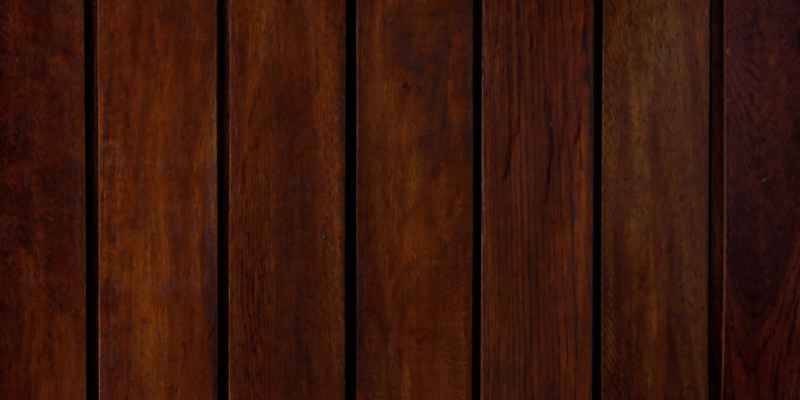
Mahogany is famous for its rich, warm colors. It ranges from a light pinkish-brown to a deep, reddish-brown. Over time, it develops a beautiful patina that enhances its appearance.
- Color Variations:
- Light Pinkish-Brown
- Reddish-Brown
- Dark Brown
- Texture:
- Smooth
- Fine Grain
- Natural Luster
The texture of mahogany is smooth and fine-grained. This quality makes it easy to work with and finish. It can be polished to a high sheen, creating a stunning visual effect.
Density And Durability
Mahogany is known for its density and durability. It is a hardwood, making it resistant to wear and tear. This wood is ideal for items that need to last.
| Characteristic | Details |
|---|---|
| Density | Approximately 600-800 kg/m³ |
| Durability | Highly resistant to decay and pests |
Many craftsmen prefer mahogany for its stability. It does not warp easily, even in humid conditions. This resilience makes it suitable for both indoor and outdoor projects.
Uses Of Mahogany Wood
Mahogany wood is highly valued for its rich color and strength. It serves various purposes across different industries. Below are some prominent uses of mahogany wood.
Furniture And Cabinetry
Mahogany is a popular choice for furniture and cabinetry. Its durability and beauty make it ideal for high-quality pieces. Here are some common applications:
- Tables: Dining tables and coffee tables.
- Chairs: Comfortable and stylish seating.
- Cabinets: Elegant storage solutions for homes.
- Dressers: Functional and attractive bedroom furniture.
Mahogany furniture often features intricate carvings. Its natural resistance to moisture prevents warping. This wood also takes stain and finish well, enhancing its appearance.
Musical Instruments
Mahogany is frequently used in making musical instruments. Its tonal properties contribute to rich sound quality. Instruments made from mahogany include:
- Guitars: Acoustic and electric models.
- Pianos: Grand and upright pianos.
- Violins: Used for their warm sound.
Mahogany enhances the resonance and projection of sound. Musicians appreciate its aesthetic and acoustic qualities.
Boat Building
Mahogany is also a favored choice in boat building. Its natural oils resist water damage. Here are some reasons why mahogany is suitable:
| Feature | Benefit |
|---|---|
| Durability | Lasts longer in harsh conditions. |
| Weight | Lightweight for better speed. |
| Aesthetics | Beautiful finish enhances boat appeal. |
Boat builders trust mahogany for its strength and resistance. It provides both functionality and elegance on the water.
Working With Mahogany
Mahogany is a popular choice for woodworkers and craftsmen. Its rich color and durability make it ideal for many projects. Understanding how to work with mahogany enhances its natural beauty.
Machining And Craftsmanship
Mahogany machines easily due to its fine texture. Use sharp tools for the best results. Here are some tips for machining mahogany:
- Keep blades sharp to avoid tear-out.
- Use slow feed rates for smooth cuts.
- Sand with finer grits for a polished finish.
Mahogany is stable and resistant to warping. This quality makes it suitable for intricate designs. Craftsmen appreciate its ease of shaping.
Finishing Techniques
Finishing mahogany enhances its natural luster. Several techniques work well:
- Oil Finishes: Use tung oil or danish oil for a warm glow.
- Varnish: A clear varnish provides a hard, protective coat.
- Shellac: This adds depth and richness to the wood.
Before applying any finish, sand the surface smooth. This step ensures even coverage. Test any finish on a scrap piece first.
| Technique | Benefits |
|---|---|
| Oil Finishes | Enhances color, easy to apply |
| Varnish | Durable, water-resistant |
| Shellac | Quick drying, adds depth |
Mahogany responds well to various finishes. Choose one based on the desired look and protection level.
Sustainability And Sourcing
Understanding the sustainability of mahogany is crucial. This beautiful wood comes from tropical trees. Overharvesting threatens its future. Responsible sourcing ensures mahogany remains available for generations.
Conservation Efforts
Many organizations work to protect mahogany forests. Here are key efforts:
- Reforestation programs restore lost habitats.
- Education campaigns raise awareness about sustainable practices.
- Monitoring illegal logging helps preserve forests.
These actions support biodiversity and help local communities thrive.
Certified Sustainable Sources
Buying mahogany from certified sources promotes sustainability. Look for these certifications:
| Certification | Description |
|---|---|
| FSC (Forest Stewardship Council) | Ensures responsible forest management. |
| PEFC (Programme for the Endorsement of Forest Certification) | Promotes sustainable forest practices globally. |
| Rainforest Alliance | Supports biodiversity and sustainable livelihoods. |
Choosing certified mahogany reduces environmental impact. It supports responsible forestry practices.
Mahogany Alternatives
Many people search for alternatives to mahogany. This wood is beautiful but can be expensive. Several other woods offer similar qualities. Let’s explore these alternatives and their benefits.
Comparing Similar Woods
Several woods share characteristics with mahogany. Here’s a quick comparison:
| Wood Type | Color | Grain Pattern | Durability |
|---|---|---|---|
| Cherry | Rich reddish-brown | Straight and fine | Good |
| Walnut | Dark brown | Varied and bold | Excellent |
| Sapele | Golden to dark reddish-brown | Interlocked | Good |
| Teak | Golden-brown | Straight and coarse | Very good |
Each wood type has its own beauty and uses. They can mimic the elegance of mahogany at a lower price.
Cost-effective Substitutes
Many cost-effective substitutes exist for mahogany. Here are some popular options:
- Birch: Light color, smooth surface, and easy to work with.
- Maple: Hard, durable, and offers a clean finish.
- Pine: Affordable, light, and perfect for DIY projects.
- Poplar: Economical, versatile, and good for painting.
These alternatives provide great looks without breaking the bank. They offer a range of colors and grains. Choose the one that fits your project best.
Caring For Mahogany Products
Caring for mahogany products keeps them looking beautiful. Proper maintenance ensures their longevity. Regular care protects their rich color and shine.
Maintenance Tips
Follow these simple tips for maintaining mahogany:
- Dust regularly using a soft, dry cloth.
- Use a damp cloth for deeper cleaning.
- Avoid harsh chemicals and abrasive cleaners.
- Apply a quality wood polish every few months.
- Keep mahogany away from direct sunlight.
- Maintain a stable humidity level in the room.
Repair And Restoration
Mahogany can be repaired or restored easily. Follow these steps for best results:
- Assess the damage to determine the repair method.
- For scratches, use a wood filler that matches the color.
- For dents, apply heat with a damp cloth to lift the wood.
- Sand the repaired area gently, then polish.
- For major damage, consult a professional restorer.
| Repair Type | Recommended Action |
|---|---|
| Scratches | Use wood filler |
| Dents | Apply heat and moisture |
| Water Damage | Sand and refinish |
The Future Of Mahogany
The future of mahogany holds exciting possibilities. As demand grows, new trends emerge. Sustainability and innovation shape this wood’s path forward. Understanding these trends is crucial for consumers and manufacturers alike.
Industry Trends
Current industry trends for mahogany show a shift towards sustainability. Many companies focus on eco-friendly practices. This shift impacts how mahogany is sourced and used.
- Increased interest in sustainable forestry
- Growth of reclaimed mahogany products
- Demand for certified wood sources
These trends help protect forests. They also ensure a stable supply for the future. Consumers show more awareness of eco-impact. They prefer products that align with their values.
Innovation In Mahogany Products
Innovation plays a vital role in the future of mahogany. New techniques enhance product quality and design. Companies explore unique uses for this versatile wood.
| Innovative Uses | Description |
|---|---|
| Furniture | Custom designs with modern aesthetics |
| Musical Instruments | High-quality sound and durability |
| Home Decor | Unique and stylish decorative pieces |
Manufacturers invest in technology. This leads to better craftsmanship and product lifespan. Consumers benefit from enhanced quality and unique designs. Mahogany’s future looks bright with these innovations.
Frequently Asked Questions
What Is Mahogany Wood Used For?
Mahogany wood is commonly used for furniture, cabinetry, and musical instruments. Its durability and rich color make it a popular choice for high-quality products. Additionally, mahogany is often used in boat building due to its resistance to water. This versatility enhances its appeal in various industries.
Where Does Mahogany Wood Come From?
Mahogany wood primarily comes from tropical regions, particularly Central and South America. It is sourced from several species, including Swietenia macrophylla. Sustainable harvesting practices are essential to protect mahogany forests. Overexploitation has led to regulations ensuring its availability for future generations.
How Durable Is Mahogany Wood?
Mahogany wood is known for its exceptional durability and resistance to decay. It can withstand various environmental conditions, making it suitable for both indoor and outdoor use. Its natural oils contribute to its longevity. Regular maintenance can further enhance its durability and appearance over time.
Is Mahogany Wood Expensive?
Yes, mahogany wood is generally considered expensive due to its quality and scarcity. The demand for premium furniture and products drives its price higher. Additionally, sustainable harvesting practices can limit supply. Investing in mahogany often results in long-lasting and valuable pieces, making it worthwhile.
Conclusion
Mahogany is a prized hardwood known for its beauty and durability. Its rich color and fine grain make it ideal for furniture and cabinetry. Understanding its characteristics helps in making informed choices. Whether for aesthetics or longevity, mahogany remains a top choice for many woodworking projects.
Explore its unique qualities for your next endeavor.