Mahogany Wood Airplane Models: A Collector’s Buying Guide
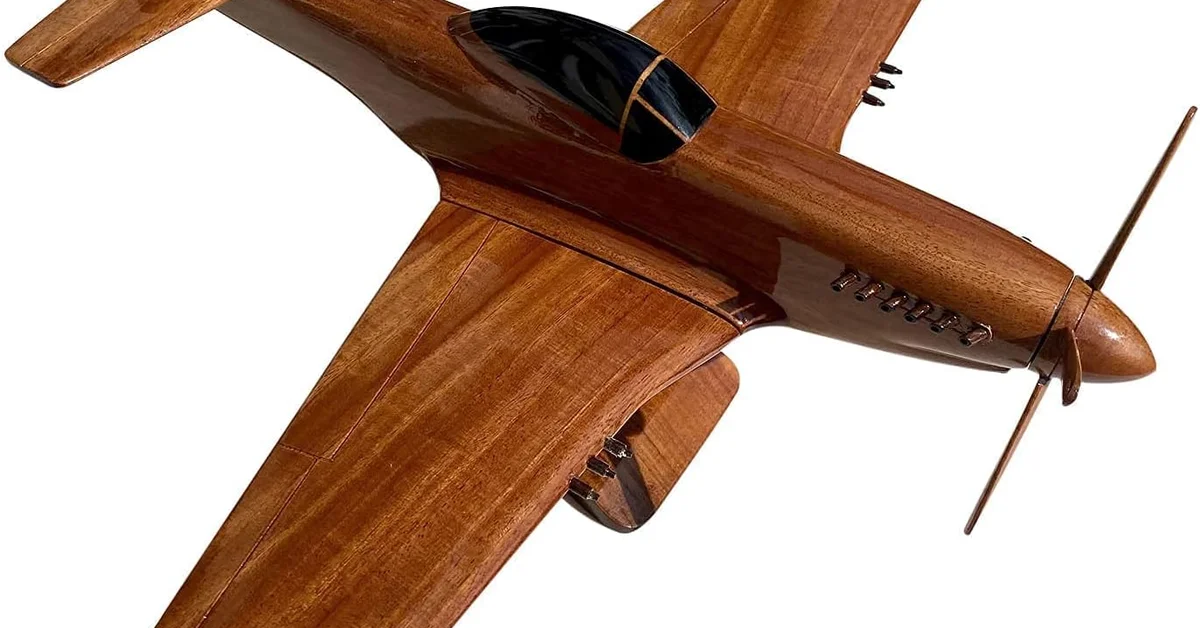
Mahogany wood airplane models are hand-carved replicas of real aircraft, prized for the wood’s tight, straight grain that holds fine detail — panel lines, rivets, cowl curves — without chipping the way softer woods do. They’re collected as display pieces and gifts, but the good ones are also small pieces of real engineering: the same grain stability that makes mahogany a favorite for guitar necks and boat trim is what lets a carver take a wing down to a scale-thin trailing edge without it snapping.
The unique grain patterns in the wood mean each model is one-of-a-kind, even within the same production run. Whether for display or gifting, mahogany wood airplane models capture the spirit of aviation in a stunning format, and a well-made one holds its finish and shape for decades rather than years.
The Allure Of Mahogany Wood
Best Hand-Carved Mahogany Model We Found
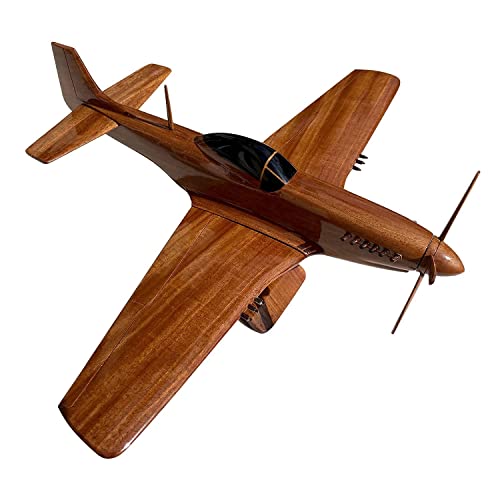 |
Tesaut P-51 (P51) Mustang Mahogany Wood Desktop AirplaneTesaut | Our pick | $199.95
Price as of 20 Oct 2026
|
View |
Mahogany wood captivates many with its beauty and strength. This rich, warm wood is popular for crafting airplane models. The unique features of mahogany make it a top choice for collectors and enthusiasts.
Rich Color And Grain
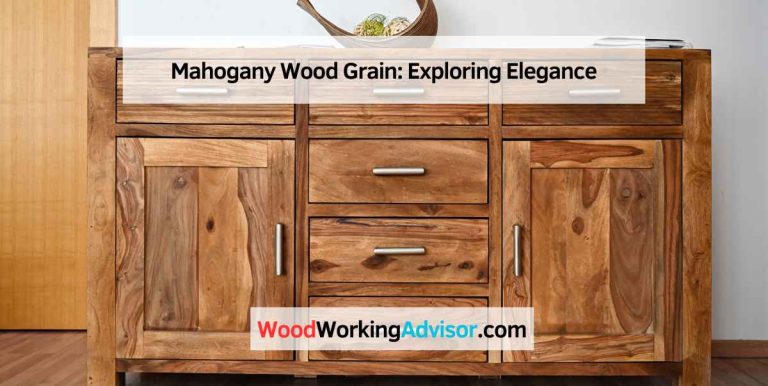
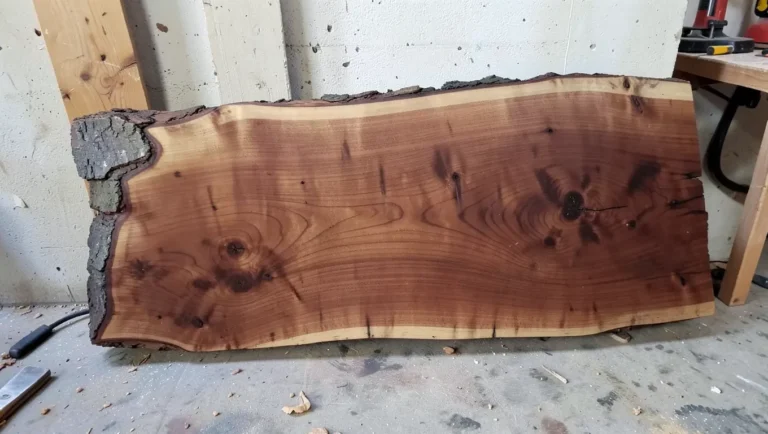
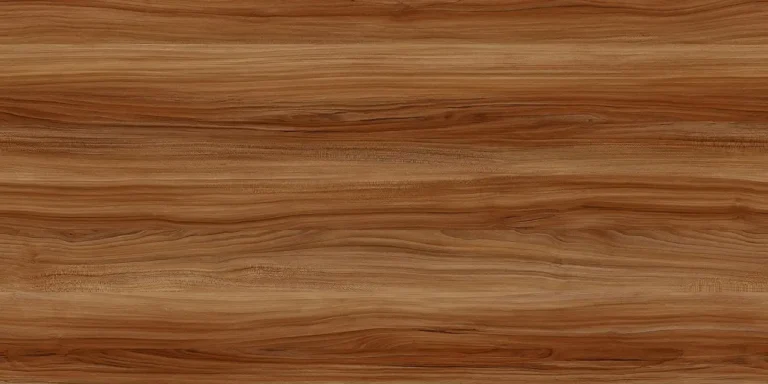
Mahogany wood showcases a stunning range of colors. Its deep reddish-brown hue stands out in any setting. The grain is often straight, but can be wavy or interlocked. This variety adds character to each piece.
- Color Variations: Ranges from light pink to dark red-brown.
- Grain Patterns: Unique to each model, enhancing its charm.
- Finish: Smooth and polished, bringing out natural beauty.
The color and grain attract attention. Each mahogany model tells a story through its appearance. Collectors appreciate these unique features. They add value and beauty to any display.
Durability And Longevity
Mahogany wood is known for its durability. It resists wear and tear over time. This makes it an excellent choice for airplane models.
| Feature | Benefit |
|---|---|
| Water Resistance | Protects against moisture damage. |
| Resistance to Insects | Prevents wood-boring insects from causing harm. |
| Stability | Maintains shape and size under various conditions. |
Investing in mahogany models means investing in quality. These models can last for generations. They will retain their beauty and value over time. Enthusiasts treasure these lasting qualities.
History Of Model Airplanes
Model airplanes have a rich and fascinating history that predates powered flight itself. From simple designs to intricate masterpieces, they tell a story of creativity and craftsmanship.
Early Beginnings
The first genuinely documented, aerodynamically stable flying model dates to 1871 — 32 years before the Wright brothers’ first powered flight. French engineer Alphonse Pénaud flew his rubber-band-powered “Planophore” 131 feet in 11 seconds at the Jardin des Tuileries in Paris on August 18, 1871. It wasn’t just a toy: it was the first model to demonstrate inherent aerodynamic stability, and it directly influenced real aircraft design for decades after.
- First aerodynamically stable model: 1871, the Planophore
- Created by: Alphonse Pénaud
- Legacy: A Pénaud-style rubber-band model helicopter toy, given to young Wilbur and Orville Wright by their father in 1878, is widely credited as the spark that led both brothers toward aviation
Enthusiasts built models to understand flight long before anyone had flown one full-size. They experimented with different shapes and materials, laying the groundwork for the advancements that followed.
Evolving Craftsmanship
As technology advanced, so did model airplane designs. The 20th century saw significant changes.
| Era | Key Developments |
|---|---|
| 1920s | Introduction of balsa wood models |
| 1930s | Use of rubber bands for propulsion |
| 1960s | Rise of radio-controlled models |
Craftsmanship improved with new materials. Mahogany became popular for display-grade replicas specifically because it holds carved detail and a glossy finish far better than the balsa used for flying models. Modelers started to create stunning, detailed replicas built purely for display rather than flight.
Today, model airplanes are enjoyed by hobbyists worldwide, split between flying balsa/foam builds and display-grade hardwood replicas. Mahogany wood models stand out in the second category for their elegance and quality.
Why Mahogany For Models?
Mahogany wood is a top choice for display airplane models. Its unique properties make it ideal for craftsmanship. Artisans and collectors alike appreciate its value.
Preferred By Artisans
Many artisans prefer mahogany for several reasons:
- Durability: Mahogany withstands wear and tear well.
- Workability: It cuts and shapes easily, allowing for precision.
- Lightweight: This wood offers strength without added weight.
Crafting airplane models from mahogany results in stunning pieces. The wood holds details beautifully, enhancing the overall design.
Finish And Aesthetic Appeal
Mahogany has a rich, warm color that adds beauty. Its natural grain creates a visually appealing finish.
Consider these aesthetic benefits:
| Feature | Benefit |
|---|---|
| Natural Shine | Requires minimal finishing for a glossy look. |
| Color Variation | Each piece has unique hues, adding character. |
| Timeless Appeal | Mahogany fits both modern and classic styles. |
Models made from mahogany are true works of art. They stand out in any collection or display.
Crafting Process
Creating Mahogany Wood Airplane Models is an art. Each model showcases skill and craftsmanship. The crafting process involves several precise steps. From selecting the wood to final finishing, every detail matters.
From Block To Aerodynamic Shape
The journey begins with a solid block of mahogany wood. Craftsmen select high-quality blocks for durability and beauty. The initial steps include:
- Cutting the wood into manageable pieces.
- Shaping the wood with special tools.
- Smoothing the surface to prepare for details.
Special attention is given to the aerodynamic shape. This ensures the model looks realistic. The design closely resembles actual airplanes.
Carving Details And Precision
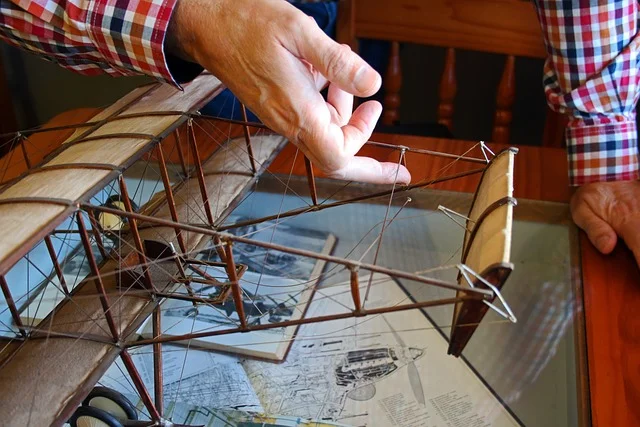
After shaping, artisans focus on carving details. This step requires patience and precision. Craftsmen use various tools to create intricate features. The process includes:
- Engraving panel lines and rivets.
- Detailing the wings and tail sections.
- Polishing the carved areas for a smooth finish.
Each model is unique. The craftsmanship highlights the beauty of mahogany wood. Final touches involve applying a protective finish. This enhances the wood’s natural color and grain.
Types Of Mahogany Aircraft Models
Mahogany wood airplane models come in various styles. Each type reflects unique designs and historical significance. Collectors and enthusiasts appreciate these models for their craftsmanship and beauty.
Military Classics
Military aircraft models showcase iconic designs. These models often represent famous aircraft used in various conflicts. Here are some popular military classics:
- P-51 Mustang – A legendary fighter from World War II.
- F-14 Tomcat – Famous for its role in naval aviation.
- B-17 Flying Fortress – Known for its durability and bombing missions.
- Spitfire – An iconic British fighter aircraft.
These models often feature intricate details. The craftsmanship highlights the aircraft’s unique characteristics.
Civil Aviation Replicas
Civil aviation models capture the elegance of commercial flight. These replicas often include famous airliners and private jets. Here are some notable civil aviation replicas:
| Model | Description |
|---|---|
| Boeing 747 | The “Jumbo Jet,” known for its size and range. |
| Concorde | The supersonic passenger jet with sleek design. |
| Cessna 172 | A popular small aircraft for training and leisure. |
| DC-3 | A classic airliner that changed commercial aviation. |
These models capture the spirit of aviation. Collectors value their historical significance and aesthetic appeal.
Collectors And Enthusiasts
Mahogany wood airplane models attract many collectors and enthusiasts. Their craftsmanship and beauty captivate hearts. These models symbolize passion for aviation and history. Collectors appreciate the skill in each piece. Enthusiasts enjoy sharing their collections with others.
Growing Communities
Communities of collectors and enthusiasts are expanding. They connect through online forums and social media. Local clubs and events also promote interaction.
- Online forums share tips and experiences.
- Social media showcases beautiful collections.
- Local clubs organize meetups and exhibitions.
Many collectors bond over similar interests. They exchange knowledge about different models. This creates a vibrant community atmosphere.
The Thrill Of Acquisition
Finding a new mahogany airplane model brings excitement. Each acquisition tells a story. Collectors often search for unique pieces. This quest adds to the thrill.
- Research and discover rare models.
- Attend auctions for exclusive finds.
- Visit local shops for hidden treasures.
Each model adds value to a collection. Some collectors focus on specific aircraft. Others aim for a diverse range. The joy of acquisition drives their passion.
| Type of Collector | Description |
|---|---|
| History Buffs | Focus on historically significant models. |
| Artisans | Appreciate craftsmanship and design. |
| Aviation Fans | Collect models of favorite aircraft. |
Display And Care
Mahogany wood airplane models are beautiful collectibles. Proper display and care enhance their charm and longevity. Here are some tips to showcase and maintain your models.
Showcasing Your Collection
Displaying your mahogany airplane models can create a stunning focal point. Consider these options:
- Wall Shelves: Install floating shelves for a sleek look.
- Display Cases: Use glass cases to protect models from dust.
- Table Displays: Arrange models on a coffee table for easy viewing.
Ensure models are positioned away from direct sunlight. UV rays can fade the rich color of mahogany. Group similar models together for a cohesive display. This adds a professional touch to your collection.
Maintenance Tips
Maintaining your mahogany wood airplane models keeps them in great shape. Follow these easy steps:
| Task | Frequency | Notes |
|---|---|---|
| Dusting | Weekly | Use a soft cloth to avoid scratches. |
| Polishing | Monthly | Use furniture polish for a shiny finish. |
| Inspecting | Every 3 months | Check for any damage or wear. |
Keep models in a stable environment. Avoid humidity and extreme temperatures. These factors can warp the wood. Store models upright to prevent tipping or damage.
By following these display and care tips, your mahogany airplane models will shine beautifully for years.
Purchasing And Valuation
Buying Mahogany wood airplane models can be exciting. Knowing where to buy and understanding their value helps you make smart choices. These models can vary in price and quality. Let’s explore the best places to purchase and how to assess their value.
Where To Buy
You can find Mahogany wood airplane models in several places:
- Online Retailers: Websites like Amazon and eBay offer a wide range.
- Specialty Stores: Shops that focus on model airplanes often have unique options.
- Craft Fairs: Local fairs might feature artisans selling handmade models.
- Collector Shows: These events can have rare finds.
Understanding Value And Price
Knowing the value of Mahogany wood airplane models helps you avoid overpaying.
Factors influencing value include:
- Craftsmanship: High-quality models are often more valuable.
- Size: Larger models may cost more.
- Rarity: Limited editions are usually priced higher.
- Condition: Well-maintained models hold better value.
Here’s a simple table to help you understand pricing:
| Model Type | Average Price | Value Factors |
|---|---|---|
| Small Models | $50 – $100 | Common and easy to find |
| Medium Models | $100 – $250 | Better craftsmanship and detail |
| Large Models | $250 – $500 | High-quality materials and rarity |
Check prices from various sources to get the best deal. Remember, quality and uniqueness can significantly affect value.
Frequently Asked Questions
What Are Mahogany Wood Airplane Models?
Mahogany wood airplane models are handcrafted replicas made from mahogany timber. Known for their rich color and durability, these models showcase intricate detailing. They serve as decorative items or collectibles for aviation enthusiasts. The craftsmanship involved highlights both artistic and engineering skills, making them unique pieces.
Why Choose Mahogany For Airplane Models?
Mahogany is chosen for its strength, beauty, and workability. Its fine grain allows for detailed carving and finishing. The wood’s natural luster enhances aesthetic appeal, making it ideal for display. Additionally, mahogany is resistant to warping, ensuring longevity for your model.
It’s a classic choice for quality craftsmanship.
How To Care For Mahogany Wood Models?
To care for mahogany wood models, dust them regularly with a soft cloth. Avoid direct sunlight to prevent fading and warping. Use a wood polish occasionally to maintain the shine. Keep them in a stable environment, away from extreme temperatures and humidity.
This will preserve their beauty and integrity.
Where Can I Buy Mahogany Airplane Models?
Mahogany airplane models can be purchased from specialty shops and online retailers. Websites like Etsy, eBay, and Amazon feature various options. Local craft fairs or aviation museums may also sell unique pieces. Always check reviews and seller credibility to ensure quality before purchasing.
Conclusion
Mahogany wood airplane models are a stunning blend of craftsmanship and artistry — and, as the Pénaud Planophore’s role in inspiring the Wright brothers shows, small wooden aircraft have a real place in aviation history, not just as decor. Their durability and rich color make them perfect for display, and investing in a well-made one celebrates that history while adding elegance to your space.
Sponsored / affiliate links. As an Amazon Associate I earn from qualifying purchases. I may earn additional commission from eligible campaigns.
 The Hardwood Edge Mahogany Hardwood Planks - 2-Pack Mahogany Wood for Unfinished Wood Crafts - 1/8’’ (3mm) 100% Pure Hardwood - Laser Engraving Blanks - Exotic Mahogany Planks for Crafts and Gifts
 The Hardwood Edge Mahogany Hardwood Planks - 4-Pack Mahogany Wood for Unfinished Wood Crafts - 1/8’’ (3mm) 100% Pure Hardwood - Laser Engraving Blanks - Exotic Mahogany Planks for Crafts and Gifts